Making freezer jam can be an easy and rewarding way to preserve fresh fruit, but following expert protocol is crucial for safety and quality. This comprehensive guide provides step-by-step instructions, essential tips, and best practices to ensure your homemade jam is both delicious and safe to eat. By adhering to proven techniques, you’ll avoid common pitfalls and enjoy the sweet taste of summer all year round.
What This Guide Covers (And What It Doesn’t)
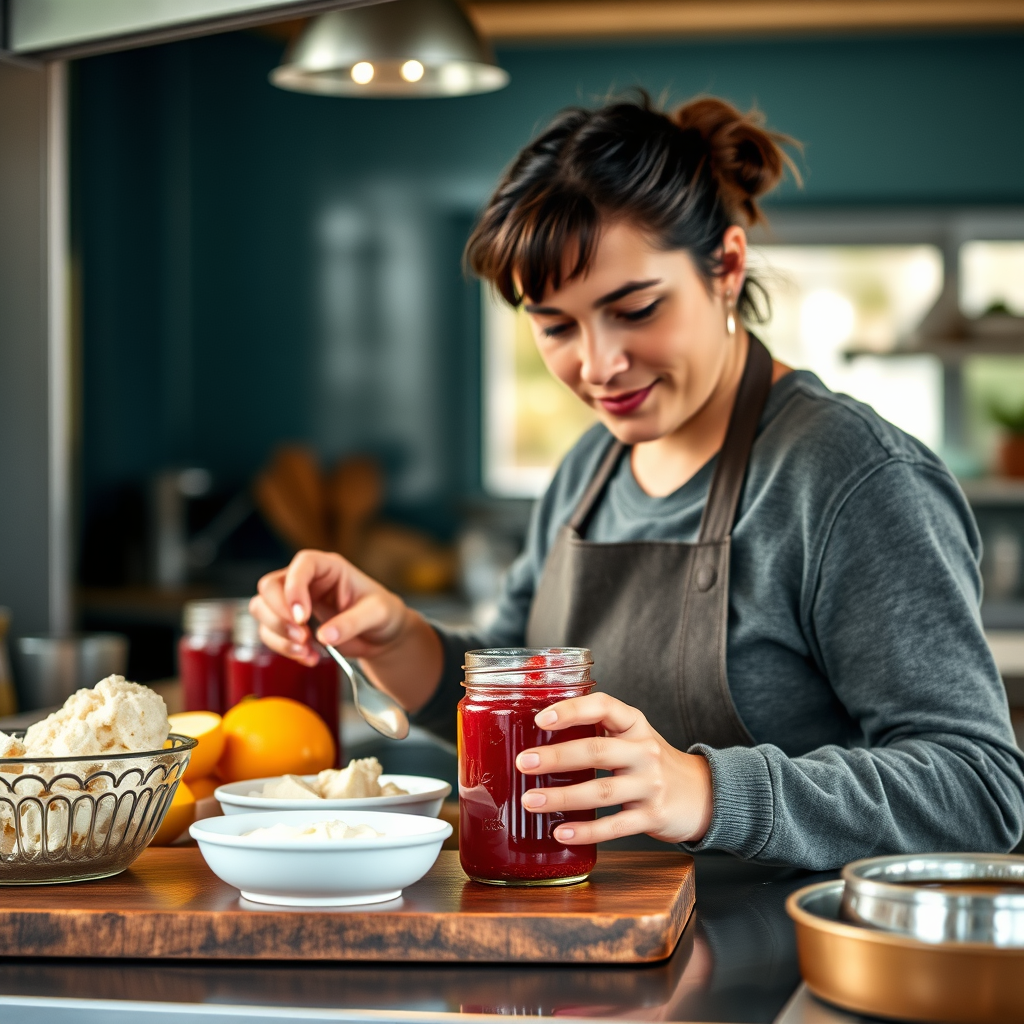
This guide offers a detailed recipe and protocol for making freezer jam, emphasizing safety, ingredient selection, and best practices for preservation. It does not delve into traditional canning methods or alternative fruit preserves that do not involve freezing; our focus remains firmly on freezer jam. Perfect for home cooks eager to create vibrant, flavorful jam without requiring extensive canning knowledge or equipment, this guide is not suited for those interested in industrial-scale jam production or advanced canning techniques.
Who Should Read This
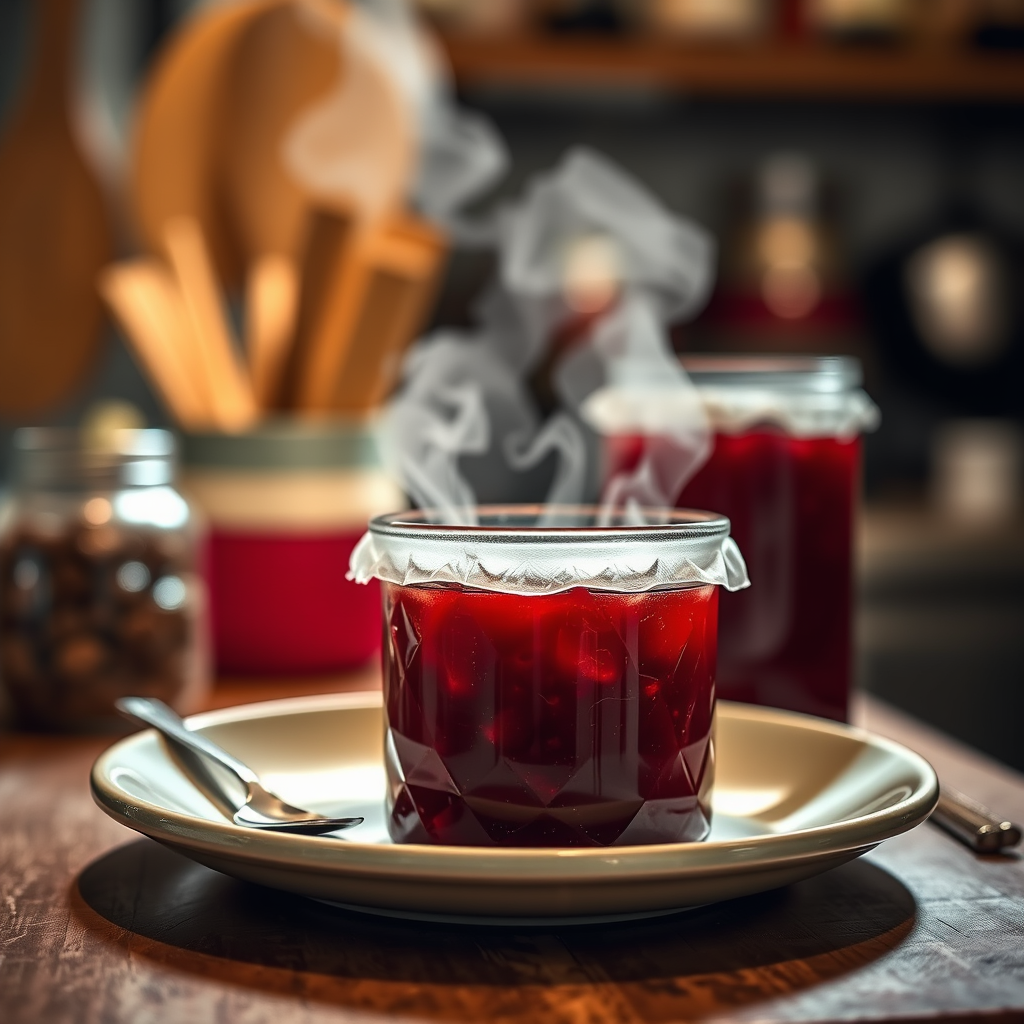
Designed for home cooks passionate about preserving fruits at their peak ripeness, this guide simplifies the process of making homemade jam. It is especially useful for individuals with little to no experience in food preservation who seek a clear, step-by-step approach to safely crafting freezer jam. Those looking to reduce food waste by utilizing surplus seasonal fruits in a convenient, tasty form will find it invaluable. Furthermore, health-conscious readers aiming to control sugar content and avoid additives found in store-bought jams will appreciate the insights provided.
The Step-by-Step Protocol
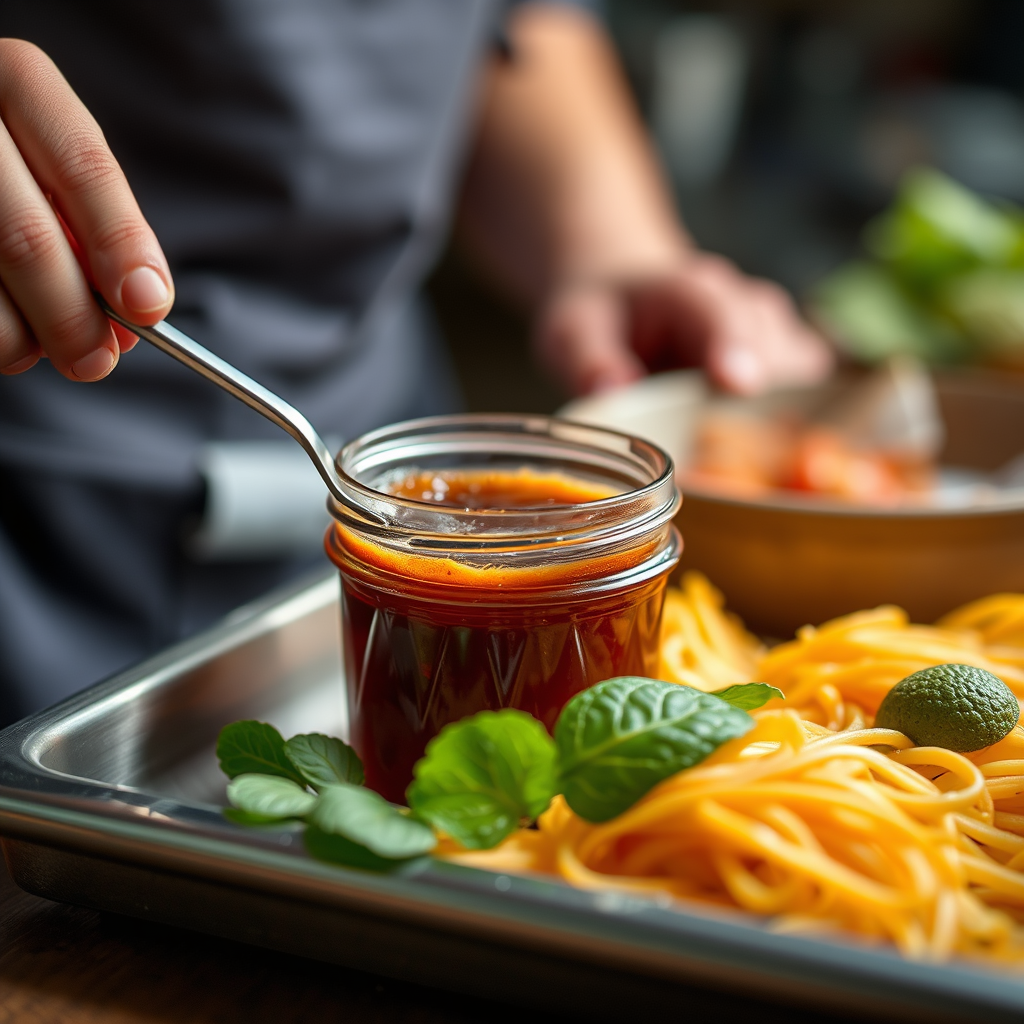
1. Select Your Fruit: Choose ripe, fresh fruit such as strawberries, raspberries, or peaches, aiming for about 4 cups of crushed fruit for a standard batch. Ensure the fruit is free from blemishes and spoilage.
2. Prepare Your Ingredients: Gather 1 ¾ cups of granulated sugar, ¼ cup of lemon juice, and 1 package (1.75 oz) of fruit pectin. Confirm that all ingredients are fresh and uncontaminated.
3. Crush the Fruit: Wash the fruit thoroughly under cold running water. Then, crush it in a large bowl using a potato masher or food processor, aiming for a uniform consistency without large chunks. You should have approximately 4 cups of crushed fruit.
4. Mix Ingredients: In a separate bowl, combine the crushed fruit, sugar, and lemon juice. Stir for about 2-3 minutes until the sugar is mostly dissolved. Next, add the pectin and mix well for an additional 2 minutes until fully integrated.
5. Fill Containers: Pour the mixture into clean, freezer-safe containers, leaving about ½ inch of headspace at the top. This space allows for expansion during freezing. Use containers made from glass or plastic specifically designed for freezing to prevent breakage or contamination.
6. Freeze: Place the containers in the freezer promptly. Ensure to freeze the jam within 24 hours of preparation for optimal freshness. Homemade freezer jam can be stored in the freezer for up to one year without significant loss of flavor or texture.
Top Fruits for Freezer Jam (2024)
| # | Fruit | Pectin Content (g/100g) | Sugar Needed (g/4 cups) | Ideal for Freezing |
|---|---|---|---|---|
| 1 | Strawberries | 0.6 | 600 | Yes |
| 2 | Raspberries | 0.5 | 600 | Yes |
| 3 | Peaches | 0.9 | 600 | Yes |
| 4 | Blackberries | 1.0 | 600 | Yes |
| 5 | Plums | 0.8 | 600 | Yes |
| 6 | Cherries | 0.7 | 600 | Yes |
| 7 | Figs | 0.4 | 600 | Yes |
Warning Signs: When Not to Follow This
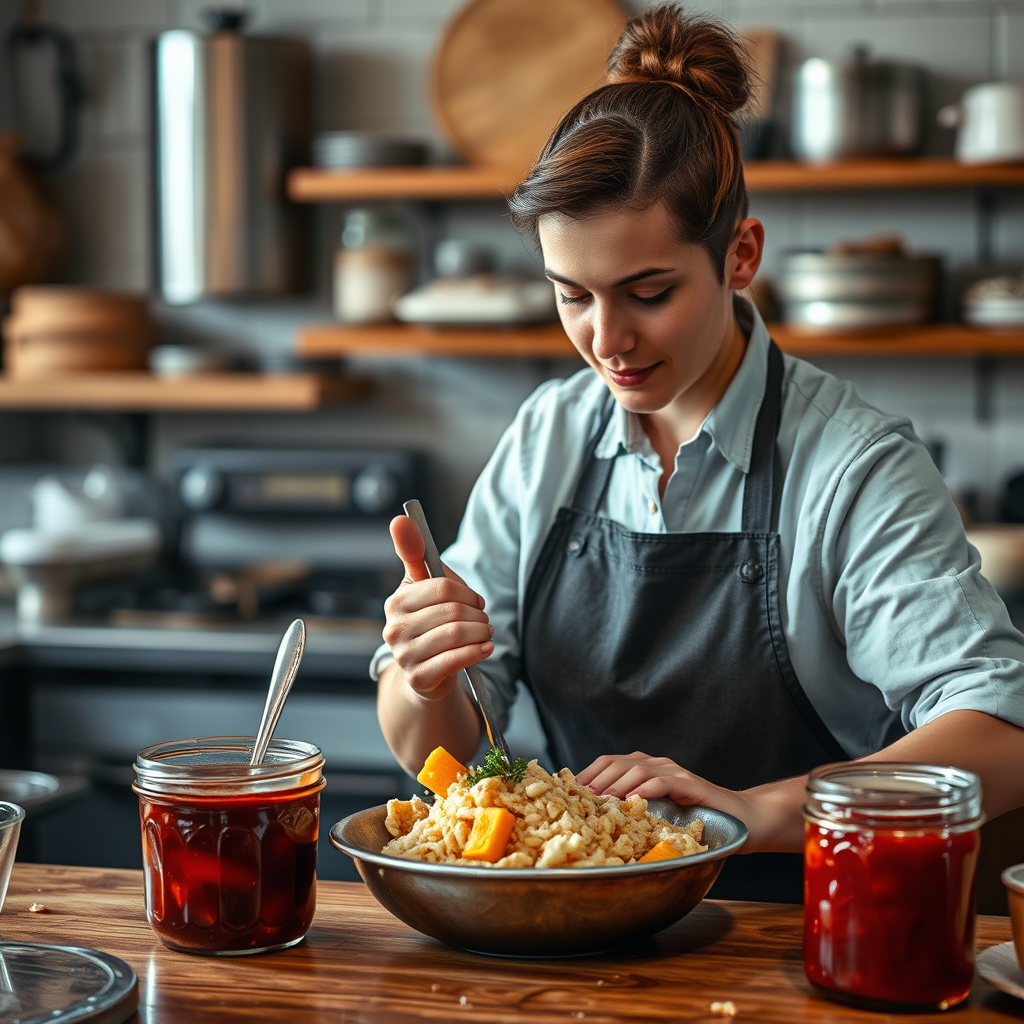
– Avoid making freezer jam if your fruit is overripe or shows signs of spoilage, as this could lead to fermentation or off-flavors in the final product.
– Do not proceed with this recipe if you lack suitable storage containers; using improper containers can result in freezer burn or contamination of the jam.
– If you have a known allergy to any of the ingredients listed, such as pectin or granulated sugar, do not attempt this recipe without appropriate alternatives.
– Refrain from making freezer jam in humid conditions, as excess moisture can negatively impact the texture and preservation quality of the final product.
The Most Common Mistakes (And Their Consequences)
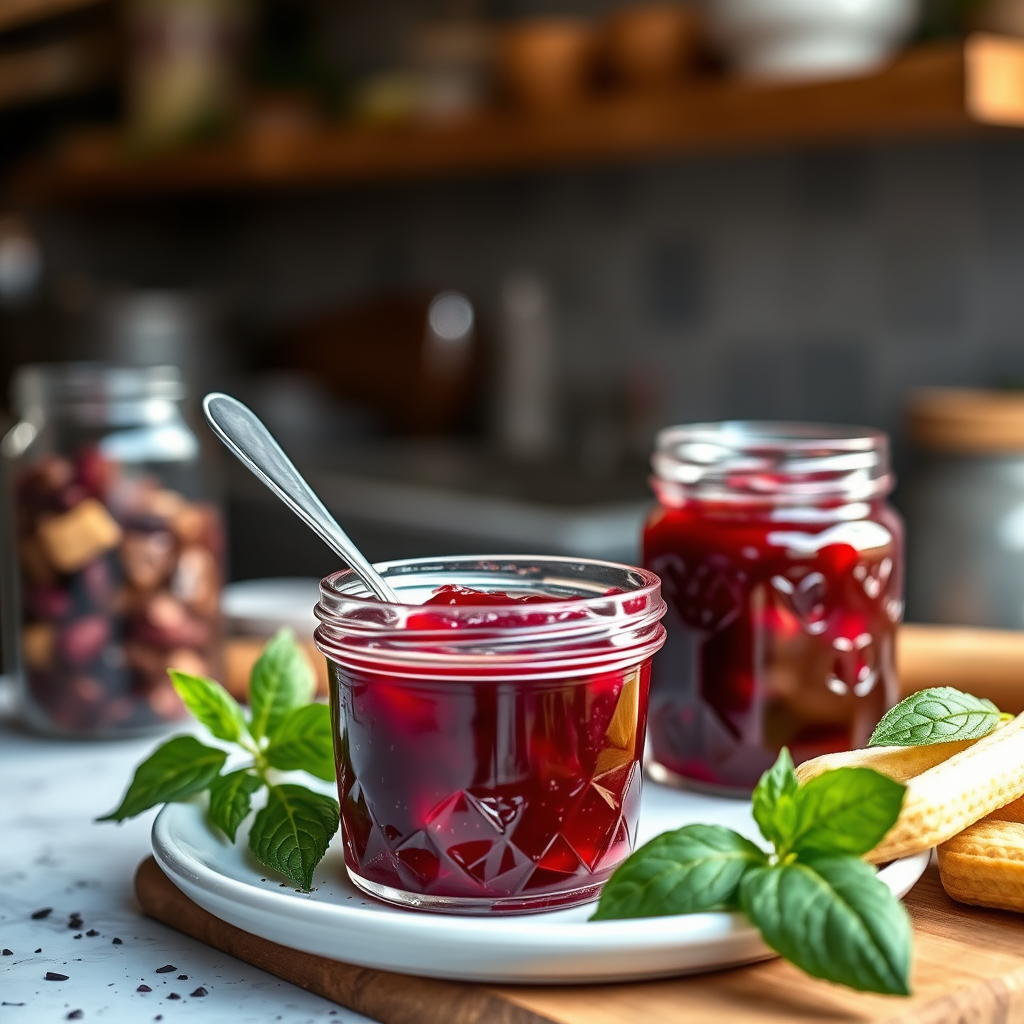
– Using Overripe Fruit: This can result in a jam that ferments quickly, leading to spoilage and undesirable off-flavors. Always start with fresh, ripe fruit.
– Incorrect Sugar Ratio: Not using the specified 1 ¾ cups of sugar can lead to a jam that is either too runny or lacks proper preservation qualities, resulting in spoilage.
– Insufficient Mixing of Pectin: Failing to mix the pectin thoroughly can cause the jam to not set properly, leading to a syrupy consistency rather than a spreadable jam.
– Not Leaving Headspace in Containers: Filling containers too full can cause them to crack or leak when the jam expands during freezing, compromising the quality of the jam.
Special Cases That Need a Different Approach
– For individuals with diabetes or those looking to reduce sugar, consider using low-sugar pectin and substituting granulated sugar with approved sugar alternatives such as stevia or erythritol. Keep in mind that this may alter the jam’s texture and sweetness.
– If using fruits with low natural pectin content, such as strawberries, you may need to adjust the amount of pectin used or combine them with higher pectin fruits like apples for proper gelling.
– Those living in high-altitude areas may need to make adjustments, such as slightly increasing the sugar amount or considering the freezing times due to altitude effects on fruit and pectin.
– When preparing jam with herbs or spices, like basil or cinnamon, be sure to test in small batches first, as these ingredients can significantly alter the flavor profile.
When You Need a Professional
– Consult a food preservation expert if you’re unsure about ingredient safety or if your fruit shows signs of spoilage before starting the jam-making process.
– If you intend to sell homemade freezer jam, seek guidance from local health departments to ensure compliance with local health regulations and labeling requirements. This is crucial for food safety and consumer protection.
– When experimenting with unconventional fruits or combinations, consider reaching out to a food scientist or preservation specialist to evaluate safety and quality, particularly concerning pH levels and preservation methods.
– If you experience consistent issues with jam setting or spoilage, it may be beneficial to consult a professional for troubleshooting, as improper techniques can lead to significant food waste.
Sources and Further Reading
– The National Center for Home Food Preservation offers detailed guidelines on fruit preservation and safety standards, which can complement this guide.
– “Ball Complete Book of Home Preserving” is a comprehensive resource for all types of food preservation, including freezer jam.
– Local agricultural extension offices often provide workshops and additional resources on safe food preservation practices, useful for beginners and experienced cooks alike.
– Research studies from food science journals can provide insights into the effects of sugar and pectin on the preservation of fruits, relevant for those looking to delve deeper into the science behind jam-making.
This comprehensive guide empowers you to create delicious, fresh freezer jam with confidence. By following the outlined protocol, understanding common pitfalls, and recognizing when to seek professional consultation, you can savor the fruits of your labor throughout the year. Enjoy your homemade creations and the satisfaction of preserving seasonal flavors!
Frequently Asked Questions
What ingredients do I need for a basic freezer jam recipe?
To make a basic freezer jam, you will need fresh fruit (such as strawberries, raspberries, or peaches), granulated sugar, and fruit pectin. Typically, you’ll use about 4 cups of crushed fruit, 1 ½ cups of sugar, and 1 box of pectin. This combination creates a sweet and flavorful jam that can be stored in the freezer for up to a year.
How do I properly prepare fruit for freezer jam?
To prepare fruit for freezer jam, start by washing your fruit thoroughly to remove any dirt or pesticides. Then, remove any stems, seeds, or pits, and mash or crush the fruit to your desired consistency. This ensures that the fruit releases its juices, blending well with the sugar and pectin to create a smooth jam.
Why is pectin important in freezer jam recipes?
Pectin is a natural thickening agent that helps to create the desired gel-like texture in freezer jam. It binds with the sugar and fruit juices, allowing the jam to set properly without cooking. Using pectin not only enhances the flavor but also preserves the fresh taste of the fruit, making it a crucial ingredient in freezer jam recipes.
What is the best method for storing freezer jam?
The best method for storing freezer jam is to use airtight plastic containers or freezer-safe glass jars, leaving some space at the top for expansion. Make sure the containers are clean and dry before filling them with jam. Label each container with the date and type of jam, and store them in the freezer for optimal freshness, which can last up to a year.
Which fruits work best for making freezer jam?
The best fruits for making freezer jam are those with high natural pectin content, such as strawberries, blueberries, raspberries, and peaches. These fruits not only provide excellent flavor but also set well with pectin, ensuring a thick and spreadable jam. You can also experiment with combinations of fruits for unique flavors while maintaining the right balance for successful freezer jam.
References
- Fruit preserves
https://en.wikipedia.org/wiki/Jam - https://extension.unh.edu/resource/how-make-freezer-jam
https://extension.unh.edu/resource/how-make-freezer-jam - Expert Resources | CAES Field Report
https://www.uga.edu/extension/publications/food-safety/freezer-jam-fact-sheet.pdf - https://www.nal.usda.gov/legacy/legacy/food-safety-education/freezer-jams
https://www.nal.usda.gov/legacy/legacy/food-safety-education/freezer-jams - https://pubmed.ncbi.nlm.nih.gov/18046209/
https://pubmed.ncbi.nlm.nih.gov/18046209/ - https://www.fsis.usda.gov/wps/portal/fsis/topics/food-safety-education/get-answers/food-safety-fact-sheets/freezing-foods
https://www.fsis.usda.gov/wps/portal/fsis/topics/food-safety-education/get-answers/food-safety-fact-sheets/freezing-foods - Google Scholar Google Scholar
https://scholar.google.com/scholar?q=freezer+jam+recipe - Google Scholar Google Scholar
https://scholar.google.com/scholar?q=freezer+jam+food+preservation - Google Scholar Google Scholar
https://scholar.google.com/scholar?q=making+freezer+jam - https://www.oregon.gov/ode/students-and-family/health/Pages/food-safety.aspx
https://www.oregon.gov/ode/students-and-family/health/Pages/food-safety.aspx