Learn how to safely make corn cob jelly with this expert guide, designed for home cooks seeking to elevate their canning skills. This comprehensive resource covers essential protocols, ingredient selection, and step-by-step instructions to ensure a delicious and safe final product. Adhering to these expert guidelines is crucial for both flavor and food safety, making your corn cob jelly a standout addition to your pantry.
What This Guide Covers (And What It Doesn’t)
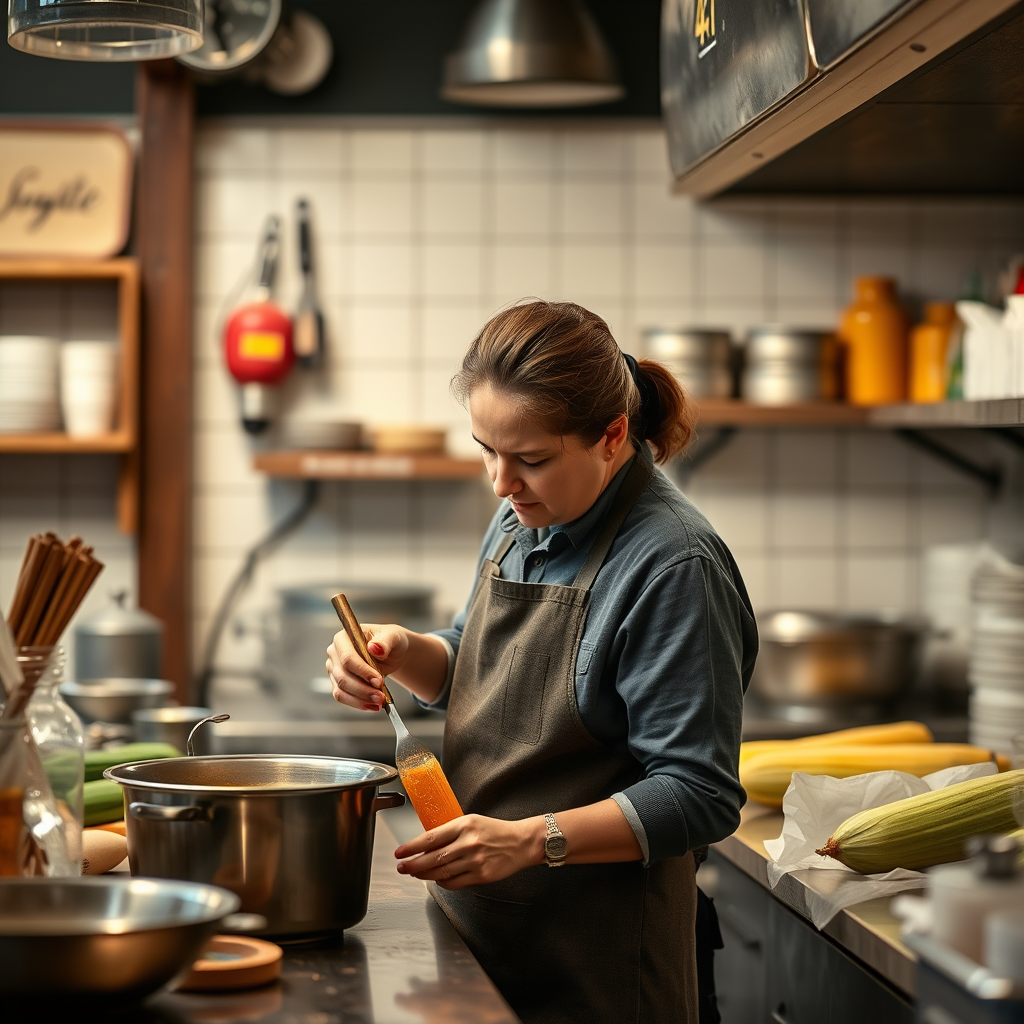
This guide offers a comprehensive, step-by-step protocol for making corn cob jelly, detailing ingredient measurements, cooking times, and canning techniques. However, it does not delve into alternative jelly recipes or general canning methods unrelated to corn cob jelly. Designed for home cooks familiar with basic kitchen practices, this guide aims to illuminate the specific nuances of making corn cob jelly. Readers seeking advanced canning techniques or non-jelly corn cob recipes may find limited relevance here.
Who Should Read This
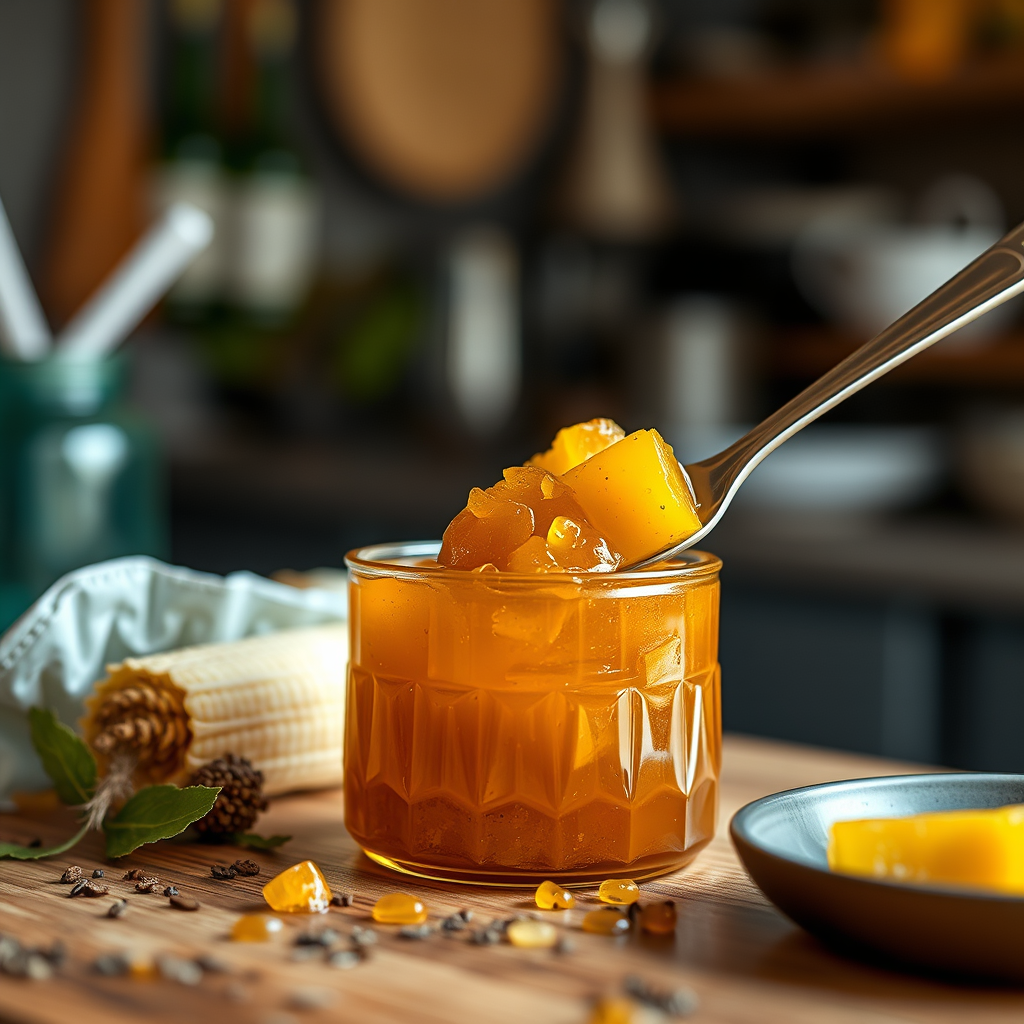
This guide is tailored for home cooks and food enthusiasts eager to explore unique jelly recipes and make effective use of corn cobs. It’s best suited for individuals with a foundational knowledge of cooking and some canning experience, as it presumes familiarity with kitchen tools and terminology such as “sterilization” and “water bath canning.” Those interested in preserving seasonal produce or pursuing sustainable cooking methods will find value in learning how to make corn cob jelly. Beginners who are unfamiliar with canning may want to seek additional introductory resources before attempting this recipe.
The Step-by-Step Protocol
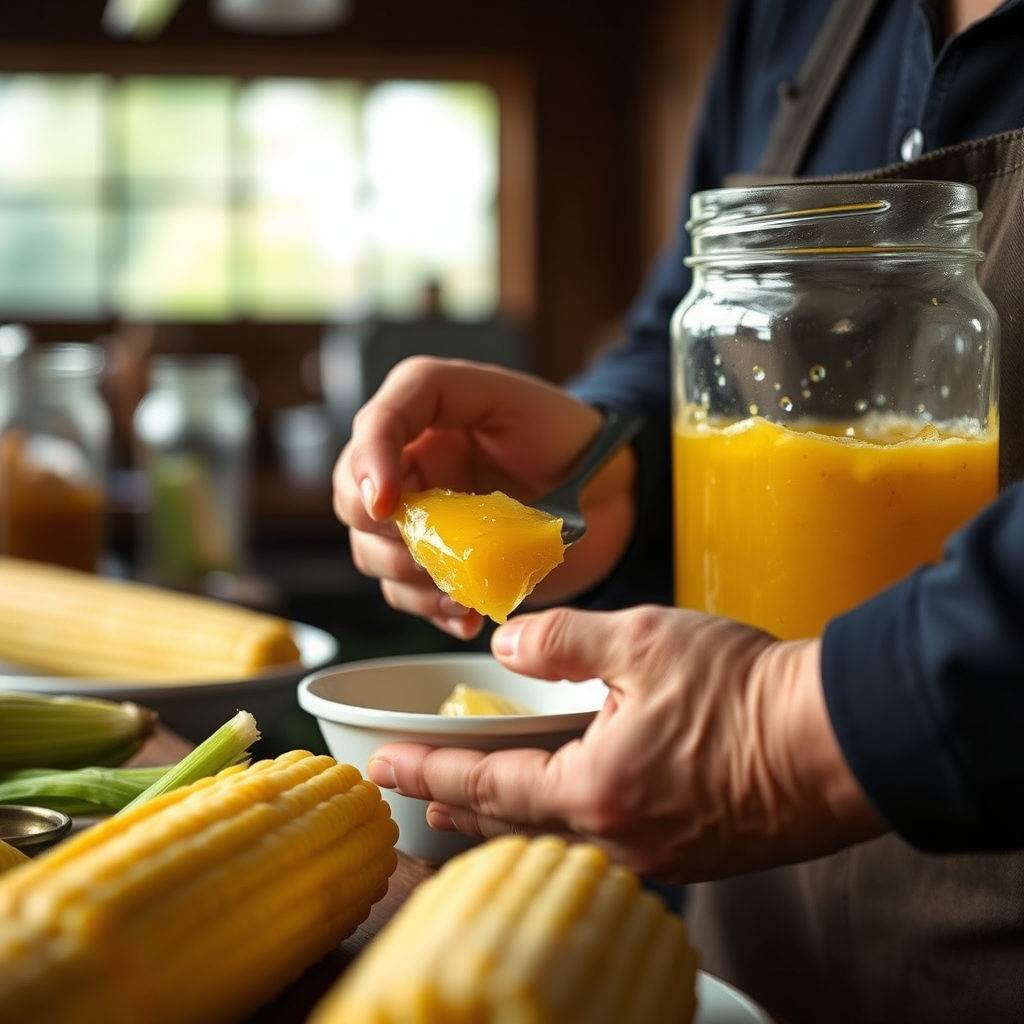
1. Gather Ingredients and Equipment: Collect 8-10 fresh corn cobs, 4 cups of water, 1 package (1.75 oz) of fruit pectin, 5 cups of granulated sugar, and canning jars with lids.
2. Prepare the Corn Cobs: Cut the kernels off the cobs, then place the cobs in a large pot with 4 cups of water. Boil for 30 minutes to extract flavor and pectin.
3. Strain the Liquid: Remove the cobs from the pot and strain the liquid through a fine-mesh sieve or cheesecloth into a clean bowl. Measure out 3 cups of the liquid for jelly preparation.
4. Cook the Jelly Mixture: In a large pot, combine the 3 cups of corn cob liquid with the fruit pectin. Bring to a rolling boil while stirring constantly, then add the 5 cups of sugar all at once and stir until dissolved. Boil for 1-2 minutes until it reaches a jelly-like consistency.
5. Canning Process: Pour the hot jelly into sterilized jars, leaving 1/4-inch headspace. Wipe the rims clean, place the lids on, and process in a boiling water bath for 5-10 minutes depending on your altitude.
Nutritional Information for Corn Cob Jelly (per tablespoon)
| Nutrient | Amount | % Daily Value |
|---|---|---|
| Calories | 55 | 3% |
| Total Fat | 0g | 0% |
| Sodium | 0mg | 0% |
| Total Carbohydrates | 15g | 5% |
| Sugars | 12g | 24% |
| Protein | 0g | 0% |
| Vitamin C | 0% | 0% |
| Calcium | 0% | 0% |
| Iron | 0% | 0% |
Warning Signs: When Not to Follow This

– If you have an allergy to corn or any of the ingredients used in this recipe, it is crucial to avoid making corn cob jelly altogether.
– Avoid this process if you notice any mold, off-smells, or unusual colors in the corn cobs before starting, as these are clear signs of spoilage.
– If you lack proper canning equipment or are unfamiliar with safe canning practices, refrain from making this recipe to prevent food safety issues.
– Heed warnings from local health departments regarding food preservation safety; it is wise to hold off on making this jelly until those concerns are addressed.
The Most Common Mistakes (And Their Consequences)
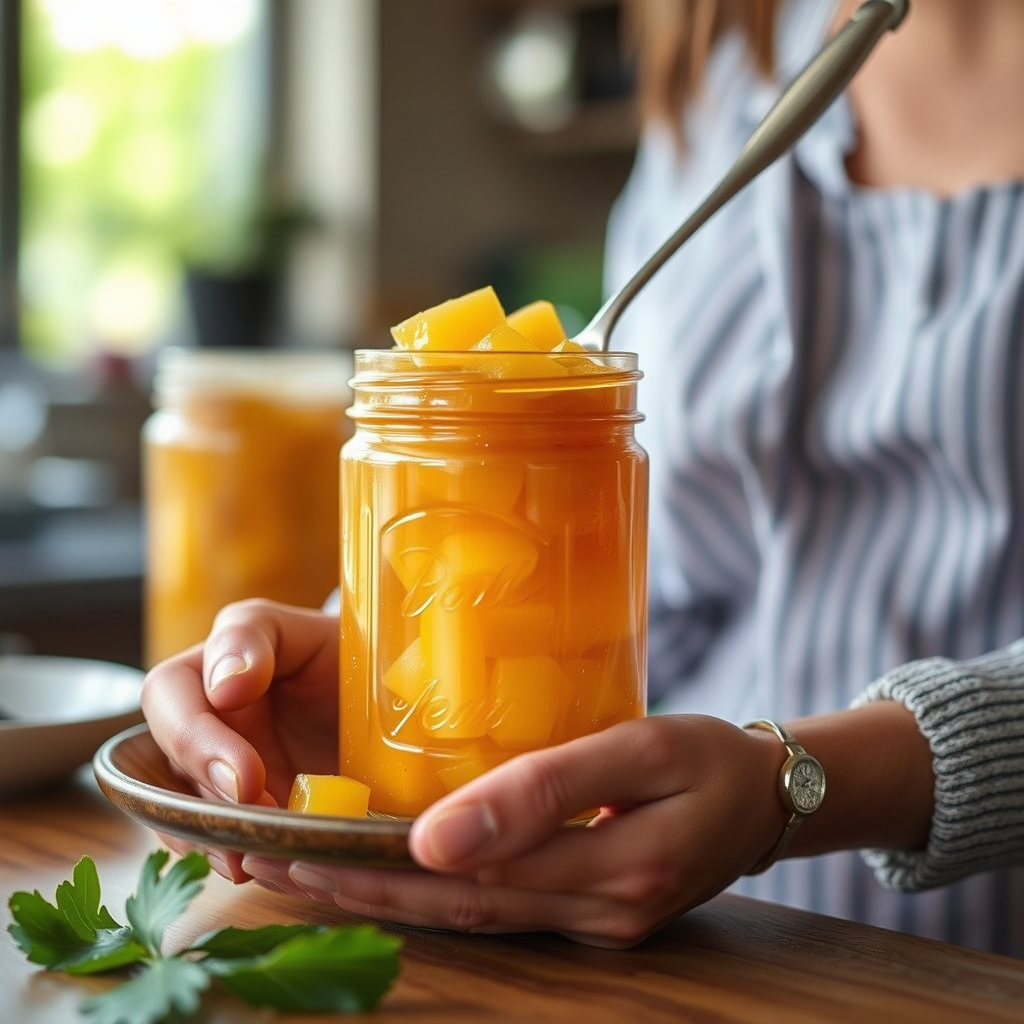
– Incorrect Measurements: Failing to accurately measure the corn cob liquid can lead to a jelly that doesn’t set properly, resulting in a syrupy texture instead of the desired firmness. This not only wastes ingredients but can jeopardize the recipe.
– Insufficient Boiling Time: Not boiling the jelly mixture long enough may hinder it from reaching the necessary temperature for proper gelling, potentially resulting in spoilage. A poorly set jelly is unappealing and can pose food safety risks.
– Improper Canning Technique: Skipping the sterilization of jars or neglecting the water bath canning process can introduce bacteria, leading to unsafe jelly and possible foodborne illness. Proper sterilization is essential to prevent contamination.
– Ignoring Headspace: Failing to leave adequate headspace in the jars can cause the jelly to overflow during processing, resulting in inadequate seals and spoilage. This oversight compromises the shelf life of your jelly and creates a mess in the canning pot.
Special Cases That Need a Different Approach
– When using frozen corn cobs, ensure they are thawed and well-drained before starting the jelly-making process to maintain the correct liquid ratios. The moisture content in frozen corn can differ, impacting the final product.
– For those with dietary restrictions, consider natural sweeteners or pectins that align with specific needs, but be aware that this may alter the jelly’s setting properties. Always test small batches to ensure satisfactory results.
– In high-altitude regions, adjust processing times by increasing them to ensure proper sealing and safety, typically adding 5 minutes for every 1,000 feet above sea level. This adjustment is critical for safe preservation.
– If using heirloom varieties of corn, be prepared for variations in sweetness and pectin levels, which may necessitate adjustments in sugar or pectin amounts. Familiarize yourself with the specific characteristics of the corn variety you are using.
When You Need a Professional
– If you are unfamiliar with the canning process or have never canned before, it is advisable to consult with a local extension office or food preservation expert before attempting to make corn cob jelly. They can offer valuable insights and ensure safety.
– Individuals with specific health concerns, such as compromised immune systems or allergies, should seek advice from a registered dietitian or food safety professional to ensure the recipe aligns with their health needs. Prioritizing food safety is essential.
– Should you encounter issues with the jelly not setting after following the recipe, discussing your process with an expert can help troubleshoot potential errors before you attempt it again. Proper guidance can save time and resources.
– In the event of foodborne illness or spoilage, contacting a healthcare provider or local health department for guidance is imperative. Acting swiftly can prevent more severe health issues.
Sources and Further Reading
– “So Easy to Preserve” by the University of Georgia Cooperative Extension, which provides guidelines on safe canning practices.
– The National Center for Home Food Preservation website, offering detailed resources on canning methods, including fruit preserves.
– The USDA Complete Guide to Home Canning, a comprehensive reference for safe food preservation techniques.
– Articles from respected food safety authorities on the importance of pectin and sugar ratios in jelly making, available through culinary journals and food science publications.
By following this expert guide, you can safely and effectively create a delightful corn cob jelly that utilizes every part of the corn, showcasing a unique flavor. Enjoy the process and relish the fruits of your labor, all while practicing safe food preservation techniques.
Frequently Asked Questions
What are the main ingredients needed for a corn cob jelly recipe?
To make corn cob jelly, you will need fresh corn cobs, sugar, apple juice, lemon juice, and pectin. The corn cobs provide natural sweetness and flavor, while the apple juice enhances the jelly’s taste and acidity, ensuring a successful gel with the help of pectin.
How do you prepare corn cobs for making jelly?
Start by stripping the kernels off the corn cobs, but don’t discard the cobs themselves. Boil the cobs in water for about 30 minutes to extract the flavor, then strain the liquid to use as the base for your jelly. This process maximizes the corn flavor and ensures a rich jelly.
Why is pectin important in making corn cob jelly?
Pectin is a natural thickening agent that helps the jelly set by forming a gel-like consistency. Without pectin, your corn cob jelly may remain runny and not achieve the desired texture. It’s essential to follow the recommended amounts of pectin in your recipe for the best results.
What is the best way to store corn cob jelly after making it?
After preparing corn cob jelly, store it in sterilized glass jars with tight-fitting lids. Keep the jars in a cool, dark place, and the jelly can last for up to a year if properly sealed. Once opened, refrigerate the jelly and consume it within a few weeks for the best flavor and freshness.
Which recipes can I use corn cob jelly in for maximum flavor?
Corn cob jelly pairs wonderfully with both sweet and savory dishes. Use it as a spread on toast or biscuits, drizzle it over cheese platters, or glaze meats like chicken and pork for an added layer of flavor. Its unique taste makes it a versatile condiment in many recipes.
References
- Maize
https://en.wikipedia.org/wiki/Corn - https://www.sciencedirect.com/topics/agricultural-and-biological-sciences/corn
https://www.sciencedirect.com/topics/agricultural-and-biological-sciences/corn - Google Scholar Google Scholar
https://scholar.google.com/scholar?q=corn+cob+jelly+recipe - https://pubmed.ncbi.nlm.nih.gov/
https://pubmed.ncbi.nlm.nih.gov/ - https://www.britannica.com/plant/corn
https://www.britannica.com/plant/corn - HMA/EMA medicines shortages guidance released – PMC
https://www.ncbi.nlm.nih.gov/pmc/articles/PMC6788263/ - Google Scholar Google Scholar
https://scholar.google.com/scholar?q=jelly+recipes+using+corn+cobs - FoodSafety.gov
https://www.foodsafety.gov/ - https://www.nal.usda.gov/legacy/legacy/food-safety
https://www.nal.usda.gov/legacy/legacy/food-safety - https://www.nature.com/articles/npjscifood201722
https://www.nature.com/articles/npjscifood201722