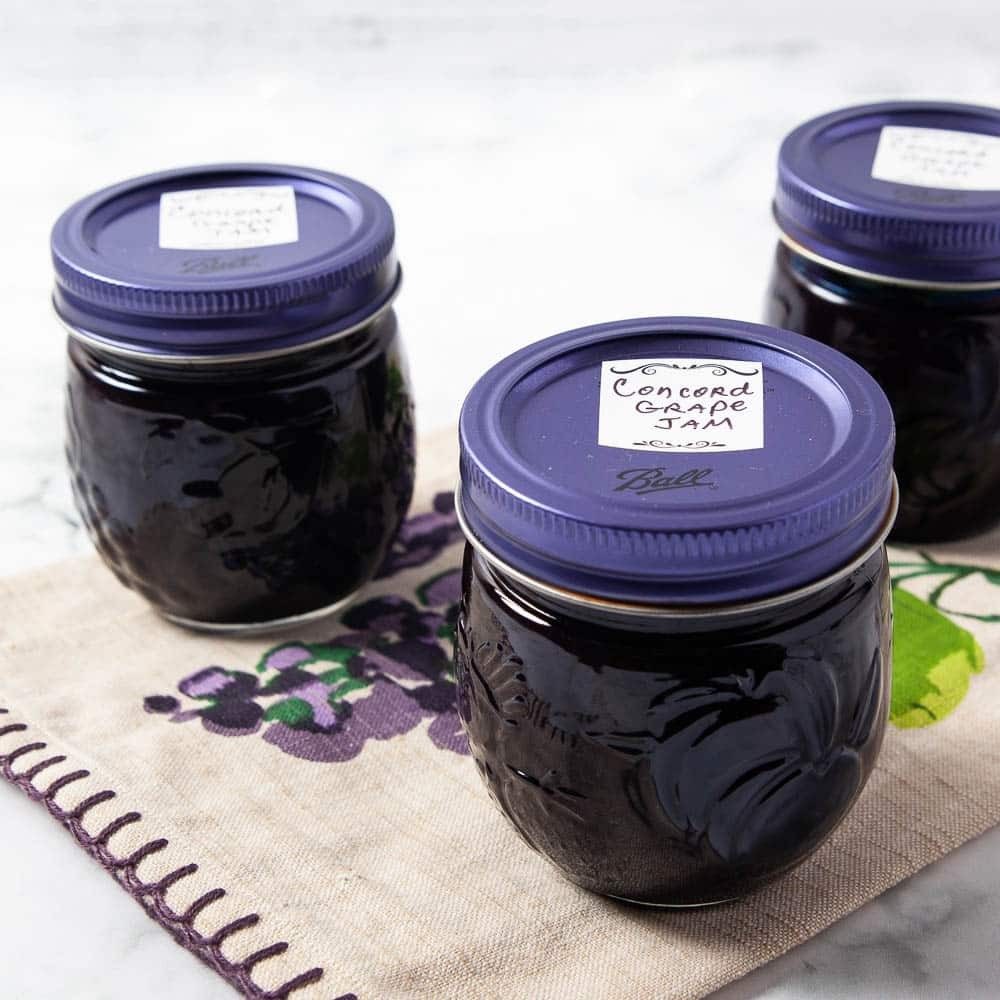
Master the art of crafting Concord grape jam with our expert protocol, designed for both novice and seasoned canners. This comprehensive guide covers every step, from selecting the best grapes to ensuring safe preservation techniques. Following the right methods is crucial to achieving the perfect texture and flavor while prioritizing food safety. Dive in to transform your kitchen into a jam-making haven.
What This Guide Covers (And What It Doesn’t)

This guide is your definitive resource for making concord grape jam, offering precise ingredients, measurements, and techniques that ensure a safe and delicious outcome. You’ll find a comprehensive step-by-step protocol aimed at producing optimal results, along with vital warnings and common pitfalls to avoid. While this guide focuses strictly on concord grape jam, it does not address other fruit jams or alternative preservation methods like freezing or canning different varieties. It is crafted for home cooks with basic kitchen skills who aspire to create homemade concord grape jam without delving into commercial production or advanced canning techniques.
Who Should Read This
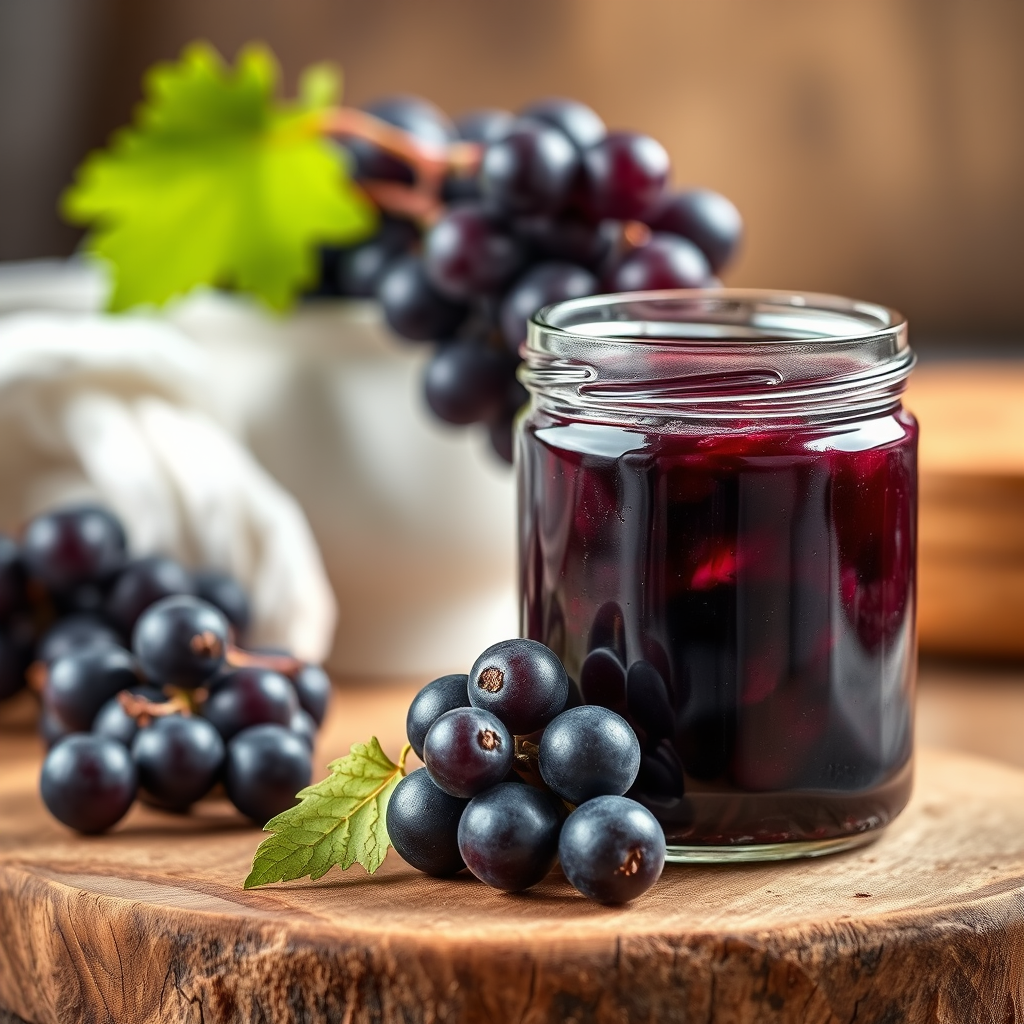
Home canners and amateur chefs eager to refine their skills in fruit preserves, particularly with concord grapes, will find this guide invaluable. A foundational understanding of kitchen safety, including basic knife skills and familiarity with standard canning tools such as jars, lids, and water baths, is essential. However, this guide may not be suitable for individuals with specific dietary restrictions regarding sugar or pectin, as these ingredients are integral to the recipe in standard quantities.
The Step-by-Step Protocol
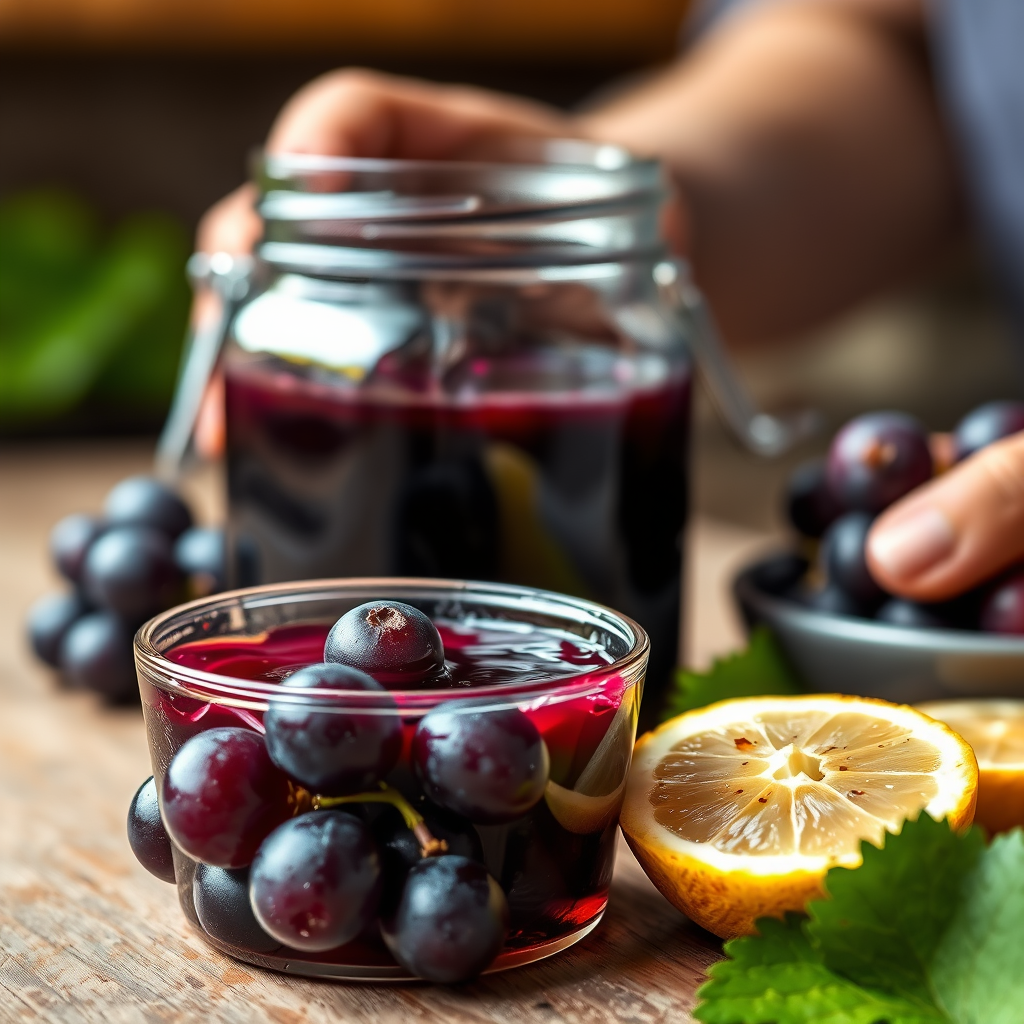
1. Gather Ingredients: You will need 3 pounds of fresh concord grapes, 1 cup of granulated sugar, 1/4 cup of lemon juice, and 1 packet (1.75 ounces) of fruit pectin. Ensure that all ingredients are fresh and free from any signs of spoilage.
2. Prepare the Grapes: Thoroughly wash the grapes under cold water to eliminate dirt and pesticide residues. Remove stems and any damaged grapes. Crush the grapes in a large bowl or pot using a potato masher or your hands to release as much juice as possible.
3. Cook the Mixture: In a large pot over medium heat, combine the crushed grapes, sugar, and lemon juice. Stir constantly until the mixture reaches a simmer, which should take about 5-10 minutes. Keep an eye on the heat to avoid scorching the mixture.
4. Add Pectin: Once simmering, stir in the fruit pectin and bring the mixture to a rolling boil. Boil for 1-2 minutes while stirring constantly to prevent burning. The mixture should bubble vigorously during this time.
5. Test for Gel Point: To determine if the jam has reached the proper gel point, drop a small spoonful onto a cold plate. Allow it to sit for a few seconds, then push it with your finger. If the jam wrinkles and holds its shape, it is ready for canning. If it remains runny, continue boiling for another minute and test again.
6. Jar and Process: Carefully pour the hot jam into sterilized jars, leaving 1/4-inch headspace at the top. Wipe the rims of the jars with a clean cloth to remove any residue. Seal with lids and process in a boiling water bath for 10 minutes to ensure preservation and prevent spoilage.
7. Cool and Store: Remove the jars from the water bath and allow them to cool completely at room temperature. Check the seals by pressing down in the center of each lid; if it pops back, the jar did not seal properly. Store sealed jars in a cool, dark place for up to 1 year.
Warning Signs: When Not to Follow This
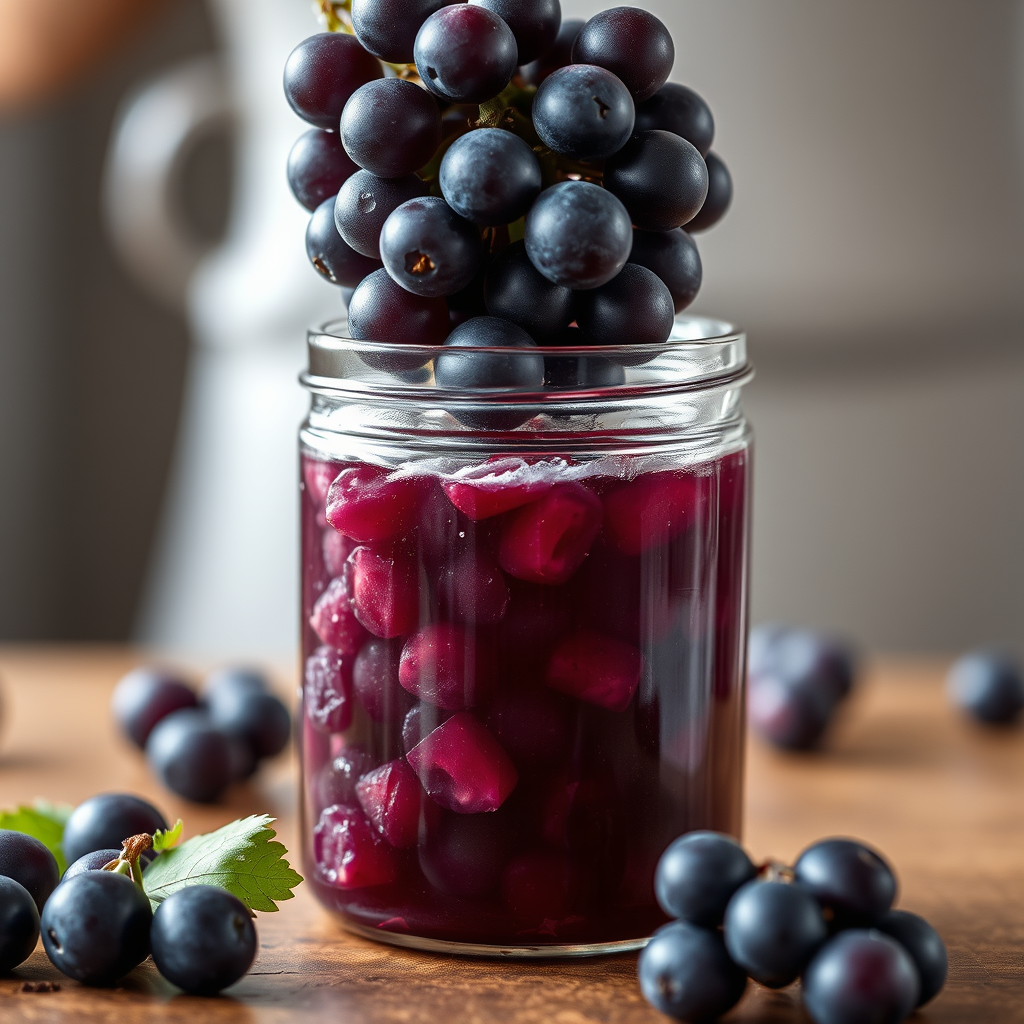
– Do not use concord grapes that show signs of mold, fermentation, or significant bruising, as they can compromise the safety and quality of the jam.
– Avoid making this jam if you are allergic to any of the ingredients, particularly if you have a known sensitivity to pectin or citrus.
– If you lack proper canning equipment or a solid understanding of food safety practices, do not attempt this recipe, as improper canning can lead to foodborne illness.
The Most Common Mistakes (And Their Consequences)
– Failing to Measure Sugar Accurately: Sugar is crucial for both flavor and gel formation. An incorrect measurement can lead to jam that does not set properly, resulting in a syrupy consistency instead of a thick spread.
– Skipping the Boiling Water Bath: Neglecting this step can result in spoilage and the growth of harmful bacteria, as the jam requires proper sealing to last. Always adhere to the specified processing times.
– Not Testing for the Gel Point: Skipping this critical step risks overcooking the jam, yielding a texture that is too thick, or undercooking it, resulting in a runny product that will spoil quickly.
Special Cases That Need a Different Approach
– Using Frozen Concord Grapes: If you choose to use frozen grapes, ensure they are completely thawed and drained before starting the recipe. Excess moisture can dilute the jam and affect the final consistency.
– Lower-Sugar Options: For those who prefer a lower-sugar alternative, consider using a sugar substitute specifically designed for canning, such as sucralose or erythritol. However, be aware that this may alter the jam’s texture and preservation qualities.
– Organic Grapes: When using organic grapes, exercise caution regarding varying pectin levels. Organic fruit often has lower pectin content, so consider testing for the gel point more frequently to achieve the desired texture.
When You Need a Professional
– If you are unsure about the safety of your canning equipment or processes, it is advisable to consult a food safety expert or local extension office before proceeding. They can provide guidance tailored to your specific situation.
– Individuals with severe allergies or health conditions that could be impacted by homemade preserves should seek advice from a registered dietitian or healthcare provider before consuming homemade jams.
– If your completed jars do not seal properly after processing, do not consume the product. Instead, consult a canning expert for advice on safe disposal methods to avoid foodborne illness.
Sources and Further Reading
– National Center for Home Food Preservation: Offers comprehensive guidelines on safe canning practices and preserving fruit jams.
– “The Ball Book of Canning and Preserving”: A trusted resource for home canners, providing detailed recipes and safety protocols.
– University Extension Services: Various university programs provide research-based information on food preservation methods and safety standards.
By following this guide, you can ensure a successful and safe experience in making concord grape jam, allowing you to savor the rich flavor of this fruit throughout the year.
Frequently Asked Questions
What ingredients do I need for a concord grape jam recipe?
To make a delicious concord grape jam, you will need fresh concord grapes, granulated sugar, lemon juice, and pectin. Each ingredient plays a vital role: the grapes provide the base flavor, sugar adds sweetness, lemon juice balances the taste, and pectin helps the jam set properly.
How do I prepare concord grapes for making jam?
To prepare concord grapes for jam, first wash the grapes thoroughly to remove any dirt. Then, remove the stems and crush the grapes to release their juices. You can use a potato masher or food processor for this step, ensuring that you capture the rich flavor essential for a successful concord grape jam recipe.
Why is lemon juice important in a concord grape jam recipe?
Lemon juice is crucial in a concord grape jam recipe as it adds acidity, which helps to balance the sweetness of the grapes and sugar. Additionally, the acid in lemon juice aids the gelling process when combined with pectin, ensuring that your jam sets properly and has the right texture.
What is the best method for canning concord grape jam?
The best method for canning concord grape jam involves sterilizing your jars and lids before filling them with hot jam. After filling, process the jars in a boiling water bath for about 5-10 minutes to create a vacuum seal, which helps preserve the jam and extends its shelf life while maintaining its flavor and freshness.
Which type of pectin should I use for concord grape jam?
For concord grape jam, you can use either liquid or powdered pectin, depending on your preference and the recipe you are following. Both types work well, but make sure to follow the specific instructions on the pectin package to achieve the best results in terms of texture and consistency in your homemade jam.
References
- https://en.wikipedia.org/wiki/Concord_grape
https://en.wikipedia.org/wiki/Concord_grape - https://www.ncbi.nlm.nih.gov/pmc/articles/PMC6416335/
https://www.ncbi.nlm.nih.gov/pmc/articles/PMC6416335/ - https://scholar.google.com/scholar?q=concord+grape+jam+recipe Google Scholar
https://scholar.google.com/scholar?q=concord+grape+jam+recipe - https://www.foodnetwork.com/recipes/articles/what-is-a-concord-grape
https://www.foodnetwork.com/recipes/articles/what-is-a-concord-grape - https://scholar.google.com/scholar?q=concord+grape+preservation+techniques Google Scholar
https://scholar.google.com/scholar?q=concord+grape+preservation+techniques - https://www.oregon.gov/oha/PHD/pages/recipes/concord-grape-jam.aspx
https://www.oregon.gov/oha/PHD/pages/recipes/concord-grape-jam.aspx - https://www.sciencedirect.com/topics/agricultural-and-biological-sciences/concord-grape
https://www.sciencedirect.com/topics/agricultural-and-biological-sciences/concord-grape - https://www.bhg.com/recipe/concord-grape-jam/
https://www.bhg.com/recipe/concord-grape-jam/ - https://www.thekitchn.com/how-to-make-concord-grape-jam-139356
https://www.thekitchn.com/how-to-make-concord-grape-jam-139356 - https://www.ars.usda.gov/ARSUserFiles/np/ConcordGrape.pdf
https://www.ars.usda.gov/ARSUserFiles/np/ConcordGrape.pdf