Learn how to craft delicious Christmas jams and preserves with expert guidance that ensures both flavor and safety. This comprehensive guide covers essential recipes and proper canning protocols, empowering you to create festive treats that last. Following the right methods is crucial to avoid spoilage and ensure a delightful experience for your holiday gatherings. Dive into the art of preserving seasonal fruits and spices for unforgettable homemade gifts and family traditions.
What This Guide Covers (And What It Doesn’t)
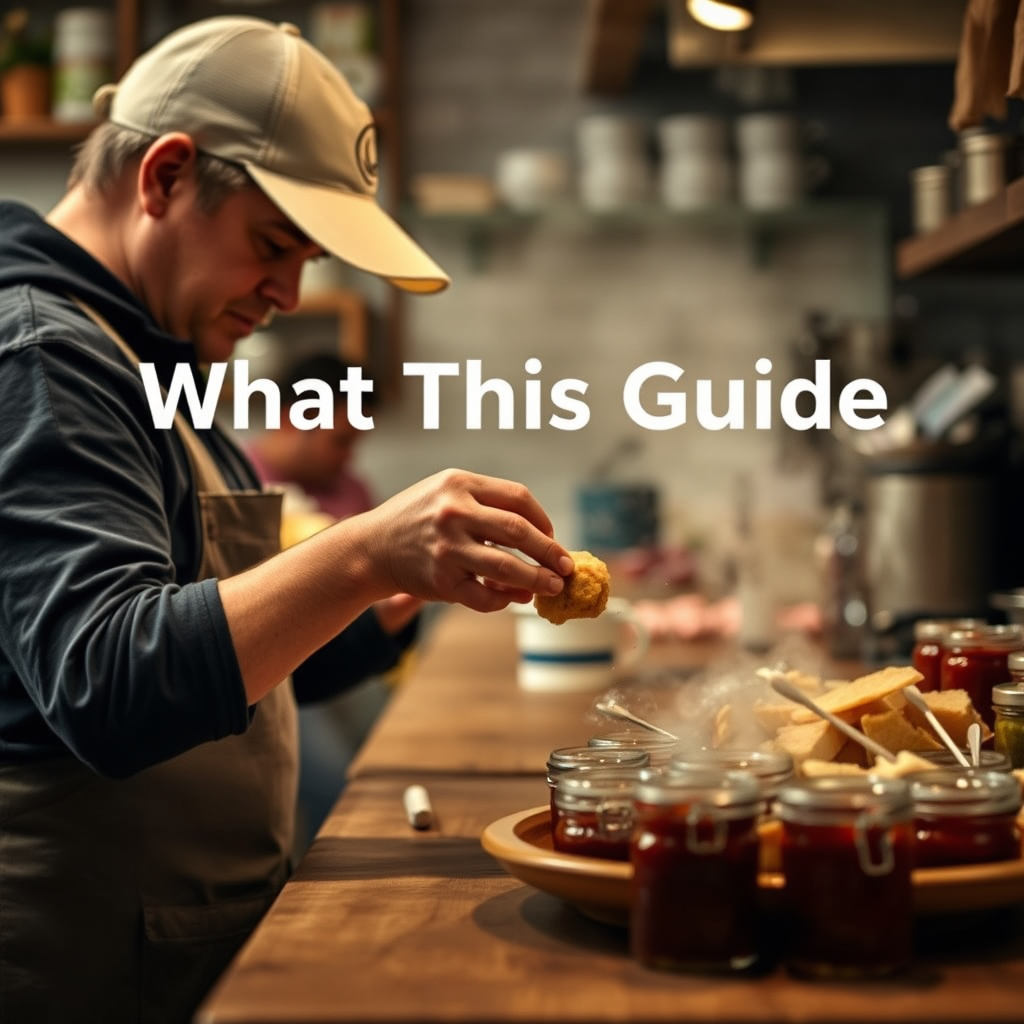
This guide offers a treasure trove of recipes for crafting Christmas jams and preserves, featuring seasonal fruits like cranberries, apples, and festive spices. These recipes promise to elevate your holiday gatherings with delightful flavors. You will find step-by-step instructions on safe canning methods, including how to sterilize jars and seal them correctly to prevent spoilage. While it’s tailored for home cooks eager to create heartfelt gifts for the holiday season, it does not delve into non-Christmas jams or canning techniques beyond the traditional methods. Nutritional values and commercial products are also outside the scope, allowing a focused approach on homemade preparations.
Who Should Read This
This guide is perfect for home cooks who possess a basic understanding of canning and preserving, particularly those keen on crafting festive gifts or treats for Christmas. It also appeals to individuals eager to make the most of seasonal produce and experiment with unique flavor combinations suitable for holiday celebrations. However, complete novices may find some technical details daunting; prior experience with basic kitchen skills will be advantageous. This guide is not intended for professional chefs or those seeking advanced preservation techniques that extend beyond traditional Christmas recipes.
The Step-by-Step Protocol
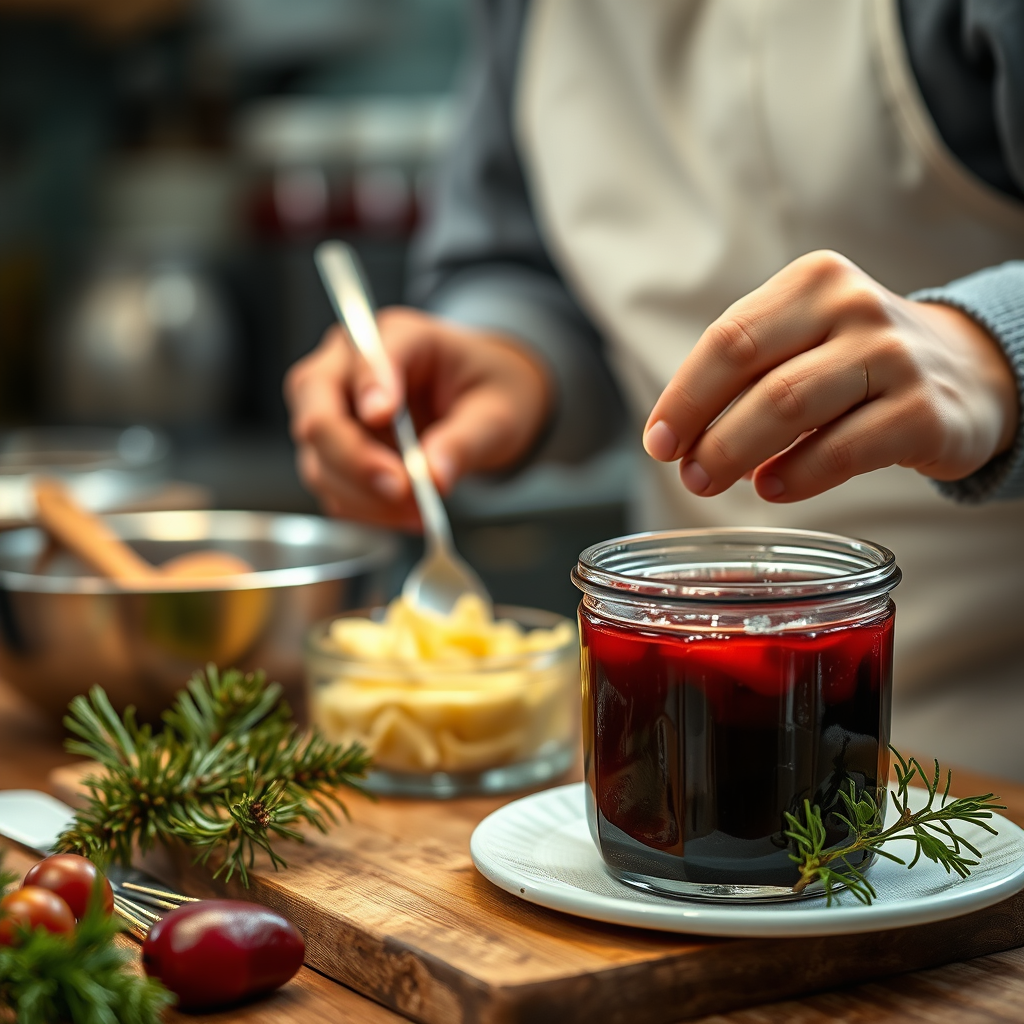
1. Select Your Ingredients: Choose fresh, seasonal fruits such as cranberries, figs, or spiced apples, ensuring they are ripe and blemish-free. Aim for about 2-3 pounds of fruit for a standard batch. If you plan to use spices, opt for whole spices like cinnamon sticks or star anise to enhance the flavor.
2. Prepare Your Equipment: Begin by sterilizing jars by boiling them in water for at least 10 minutes. Gather essential tools, including a water bath canner, jar lifter, and ladle. A canning funnel will help you fill jars neatly and without mess.
3. Make the Jam or Preserve: In a large pot, cook the fruit with sugar (typically in a 1:1 ratio) and lemon juice (1/4 cup per pound of fruit) over medium heat. Stir frequently until the mixture reaches a rolling boil and thickens, which should take approximately 10-20 minutes. To check for doneness, place a spoonful on a cold plate and let it sit for a minute; if it holds its shape, it’s ready.
4. Canning Process: Fill the sterilized jars with hot jam, leaving a 1/4-inch headspace. Wipe the rims with a clean cloth to remove any residue, place the lids on, and process the jars in a boiling water bath for 5-10 minutes, depending on your altitude. Adjust the processing time according to your local altitude; for every 1,000 feet above sea level, increase the processing time by 1-2 minutes.
5. Cooling and Storage: After processing, carefully remove the jars from the water bath using a jar lifter and place them on a clean towel or cooling rack. Allow them to cool completely for 12-24 hours. Once cooled, check the seals by pressing down in the center of the lid; it should not pop back. Store the sealed jars in a cool, dark place.
Warning Signs: When Not to Follow This
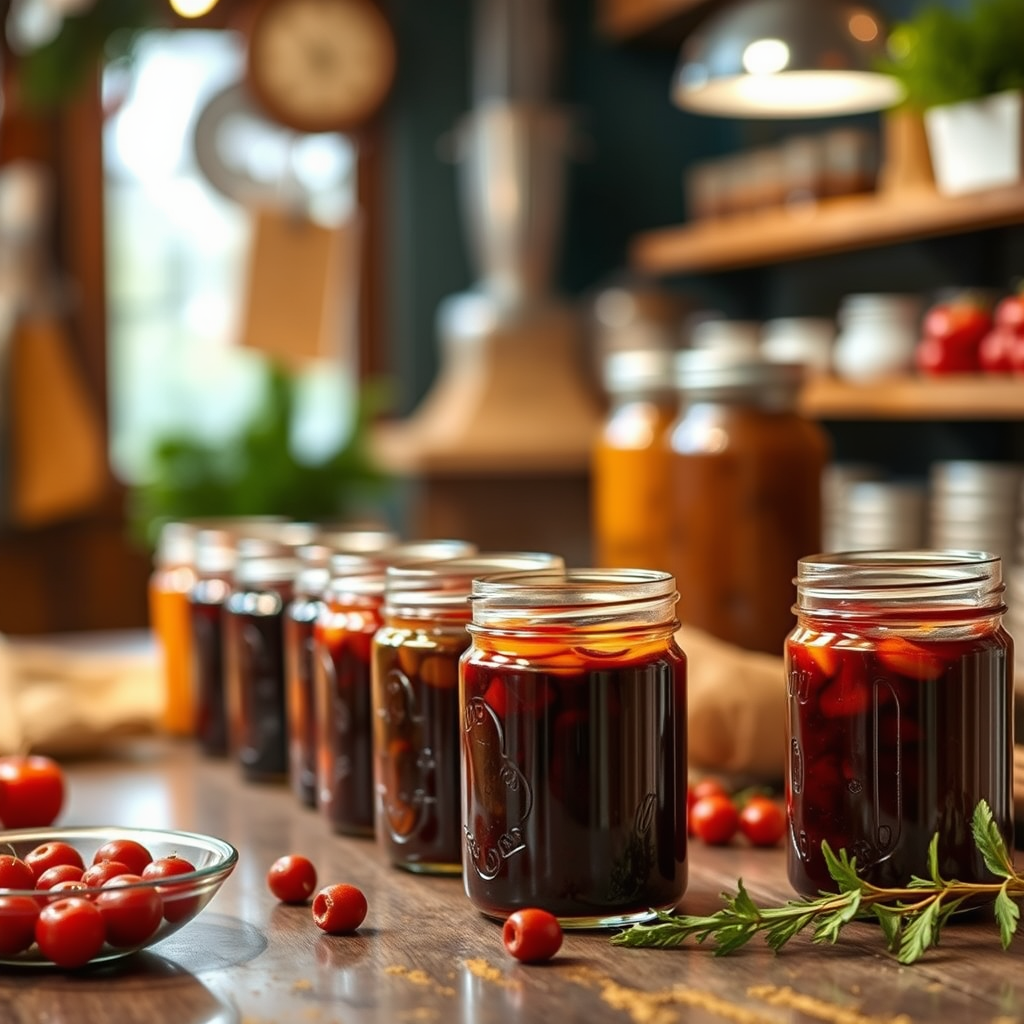
– Avoid making jams if you notice any spoilage or mold on the fruit; using compromised ingredients can lead to unsafe preserves.
– If you lack the proper equipment, such as a reliable water bath canner or sterilized jars, do not attempt to can the jam, as this increases the risk of bacterial growth.
– Do not proceed if you are unfamiliar with basic canning techniques or lack access to accurate pH testing; jams with insufficient acidity can pose food safety risks.
– If you have allergies or sensitivities to any ingredients listed in the recipes, refrain from using those particular fruits or spices.
The Most Common Mistakes (And Their Consequences)
– A frequent mistake is using insufficient sugar, which can prevent the jam from setting properly and result in a runny consistency; always adhere to recommended sugar ratios for optimal results.
– Overfilling jars can lead to improper sealing, causing spoilage; maintain the recommended headspace to ensure effective vacuum sealing.
– Failing to process jars accurately in boiling water can lead to botulism; ensure that jars are processed for the correct duration based on altitude.
– Neglecting to check for proper sealing after canning (jars should not pop when pressed in the center) may result in undiscovered spoilage; always perform a seal check before storage.
Special Cases That Need a Different Approach
– Low-sugar or no-sugar jams require specific pectin types that set differently; follow package instructions closely for these variations, as they differ significantly from traditional methods.
– If using frozen fruit, thaw and drain excess liquid to prevent overly watery jams; adjust sugar content based on the natural sweetness of the thawed fruit.
– For those living at high altitudes, adjust processing times and temperatures as necessary, often needing an increase of 1-2 minutes per 1,000 feet above sea level.
– If you wish to infuse flavors (such as herbs or spices), consider a cold infusion method before processing, which necessitates a different preparation step than standard recipes.
When You Need a Professional
– If you are uncertain about the acidity of your fruit, particularly low-acid varieties like figs, consult a food preservation expert to ensure safety in your recipes.
– Should you observe any signs of spoilage or botulism, such as bulging lids or off-smells upon opening jars, discard the contents immediately and seek advice from a food safety professional.
– When significantly altering traditional recipes (for example, drastically substituting ingredients), seek guidance from a certified expert to ensure the new recipe adheres to safety standards.
– For large-scale canning projects intended for sale or gifting beyond family and friends, consult a food safety specialist to ensure compliance with local food safety regulations.
Sources and Further Reading
– National Center for Home Food Preservation: Provides research-based guidelines on safe canning practices and specific recipes for jams and preserves.
– USDA Complete Guide to Home Canning: Offers detailed techniques and processing times necessary for safe home canning.
– Ball Canning: Features a variety of tested recipes and resources for home canning, including seasonal fruit jams for Christmas.
– “The Joy of Home Canning” by the USDA: A comprehensive guide that outlines safe canning methods, including troubleshooting tips and seasonal recipes.
By following this guide, you will gain the skills to create delightful Christmas jams and preserves that capture the essence of the season while ensuring safety in your canning practices. Embrace the process, and share the joy of homemade treats with your loved ones this holiday season.
Frequently Asked Questions
What are some popular Christmas jams and preserves recipes?
Popular Christmas jams and preserves recipes include spiced cranberry-orange jam, festive apple-cinnamon preserves, and gingerbread pear jam. These recipes often incorporate seasonal spices like cinnamon and nutmeg, making them perfect for holiday gifting or enhancing your festive breakfast table.
How can I make my Christmas jams and preserves more flavorful?
To enhance the flavor of your Christmas jams and preserves, consider adding spices such as cloves, ginger, or allspice, and using fresh citrus zest. Additionally, letting the jam sit for a day or two after cooking allows the flavors to meld, resulting in a richer taste.
Why do my Christmas jams and preserves not set properly?
If your Christmas jams and preserves are not setting properly, it could be due to insufficient pectin or not cooking the mixture long enough to reach the desired temperature. Always follow the recipe’s recommended cooking time and consider adding commercial pectin or using fruits high in natural pectin, like apples or citrus.
What are the best fruits to use for Christmas jams and preserves?
The best fruits for Christmas jams and preserves include cranberries, apples, pears, and citrus fruits like oranges and lemons. These fruits not only bring vibrant flavors but also pair well with traditional holiday spices, creating a festive and delicious spread.
Which jars are best for storing Christmas jams and preserves?
For storing Christmas jams and preserves, glass mason jars with airtight lids are the best choice as they provide a tight seal, preserving freshness. Make sure to use sterilized jars to prevent contamination and ensure the longevity of your homemade preserves.
References
- Fruit preserves
https://en.wikipedia.org/wiki/Jam - https://www.sciencedirect.com/topics/food-science/jam
https://www.sciencedirect.com/topics/food-science/jam - https://www.bbc.co.uk/food/recipes/jam
https://www.bbc.co.uk/food/recipes/jam - https://www.nytimes.com/2020/12/16/dining/christmas-jam-recipe.html
https://www.nytimes.com/2020/12/16/dining/christmas-jam-recipe.html - https://www.verywellfit.com/how-to-make-jam-2506982
https://www.verywellfit.com/how-to-make-jam-2506982 - https://www.ncbi.nlm.nih.gov/pmc/articles/PMC5001966/
https://www.ncbi.nlm.nih.gov/pmc/articles/PMC5001966/ - Google Scholar Google Scholar
https://scholar.google.com/scholar?q=christmas+jams+and+preserves+recipes - Google Scholar Google Scholar
https://scholar.google.com/scholar?q=jam+preservation+techniques - Google Scholar Google Scholar
https://scholar.google.com/scholar?q=fruit+preserves+recipes - https://www.britannica.com/topic/jam
https://www.britannica.com/topic/jam