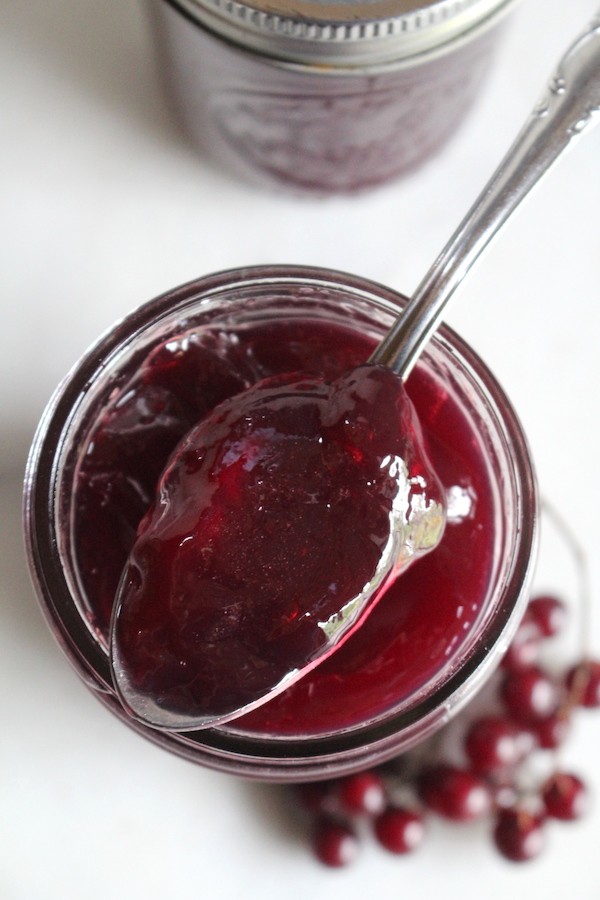
Master the art of making chokecherry jelly jam with this comprehensive guide, designed for food preservation enthusiasts seeking expert advice. This protocol covers everything from selecting ripe chokecherries to the crucial steps for safe canning practices, ensuring your homemade jelly is both delicious and free from foodborne risks. Following these guidelines not only enhances flavor but also guarantees the safety of your preserves for long-term enjoyment.
What This Guide Covers (And What It Doesn’t)
This guide presents a thorough, step-by-step protocol for safely making chokecherry jelly jam. You’ll find specific ingredient quantities, essential equipment, and important safety precautions. However, it does not delve into other types of fruit preserves or jelly-making techniques unrelated to chokecherries, nor does it discuss the nutritional aspects of chokecherry jelly. Designed for home canners familiar with basic canning principles, this guide offers detailed instructions tailored to chokecherries.
Who Should Read This

Home cooks and food enthusiasts eager to learn how to make chokecherry jelly jam safely and effectively will find this guide invaluable. It is particularly suited for those with a basic understanding of canning who have access to fresh chokecherries and wish to preserve seasonal fruit for future enjoyment. However, beginners without prior experience in food preservation or those unfamiliar with the canning process may find it challenging.
The Step-by-Step Protocol
1. Gather Ingredients and Equipment:
– You will need 4 cups of ripe chokecherries, 1 cup of water, 1 package (1.75 oz) of fruit pectin (such as Sure-Jell), and 5 cups of granulated sugar.
– Prepare a water bath canner, sterilized jars, and lids for the sealing process. Ensure you have a large pot for cooking the jelly and a fine mesh strainer or cheesecloth for straining the juice.
2. Prepare the Chokecherries:
– Rinse the chokecherries under cold water, remove stems and any leaves, and crush them lightly to release their juices. A potato masher or similar tool works well for this.
– Combine the crushed chokecherries and water in a large pot and simmer for approximately 15 minutes. This crucial step helps extract the juice necessary for the jelly.
3. Strain the Juice:
– Use a fine mesh strainer or cheesecloth to strain the mixture, collecting the juice in a clean bowl. You should have about 4 cups of chokecherry juice after straining.
– Discard the solids, ensuring the juice is free of pulp for a smooth jelly consistency. This step is essential for achieving the desired texture of your jelly.
4. Cook the Jelly:
– In a clean pot, combine the chokecherry juice and fruit pectin. Bring the mixture to a boil over medium heat, stirring constantly to prevent burning.
– Once boiling, add the sugar all at once, stirring until completely dissolved. Return to a rolling boil for 1-2 minutes until the mixture thickens. A rolling boil is characterized by vigorous bubbling that cannot be stirred down.
5. Canning Process:
– Pour the hot jelly into sterilized jars, leaving a 1/4 inch headspace. Wipe the rims with a clean cloth to remove any residue before sealing with lids.
– Process the jars in a boiling water bath for 5-10 minutes, depending on your altitude. At higher elevations, you may need to increase processing time to ensure a proper seal and safety.
Chokecherry Jelly Jam Making Process Overview
| # | Ingredient/Step | Quantity/Time | Purpose |
|---|---|---|---|
| 1 | Chokecherries | 4 cups | Main ingredient for jelly |
| 2 | Water | 1 cup | To extract juice |
| 3 | Fruit Pectin | 1 package (1.75 oz) | To aid in gel formation |
| 4 | Granulated Sugar | 5 cups | For sweetness and preservation |
| 5 | Boiling Water Bath | 5-10 minutes | To ensure proper sealing |
| 6 | Headspace in Jars | 1/4 inch | To allow for expansion |
| 7 | Straining Process | Approx. 15 minutes | To remove solids for smooth texture |
Warning Signs: When Not to Follow This
Be cautious if you notice any signs of spoilage in the chokecherries, such as mold or an off odor; in such cases, do not proceed with the recipe. Spoiled fruit can lead to foodborne illnesses. Additionally, avoid making jelly if you lack the necessary sterilization equipment or cannot maintain proper water bath canning temperatures, as inadequate sterilization can result in an unsafe product. Also, refrain from using untested pectin alternatives or substituting ingredients that could alter the acidity level, which is critical for the safety and preservation of the jelly.
The Most Common Mistakes (And Their Consequences)
Many users fail to measure the chokecherry juice accurately, leading to a jelly consistency that may not set properly. This often results in syrupy jelly instead of the desired firm texture. Neglecting the boiling water bath process can also compromise safety, making the jelly prone to spoilage and bacterial growth. It’s essential for ensuring a vacuum seal. Furthermore, not using the correct amount of sugar can affect preservation quality, potentially leading to fermentation or spoilage. Sugar serves as a preservative and influences the jelly’s gel structure.
Special Cases That Need a Different Approach
If you gather chokecherries from areas near roads or industrial sites, ensure they are thoroughly washed and consider discarding the outer skins to eliminate potential contaminants. Contaminated fruit can pose health risks. For those with dietary restrictions, exploring low-sugar pectin options is feasible, but adjustments to sugar levels may require testing for proper gel formation. Consult product instructions for specifics on low-sugar variations. Additionally, if you have allergies to common pectin ingredients, consider using a natural thickening agent like agar-agar, but be prepared to follow a different protocol that may require additional testing for consistency.
When You Need a Professional
If you are uncertain about the safety of your chokecherries due to possible contamination or pesticide exposure, consult a local agricultural expert or extension office for guidance on safe harvesting practices. If you encounter repeated failures in setting the jelly or have questions about canning techniques, consider reaching out to a certified food preservation specialist for tailored advice and troubleshooting strategies. For anyone with serious food allergies or health concerns regarding the ingredients, consulting a nutritionist or food safety expert before proceeding with the recipe is advisable. They can help assess the safety and suitability of the ingredients for your health needs.
Sources and Further Reading
– The National Center for Home Food Preservation provides science-based guidelines for safe home canning practices.
– “The Ball Book of Canning and Preserving” offers extensive recipes and techniques specifically for fruits like chokecherries.
– Local cooperative extension services often have resources tailored to regional fruit preservation, including chokecherry jelly recipes and safety tips.
By following this expert guide, you can confidently embark on your journey of creating delicious chokecherry jelly jam, ensuring safety and quality throughout the preservation process. Enjoy the fruits of your labor and savor the sweetness of seasonal preserves!
Frequently Asked Questions
What ingredients do I need for a chokecherry jelly jam recipe?
To make chokecherry jelly, you’ll need fresh chokecherries, sugar, lemon juice, and pectin. It’s important to use ripe chokecherries, as they provide the best flavor and color for your jelly. Be sure to have canning jars and lids ready for proper storage after cooking.
How do I prepare chokecherries for jelly making?
Start by rinsing the chokecherries thoroughly to remove any dirt. Then, remove the stems and crush the fruit to release the juices, which can be done with a potato masher or similar tool. This step is crucial as it maximizes the flavor extraction needed for a rich chokecherry jelly.
Why is pectin important in a chokecherry jelly recipe?
Pectin is a natural thickening agent that helps your chokecherry jelly achieve the desired consistency. Without pectin, the jelly may not set properly, resulting in a runny texture. Using either powdered or liquid pectin ensures that your jelly has the right firmness and gel-like quality.
What is the best method for canning chokecherry jelly?
The best method for canning chokecherry jelly is the water bath canning technique. After cooking and pouring the jelly into sterilized jars, process them in a boiling water bath for about 5-10 minutes to ensure they’re sealed properly and safe for long-term storage. This helps prevent spoilage and allows you to enjoy your homemade jelly year-round.
Which tools do I need for making chokecherry jelly at home?
Essential tools for making chokecherry jelly include a large pot for cooking the fruit, a strainer or cheesecloth for extracting the juice, a ladle for filling jars, and a canning jar lifter for safely handling hot jars. Additionally, having a candy thermometer can help you monitor the temperature to achieve the perfect jelly consistency.
References
- Prunus virginiana
https://en.wikipedia.org/wiki/Prunus_virginiana - https://www.extension.iastate.edu/publications/pm1231.pdf
https://www.extension.iastate.edu/publications/pm1231.pdf - https://www.extension.purdue.edu/extmedia/HLA/HLA-6410.pdf
https://www.extension.purdue.edu/extmedia/HLA/HLA-6410.pdf - https://www.nal.usda.gov/legacy/legacy/chokecherry
https://www.nal.usda.gov/legacy/legacy/chokecherry - https://www.fs.usda.gov/wildflowers/plant-of-the-week/prunus_virginiana.shtml
https://www.fs.usda.gov/wildflowers/plant-of-the-week/prunus_virginiana.shtml - 3D assembly based on 2D structure of Cellulose Nanofibril/Graphene Oxide Hybrid Aerogel for Adsor…
https://www.ncbi.nlm.nih.gov/pmc/articles/PMC5377467/ - Google Scholar Google Scholar
https://scholar.google.com/scholar?q=chokecherry+jelly+recipe - Google Scholar Google Scholar
https://scholar.google.com/scholar?q=chokecherry+jam+recipe - Google Scholar Google Scholar
https://scholar.google.com/scholar?q=Prunus+virginiana+culinary+uses - Google Scholar Google Scholar
https://scholar.google.com/scholar?q=chokecherry+jelly+jam+recipe