Mastering the art of making blueberry jam requires adherence to expert protocols to ensure safety and flavor. This comprehensive guide provides precise instructions, from selecting the ripest blueberries to the critical steps in sterilization and sealing jars. Following these guidelines not only enhances the taste of your jam but also guarantees safe preservation for enjoyment year-round.
What This Guide Covers (And What It Doesn’t)

This guide offers a detailed, step-by-step procedure for safely making blueberry jam at home, combining vibrant flavor with food safety. You’ll find essential information on the ingredients, equipment, and techniques necessary for producing high-quality blueberry jam, including sterilization methods and canning protocols. Designed for home cooks eager to preserve fresh blueberries safely, this guide does not cover other types of jams or fruit preserves.
Who Should Read This
This guide is tailored for home cooks who possess a basic understanding of cooking techniques and have an interest in canning and preserving. Readers should be familiar with kitchen safety and basic sanitation practices, such as washing hands and using clean utensils. While those who have previously made jam or preserves will find this guide especially valuable, it remains accessible for beginners eager to learn the essential steps for successful blueberry jam-making.
The Step-by-Step Protocol

1. Gather Ingredients and Equipment: You will need 4 cups of fresh blueberries, 1 ½ cups of granulated sugar, ¼ cup of lemon juice, and a water bath canner. Additionally, ensure you have canning jars with lids, a large pot for cooking, a potato masher, a ladle, and a candy thermometer.
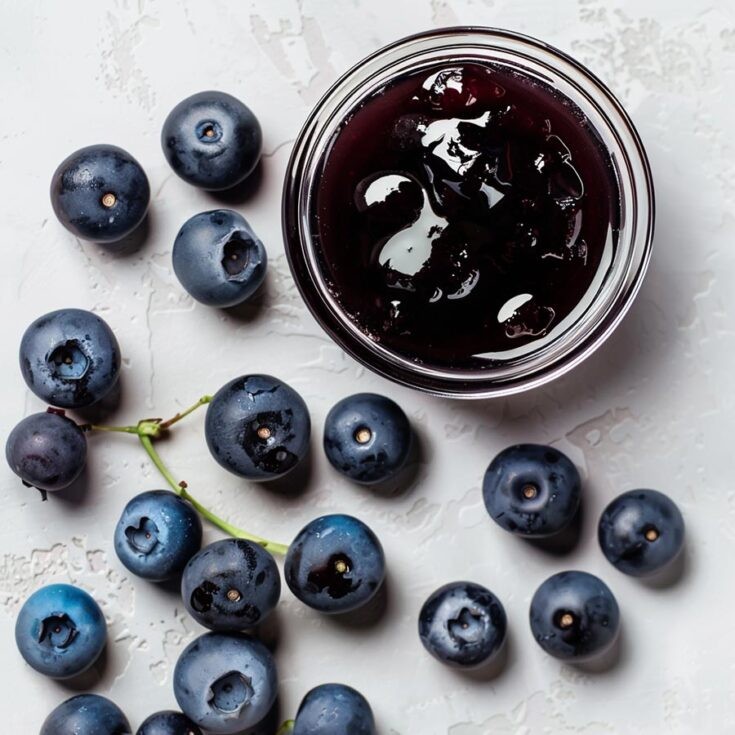
2. Prepare the Blueberries: Rinse the blueberries thoroughly under cool running water to remove any dirt or residues. Inspect them carefully, discarding any that show signs of spoilage. Remove all stems or leaves, then mash the blueberries slightly with a potato masher to break down the fruit and release its juices.
3. Cook the Mixture: In a large pot, combine the mashed blueberries, sugar, and lemon juice. Heat the mixture over medium heat, stirring until the sugar has completely dissolved. Once it begins to boil, maintain a rolling boil for exactly 10 minutes. This crucial step activates the pectin naturally found in the blueberries, facilitating gel formation.
4. Test for Doneness: Use a candy thermometer to ensure the mixture reaches at least 220°F for proper gel formation. Alternatively, perform the spoon test: place a small amount of the mixture on a cold plate and let it sit for a minute. Run your finger through it; if it holds its shape and wrinkles slightly, your jam is ready. If not, continue boiling and retest every minute.
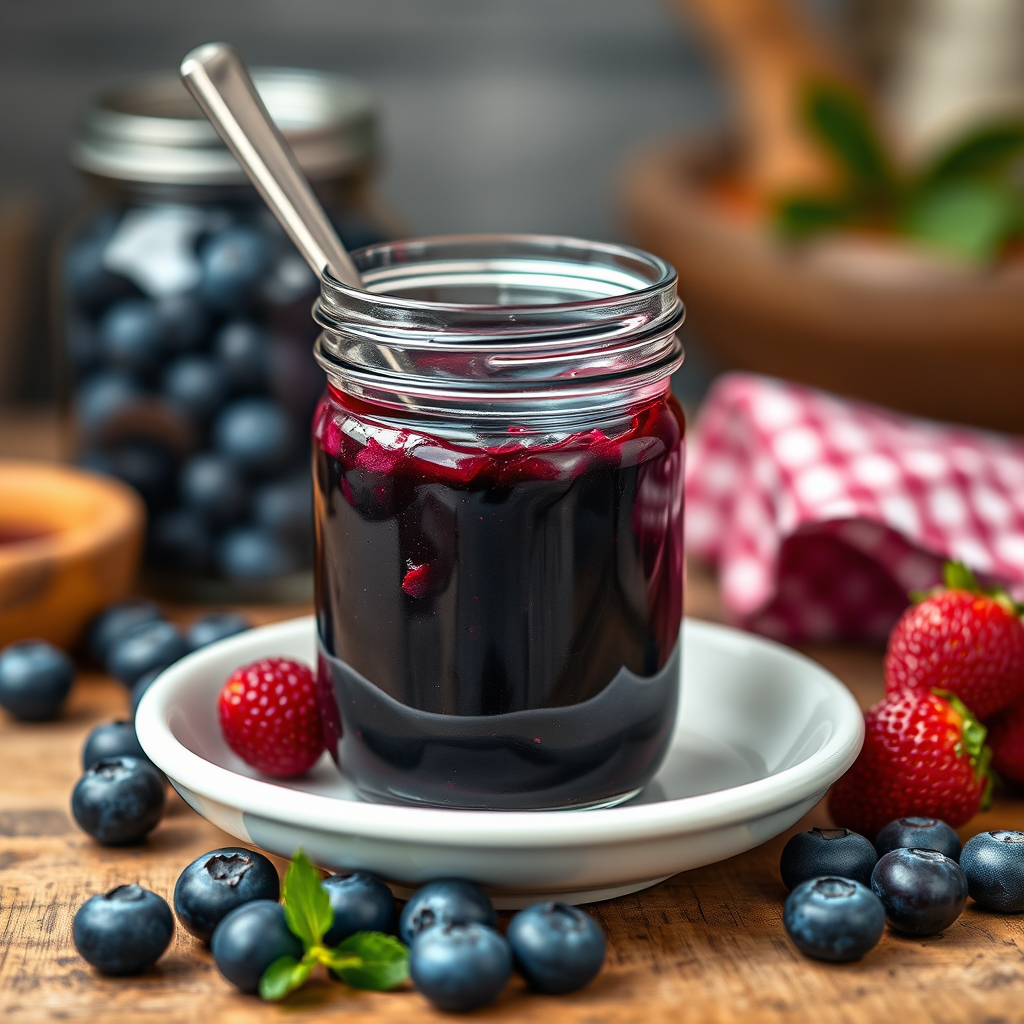
5. Jar and Process: Sterilize your canning jars and lids by placing them in a pot of boiling water for 10 minutes. Carefully remove them and let them air dry on a clean kitchen towel. Fill each jar with the hot jam, leaving ¼ inch of headspace at the top to allow for expansion during processing. Seal each jar tightly with a lid. Process the jars in a water bath canner for 10 minutes, ensuring the water covers the jars by at least one inch.
Warning Signs: When Not to Follow This
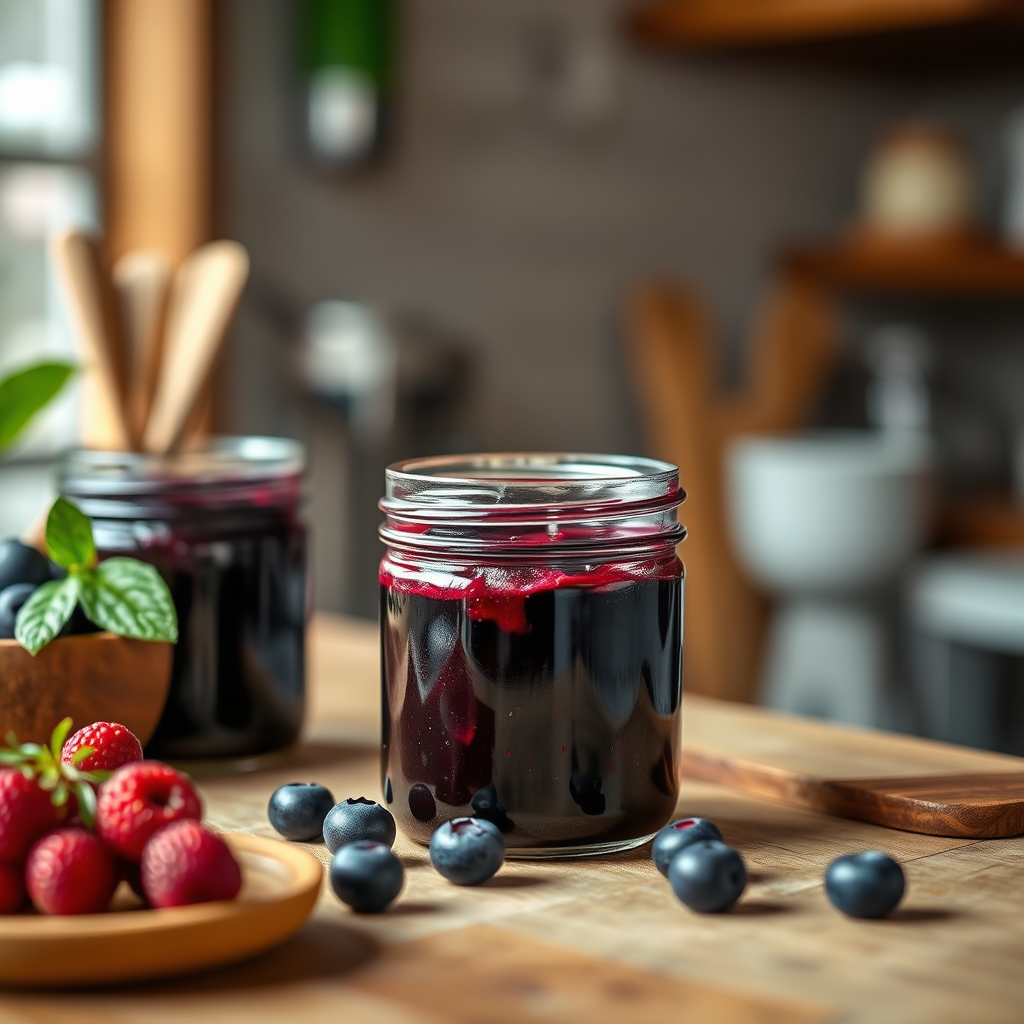
– Avoid making blueberry jam if your blueberries show signs of mold or spoilage; only use fresh, ripe berries to ensure safety and quality.
– If the jam mixture does not reach the required temperature of 220°F, do not proceed with canning; doing so may result in spoilage or improper consistency.
– If you observe any unusual smells or colors in your jam after processing, do not consume it, as this indicates potential bacterial growth or spoilage.
The Most Common Mistakes (And Their Consequences)
– Using overripe or under-ripe blueberries can lead to an imbalanced flavor and improper gelling, resulting in either a jam that is too runny or too thick. Ripe blueberries should be plump and firm, with a deep blue color.
– Not measuring ingredients accurately can affect the jam’s texture and preservation; always use precise measurements for sugar and lemon juice. A common error is assuming that a “heaping cup” is appropriate, which can drastically alter the final product.
– Failing to sterilize jars and lids properly can introduce bacteria, leading to spoilage; ensure that all equipment is sanitized and processed in boiling water. Skipping this step can lead to serious food safety concerns.
Special Cases That Need a Different Approach
– If using frozen blueberries, ensure they are completely thawed and drained of excess moisture before proceeding with the recipe. Excess liquid can prevent proper gelling and affect flavor concentration.
– For low-sugar blueberry jam, use a specialized pectin designed for low-sugar recipes, and follow the instructions for the correct ratio of fruit to sugar. Standard recipes may not yield the desired consistency with reduced sugar.
– If you have dietary restrictions, consider substituting granulated sugar with alternatives like honey or stevia, but be sure to adjust the quantity and follow guidelines for safe canning. Note that not all sugar substitutes will yield the same preservation properties, so research is advised.
When You Need a Professional
– If you have any health concerns, such as allergies or sensitivities to certain ingredients, consult a nutritionist or dietitian before attempting the blueberry jam recipe. They can offer tailored advice that aligns with your dietary needs.
– Seek the advice of a certified canning expert if you are unsure about the safety of your canning methods, especially if you experience any issues during the process. Professional guidance can help prevent foodborne illnesses.
– If you suspect your jam has spoiled, or if you observe any signs of fermentation or gas buildup in the jars, contact a food safety professional for guidance on proper disposal. Consuming spoiled jam can pose serious health risks.
Sources and Further Reading
– Refer to the USDA’s “Complete Guide to Home Canning” for official guidelines on safe canning practices and preservation techniques. This resource is invaluable for those serious about food preservation.
– Consult the National Center for Home Food Preservation’s website for detailed information on making jams and jellies, including safety standards and best practices.
– Explore books such as “The Blue Chair Cooks Jam” for expert recipes and techniques specifically focused on various fruit preserves, including blueberries. These resources can provide additional insights and creative variations for your jam-making endeavors.
By following this expert guide, you can confidently embark on the journey of making blueberry jam at home, ensuring your results are not only delicious but also safe for consumption. Now, gather your ingredients and start preserving the delightful flavors of summer! Happy canning!
Frequently Asked Questions
What ingredients do I need for a simple blueberry jam recipe?
To make a simple blueberry jam, you will need fresh blueberries (about 4 cups), granulated sugar (approximately 2 cups), and lemon juice (1/4 cup) for acidity. These ingredients are essential for achieving the perfect balance of sweetness and tartness, while also ensuring proper preservation.
How do I make blueberry jam without pectin?
To make blueberry jam without pectin, start by mashing fresh blueberries in a pot and then combine them with sugar and lemon juice. Cook the mixture over medium heat, stirring frequently, until it thickens, which usually takes around 20-30 minutes. The natural pectin in the blueberries will help the jam set.
Why is my blueberry jam not thickening properly?
If your blueberry jam is not thickening, it may be due to insufficient cooking time or too much liquid in the mixture. Ensure you are cooking the jam long enough for the water to evaporate and the natural pectin to activate. You can also try adding a bit more lemon juice to enhance the gel formation.
What is the best way to store homemade blueberry jam?
The best way to store homemade blueberry jam is to keep it in sterilized glass jars with airtight lids. After cooling, store the jars in the refrigerator for up to three weeks or process them in a water bath canner for long-term preservation, allowing you to enjoy your blueberry jam for up to a year.
Which type of blueberries are best for making jam?
The best blueberries for making jam are ripe, fresh, and preferably organic blueberries, as they have a richer flavor and higher sugar content. Varieties such as Highbush or Wild blueberries are excellent choices, as they provide a vibrant color and taste that enhances your blueberry jam.
References
- Blueberry (disambiguation)
https://en.wikipedia.org/wiki/Blueberry_jam - https://www.uga.edu/
https://www.uga.edu/ - https://pubmed.ncbi.nlm.nih.gov/
https://pubmed.ncbi.nlm.nih.gov/ - https://www.nal.usda.gov/legacy/legacy/blueberry-jam-recipe
https://www.nal.usda.gov/legacy/legacy/blueberry-jam-recipe - https://www.extension.umn.edu/food/safety/preserving/jams-jellies/blueberry-jam/
https://www.extension.umn.edu/food/safety/preserving/jams-jellies/blueberry-jam/ - https://www.ncbi.nlm.nih.gov/pmc/articles/PMC5016994/
https://www.ncbi.nlm.nih.gov/pmc/articles/PMC5016994/ - Google Scholar Google Scholar
https://scholar.google.com/scholar?q=blueberry+jam+recipe - Google Scholar Google Scholar
https://scholar.google.com/scholar?q=blueberry+preservation - Google Scholar Google Scholar
https://scholar.google.com/scholar?q=blueberry+jams+health+benefits - Herbaceous biomass: state of the art | US Forest Service Research and Development
https://www.fs.usda.gov/treesearch/pubs/18661