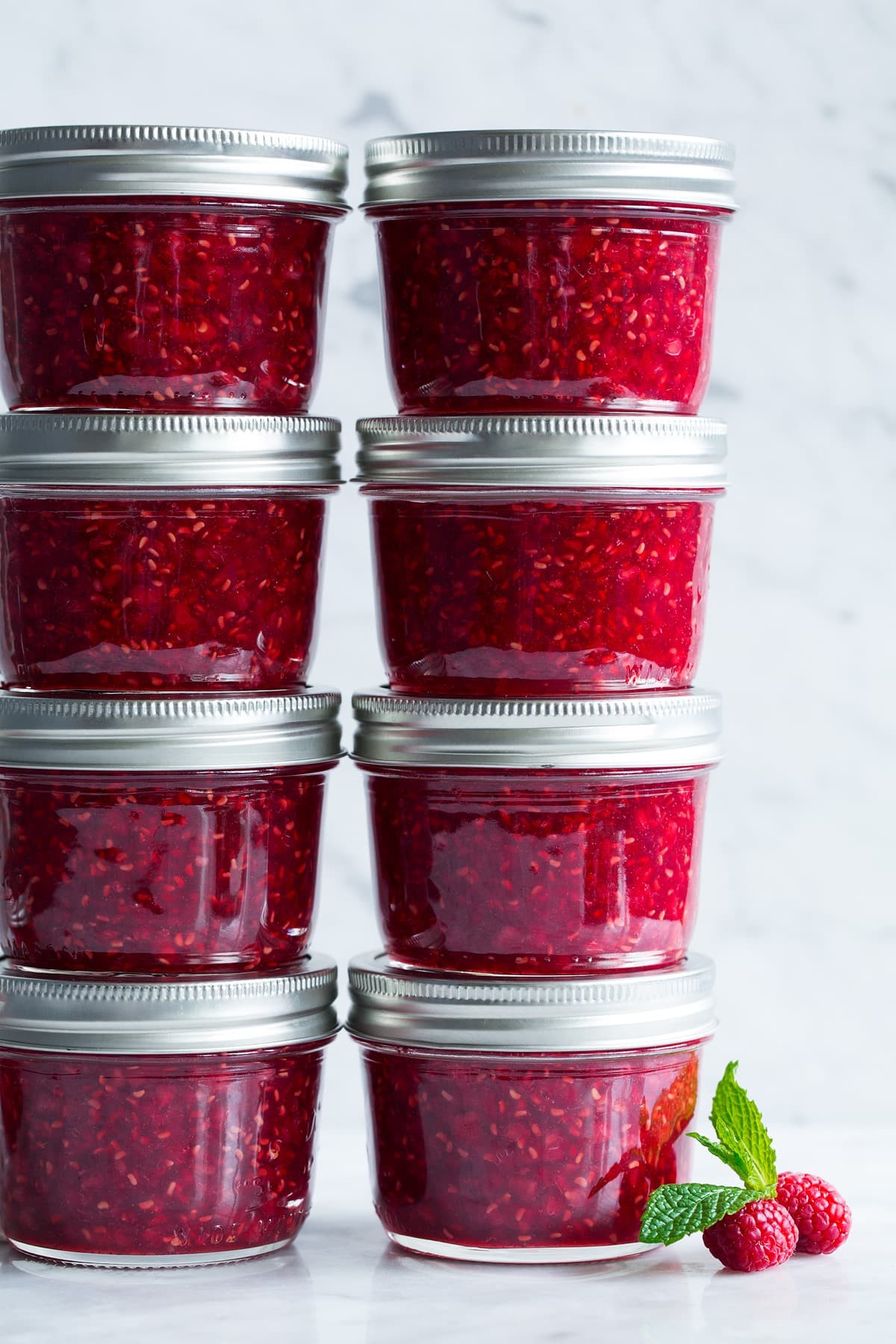
Mastering the art of canning raspberry jam is essential for anyone seeking to preserve the vibrant flavor of this beloved fruit. This comprehensive guide outlines expert protocols for safely canning raspberry jam, ensuring both delicious results and food safety. By adhering to precise techniques, you can enjoy homemade jam that lasts while avoiding common pitfalls in the canning process.
What This Guide Covers (And What It Doesn’t)
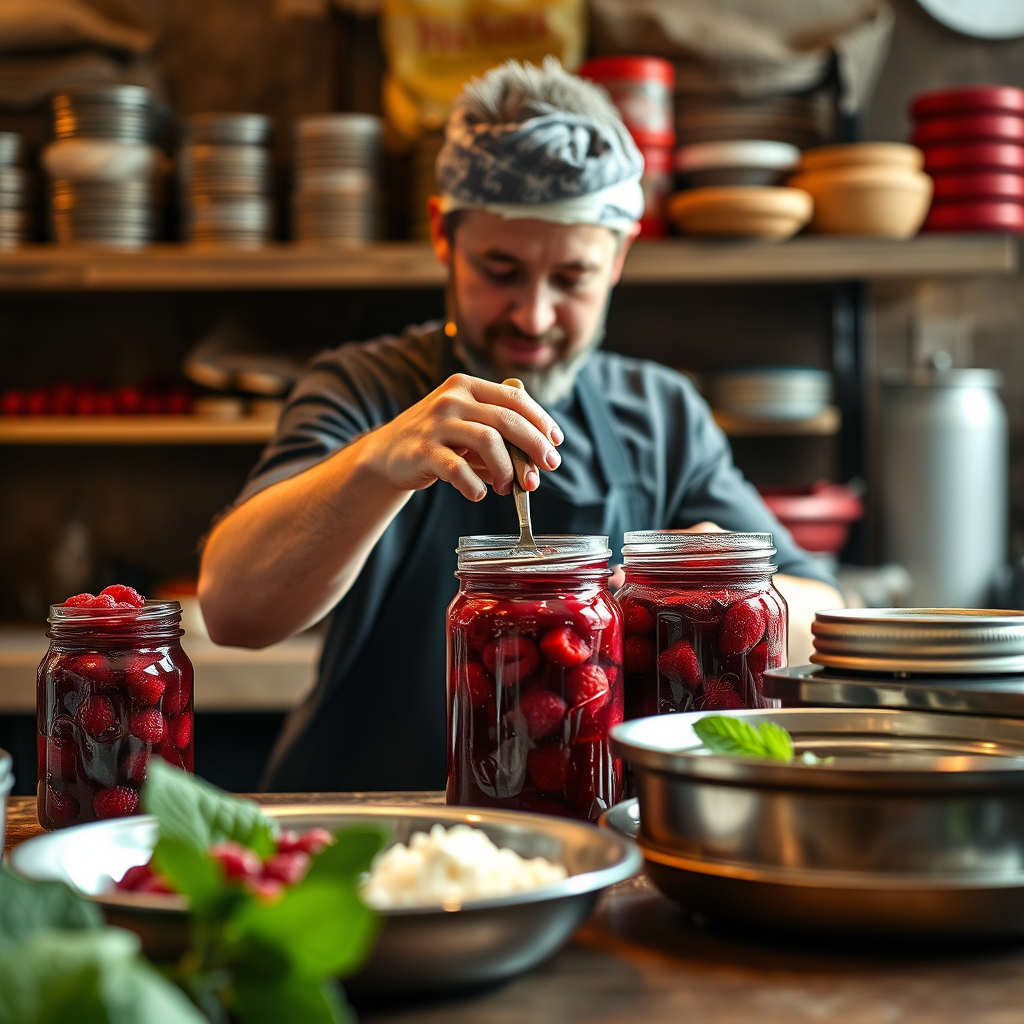
This guide provides a thorough overview of the entire process for safely canning raspberry jam, detailing the necessary ingredients, equipment, and safety protocols. You’ll find step-by-step instructions designed specifically for home canners, with a strong emphasis on food safety and best practices at every stage. However, it does not delve into alternative fruit preserves, jelly-making methods, or advanced canning techniques that diverge from standard practices. This resource is tailored for those eager to preserve raspberry jam at home, ensuring the highest quality and safety standards. If you’re seeking non-canning recipes or are unfamiliar with basic kitchen techniques, other resources may be more suitable.
Who Should Read This
This guide is crafted for individuals who possess a foundational understanding of kitchen safety and food preservation, but may lack experience in canning. Home cooks who take pleasure in creating homemade products and wish to learn the safe canning process for raspberry jam will find this guide particularly beneficial. It is not intended for professional canners or those already proficient in advanced canning techniques; instead, it caters to beginner and intermediate levels. If you have specific dietary restrictions or need to follow unique food preservation guidelines, it’s advisable to consult specialized materials.
The Step-by-Step Protocol
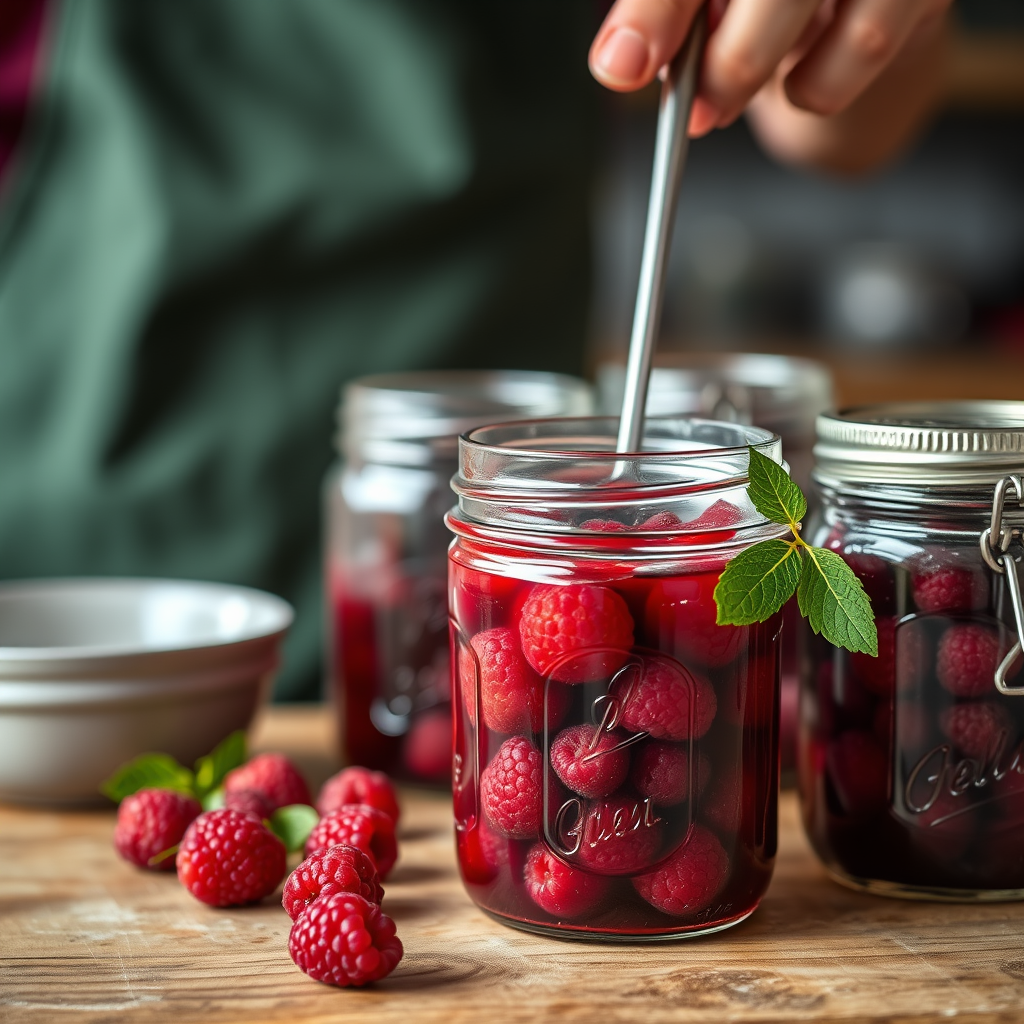
1. Gather Ingredients and Equipment: Collect 4 cups of fresh raspberries, 5 cups of granulated sugar, 1/4 cup of bottled lemon juice, and essential canning tools, including 8 half-pint canning jars, lids, a water bath canner, a jar lifter, a large pot, a ladle, and a measuring cup.
2. Prepare the Raspberries: Rinse the raspberries gently under cold water to eliminate any dirt or insects. Carefully inspect the berries for spoilage, removing any stems or leaves. Slightly mash the berries with a potato masher or fork to release their juices.
3. Cook the Mixture: In a large pot, combine the mashed raspberries, lemon juice, and sugar. Stir the mixture thoroughly to ensure even distribution of the sugar. Bring it to a rolling boil over medium heat, stirring continuously. Continue boiling for about 10-15 minutes until the mixture thickens; you can test the consistency by placing a spoonful on a cold plate and checking if it holds its shape.
4. Canning Process: Sterilize your canning jars by boiling them in water for at least 10 minutes. Fill the sterilized jars with the hot jam, leaving approximately 1/4 inch of headspace at the top. Wipe the rims with a clean cloth to remove any residue, place the lids on, and secure the bands to fingertip-tightness. Process the jars in a water bath canner for 10 minutes, ensuring the water covers the jars by at least an inch.
5. Cooling and Storing: After processing, carefully remove the jars using a jar lifter and place them on a clean towel or cooling rack. Allow them to cool completely for 12-24 hours. To check the seals, press the center of each lid; if it does not pop back, the jar has sealed properly. Store the sealed jars in a cool, dark place.
Raspberry Jam Canning Nutritional Breakdown (per tablespoon)
| # | Nutrient | Amount | Daily Value % |
|---|---|---|---|
| 1 | Calories | 50 | 2% |
| 2 | Total Fat | 0g | 0% |
| 3 | Sodium | 0mg | 0% |
| 4 | Total Carbohydrates | 13g | 5% |
| 5 | Sugars | 12g | N/A |
| 6 | Dietary Fiber | 0g | 0% |
| 7 | Protein | 0g | 0% |
| 8 | Vitamin C | 2% DV | 2% |
| 9 | Calcium | 0% DV | 0% |
| 10 | Iron | 0% DV | 0% |
Warning Signs: When Not to Follow This

Avoid this protocol if the raspberries exhibit any signs of mold, spoilage, or if they have been stored improperly for longer than a week. Do not attempt canning without the proper tools, such as a water bath canner, or if you use jars that are not specifically designed for canning. If you notice bubbling or signs of fermentation in the jam mixture while cooking, discard the batch, as it may pose a spoilage risk. Additionally, refrain from canning if you cannot maintain the necessary processing temperature, as this can compromise food safety.
The Most Common Mistakes (And Their Consequences)
Many home canners miscalculate the sugar-to-fruit ratio, resulting in jam that fails to set properly and becomes runny, which can spoil more quickly. Skipping the water bath process or neglecting the recommended processing times can lead to unsafe jars that harbor harmful bacteria. Insufficient headspace in jars may cause the jam to overflow during processing, compromising the seal and increasing the risk of spoilage. Using non-canning jars or recycled jars without verifying their suitability can lead to broken jars during processing, ruining the batch and posing safety hazards.
Special Cases That Need a Different Approach
For those with dietary restrictions, such as requiring low-sugar options, consider using pectin specifically designed for low-sugar recipes; this may involve different cooking times. If using frozen raspberries, thaw and drain excess liquid before measuring, as the added water can affect cooking times and the final texture of the jam. Residents of high-altitude areas should adjust processing times according to local recommendations, as altitude impacts cooking temperatures and times. When incorporating herbs or spices for added flavor, like mint or vanilla, add them during the cooking process to ensure proper infusion and safety.
When You Need a Professional
If you frequently struggle to achieve a proper seal or consistency with your raspberry jam, consult a local extension office or food preservation expert for personalized guidance. Seek advice from a licensed food safety expert if you have concerns about the safety of your canning practices or suspect that any batch may be unsafe for consumption. For large-scale canning operations or plans to sell your jam commercially, professional guidance is essential to comply with local food safety regulations. If you notice unusual discoloration, odor, or bubbling after processing, discard the jam immediately and consult a food safety specialist for further evaluation.
Sources and Further Reading
– The USDA Complete Guide to Home Canning: A comprehensive resource for safe canning practices, including specifics on fruit preserves.
– National Center for Home Food Preservation: Offers research-based guidelines and recipes for home food preservation, including raspberry jam.
– Ball Canning’s Blue Book Guide to Preserving: A well-regarded resource for canning techniques and recipes, including tips for making raspberry jam.
– Local university extension programs often provide workshops and resources on safe canning practices tailored to your region’s guidelines and food safety standards.
Frequently Asked Questions
What ingredients do I need for a raspberry jam canning recipe?
To make raspberry jam, you’ll need fresh raspberries, granulated sugar, lemon juice, and pectin. The combination of these ingredients helps achieve the right consistency and flavor, making your homemade jam delicious and safe for canning.
How do I properly can raspberry jam to ensure it lasts?
To properly can raspberry jam, start by sterilizing your jars and lids in boiling water. After cooking your jam according to the recipe, fill the jars leaving a 1/4-inch headspace, wipe the rims, and seal with lids before processing them in a boiling water bath for the recommended time to eliminate bacteria and ensure a good seal.
Why is pectin important in raspberry jam canning recipes?
Pectin is a natural thickening agent that helps the jam set properly, giving it a desirable texture. Without pectin, your raspberry jam may turn out runny and not hold its shape, so it’s crucial for achieving the right consistency in your canned jam.
What is the best method for storing homemade raspberry jam after canning?
The best method for storing homemade raspberry jam is to keep it in a cool, dark place, such as a pantry or cupboard. Once opened, store the jar in the refrigerator to maintain freshness, and consume it within a few weeks for the best flavor and quality.
Which kitchen tools are essential for making raspberry jam and canning?
Essential kitchen tools for making raspberry jam and canning include a large pot for cooking the jam, a ladle for filling jars, a canning funnel for easy pouring, and a jar lifter for safe handling of hot jars. Additionally, having a food thermometer can help ensure your jam reaches the correct temperature for proper canning.
References
- Fruit preserves
https://en.wikipedia.org/wiki/Jam - https://extension.uga.edu/publications/detail.html?number=FB13&title=Raspberry%20Jam%20Recipe
https://extension.uga.edu/publications/detail.html?number=FB13&title=Raspberry%20Jam%20Recipe - https://nchfp.uga.edu/how/can_02/fruit_jams.html
https://nchfp.uga.edu/how/can_02/fruit_jams.html - https://www.ars.usda.gov/ARSUserFiles/oc/np/fruit/jams.pdf
https://www.ars.usda.gov/ARSUserFiles/oc/np/fruit/jams.pdf - https://extension.psu.edu/canning-fruit
https://extension.psu.edu/canning-fruit - https://www.cdc.gov/foodsafety/communication/canning.html
https://www.cdc.gov/foodsafety/communication/canning.html - https://pubmed.ncbi.nlm.nih.gov/22830519/
https://pubmed.ncbi.nlm.nih.gov/22830519/ - Google Scholar Google Scholar
https://scholar.google.com/scholar?q=raspberry+jam+canning+recipe - Google Scholar Google Scholar
https://scholar.google.com/scholar?q=raspberry+preservation+methods - Google Scholar Google Scholar
https://scholar.google.com/scholar?q=home+canning+fruit+recipes