Master the art of canning plum jam with this expert guide, designed for both beginners and seasoned preservers. This comprehensive protocol covers everything from selecting the best plums to ensuring safe canning practices, crucial for preventing spoilage and ensuring quality. By adhering to these proven techniques, you will not only enhance flavor but also guarantee your homemade jam is safe for long-term storage.
What This Guide Covers (And What It Doesn’t)
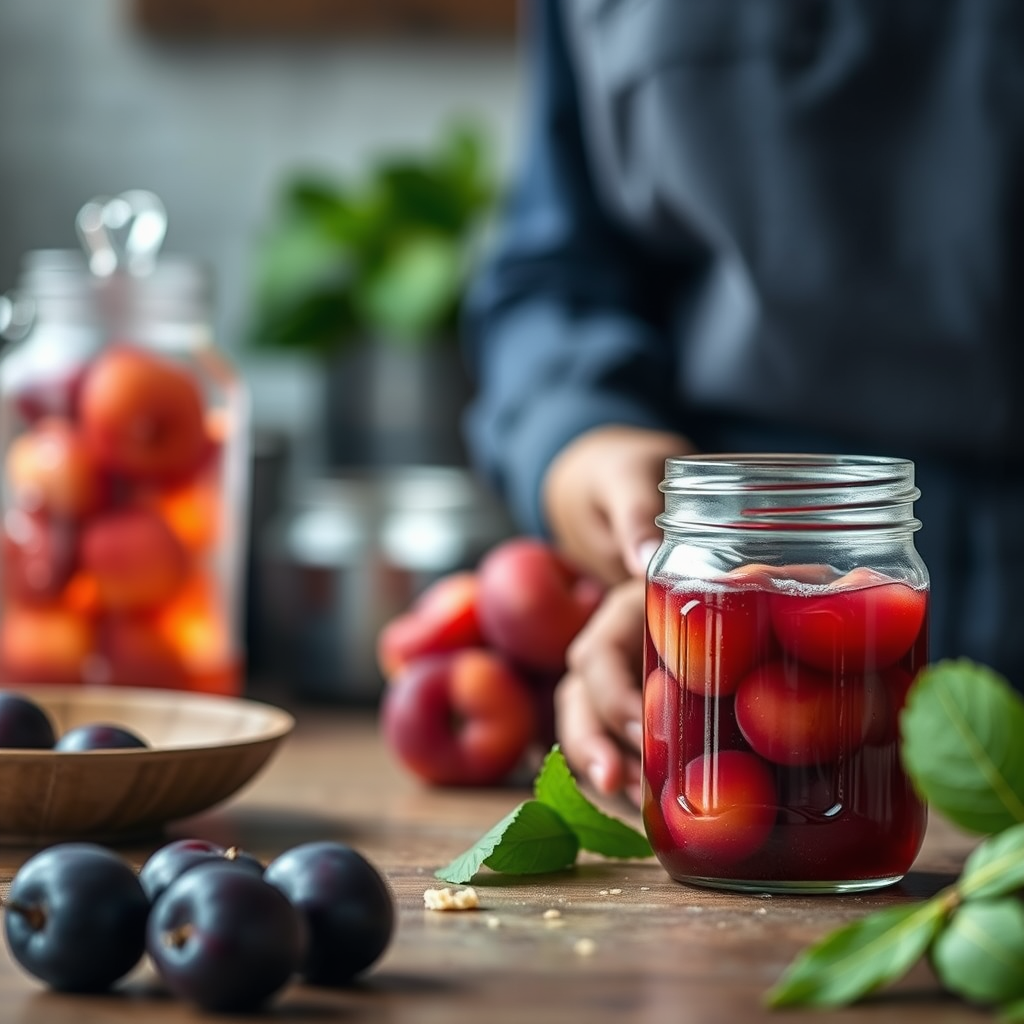
This comprehensive guide outlines a precise, step-by-step process for safely canning plum jam using the water bath method. It emphasizes the essential equipment, ingredients, and techniques needed to ensure both safety and quality throughout the canning process. You’ll find specific measurements, processing times, and sterilization protocols designed to uphold food safety standards. However, this guide does not delve into alternative methods for preserving plums, such as freezing or making plum jelly, nor does it address canning techniques outside the water bath method. It is tailored for home canners who possess basic knowledge of food preservation but may require guidance on the specificities of canning plum jam safely.
Who Should Read This
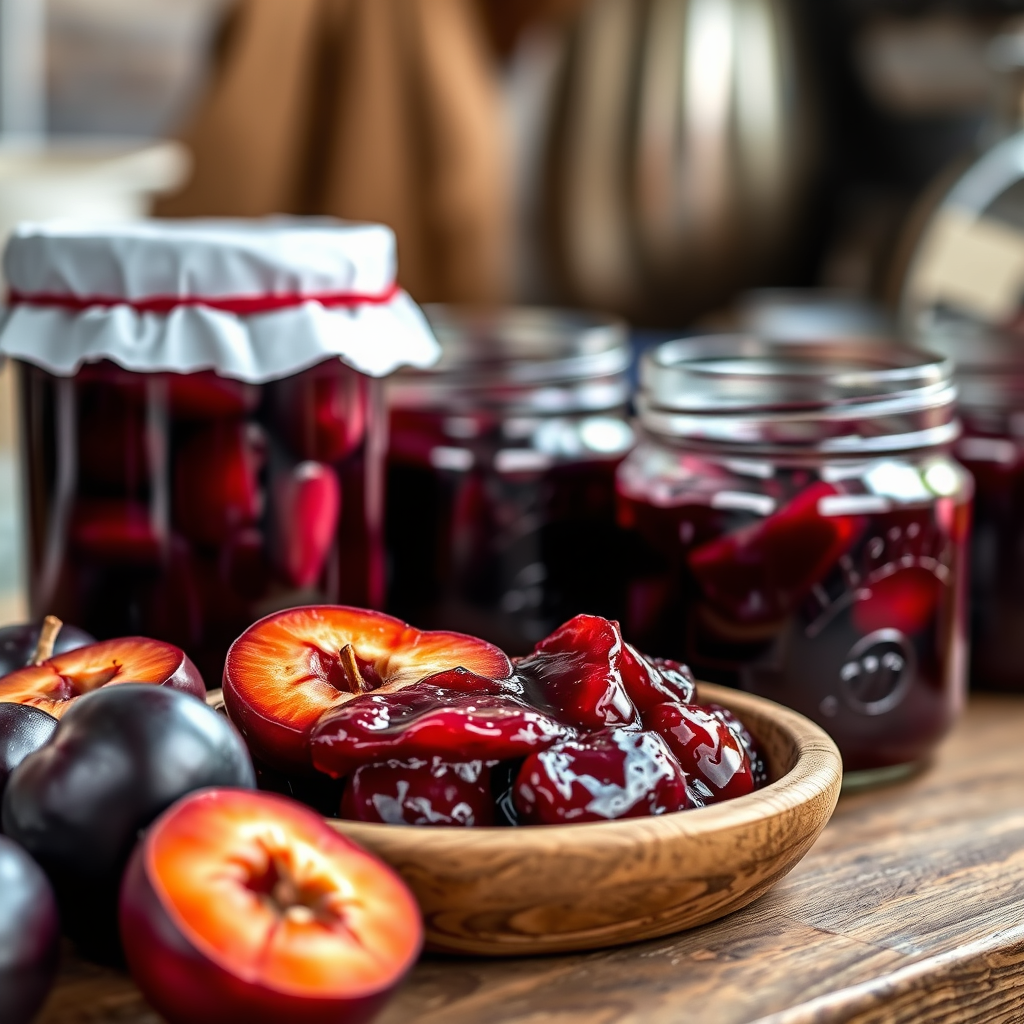
This guide is perfect for home cooks with some experience in basic canning techniques who are eager to expand their skills by making plum jam. It serves as a reliable resource for those seeking a tested recipe that complies with current food safety standards and best practices in food preservation. If you have access to fresh plums and a passion for seasonal preserving, this guide will prove both practical and relevant. However, if you lack prior canning experience or are unsure about food safety protocols, it’s advisable to consult introductory resources before attempting the techniques presented here.
The Step-by-Step Protocol
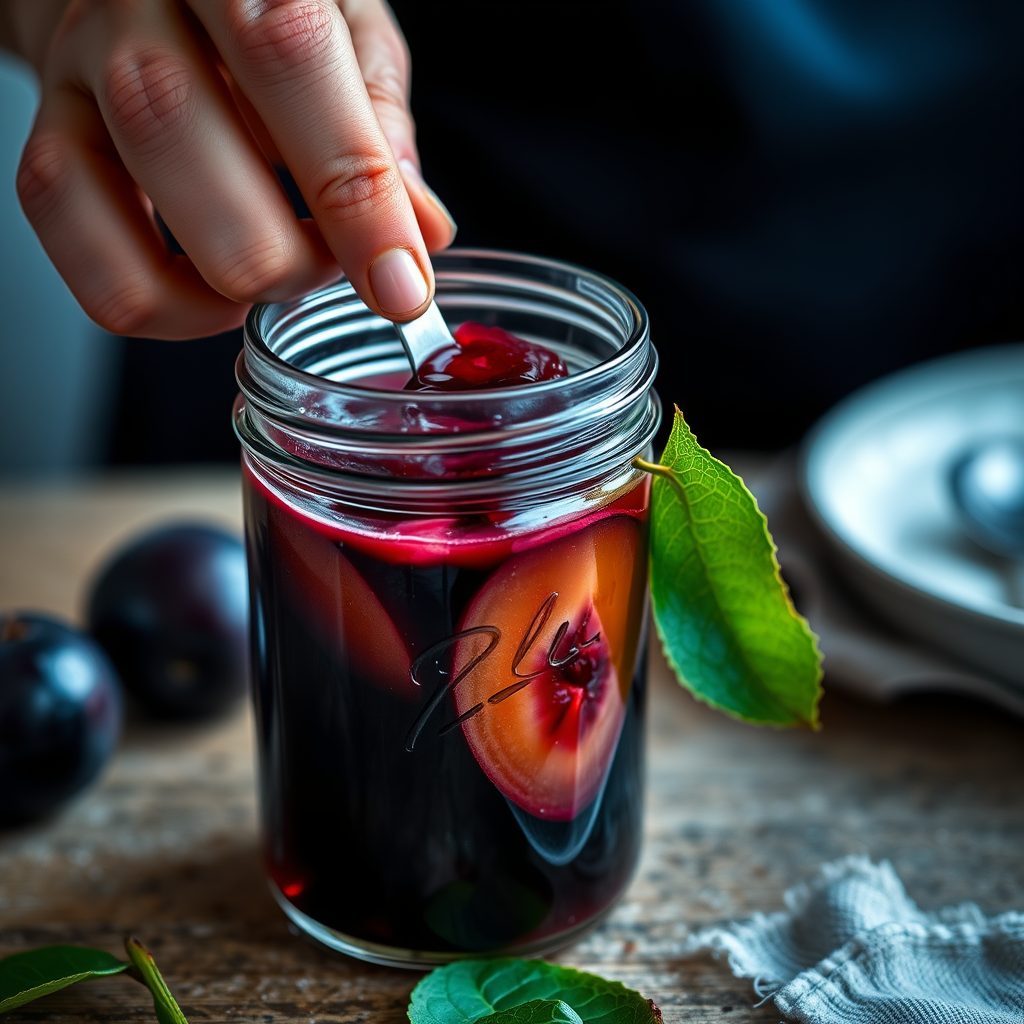
1. Gather Ingredients and Equipment: You will need 4 cups of ripe plums (pitted and chopped), 1 cup of granulated sugar, 1 tablespoon of lemon juice, jars, lids, a water bath canner, and a jar lifter.
2. Prepare the Jars: Sterilize 6 half-pint jars by placing them in boiling water for 10 minutes; keep them warm until ready to fill.
3. Cook the Jam: In a large pot, combine the plums, sugar, and lemon juice. Cook over medium heat, stirring frequently, until the mixture reaches a rolling boil and thickens (approximately 20-25 minutes).
4. Fill the Jars: Using a ladle, fill each jar with the hot plum jam, leaving 1/4-inch headspace. Wipe the rim of each jar with a clean cloth to ensure a good seal, then place the sterilized lid on top and screw on the band until fingertip-tight.
5. Process in Water Bath: Place the jars in a boiling water bath canner, ensuring they are covered by at least 1 inch of water. Process for 10 minutes, adjusting for altitude if necessary (add 1 minute for every 1,000 feet above sea level).
6. Cool and Store: After processing, remove the jars and let them cool on a clean towel or rack for 12-24 hours. Check seals before storing in a cool, dark place.
Nutritional Information for Canned Plum Jam (Per 1 Tbsp)
| # | Nutrient | Amount | % Daily Value |
|---|---|---|---|
| 1 | Calories | 50 | 2% |
| 2 | Total Carbohydrates | 13g | 4% |
| 3 | Sugars | 11g | N/A |
| 4 | Protein | 0.1g | N/A |
| 5 | Fat | 0g | 0% |
| 6 | Vitamin C | 2mg | 3% |
| 7 | Calcium | 1mg | 0% |
| 8 | Iron | 0.1mg | 0% |
| 9 | Potassium | 10mg | 0% |
| 10 | Fiber | 0.2g | 1% |
Warning Signs: When Not to Follow This
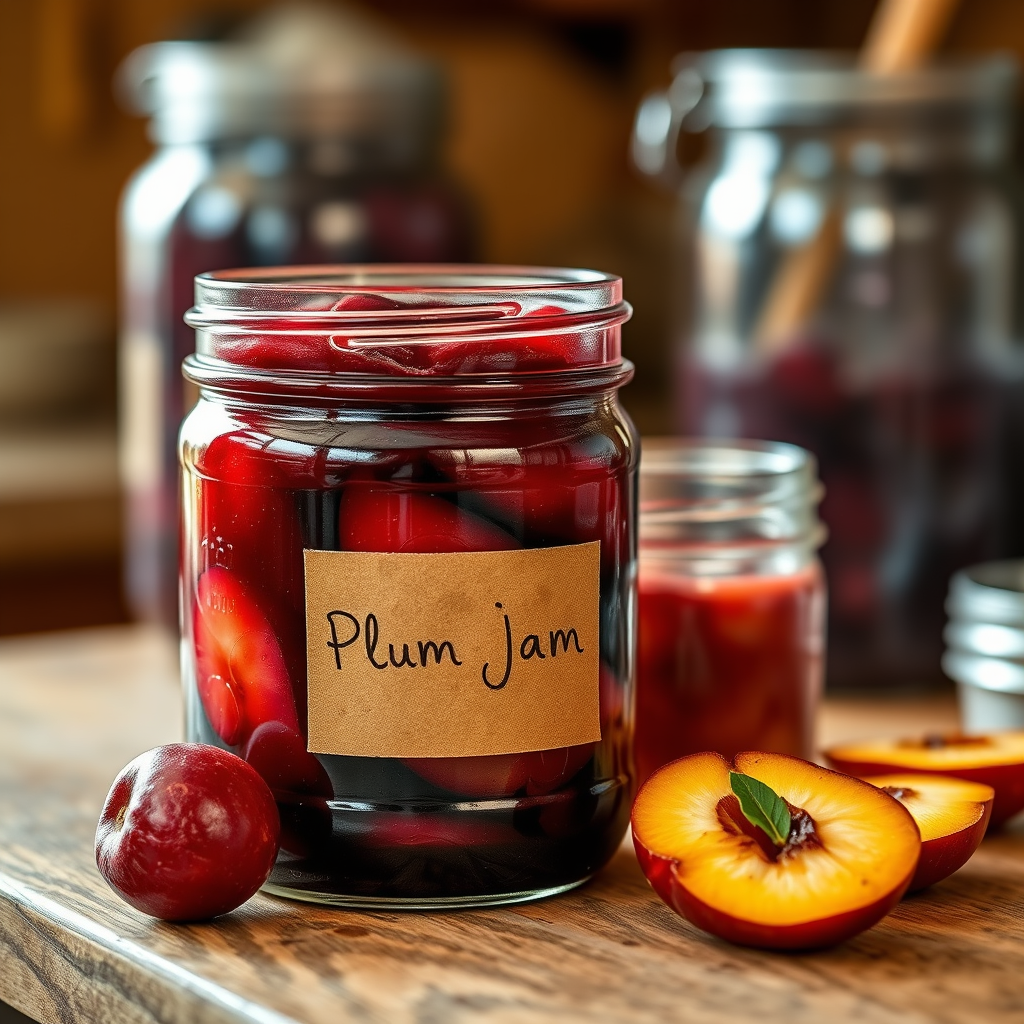
Avoid canning plum jam if the fruit is overripe, bruised, or shows signs of mold, as this can lead to unsafe products. Additionally, do not proceed if you have not properly sterilized your equipment; inadequate sterilization can introduce harmful bacteria into the jam. If you notice any unusual bubbling or leakage from the jars after cooling, discard the jam immediately. Furthermore, refrain from using shortcuts, such as skipping the water bath processing, as this can significantly increase the risk of foodborne illness.
The Most Common Mistakes (And Their Consequences)
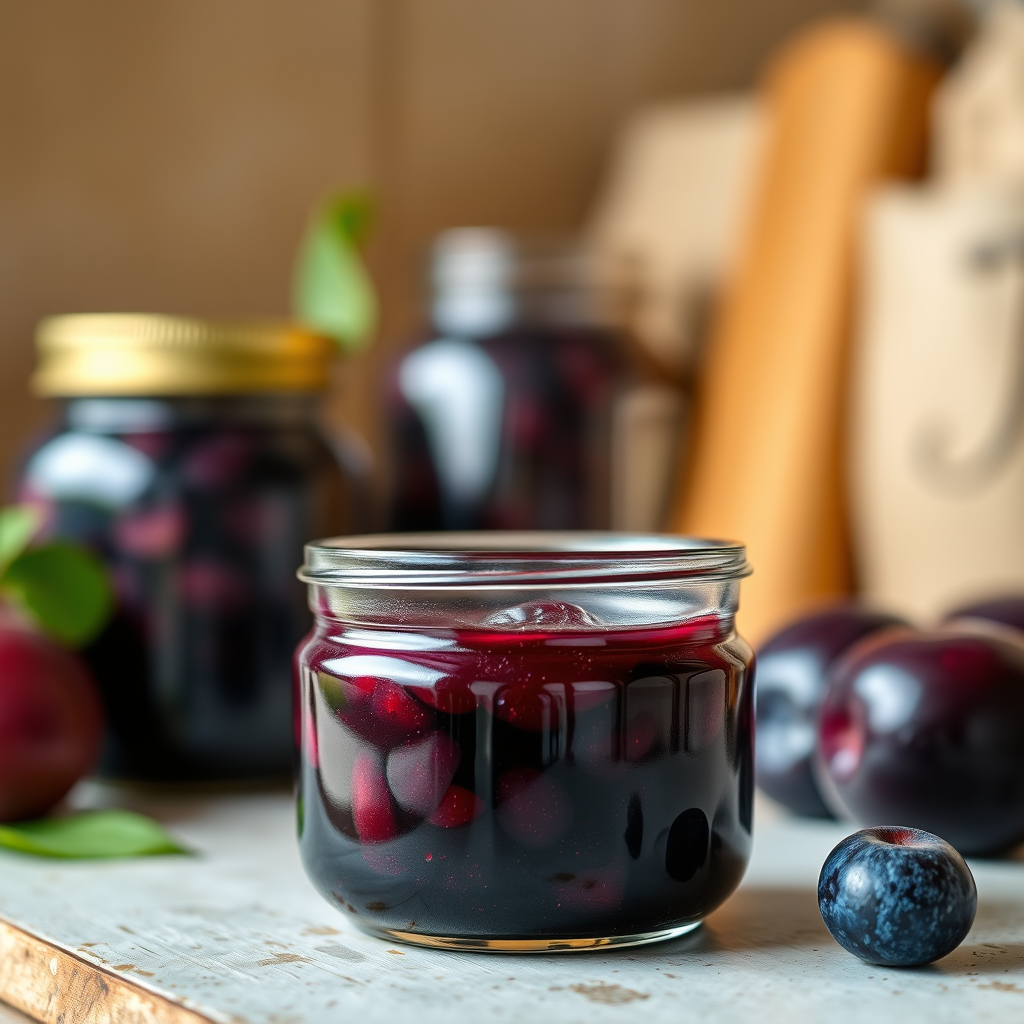
One frequent mistake is not measuring the pH accurately; using plums that are too low in acidity without sufficient lemon juice can result in unsafe pH levels. Failing to leave adequate headspace may cause the jam to overflow during processing, leading to poor sealing and spoilage. Additionally, neglecting to adjust processing times for higher altitudes can lead to under-processed jam, posing a risk of spoilage and foodborne illness. Lastly, skipping the sterilization process can result in mold growth or contamination, creating unsafe jam that may not be safe to consume.
Special Cases That Need a Different Approach
If you are using a low-sugar pectin or a no-sugar added recipe, follow the specific guidelines provided with the pectin for adjusting ingredients and processing times. For those with food allergies, substitute sugar with an appropriate alternative sweetener that can be safely canned according to its specific guidelines. In humid environments, consider increasing processing time by 1-2 minutes to ensure adequate sealing. If you are canning larger batches (more than 7 jars), you may need to process them in multiple batches to maintain water temperature.
When You Need a Professional
If you encounter signs of spoilage, such as bulging lids or off smells, it is essential to discard the jam and consult a food safety expert. In the case of a failed seal after cooling, do not attempt to reprocess; instead, refrigerate the jam and consume it within a week or seek professional guidance for best practices. If you have underlying health conditions that compromise your immune system, consider getting advice from a food preservation specialist before attempting to can products at home. Additionally, consult with a local extension office if you are unsure about the acidity levels of your plums or have questions about adjusting the recipe for safety.
Sources and Further Reading
– USDA Complete Guide to Home Canning: Provides comprehensive guidelines on safe canning practices, including specific recipes and processing times.
– National Center for Home Food Preservation: Offers researched-based recommendations for canning fruits, including plum jam recipes and safety protocols.
– Ball Blue Book Guide to Preserving: A classic resource for home canners, featuring reliable recipes and techniques for fruit preserves.
– Local Cooperative Extension Services: Often provide workshops and resources on safe canning methods and food preservation tailored to regional produce.
Frequently Asked Questions
What ingredients are needed for a basic plum jam recipe for canning?
A basic plum jam recipe for canning typically requires ripe plums, granulated sugar, lemon juice, and pectin. The plums should be washed and pitted, with sugar added to macerate the fruit and enhance its natural sweetness. Lemon juice not only balances the flavors but also helps in preserving the jam’s color and acidity.
How do I properly can plum jam to ensure it’s safe for long-term storage?
To safely can plum jam, start by sterilizing your jars and lids in boiling water. Once your jam reaches the desired consistency, fill the hot jars, leaving a 1/4-inch headspace. Wipe the rims clean, seal with lids, and process in a boiling water bath for the recommended time based on your altitude to ensure a proper seal and safety.
Why is pectin important in a plum jam recipe for canning?
Pectin is crucial in a plum jam recipe for canning because it helps the jam set by thickening the mixture. Without sufficient pectin, your jam may remain runny instead of achieving the desired spreadable consistency. Many plums contain natural pectin, but adding a commercial pectin can enhance the setting process, especially if your fruit is low in pectin.
What is the best way to adjust the sweetness in a plum jam recipe for canning?
The best way to adjust the sweetness in a plum jam recipe for canning is to taste the plums before adding sugar. If the plums are particularly sweet, you can reduce the amount of sugar while ensuring you maintain the right acidity with lemon juice. Remember, reducing sugar may affect the jam’s preservation, so it’s important to follow safe canning guidelines.
Which types of plums are best for making jam for canning purposes?
The best types of plums for making jam for canning are those high in natural sugars and pectin, such as Santa Rosa, Damson, or Satsuma plums. These varieties yield a rich flavor and a good set, making them ideal for jam. Always choose ripe, blemish-free plums for the best results in your canning endeavors.
References
- Fruit preserves
https://en.wikipedia.org/wiki/Jam - https://www.extension.purdue.edu/extmedia/hn/hn-202-w.pdf
https://www.extension.purdue.edu/extmedia/hn/hn-202-w.pdf - | National Center for Home Food Preservation
https://nchfp.uga.edu/how/can_07/jam_jelly.html - Analysis of half diallel mating designs I: a practical analysis procedure for ANOVA approximation…
https://www.fs.usda.gov/treesearch/pubs/4919 - Google Scholar Google Scholar
https://scholar.google.com/scholar?q=plum+jam+recipe+for+canning - Google Scholar Google Scholar
https://scholar.google.com/scholar?q=canning+plum+jam+recipe - Google Scholar Google Scholar
https://scholar.google.com/scholar?q=home+canning+plum+jam - https://www.jstor.org/stable/10.5325/jfoodlibrarianship.5.2.0197
https://www.jstor.org/stable/10.5325/jfoodlibrarianship.5.2.0197 - Oral Bacterial Infection and Shedding in Drosophila melanogaster – PMC
https://www.ncbi.nlm.nih.gov/pmc/articles/PMC6101445/ - plum jam recipe for canning – Search results
https://en.wikipedia.org/wiki/Special:Search?search=plum+jam+recipe+for+canning