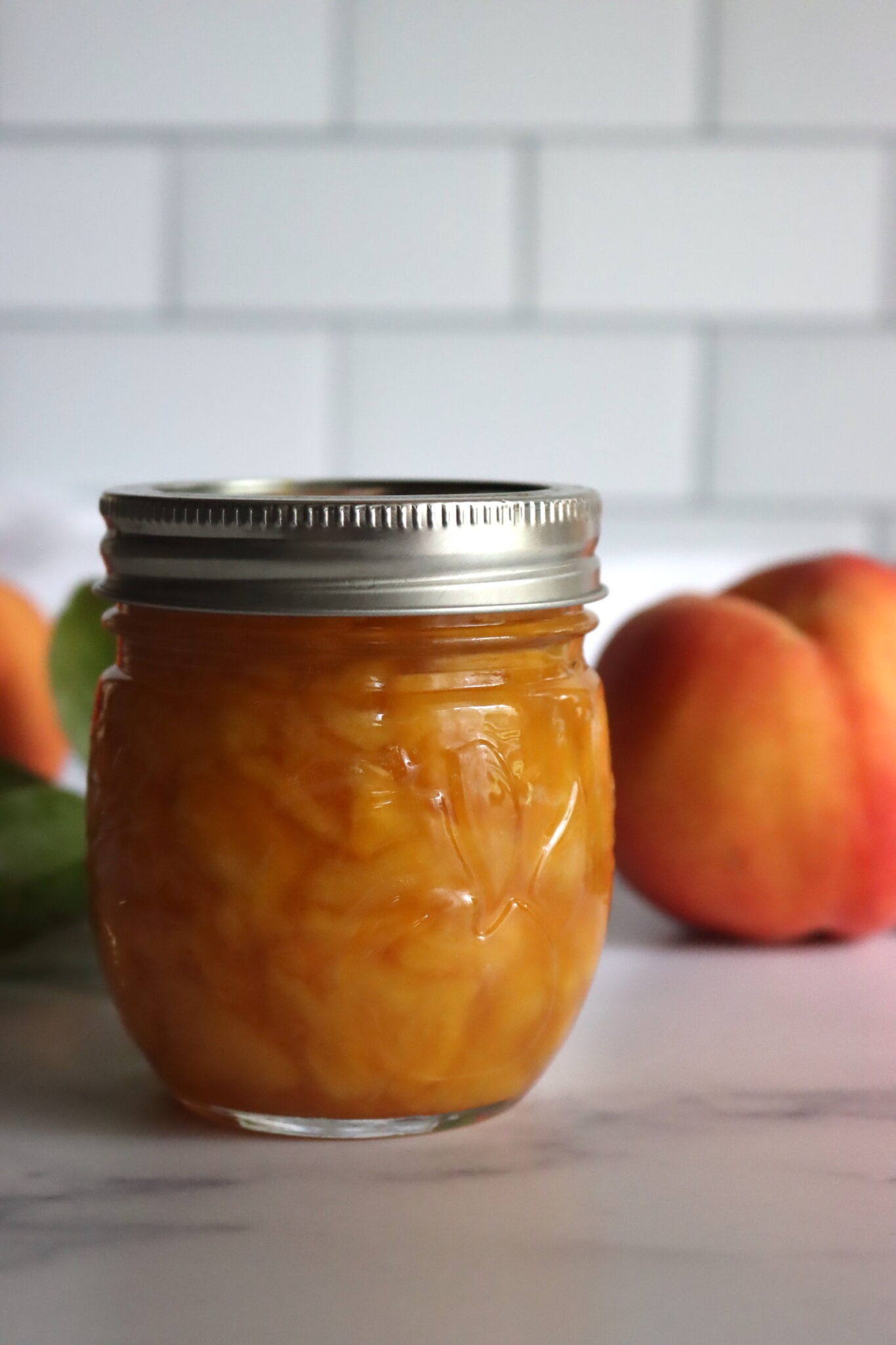
Mastering the art of canning peach jam requires adherence to expert protocols to ensure safety and quality. This comprehensive guide provides step-by-step instructions, essential tips, and best practices for preserving the vibrant flavors of peaches in a jar. Following the right canning techniques is crucial to prevent spoilage and ensure that your homemade jam is both delicious and safe for consumption.
What This Guide Covers (And What It Doesn’t)
This guide offers an in-depth, step-by-step process for safely canning peach jam, detailing ingredient specifications, equipment requirements, and essential safety protocols. You’ll learn how to preserve the quality and flavor of peaches while ensuring that your canned jam remains safe for consumption. However, this guide does not delve into alternative types of jams or preserves, nor does it provide instructions for freezing or dehydrating peaches.
Who Should Read This
This guide is designed for home canners with basic kitchen skills, including familiarity with essential kitchen equipment and the ability to follow detailed instructions. It is perfect for those looking to preserve seasonal peaches, especially beginners eager to learn and apply safe canning practices. Even experienced canners seeking a refresher on peach jam techniques and safety measures will find valuable insights here.
The Step-by-Step Protocol
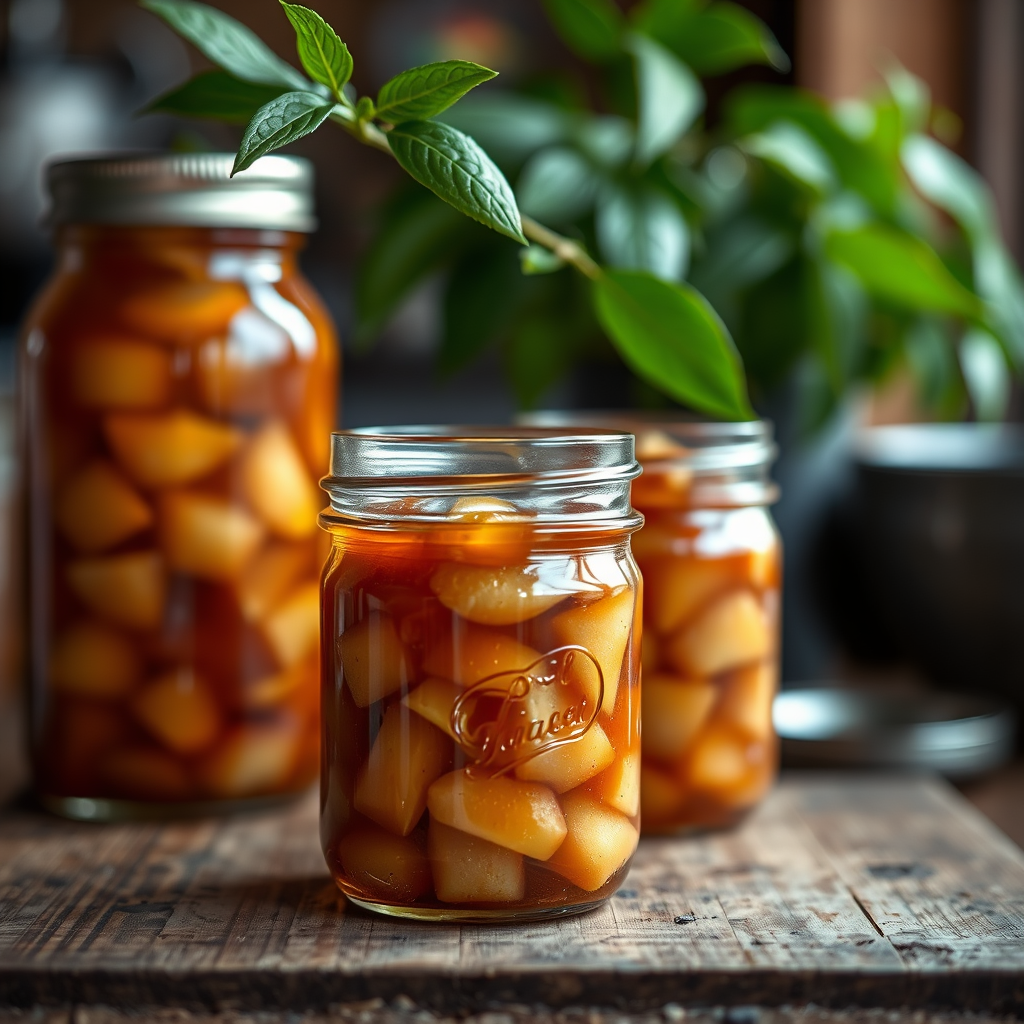
1. Select and Prepare Peaches: Choose 4 cups of ripe, firm peaches. Wash them thoroughly and remove the pits. Dice the peaches into small pieces, about 1/4-inch, to ensure even cooking.
2. Make the Jam Mixture: In a large pot, combine the diced peaches with 1 cup of granulated sugar and 1/4 cup of freshly squeezed lemon juice. Let the mixture sit for 10 minutes to draw out the juices from the peaches.
3. Cook the Jam: Heat the mixture over medium heat, stirring frequently to prevent sticking. Bring it to a boil and maintain a rolling boil for 10 to 15 minutes. Use a candy thermometer to monitor the temperature, ensuring it reaches 220°F (104°C) for proper gelling.
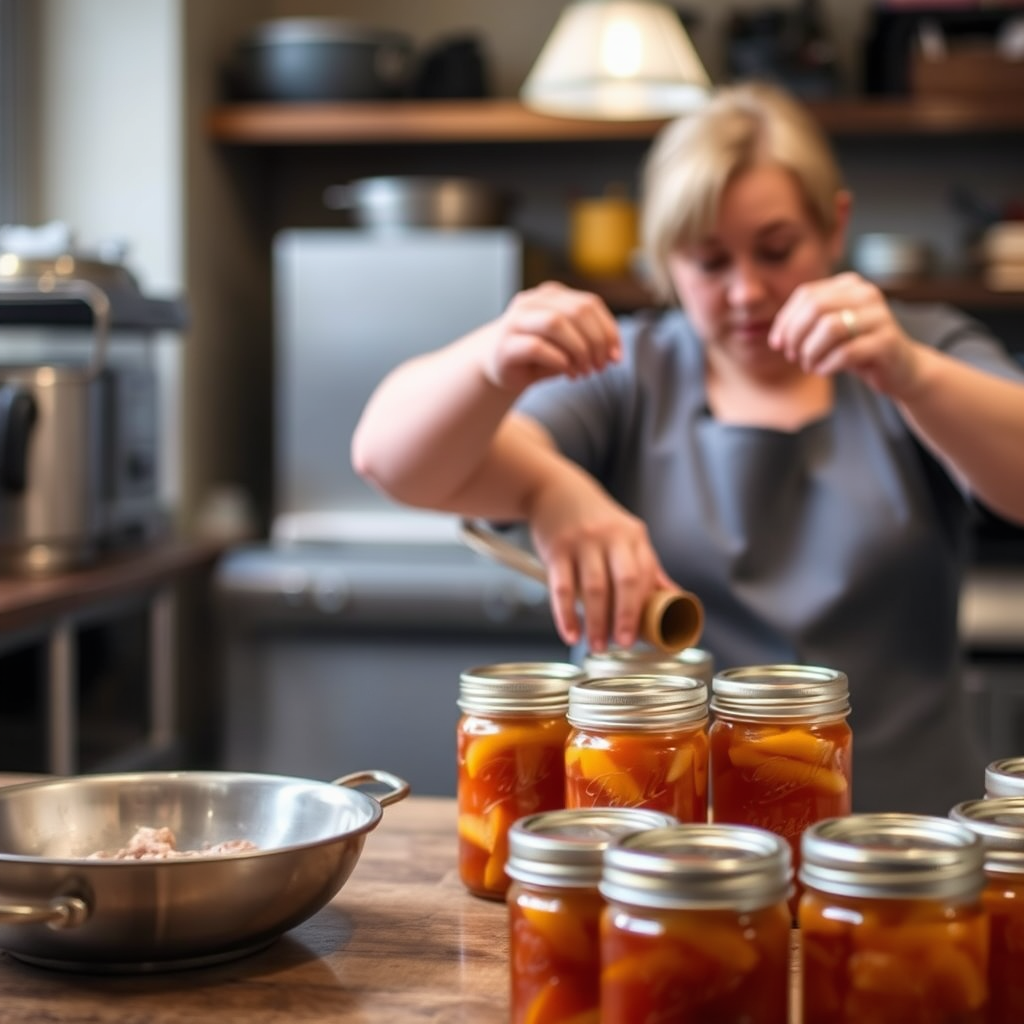
4. Fill the Jars: Sterilize 4 half-pint canning jars by boiling them in water for 10 minutes. Using a ladle and funnel, fill each jar with the hot jam, leaving a 1/4-inch headspace. Wipe the rim of each jar with a clean cloth to ensure a proper seal.
5. Seal the Jars: Place sterilized lids on each jar, making sure they are centered. Screw on the metal bands until they are fingertip-tight, but avoid over-tightening, as this can prevent the lid from sealing properly.
6. Process the Jars: Place the filled jars into a water bath canner filled with boiling water. Ensure the water covers the jars by at least one inch. Process the jars for 10 minutes if at sea level, increasing the processing time by 1 minute for every 1,000 feet above sea level.
7. Cool and Store: After processing, remove the jars from the canner and place them on a clean kitchen towel or cooling rack. Allow them to cool completely at room temperature for 12 to 24 hours. Once cooled, check the seals by pressing down in the center of each lid. If it does not pop back, the jar has sealed properly. Store sealed jars in a cool, dark place.
Peach Jam Canning Recipe Overview
| # | Ingredient | Quantity | Purpose |
|---|---|---|---|
| 1 | Ripe Peaches | 4 cups | Main flavor |
| 2 | Granulated Sugar | 1 cup | Sweetening agent |
| 3 | Lemon Juice | 1/4 cup | Acidity and preservation |
| 4 | Canning Jars | 4 half-pints | Container for jam |
| 5 | Lids and Bands | 4 sets | Sealing mechanism |
| 6 | Candy Thermometer | 1 | Temperature monitoring |
| 7 | Water Bath Canner | 1 | Canning process |
Warning Signs: When Not to Follow This
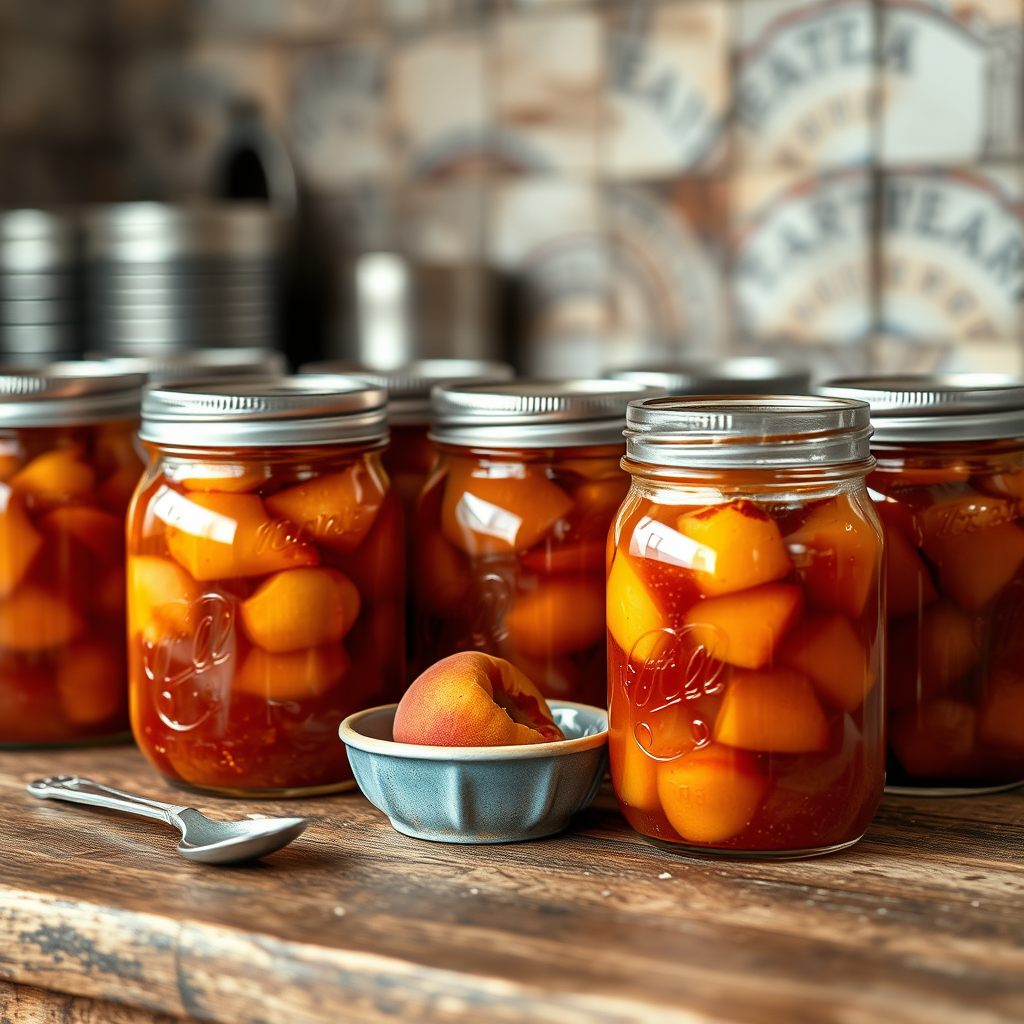
Avoid canning peach jam if you notice any signs of spoilage in the peaches, such as mold, unusual odors, or soft spots; these can compromise the safety of the jam. Additionally, do not use this protocol if you lack access to a water bath canner or if your kitchen environment is unsanitary, as this increases the risk of bacterial contamination. If you are uncertain about the acidity level of the peaches or using a recipe that hasn’t been tested for safety, refrain from canning until you have validated the recipe.
The Most Common Mistakes (And Their Consequences)
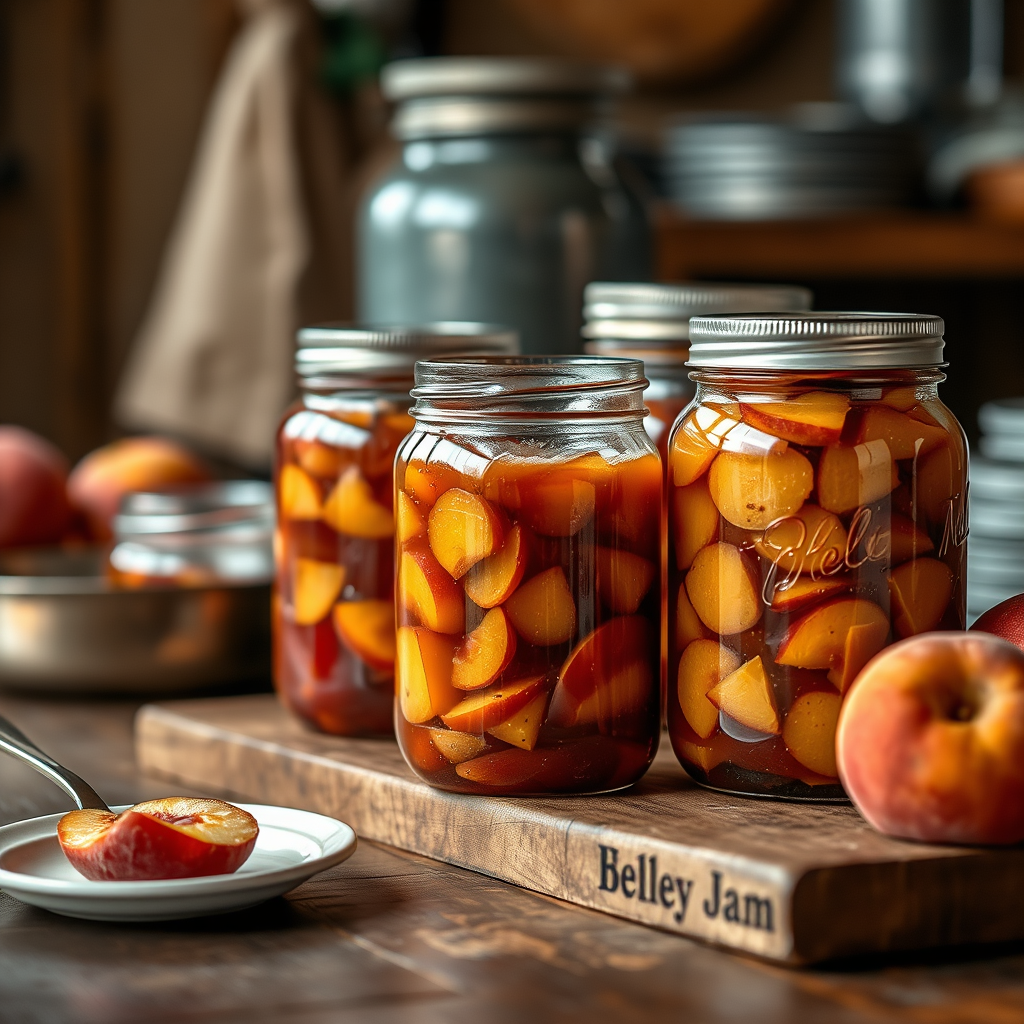
Neglecting to sterilize jars can lead to spoilage or contamination, resulting in unsafe jam that could harbor harmful bacteria. Using under-ripe or overripe peaches affects the pectin levels, potentially yielding a runny consistency rather than the desired thick texture. Inaccurate measurements of sugar and lemon juice can alter the jam’s pH, increasing spoilage risk and shortening shelf life. Furthermore, failing to process the jars for the correct duration can compromise preservation, potentially allowing harmful microorganisms to grow.
Special Cases That Need a Different Approach
If using frozen peaches, allow them to thaw and drain excess liquid before proceeding with the canning process, as frozen fruits often have higher water content. For those with dietary restrictions, alternative sweeteners can be utilized, but it is crucial to follow recipes designed for these sweeteners to ensure proper gelling and acidity. Additionally, when canning at high altitudes, adjustments to processing time and jar sealing methods may be necessary to accommodate lower boiling temperatures. Specifically, increase the processing time by 1 minute for every 1,000 feet above sea level.
When You Need a Professional
If you notice signs of botulism, such as bulging lids or off-putting smells, it is critical to discard the jam and consult a food safety expert immediately. If you feel uncertain about the canning process or encounter difficulties with equipment, seek advice from a local extension office or certified canning instructor. Furthermore, if you have medical conditions that could be exacerbated by improper food preservation, such as a compromised immune system, consult a professional before engaging in home canning.
Sources and Further Reading
– USDA Complete Guide to Home Canning: A comprehensive resource on safe canning practices and recipes (available at USDA.gov).
– National Center for Home Food Preservation: A reliable source for tested recipes and canning techniques (available at nchfp.uga.edu).
– Ball Canning Book: The authoritative reference for home canning recipes, including fruit preserves and jams (available for purchase online and in bookstores).
Frequently Asked Questions
What ingredients do I need for a peach jam canning recipe?
To make peach jam, you will need fresh ripe peaches, granulated sugar, lemon juice, and pectin. For optimal flavor, choose sweet, juicy peaches, and ensure you have the right type of pectin, either liquid or powdered, to achieve the desired consistency in your jam.
How do I properly can peach jam to ensure it lasts?
To properly can peach jam, start by sterilizing your jars and lids in boiling water. After cooking the jam to the right consistency, fill the hot jars, leaving a 1/4-inch headspace, and wipe the rims before sealing with lids. Process the jars in a boiling water bath for about 10-15 minutes to ensure a proper seal and to kill any bacteria, allowing your peach jam to last for up to a year.
Why is my peach jam too runny and how can I fix it?
If your peach jam is too runny, it may be due to insufficient pectin or not cooking it long enough to reach the gel stage. To fix it, you can re-cook the jam with additional pectin or cook it down longer until it thickens. Make sure to test the consistency by placing a spoonful on a cold plate to see if it sets properly.
What is the best method for peeling peaches before making jam?
The best method for peeling peaches is to blanch them in boiling water for about 30 seconds, then immediately transfer them to an ice bath. This process loosens the skin, making it easy to peel off with your fingers or a paring knife, ensuring you have smooth, skin-free peaches for your jam.
Which type of pectin is best for canning peach jam?
The best type of pectin for canning peach jam often depends on personal preference and the specific recipe. Liquid pectin is great for those who want a quick set, while powdered pectin allows for more control over the thickness. Always follow the instructions on the packaging for the best results in your peach jam canning.
References
- Fruit preserves
https://en.wikipedia.org/wiki/Jam - https://www.foodsafety.gov/food-safety-charts/canning-vegetables-fruits
https://www.foodsafety.gov/food-safety-charts/canning-vegetables-fruits - | National Center for Home Food Preservation
https://nchfp.uga.edu/how/can6jams.html - https://www.extension.purdue.edu/extmedia/HHS/HHS-826-W.pdf
https://www.extension.purdue.edu/extmedia/HHS/HHS-826-W.pdf - https://pubmed.ncbi.nlm.nih.gov/23263210/
https://pubmed.ncbi.nlm.nih.gov/23263210/ - https://www.fsis.usda.gov/wps/portal/fsis/topics/food-safety-education/get-answers/food-safety-fact-sheets
https://www.fsis.usda.gov/wps/portal/fsis/topics/food-safety-education/get-answers/food-safety-fact-sheets - Google Scholar Google Scholar
https://scholar.google.com/scholar?q=peach+jelly+canning+recipe - Google Scholar Google Scholar
https://scholar.google.com/scholar?q=peach+jam+preservation - Extension | Iowa State University Extension Store and Outreach
https://www.extension.iastate.edu/publications/pm2077.pdf - https://www.britannica.com/topic/jam
https://www.britannica.com/topic/jam