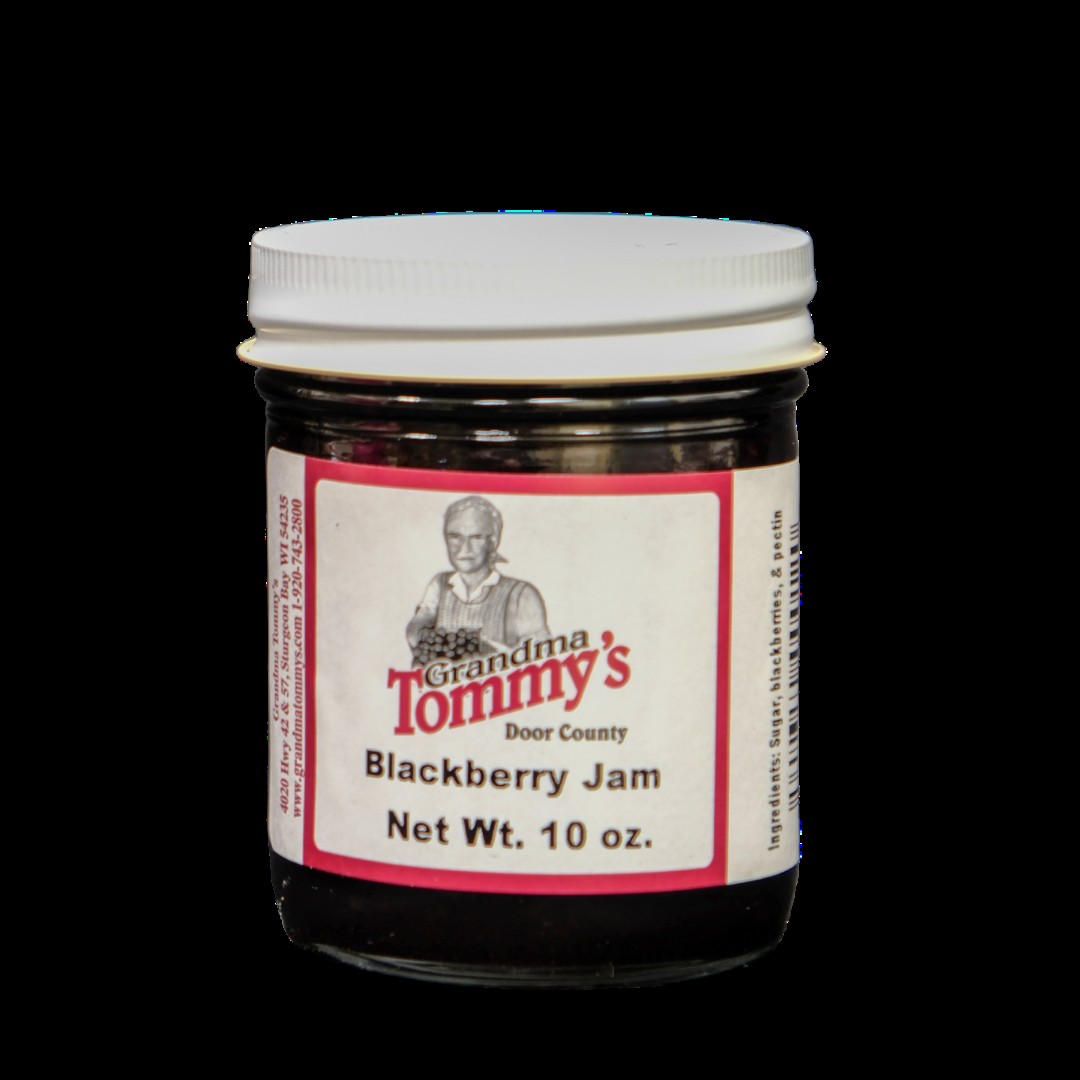
Mastering the art of safely canning blackberry jam is essential for anyone looking to preserve the rich, tangy flavor of summer’s bounty. This complete guide outlines expert protocols, from selecting the ripest berries to ensuring proper sterilization techniques, so you can enjoy homemade jam year-round without compromising safety. Following these precise steps not only enhances taste but also protects against foodborne illness, making your canning experience both enjoyable and secure.
What This Guide Covers (And What It Doesn’t)

This guide offers a detailed, step-by-step protocol for safely canning blackberry jam, emphasizing precise measurements and techniques that guarantee both food safety and quality. It specifically focuses on the canning process for blackberry jam, detailing necessary equipment, ingredient ratios, and sterilization methods. Notably, it omits unrelated fruit preservation methods. While commercial canning practices and advanced preservation techniques like pressure canning are excluded, the guide is designed for home canning, catering to beginners and intermediate canners alike.
Who Should Read This
This guide is crafted for home cooks and food enthusiasts eager to preserve seasonal blackberries by making jam. It specifically targets individuals with limited canning experience. Readers should possess basic kitchen skills, such as accurately measuring ingredients, operating kitchen equipment like stovetops and boiling pots, and maintaining cleanliness during food preparation. It is not intended for professional canners or those seeking advanced techniques, focusing instead on straightforward, beginner-friendly methods for crafting blackberry jam.
The Step-by-Step Protocol

1. Gather Your Ingredients and Equipment:
– Use 4 cups of ripe blackberries, 5 cups of granulated sugar, and 1/4 cup of lemon juice for optimal flavor and preservation.
– Prepare canning jars, lids, and rings, ensuring they are clean and sterilized in boiling water for 10 minutes.
2. Prepare the Blackberries:
– Wash the blackberries under cool running water and discard any overripe or spoiled fruit.
– Mash the blackberries using a potato masher or fork until you have about 3 cups of crushed fruit, ensuring there are no large chunks.
3. Cook the Jam Mixture:
– In a large pot, combine the crushed blackberries, lemon juice, and sugar, stirring until the sugar is fully dissolved.
– Bring the mixture to a rolling boil over medium-high heat, stirring frequently, and cook for 10-15 minutes until it reaches the gel stage (220°F or 104°C).
4. Fill and Process the Jars:
– Carefully ladle the hot jam into sterilized jars, leaving 1/4-inch headspace, and wipe the rims to ensure a good seal.
– Place the lids on the jars and process in a boiling water bath for 10 minutes, ensuring the water covers the jars by at least an inch.
Nutritional Profile of Blackberry Jam (Per 1 Tablespoon)
| # | Nutrient | Amount | % Daily Value | Calories |
|---|---|---|---|---|
| 1 | Total Fat | 0g | 0% | 50 |
| 2 | Sodium | 0mg | 0% | 50 |
| 3 | Total Carbohydrates | 13g | 4% | 50 |
| 4 | Sugars | 11g | N/A | 50 |
| 5 | Protein | 0g | 0% | 50 |
| 6 | Vitamin C | 0.5mg | 1% | 50 |
| 7 | Calcium | 1mg | 0% | 50 |
| 8 | Iron | 0.1mg | 1% | 50 |
Warning Signs: When Not to Follow This
Be cautious if the blackberries show signs of mold, fermentation, or emit an off smell; these are indicators of spoilage that can lead to foodborne illnesses. Additionally, avoid canning if your kitchen environment is unclean or if you lack proper sterilization equipment, as contamination can jeopardize the safety of the jam. Furthermore, if you live at altitudes above 1,000 feet, do not attempt to can blackberry jam without adjusting processing times, as this can compromise the safety and quality of the final product.
The Most Common Mistakes (And Their Consequences)
One prevalent mistake involves inaccurately measuring sugar; insufficient sugar can prevent the jam from setting properly, yielding a syrupy consistency instead of a firm jam. Failing to sterilize jars adequately can lead to contamination, resulting in mold growth or spoilage within the jar, rendering the jam unsafe to eat. Ignoring the boiling water bath process can result in jars that do not seal correctly, allowing bacteria to grow and potentially leading to botulism, a serious foodborne illness.
Special Cases That Need a Different Approach
If using frozen blackberries instead of fresh, ensure they are thawed and drained well to avoid excess liquid that could alter the jam’s consistency. For individuals with dietary restrictions or preferences, consider using low-sugar pectin or alternative sweeteners, adjusting the recipe accordingly, and following specific instructions for low-sugar canning. Additionally, if you live at high altitudes, you may need to increase processing time by 1 minute for every additional 1,000 feet above sea level to ensure proper sealing and safety.
When You Need a Professional
Consult a food preservation expert or your local extension office if you’re uncertain about the safety of your ingredients, especially if you notice signs of spoilage or lack familiarity with home canning practices. If you have medical conditions that may be affected by high-acid foods or are unsure about the safety of canning methods for your health, seek advice from a healthcare professional knowledgeable in food safety. Should you face persistent issues with jar sealing or spoilage after canning, contacting a licensed canning expert for guidance and troubleshooting is advisable.
Sources and Further Reading
For authoritative guidelines on safe canning practices and recipes, refer to the USDA Complete Guide to Home Canning. The National Center for Home Food Preservation also offers valuable resources and research-based advice on various preservation methods, including fruit jams and jellies. Additionally, local extension services often provide workshops and informational materials on food preservation, including safe methods for canning blackberry jam at home.
By following this expert guide, you can confidently embark on your blackberry jam canning journey, ensuring both safety and deliciousness in your homemade preserves.
Frequently Asked Questions
What ingredients are needed for a blackberry jam recipe for canning?
To make blackberry jam for canning, you’ll need fresh blackberries, granulated sugar, lemon juice, and pectin. The pectin is crucial for achieving the right consistency, while the lemon juice adds acidity, balancing the sweetness and helping with preservation.
How do I ensure my blackberry jam sets properly during canning?
To ensure your blackberry jam sets properly, make sure to follow the recommended ratios of fruit to sugar and pectin as outlined in your recipe. Additionally, cooking the jam to the right temperature (usually 220°F) and performing the “gel test” can help confirm that it has reached the desired consistency before canning.
Why is it important to sterilize jars when canning blackberry jam?
Sterilizing jars when canning blackberry jam is essential to prevent the growth of bacteria, yeast, and molds that could spoil your jam. Proper sterilization ensures that your jam remains safe to eat and extends its shelf life, making it a crucial step in the canning process.
What is the best method for canning blackberry jam to avoid spoilage?
The best method for canning blackberry jam to avoid spoilage is the water bath canning technique. This involves sealing the filled jars with lids and submerging them in boiling water for a specific time, which creates a vacuum seal that helps preserve the jam and prevents contamination.
Which tools are necessary for canning blackberry jam at home?
Essential tools for canning blackberry jam include a large pot for cooking the jam, canning jars with lids, a jar lifter, a funnel, and a ladle. Additionally, a candy thermometer can help ensure your jam reaches the right temperature for proper setting and preservation.
References
- Fruit preserves
https://en.wikipedia.org/wiki/Jam - https://extension.umd.edu/resource/how-make-blackberry-jam
https://extension.umd.edu/resource/how-make-blackberry-jam - | National Center for Home Food Preservation
https://nchfp.uga.edu/how/can_07/blackberry_jam.html - https://www.foodsafety.gov/keep/charts/jam.html
https://www.foodsafety.gov/keep/charts/jam.html - https://www.ncbi.nlm.nih.gov/pmc/articles/PMC5792285/
https://www.ncbi.nlm.nih.gov/pmc/articles/PMC5792285/ - https://www.cdc.gov/foodsafety/recipes/home-canning.html
https://www.cdc.gov/foodsafety/recipes/home-canning.html - Google Scholar Google Scholar
https://scholar.google.com/scholar?q=blackberry+jam+recipe+canning - Google Scholar Google Scholar
https://scholar.google.com/scholar?q=home+canning+blackberry+jam - Google Scholar Google Scholar
https://scholar.google.com/scholar?q=preserving+blackberries+jam - https://www.nutrition.gov/recipes/blackberry-jam-0
https://www.nutrition.gov/recipes/blackberry-jam-0