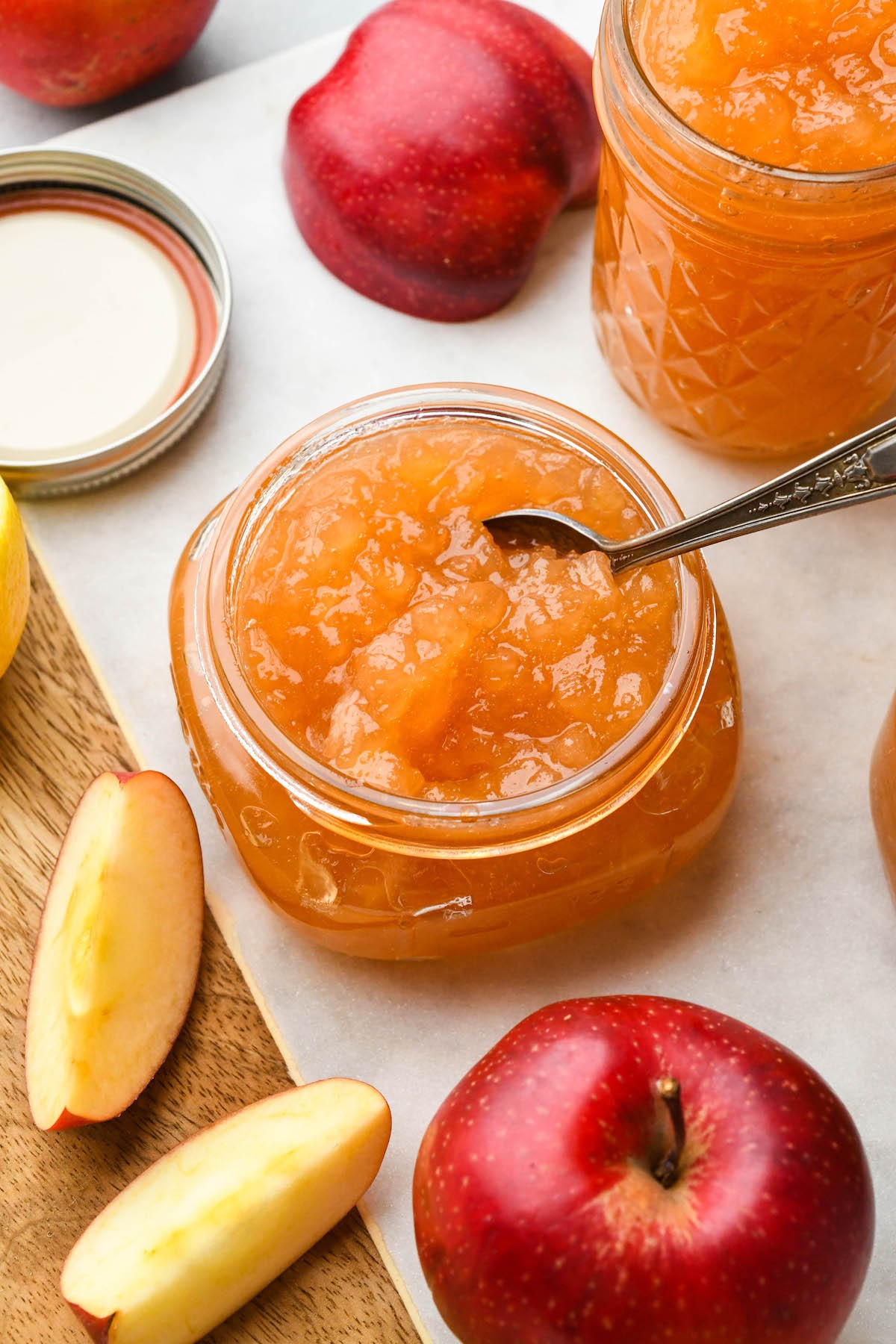
Mastering the apple jam recipe for canning ensures a delicious, safe preservation of this seasonal favorite. This complete guide walks you through expert protocols for selecting ingredients, sterilizing jars, and achieving the perfect seal. Adhering to these methods is crucial for food safety and optimal flavor, transforming fresh apples into a delightful spread that can be enjoyed year-round.
What This Guide Covers (And What It Doesn’t)
This guide provides a precise apple jam recipe tailored for canning, complete with detailed instructions on ingredients, equipment, and safety protocols to ensure shelf stability. Emphasizing methods that adhere to food safety standards established by authorities like the USDA, this resource focuses exclusively on safe canning techniques. It does not delve into alternative jam recipes or non-canning methods such as refrigeration or freezing. Designed for home canners with a basic understanding of kitchen safety, it aims to enhance your familiarity with apple jam canning procedures.
Who Should Read This
This guide is crafted for home cooks eager to preserve seasonal apples through canning and seeking a reliable, tested recipe that meets safety guidelines. It caters to those with a strong interest in food preservation, especially individuals who may have dabbled in canning before but now require a structured approach to making apple jam. However, it is not suitable for complete novices in the kitchen or those lacking a fundamental understanding of food safety and canning practices.
The Step-by-Step Protocol
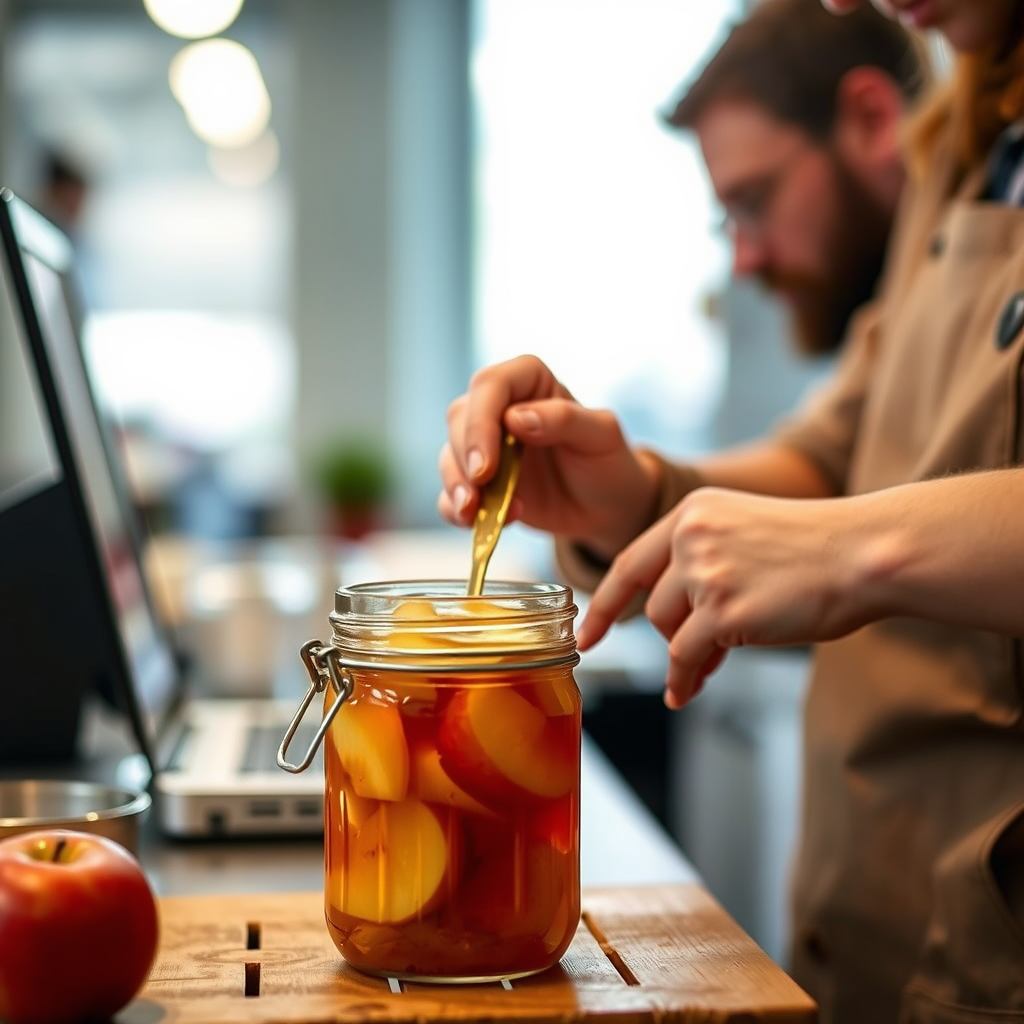
1. Gather all ingredients: You will need 4 cups of peeled and diced apples, 1 cup of granulated sugar, 1/4 cup of lemon juice, and 1 teaspoon of cinnamon.
2. Prepare your equipment: Sterilize your jars by boiling them in water for at least 10 minutes. It’s crucial to prepare the lids according to the manufacturer’s instructions, as this step ensures a proper seal.
3. Cook the apples: In a large pot, combine the diced apples, lemon juice, and cinnamon. Cook over medium heat until the apples become soft and mushy, which should take about 15-20 minutes. Stir occasionally to prevent sticking.
4. Add sugar and boil: Once the apples have softened, stir in the granulated sugar. Bring the mixture to a full rolling boil for 1-2 minutes. To confirm you have reached the gel stage, use a food thermometer; the mixture should reach 220°F (104°C).
5. Fill jars: Using a ladle, fill the sterilized jars with hot apple jam, leaving a 1/4-inch headspace. Wipe the rims of the jars with a damp cloth to ensure a good seal.
6. Process jars: Place the lids on the jars and process them in a boiling water canner for 10 minutes. If you are at a higher altitude, adjust the time accordingly by adding an additional 5 minutes for elevations above 1,000 feet.
7. Cool and store: After processing, remove the jars from the canner and let them cool on a clean towel. Check the seals after 24 hours. For optimal shelf life, store sealed jars in a cool, dark place.
Apple Varieties for Jam Making
| # | Apple Variety | Sugar Content (%) | Best For Jam | Flavor Profile |
|---|---|---|---|---|
| 1 | Granny Smith | 10-12% | ✔️ | Tart |
| 2 | Honeycrisp | 11-13% | ✔️ | Sweet/Tart |
| 3 | Fuji | 10-12% | ✔️ | Sweet |
| 4 | Gala | 9-11% | ✔️ | Sweet |
| 5 | Braeburn | 10-12% | ✔️ | Sweet/Tart |
| 6 | McIntosh | 8-10% | ✔️ | Tart |
| 7 | Red Delicious | 9-11% | ❌ | Sweet |
Warning Signs: When Not to Follow This
Avoid proceeding with this recipe if your apples exhibit any signs of spoilage, such as mold or unusual odors. If you lack the necessary equipment, including a boiling water canner or proper canning jars, do not attempt this recipe; doing so jeopardizes safety. Additionally, refrain from canning apple jam if you have a compromised immune system or if your kitchen conditions are unsanitary, as these factors could introduce harmful bacteria.
The Most Common Mistakes (And Their Consequences)
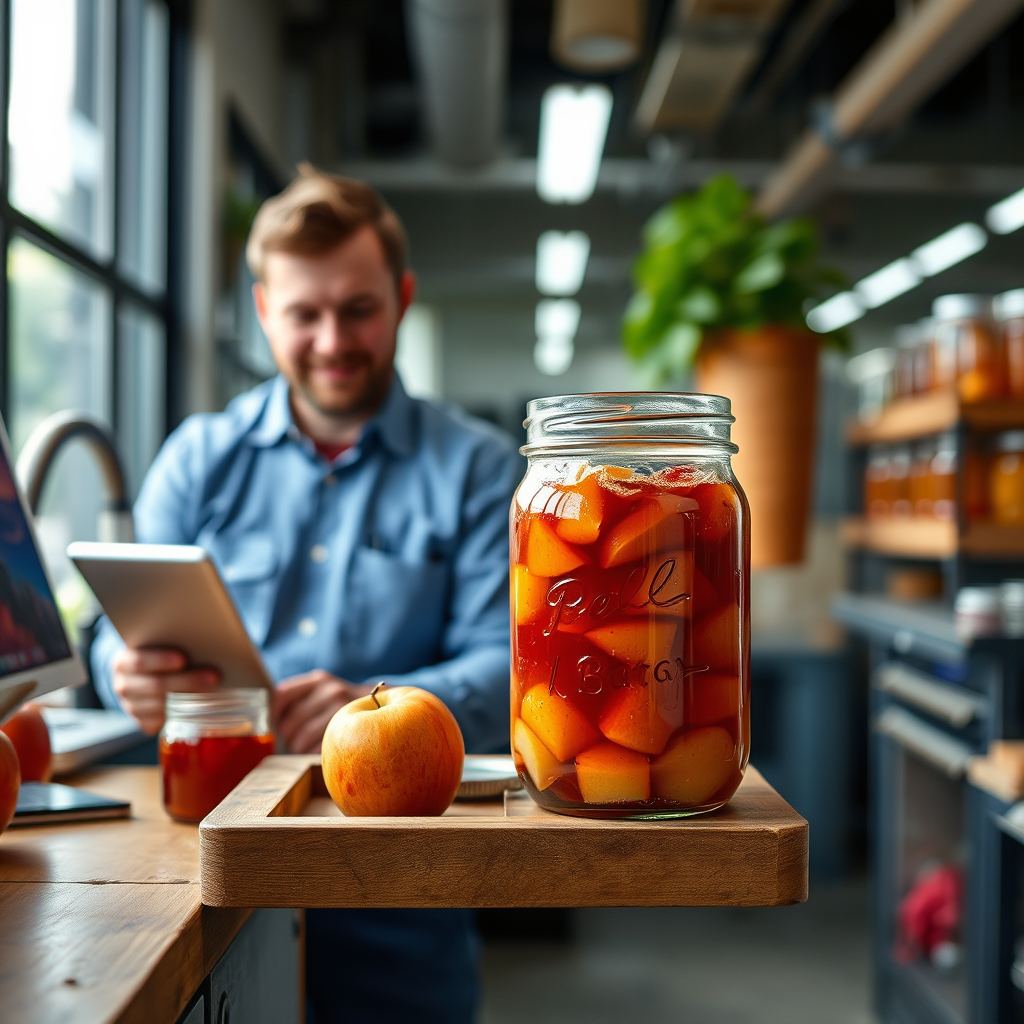
One of the most frequent errors is inaccurate sugar measurement; insufficient sugar can lead to improper gelling and spoilage during storage. Another common mistake is failing to process jars for the correct duration, which can result in unsealed jars and potential foodborne illness. Furthermore, overcrowding the canner by processing too many jars at once can impede proper heat circulation, risking uneven processing and safety hazards.
Special Cases That Need a Different Approach
When using low-acid apples, such as certain Fuji or Gala varieties, it’s crucial to add more acid—like extra lemon juice—to ensure safe preservation. For those living at high altitudes (above 6,000 feet), adjustments to processing times and acid additions are necessary for safety. If you prefer a lower-sugar version of apple jam, using a tested low-sugar pectin is essential for proper gel formation and preservation.
When You Need a Professional
If you have any doubts about the safety of your apples or your canning environment, consult a local extension office or a food preservation expert for guidance. When attempting to can apple jam at high altitudes beyond standard adjustments, seeking advice from a certified canning expert is advisable to avoid safety risks. If you notice any unusual signs in the canned jam, such as bulging lids or off smells, discard the jars immediately and consult a food safety professional.
Sources and Further Reading
– USDA Complete Guide to Home Canning, available at the USDA website, provides comprehensive guidelines on food preservation techniques.
– The National Center for Home Food Preservation offers resources and recipes specifically for canning, including apple jams and jellies.
– Ball Canning Book: The Complete Book of Home Preserving, which includes tested recipes and safety guidelines for various preserves, including fruit jams.
Frequently Asked Questions
What ingredients do I need for a basic apple jam recipe for canning?
To make a basic apple jam for canning, you’ll need fresh apples, sugar, lemon juice, and pectin. The apples can be any variety, but sweeter types like Fuji or Gala work best. Don’t forget to prepare your canning jars and lids beforehand to ensure a smooth canning process.
How do I properly can apple jam to ensure it is safe for long-term storage?
To safely can apple jam, start by sterilizing your jars and lids in boiling water. Fill the jars with the hot jam, leaving about 1/4 inch of headspace, and wipe the rims clean before sealing. Process the jars in a boiling water bath for the recommended time based on your altitude to ensure they seal properly and are safe for long-term storage.
Why is pectin important in an apple jam recipe for canning?
Pectin is crucial in an apple jam recipe because it helps the jam to thicken and set properly. Apples contain natural pectin, but adding additional pectin can enhance the texture and help achieve the desired consistency. This prevents the jam from being too runny and ensures a better quality product for canning.
What is the best way to prepare apples for making jam?
The best way to prepare apples for making jam is to wash them thoroughly, peel them if desired, and then core and chop them into small pieces. This allows for even cooking and helps the apples break down quickly during the jam-making process. You can also puree the apples for a smoother jam texture if preferred.
Which types of apples are best for making apple jam for canning?
The best types of apples for making apple jam include sweeter varieties like Fuji, Gala, or Honeycrisp, as they provide a rich flavor and natural sweetness. Tart apples like Granny Smith can also be used, especially if you prefer a more balanced taste. Combining different varieties can enhance the overall flavor profile of your jam.
References
- Fruit preserves
https://en.wikipedia.org/wiki/Jam - https://www.extension.purdue.edu/extmedia/FS/FS-50-W.pdf
https://www.extension.purdue.edu/extmedia/FS/FS-50-W.pdf - https://extension.unl.edu/publications/foodpreservation/applejam.pdf
https://extension.unl.edu/publications/foodpreservation/applejam.pdf - https://www.uga.edu/extension/publications/food-preservation/jams-jellies.pdf
https://www.uga.edu/extension/publications/food-preservation/jams-jellies.pdf - Google Scholar Google Scholar
https://scholar.google.com/scholar?q=apple+jam+recipe+canning - Google Scholar Google Scholar
https://scholar.google.com/scholar?q=homemade+fruit+jams+canning - https://pubmed.ncbi.nlm.nih.gov/21653606/
https://pubmed.ncbi.nlm.nih.gov/21653606/ - https://www.nal.usda.gov/legacy/legacy/food-preservation-jams-jellies
https://www.nal.usda.gov/legacy/legacy/food-preservation-jams-jellies - Page not found
https://www.clemson.edu/extension/food_safety/preservation/jams.html - https://www.foodsafety.gov/food-safety-charts/home-canning-safety
https://www.foodsafety.gov/food-safety-charts/home-canning-safety