Master the art of making strawberry jam without pectin with this expert guide, designed for both novice and seasoned cooks. This comprehensive protocol details the precise steps, techniques, and tips needed to achieve the perfect balance of flavor and texture. Understanding the science behind pectin-free jam ensures a successful batch every time, transforming fresh strawberries into a delicious preserve.
What This Guide Covers (And What It Doesn’t)
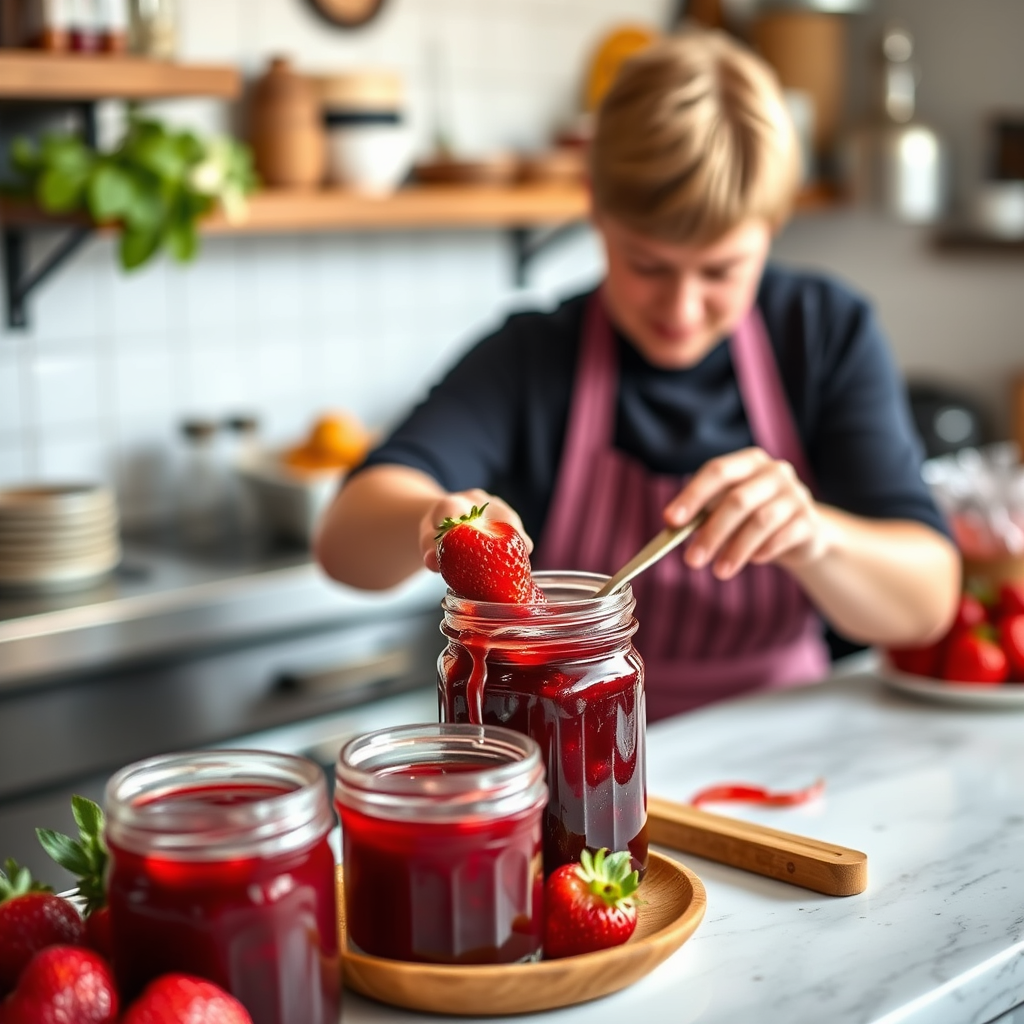
This guide offers a detailed, step-by-step approach to crafting strawberry jam without pectin, emphasizing techniques that harness the fruit’s natural sugars and acidity for setting. You’ll discover the essential ingredients, necessary equipment, and expert tips for achieving the ideal consistency, flavor, and preservation methods for your homemade strawberry jam.
However, this guide does not address pectin-based methods, advanced canning techniques, or recipes for other types of fruit jams. It is specifically focused on strawberry jam without pectin, making it an invaluable resource for home cooks seeking a traditional approach.
Who Should Read This
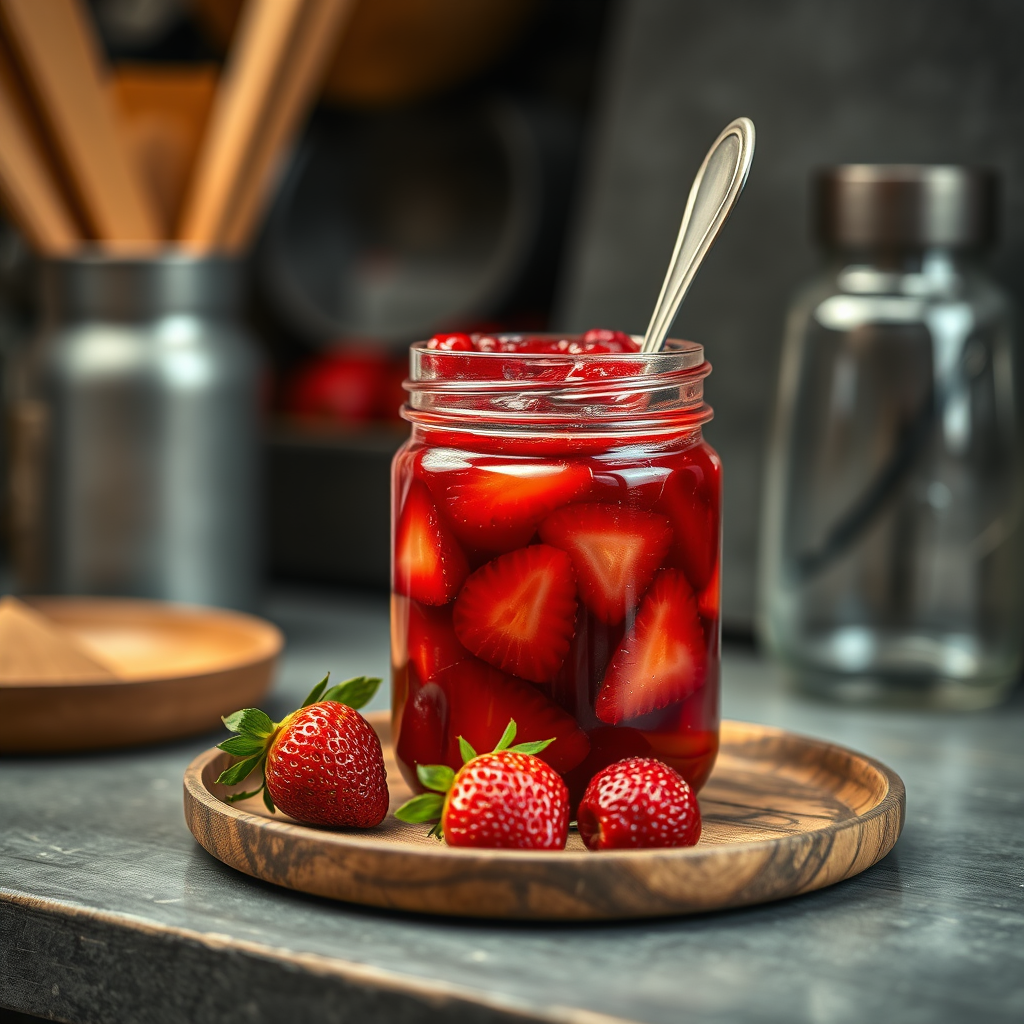
This guide is designed for home cooks who prefer natural food preservation methods and wish to avoid commercial pectin. A basic understanding of kitchen safety, including the importance of sterilization, is essential. Readers should feel comfortable using kitchen equipment such as pots and canning jars. If you’re looking for a homemade jam recipe that emphasizes fresh ingredients and a more traditional approach, this guide will serve you well.
The Step-by-Step Protocol
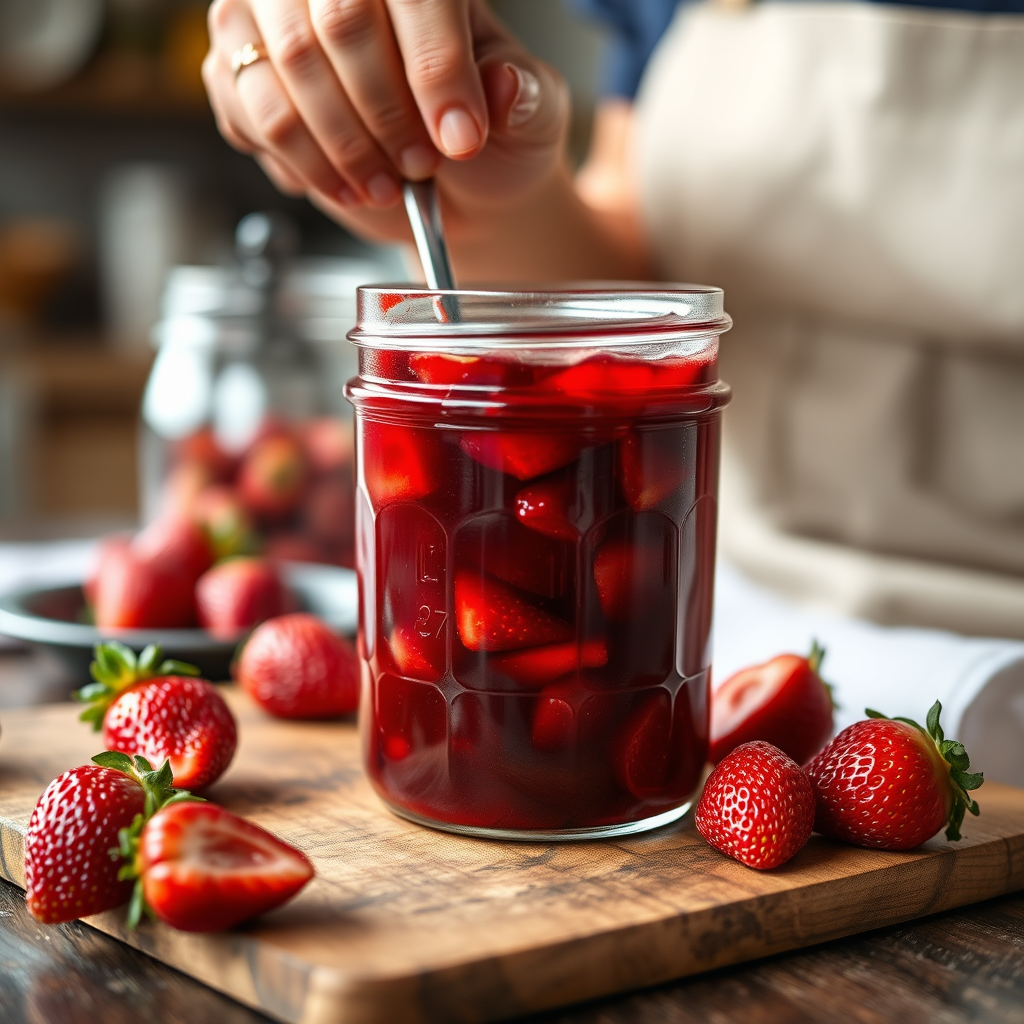
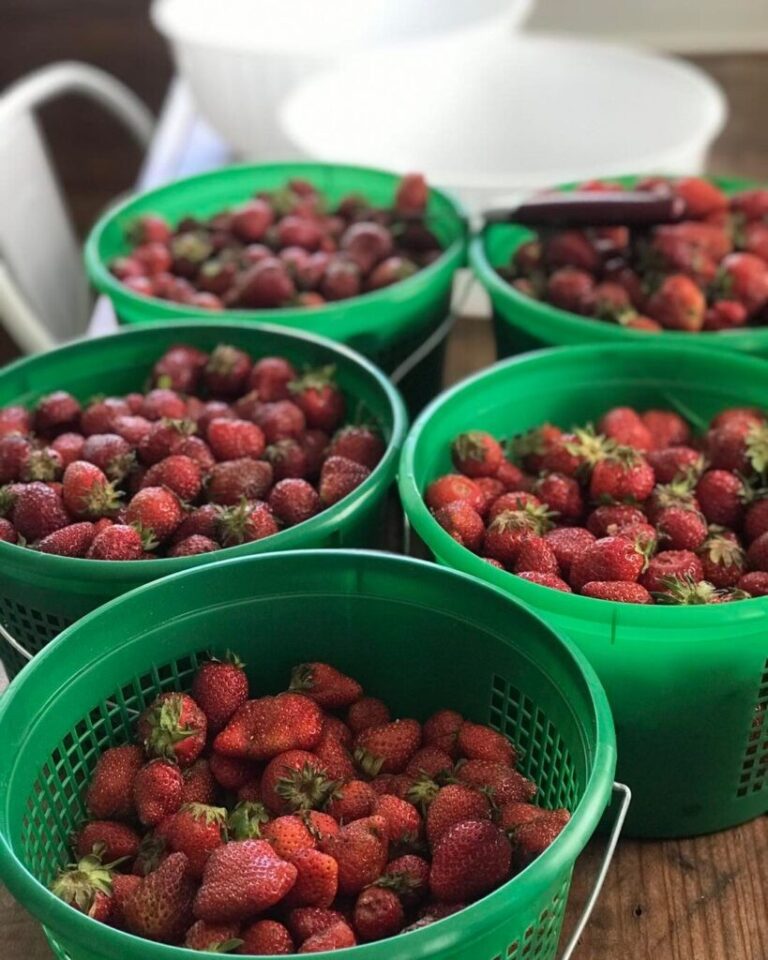
1. Gather Ingredients: Start with 2 pounds of fresh strawberries, 1 cup of granulated sugar, and the juice of 1 lemon (approximately 2 tablespoons). Choose ripe strawberries that are free from blemishes; their quality will significantly influence the flavor and texture of the jam.
2. Prepare Strawberries: Rinse the strawberries thoroughly under cool running water to eliminate any dirt or residues. Remove the green stems and slice the berries in halves or quarters, depending on their size. After slicing, measure the strawberries to ensure you have the full 2 pounds.
3. Combine Ingredients: In a large, heavy-bottomed pot, mix the sliced strawberries, sugar, and lemon juice. Stir gently to evenly coat the strawberries with the sugar and lemon. Allow the mixture to rest for about 30 minutes. This resting period enables the strawberries to release their juices, forming a syrupy base for the jam.
4. Cook the Mixture: Set the pot over medium heat and stir occasionally to prevent sticking. As the mixture heats, it will start to liquefy. Bring it to a gentle boil, then reduce the heat to a simmer. Cook for 20-30 minutes, stirring regularly and skimming off any foam that forms on the surface. The jam is ready when it thickens to your desired consistency.
5. Test for Consistency: To check the jam’s thickness, place a small spoonful on a chilled plate and run your finger through it. If it holds its shape and doesn’t immediately run back together, it’s ready. If it’s still too runny, continue to simmer and test every five minutes until the desired consistency is reached.
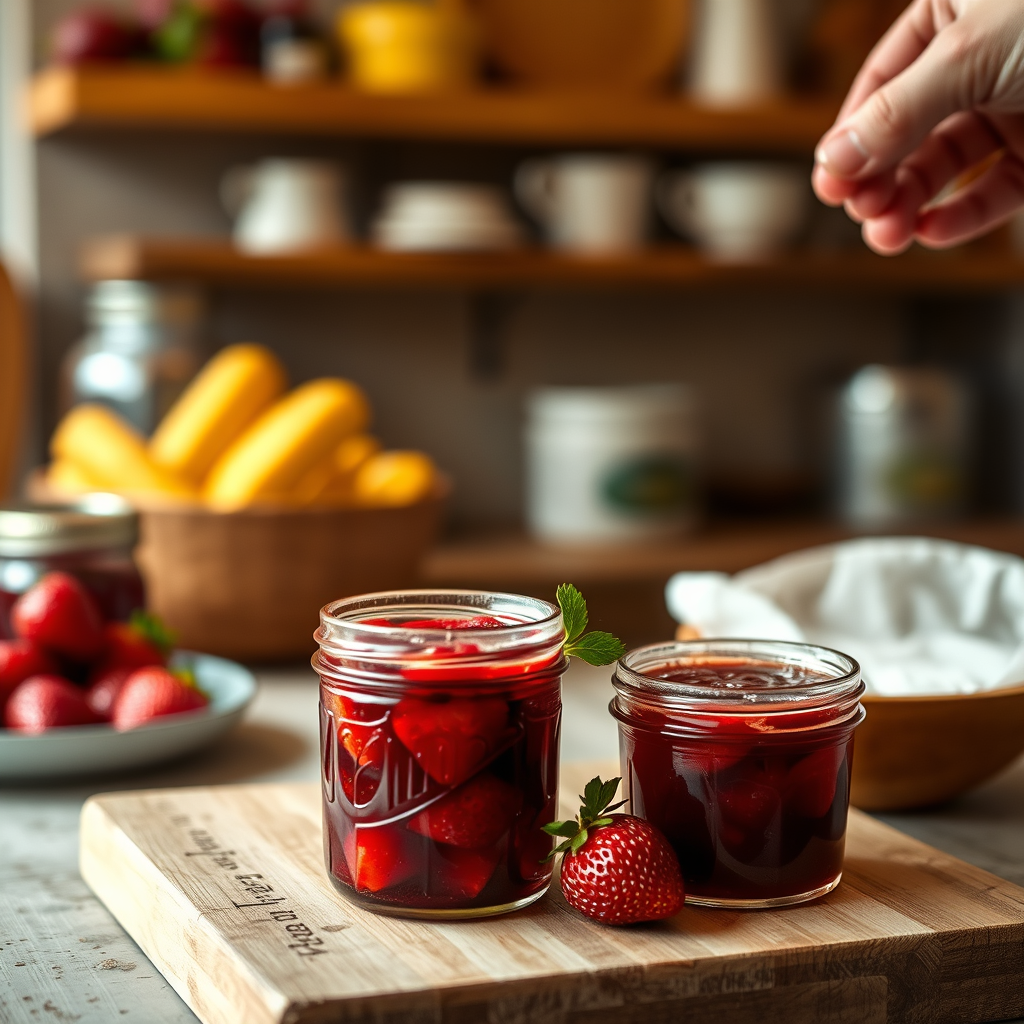
6. Jar the Jam: Once the jam has thickened, carefully pour it into sterilized jars, leaving a 1/4-inch headspace. Wipe the rims of the jars clean to ensure a proper seal. Seal the jars with lids and process them in a boiling water bath for 10 minutes if you plan to store the jam long-term. This step is critical for food safety and preservation.
Warning Signs: When Not to Follow This
– Avoid this recipe if your strawberries are overly ripe or have begun to spoil, as this can negatively impact the flavor and safety of the jam.
– Do not attempt this method if you cannot maintain proper kitchen hygiene and sterilization practices, as this may lead to bacterial growth in the jam.
– If you have a medical condition that requires strict control of sugar intake (such as diabetes), consult a healthcare provider before consuming or making this jam.
The Most Common Mistakes (And Their Consequences)
– A frequent error is not allowing the strawberries to macerate long enough, resulting in a jam that is overly thick and lacks depth of flavor due to insufficient juice extraction. Always let the mixture rest to maximize flavor development.
– Overcooking the mixture can yield a jam that is too thick and gummy, making it less enjoyable and difficult to spread. Monitor the cooking time closely and perform regular consistency tests.
– Neglecting to properly sterilize jars and lids can lead to spoilage, potentially resulting in foodborne illnesses. Always ensure that your jars are sanitized before use, whether through boiling or using a dishwasher.
Special Cases That Need a Different Approach
– If using frozen strawberries, keep in mind that the texture will differ from fresh ones; they should be thawed and drained before use to minimize excess liquid in the jam. This helps prevent the jam from becoming overly watery.
– For those who prefer a smoother jam, consider using a blender or immersion blender after cooking to achieve the desired consistency. However, do this before jarring, as blending after sealing can compromise the jar’s integrity.
– If you wish to enhance the flavor with spices (like vanilla or cinnamon), add them during cooking. Be mindful that this may alter the traditional taste of strawberry jam, so start with small quantities and adjust to your liking.
When You Need a Professional
– If you experience any adverse reactions after consuming homemade jam, such as gastrointestinal discomfort or allergic reactions, consult a physician immediately.
– In cases of large-scale food preservation (beyond personal use), or if you have concerns about food safety regulations, seek guidance from a food preservation expert or local extension service.
– If you are uncertain about the proper acidity levels of your jam, especially when adding other fruits, a food safety expert can help determine if additional acidification is necessary to prevent botulism. Proper acidity is vital for ensuring the safety of canned goods.
Sources and Further Reading
– National Center for Home Food Preservation: Guidelines on making jams and jellies without added pectin.
– Ball Canning Book: A trusted resource for preserving fruits and vegetables, including step-by-step jam recipes.
– USDA Complete Guide to Home Canning: Detailed information on safe canning practices and food preservation techniques.
By following this guide, you can create delicious strawberry jam without pectin, celebrating the natural flavors of this beloved fruit. Enjoy the process, and savor the results of your culinary efforts.
Frequently Asked Questions
What ingredients do I need for a strawberry jam recipe without pectin?
To make strawberry jam without pectin, you’ll need fresh strawberries, granulated sugar, and lemon juice. The strawberries provide natural pectin, while sugar helps with the preservation and sweetness, and lemon juice adds acidity to balance the flavors and assist with the gelling process.
How do I make strawberry jam without pectin step by step?
Begin by washing and hulling the strawberries, then mash them in a large pot. Add sugar and lemon juice, and let the mixture sit for about 30 minutes to draw out the juices. Cook over medium heat, stirring frequently, until the mixture thickens, which usually takes about 20-30 minutes. To test for doneness, place a spoonful on a plate; if it holds its shape after cooling, it’s ready for canning.
Why is pectin not necessary for making strawberry jam?
Pectin is not necessary for making strawberry jam because strawberries naturally contain pectin, which helps the jam to thicken. By using a longer cooking time and the right sugar-to-fruit ratio, you can achieve a deliciously thick jam without the need for added pectin.
What is the best way to store homemade strawberry jam without pectin?
The best way to store homemade strawberry jam without pectin is to use sterilized jars and lids. Once the jam has cooled, ensure it is sealed tightly, and store it in the refrigerator for up to three weeks, or process the jars in a water bath for long-term storage, which can last up to a year in a cool, dark place.
Which tools do I need to prepare strawberry jam without pectin?
To prepare strawberry jam without pectin, you’ll need a large pot for cooking, a wooden spoon for stirring, a potato masher or fork for mashing strawberries, and sterilized glass jars for storage. A ladle and funnel can also be helpful for transferring the jam into jars without spills.
References
- Strawberry
https://en.wikipedia.org/wiki/Strawberry - https://www.ncbi.nlm.nih.gov/pmc/articles/PMC5799202/
https://www.ncbi.nlm.nih.gov/pmc/articles/PMC5799202/ - Google Scholar Google Scholar
https://scholar.google.com/scholar?q=strawberry+jam+recipe+without+pectin - https://www.sciencedirect.com/topics/agricultural-and-biological-sciences/strawberry-jam
https://www.sciencedirect.com/topics/agricultural-and-biological-sciences/strawberry-jam - Strawberry jam recipe | Good Food
https://www.bbcgoodfood.com/recipes/strawberry-jam - https://www.verywellfit.com/how-to-make-strawberry-jam-4164966
https://www.verywellfit.com/how-to-make-strawberry-jam-4164966 - https://www.nutrition.gov/topics/food-safety/food-preservation/jam-and-jelly-making
https://www.nutrition.gov/topics/food-safety/food-preservation/jam-and-jelly-making - https://www.cdc.gov/foodsafety/resources/literature/foodpreservation.html
https://www.cdc.gov/foodsafety/resources/literature/foodpreservation.html - Google Scholar Google Scholar
https://scholar.google.com/scholar?q=homemade+strawberry+jam+recipe - https://www.mayoclinic.org/healthy-lifestyle/nutrition-and-healthy-eating/in-depth/jam-and-jelly/art-20047405
https://www.mayoclinic.org/healthy-lifestyle/nutrition-and-healthy-eating/in-depth/jam-and-jelly/art-20047405