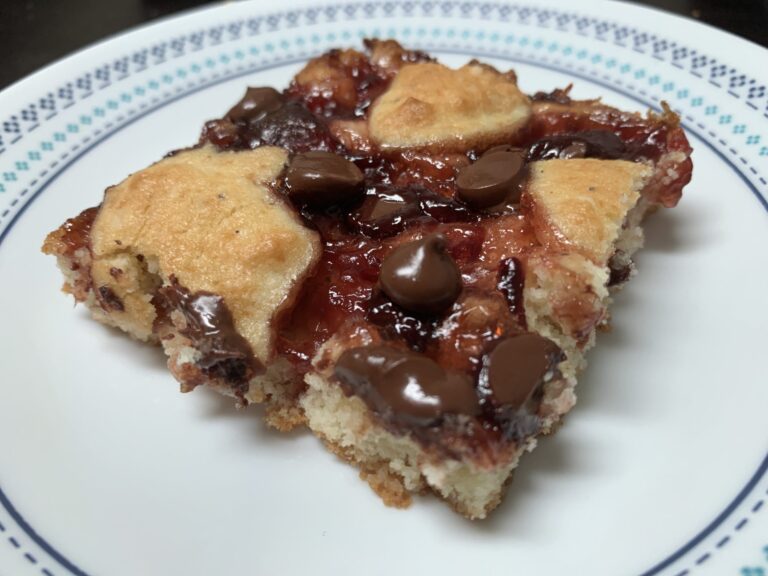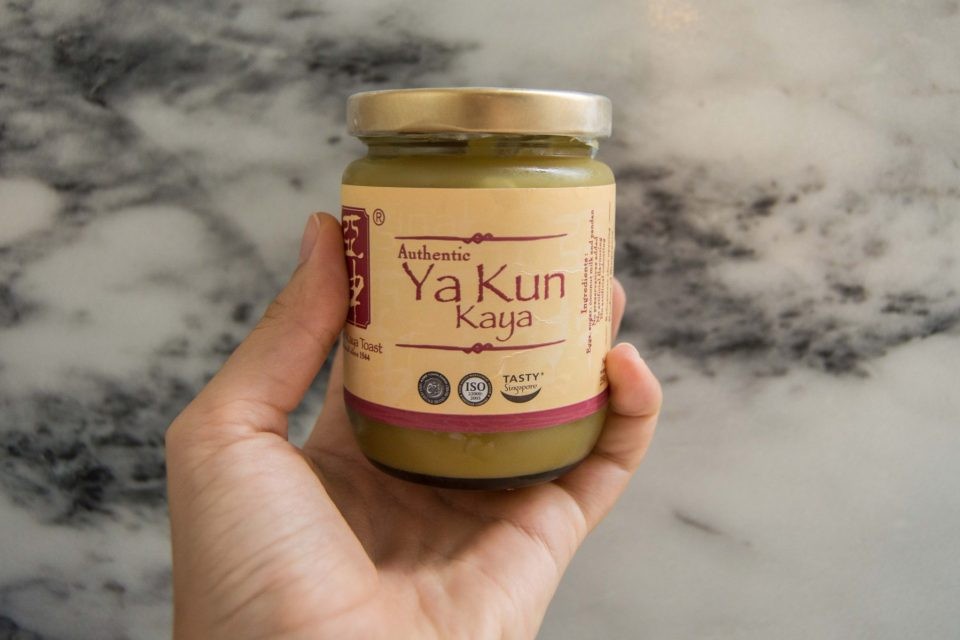
Mastering the kaya jam recipe is essential for anyone seeking to create this beloved Southeast Asian delicacy at home. This comprehensive guide provides a step-by-step protocol to ensure your kaya jam turns out rich, creamy, and perfectly sweet every time. Following precise methods not only enhances flavor but also guarantees the right texture, making your homemade kaya a standout treat. Whether you’re a novice or an experienced cook, this guide will elevate your jam-making skills to new heights.
What This Guide Covers (And What It Doesn’t)
This guide offers an in-depth, step-by-step recipe for crafting traditional kaya jam, focusing on the classic coconut and pandan variety. It outlines ingredient specifications, cooking techniques, and storage recommendations while providing alternatives for flavor variations. However, it does not delve into other types of jams or spreads. Throughout the guide, you will find troubleshooting tips, common mistakes to avoid, and special cases that may require adjustments to the standard recipe.
Who Should Read This
Designed for home cooks with a basic understanding of cooking, this guide is perfect for those eager to explore traditional Southeast Asian recipes. It caters especially to individuals who enjoy making preserves and jams at home, particularly those with an interest in Asian cuisine. While beginners may find some steps challenging due to the precision required in making kaya jam, more experienced cooks will appreciate the detailed approach.
The Step-by-Step Protocol
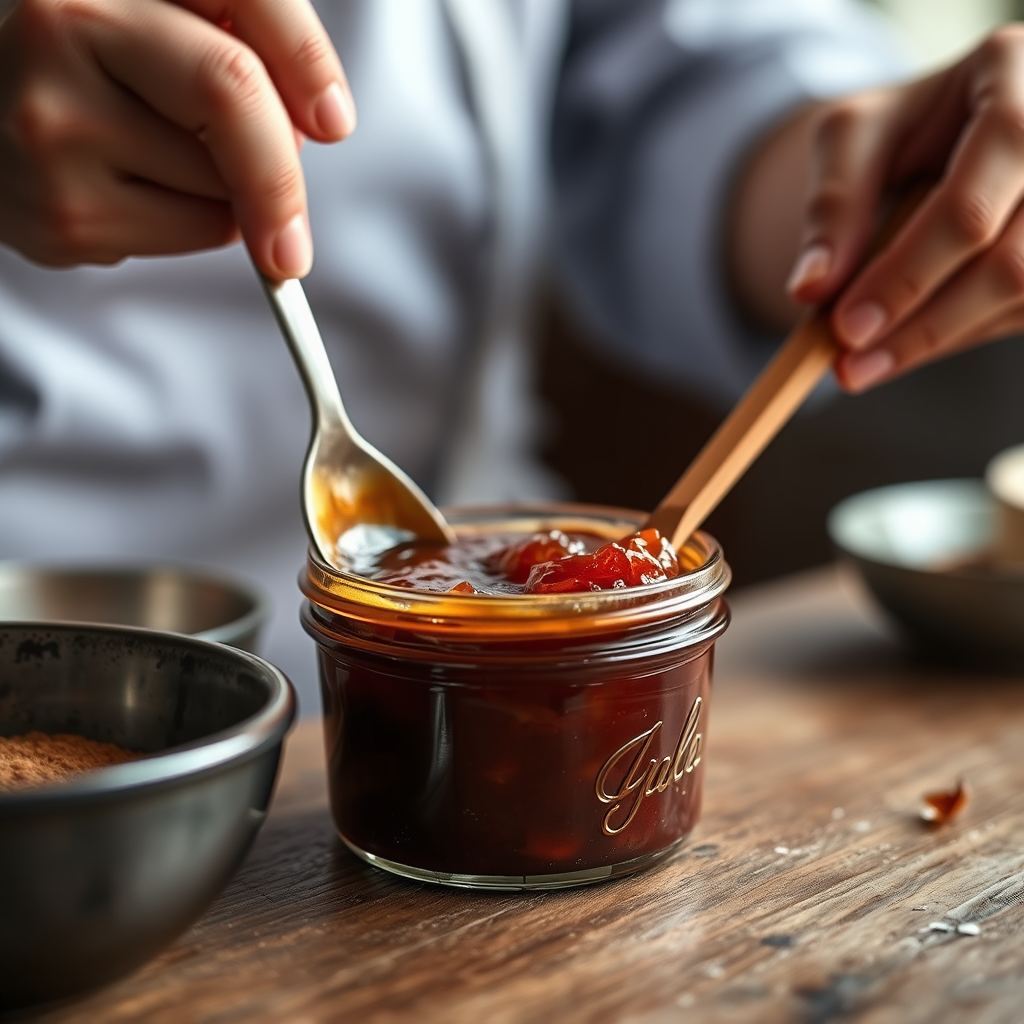
1. Gather Ingredients: Start with 400g of granulated sugar, 250ml of coconut milk, 6 large eggs, 4 pandan leaves, and a pinch of salt. The quality of your coconut milk and pandan leaves will significantly affect the flavor.
2. Prepare Pandan Extract: Blend the pandan leaves with 100ml of water, then strain the mixture to extract the vibrant green juice, setting it aside for later use.
3. Mix Ingredients: In a large bowl, whisk together the eggs and sugar until well combined. Gradually stir in the coconut milk and pandan extract, ensuring a smooth mixture.
4. Cook the Mixture: Pour the mixture into a double boiler or a heatproof bowl over simmering water. Stir continuously for about 30-45 minutes until it thickens to a custard-like consistency that coats the back of a spoon.
5. Cool and Store: Once thickened, remove from heat and let it cool completely. Transfer to sterilized jars, seal tightly, and store in the refrigerator for up to 2 weeks.
Kaya Jam Ingredients Comparison
| # | Ingredient | Quantity | Nutritional Value per Serving | Notes |
|---|---|---|---|---|
| 1 | Granulated Sugar | 400g | 1540 kcal | Sweetening agent |
| 2 | Coconut Milk | 250ml | 450 kcal | Main flavor |
| 3 | Large Eggs | 6 | 420 kcal | Thickening agent |
| 4 | Pandan Leaves | 4 leaves | Negligible | Flavoring |
| 5 | Salt | Pinch | Negligible | Enhances flavor |
Warning Signs: When Not to Follow This
– If you have allergies to any of the ingredients, particularly eggs or coconut, avoid making kaya jam, as this could lead to serious health issues.
– Ensure you have the necessary kitchen equipment, such as a double boiler or mixing tools. Lacking these can hinder the process and affect the final texture.
– Exercise caution in highly humid environments, as this can disrupt the thickening process and lead to spoilage if storage isn’t managed properly.
The Most Common Mistakes (And Their Consequences)
– Overheating the mixture can cause scrambled eggs instead of a smooth custard. Use low heat and stir continuously to ensure even cooking.
– Failing to strain the pandan leaves thoroughly may result in a gritty texture, detracting from the silky quality of the kaya jam.
– Incorrect ratios of sugar to coconut milk can alter both sweetness and consistency; precise measurements are crucial for achieving optimal results.
Special Cases That Need a Different Approach
– For a vegan version, substitute eggs with a mixture of cornstarch and water—specifically, 2 tablespoons of cornstarch mixed with 6 tablespoons of water—to achieve a similar thickening effect.
– If using fresh coconut instead of canned coconut milk, make sure to extract the milk properly and adjust the quantity to match the desired fat content for creaminess.
– In areas where pandan leaves are unavailable, vanilla extract can serve as a substitute, although the flavor will vary significantly from traditional kaya jam.
When You Need a Professional
– If you’re uncertain about safe egg handling practices, particularly regarding freshness and food safety, consulting a food safety expert is advisable to avoid potential health risks.
– For individuals managing allergies or dietary restrictions, a nutritionist can provide tailored advice on ingredient substitutions and safety.
– If repeated attempts to achieve the correct consistency prove unsuccessful, consider reaching out to a culinary professional for guidance on technique and equipment.
Sources and Further Reading
– “Kaya: A Complete Guide” by Amy Tan, which details various recipes and techniques for making kaya jam and other traditional spreads.
– The Malaysian Food and Drink Encyclopedia, which explores the cultural significance and variations of kaya jam across Southeast Asia.
– Research studies on food safety published by the Food and Drug Administration (FDA) that discuss proper preservation methods for homemade jams and other perishable items.
This guide equips you with everything you need to successfully create kaya jam, allowing you to savor this delicious treat at home. Happy cooking!
Frequently Asked Questions
What ingredients do I need for a traditional kaya jam recipe?
To make traditional kaya jam, you will need pandan leaves, coconut milk, eggs, sugar, and a pinch of salt. These ingredients combine to create a rich, creamy texture and a sweet flavor, characteristic of authentic kaya jam. Ensure you use fresh pandan leaves for the best aroma and taste.
How do I make kaya jam from scratch?
To make kaya jam from scratch, blend pandan leaves with water to extract the juice, then strain it. In a bowl, whisk together the sugar, eggs, and coconut milk, then add the pandan juice. Cook the mixture over low heat, stirring continuously until it thickens to a custard-like consistency, which usually takes about 30-40 minutes.
Why is my kaya jam not thickening properly?
If your kaya jam isn’t thickening, it may be due to cooking at too high a temperature or not cooking long enough. It’s crucial to maintain low heat and stir the mixture continuously to prevent curdling and ensure even cooking. Patience is key, as kaya jam requires time to develop the right texture.
What is the best way to store kaya jam for long-lasting freshness?
The best way to store kaya jam is to keep it in an airtight container in the refrigerator, where it can last up to two weeks. For longer storage, consider freezing the jam in small portions, which can be defrosted as needed. Make sure to label the container with the date for optimal freshness.
Which dishes pair well with kaya jam?
Kaya jam pairs beautifully with toast, pancakes, and waffles, making it a delightful breakfast spread. Additionally, it can be used as a filling for pastries or served alongside desserts like coconut panna cotta. Its sweet, aromatic flavor complements both sweet and savory dishes, enhancing your culinary experiences.
References
- https://en.wikipedia.org/wiki/Kaya_(coconut_spread
https://en.wikipedia.org/wiki/Kaya_(coconut_spread - https://www.bbc.co.uk/food/recipes/kaya_coconut_jam_19404
https://www.bbc.co.uk/food/recipes/kaya_coconut_jam_19404 - https://www.thespruceeats.com/how-to-make-kaya-jam-3030569
https://www.thespruceeats.com/how-to-make-kaya-jam-3030569 - https://www.nytimes.com/2020/05/26/dining/kaya-jam-recipe.html
https://www.nytimes.com/2020/05/26/dining/kaya-jam-recipe.html - https://www.theguardian.com/food/2021/jun/19/how-to-make-kaya-jam-recipe
https://www.theguardian.com/food/2021/jun/19/how-to-make-kaya-jam-recipe - Google Scholar Google Scholar
https://scholar.google.com/scholar?q=kaya+jam+recipe - Google Scholar Google Scholar
https://scholar.google.com/scholar?q=kaya+jelly+recipe - Google Scholar Google Scholar
https://scholar.google.com/scholar?q=coconut+jam+preparation - https://www.ncbi.nlm.nih.gov/pmc/articles/PMC7070552/
https://www.ncbi.nlm.nih.gov/pmc/articles/PMC7070552/ - https://www.sciencedirect.com/topics/agricultural-and-biological-sciences/kaya-jam
https://www.sciencedirect.com/topics/agricultural-and-biological-sciences/kaya-jam