Making jam without pectin is a rewarding process that allows you to create delicious, naturally thickened spreads at home. This complete guide provides expert step-by-step protocols to ensure your homemade jam achieves the perfect consistency and flavor. Understanding the right techniques is crucial for preserving freshness and taste, making this guide essential for both novice and seasoned jam makers alike.
What This Guide Covers (And What It Doesn’t)

This guide offers an in-depth look at making jam without pectin, emphasizing natural thickening techniques through the use of fruit sugars and acidity levels. You’ll discover specific fruit selections, ratios, and cooking methods necessary for achieving the ideal consistency and flavor in your jam. Included are step-by-step instructions, troubleshooting tips, and storage guidelines. However, it intentionally excludes alternative preservation methods and the use of commercial pectin.
Who Should Read This

Home cooks eager to preserve seasonal fruits and create homemade jam without commercial pectin will find this guide invaluable. It’s especially beneficial for those with dietary restrictions or individuals looking to eliminate certain additives from their food. However, this guide may not be suitable for complete beginners who lack basic canning knowledge or those uncertain about the cooking process involved in jam making.
The Step-by-Step Protocol
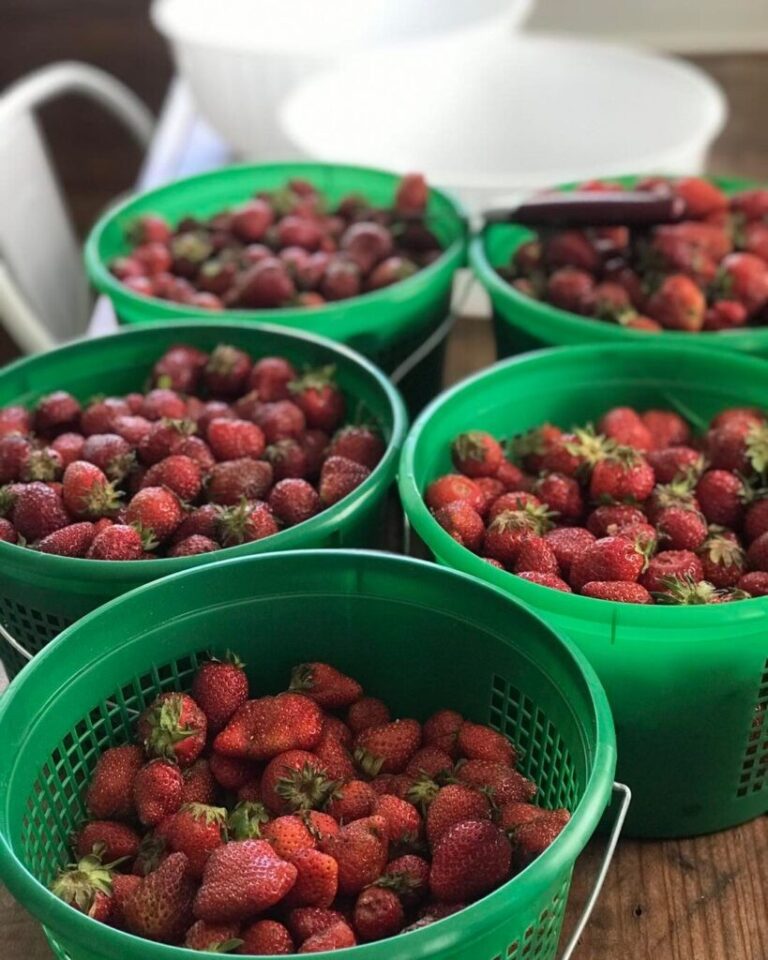
1. Select and Prepare Your Fruit: Choose ripe, in-season fruit such as strawberries, raspberries, or blueberries. Wash, hull, and chop to yield about 4 cups of prepared fruit.
2. Combine Ingredients: In a large pot, mix the prepared fruit with 2 cups of granulated sugar and the juice of 1 lemon (about 2 tablespoons) to enhance natural pectin levels.
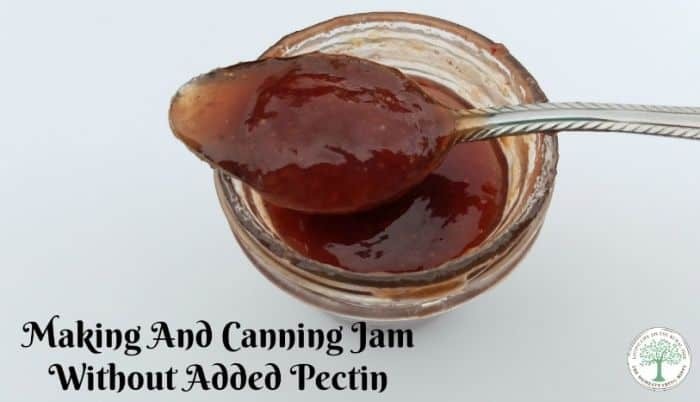
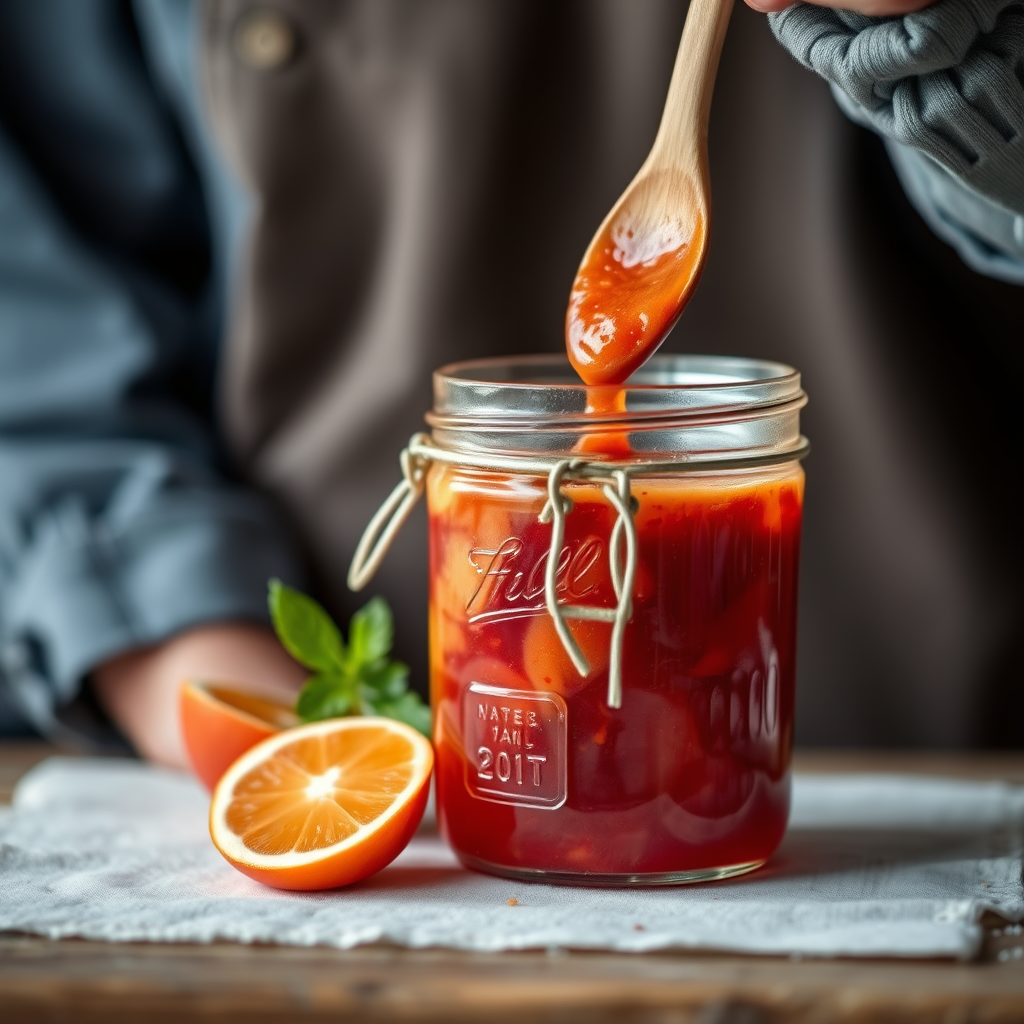
3. Cook the Mixture: Bring the mixture to a boil over medium heat, stirring frequently. Allow it to boil for 15-20 minutes, monitoring the consistency. Use a spoon to check if it drips slowly off the back.
4. Test for Setting Point: To check if the jam is ready, place a small amount on a cold plate and run your finger through it; if it holds its shape, it’s ready for canning.
Top 7 Fruits for Jam Without Pectin (2024)
| # | Fruit | Natural Pectin Level | Sugar Needed (cups) | Best Season |
|---|---|---|---|---|
| 1 | Strawberries | Low | 2 | June |
| 2 | Raspberries | Medium | 1.5 | July |
| 3 | Blueberries | Low | 2 | August |
| 4 | Peaches | Very Low | 2.5 | August |
| 5 | Blackberries | Medium | 2 | July |
| 6 | Apricots | Low | 2 | June |
| 7 | Cherries | Medium | 2 | July |
Warning Signs: When Not to Follow This

Inspect your fruit carefully before proceeding, as using overripe or damaged fruit can prevent the jam from setting properly. If you have a low tolerance for high-sugar content, this recipe may not be suitable for you, as it relies heavily on sugar for flavor and preservation. Additionally, if your kitchen lacks adequate sanitation or temperature control, it’s best to avoid this jam-making process altogether.
The Most Common Mistakes (And Their Consequences)
Precision is key when it comes to sugar measurements; adding too much or too little can lead to jam that either fails to set or is excessively sweet. Ensure you cook the mixture long enough to avoid runny jam; reaching the correct boiling time and consistency is crucial. Furthermore, omitting lemon juice can reduce the acidity necessary for proper preservation, potentially leading to spoilage or unsafe storage conditions.
Special Cases That Need a Different Approach
For low-sugar or sugar-free variations, specific adjustments are needed, such as using alternative sweeteners that may not gel the same way; refer to specialized recipes for these adaptations. When working with fruits that have low natural pectin (like peaches or pears), consider increasing the lemon juice or adding a small amount of apple to enhance gelling. Be aware that larger batches or different fruit combinations may require adjustments to cooking times and sugar ratios based on the unique characteristics of the fruit.
When You Need a Professional
If you notice any signs of spoilage in your jam, such as off smells, discoloration, or mold, discard it immediately and consult a food safety expert. For canning large quantities or using unfamiliar fruits, reaching out to a local extension service or food preservation expert is advisable to ensure safe practices. If you have specific health concerns or allergies related to ingredients, consulting a healthcare professional can help tailor the recipe to your needs.
Sources and Further Reading
– USDA Complete Guide to Home Canning provides reliable, research-based information on safe canning practices and preservation methods.
– “The Ball Book of Canning and Preserving” offers extensive recipes and techniques specifically for making jams and jellies without pectin.
– Local cooperative extensions often provide workshops and resources for home canning and jam-making, ensuring you have access to expert guidance and community support.
Frequently Asked Questions
What fruits can I use to make jam without pectin?
You can use a variety of fruits to make jam without pectin, including strawberries, blueberries, raspberries, peaches, and apples. The key is to select fruits that are naturally high in sugar and acidity, which help in the gelling process. Overripe fruits also work well as they contain more natural pectin.
How do I make jam without pectin from fresh fruit?
To make jam without pectin from fresh fruit, start by washing and chopping your chosen fruit, then mash it slightly. Combine the fruit with sugar in a saucepan and cook over medium heat, stirring frequently until the mixture thickens, usually around 20-30 minutes. Remember to use a thermometer to check for the desired gelling point, which is typically around 220°F.
Why is pectin commonly used in jam recipes?
Pectin is commonly used in jam recipes because it acts as a gelling agent, helping to thicken the mixture and achieve the desired consistency. It allows for a quicker cooking time and a more predictable set. However, making jam without pectin can yield a more natural flavor and allows for flexibility in sweetness.
What is the best sugar-to-fruit ratio for making jam without pectin?
The best sugar-to-fruit ratio for making jam without pectin typically ranges from 3:1 to 1:1, depending on the sweetness of the fruit and your taste preference. For example, if you use 4 cups of fruit, you may add between 1 to 3 cups of sugar. Adjusting the sugar can influence both the flavor and the preservation of the jam.
Which methods can I use to test if my jam is ready without pectin?
You can test if your jam is ready without pectin by using the “plate test.” Place a small spoonful of the hot jam on a chilled plate and let it sit for a minute. Then, run your finger through it; if it holds its shape and wrinkles slightly, it’s ready for canning. Alternatively, you can use a candy thermometer to check if it reaches the proper temperature of around 220°F.
References
- Fruit preserves
https://en.wikipedia.org/wiki/Jam - Expert Resources | CAES Field Report
https://www.uga.edu/extension/publications/PNW-3.pdf - https://www.foodsafety.gov/food-safety-charts/jam-and-jelly
https://www.foodsafety.gov/food-safety-charts/jam-and-jelly - https://www.nal.usda.gov/legacy/legacy/what-jam-and-jelly
https://www.nal.usda.gov/legacy/legacy/what-jam-and-jelly - https://naldc.nal.usda.gov/download/IND23260053/PDF
https://naldc.nal.usda.gov/download/IND23260053/PDF - https://pubmed.ncbi.nlm.nih.gov/29286244/
https://pubmed.ncbi.nlm.nih.gov/29286244/ - Google Scholar Google Scholar
https://scholar.google.com/scholar?q=jam+recipe+without+pectin - Google Scholar Google Scholar
https://scholar.google.com/scholar?q=homemade+jam+no+pectin - Google Scholar Google Scholar
https://scholar.google.com/scholar?q=fruit+preservation+without+pectin - https://www.extension.iastate.edu/foodsource/preservation/jams.html
https://www.extension.iastate.edu/foodsource/preservation/jams.html