Grape jam and jelly recipes require precision and expertise to achieve that perfect balance of flavor and texture. This comprehensive guide provides step-by-step protocols for crafting both traditional and innovative grape preserves, ensuring you avoid common pitfalls. Understanding the science of fruit preservation is essential, as it determines the quality and shelf life of your homemade creations. Dive in to elevate your culinary skills and delight your taste buds with expert techniques.
What This Guide Covers (And What It Doesn’t)
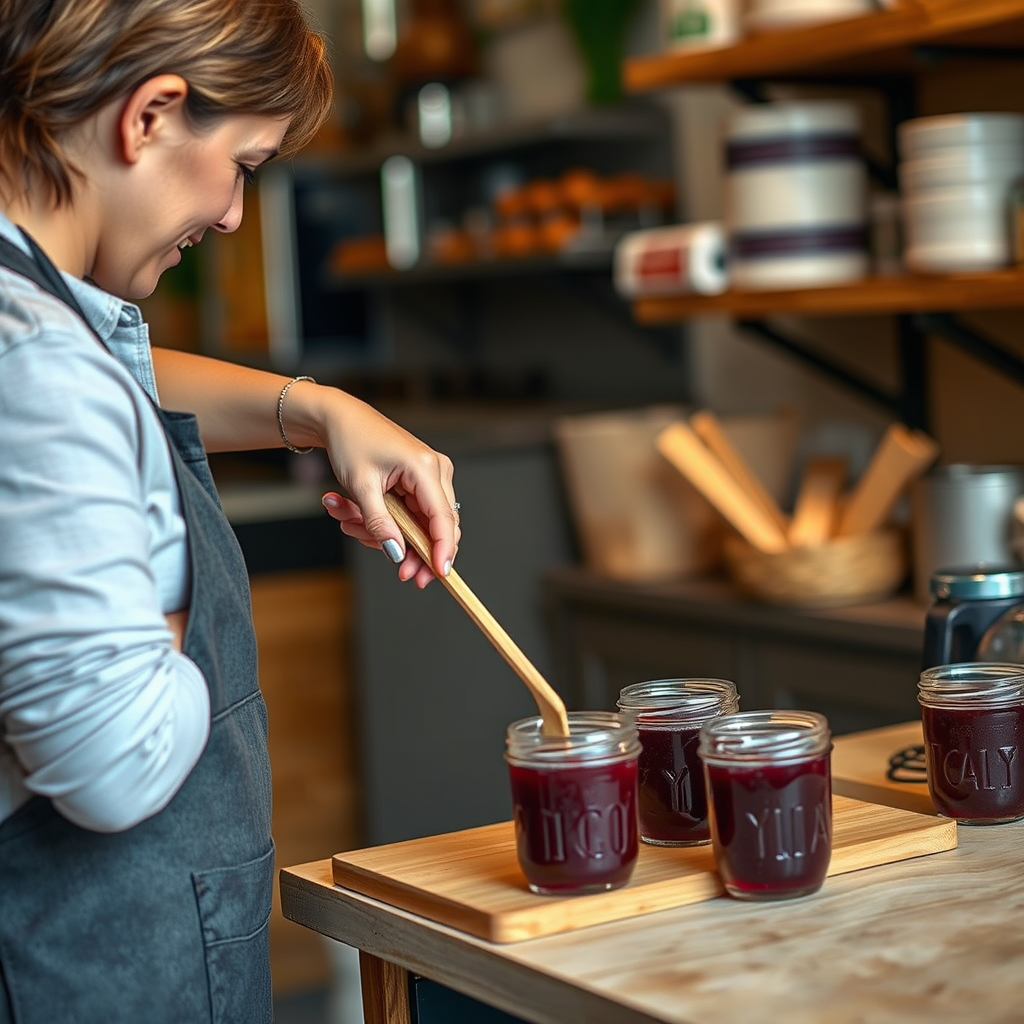
This guide presents a comprehensive collection of grape jam and jelly recipes, ranging from traditional methods to low-sugar options and unique flavor variations. Inside, you will find thorough instructions on selecting the best grapes, preparing them, and the processes for making both jam and jelly. While it focuses specifically on grapes, it does not cover unrelated fruit preserves or general canning techniques. Tailored for home cooks eager to refine their preservation skills, this guide offers precise measurements, clear cooking times, and essential safety protocols. However, readers interested in advanced techniques, such as fermentation or commercial-scale production, may find this guide less suited to their needs.
Who Should Read This
This guide is perfect for beginner to intermediate home canners with a foundational understanding of kitchen safety and equipment. Those who revel in creating homemade preserves and are comfortable with measuring, boiling, and jar sealing will find the detailed recipes particularly useful. Additionally, individuals with dietary restrictions seeking low-sugar alternatives or specific flavor combinations in grape preserves will discover tailored options throughout the guide. Conversely, readers without any canning or preserving experience may need to consult more basic resources before diving into the recipes provided here.
The Step-by-Step Protocol
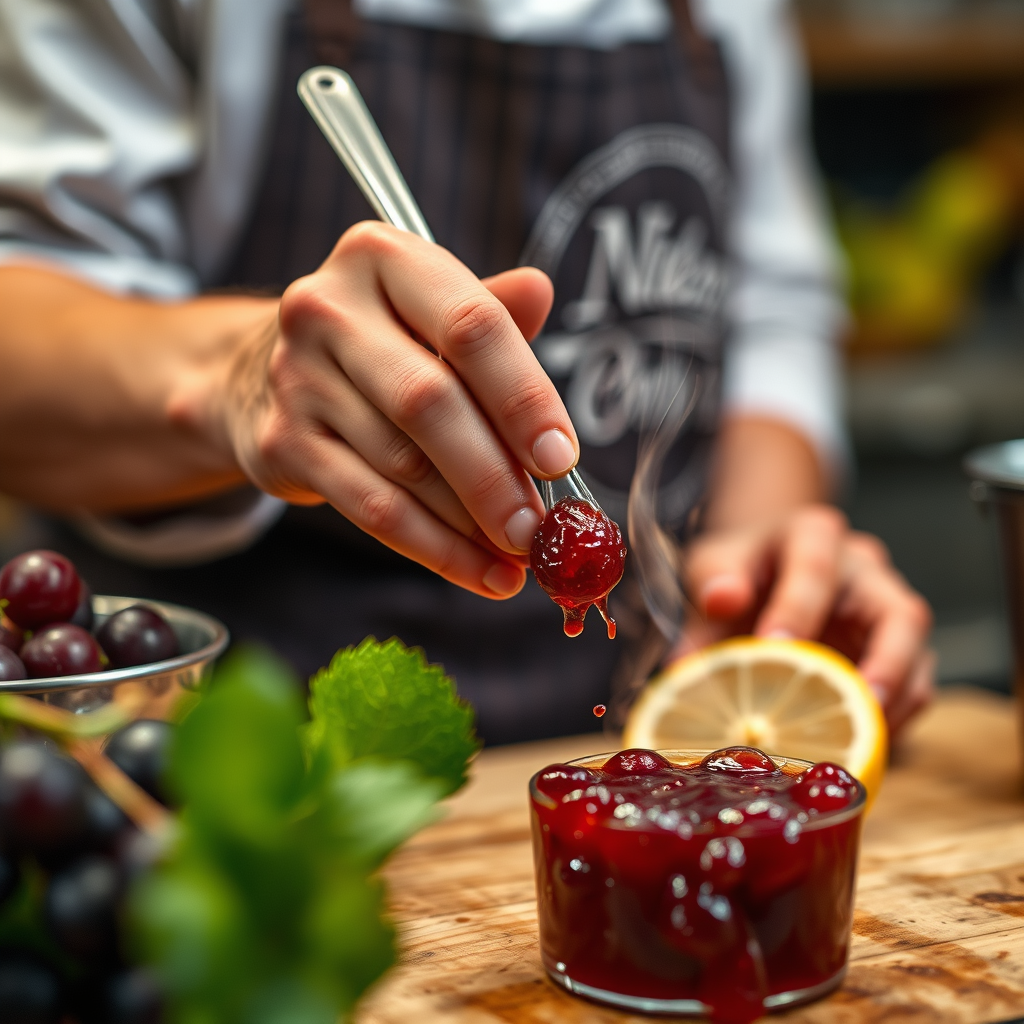
1. Select Your Grapes: Choose 2 pounds of ripe, seedless grapes for optimal flavor. Concord or Thompson Seedless grapes are preferred for their sweetness and rich flavor.
2. Prepare the Grapes: Wash the grapes thoroughly under cold water, then remove stems and any damaged fruit. Crush the grapes in a large bowl to release juices, using a potato masher or your hands.
3. Cook the Mixture: In a large pot, combine the crushed grapes with 1/4 cup of lemon juice and 1/4 cup of water. Bring to a boil over medium heat, stirring frequently for about 10 minutes.
4. Add Sugar and Pectin: Mix in 3 cups of granulated sugar and 1 box (1.75 oz) of fruit pectin (like Sure-Jell). Stir continuously until the mixture returns to a full rolling boil; maintain for 1 minute to activate the pectin.
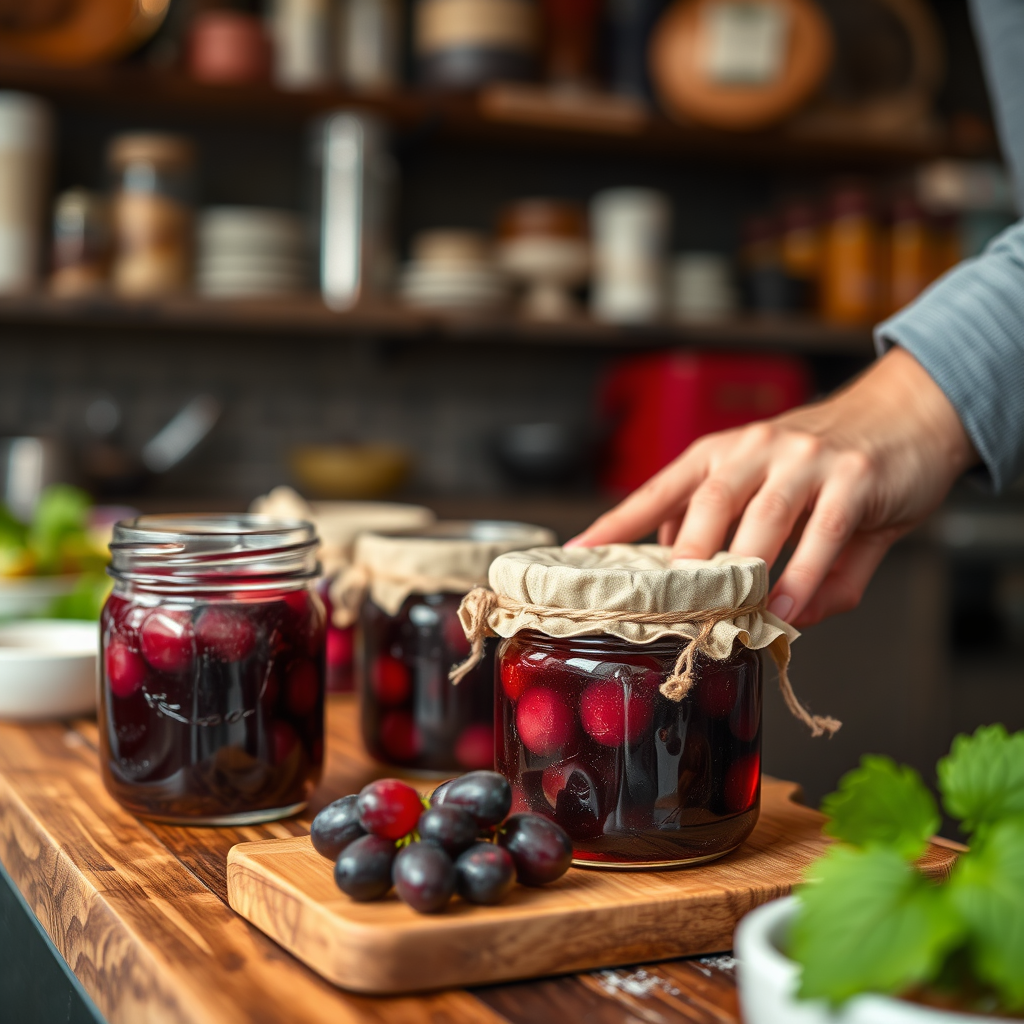
5. Jar and Process: Pour the hot mixture into sterilized jars, leaving 1/4-inch headspace. Wipe the rims of the jars with a clean cloth. Place the lids on the jars, securing them with metal bands. Process in a boiling water bath for 5 to 10 minutes, depending on your altitude.
6. Cool and Store: Remove the jars from the water bath and allow to cool completely on a clean towel or cooling rack. Check the seals after 24 hours; if the lid pops up and down, it did not seal properly and should be refrigerated and used within a week.
Top Grape Varieties for Jam and Jelly (2024)
| # | Grape Variety | Sugar Content (%) | Best Use | Flavor Profile |
|---|---|---|---|---|
| 1 | Concord | 15-20% | Jam | Sweet, aromatic |
| 2 | Thompson Seedless | 16-19% | Jelly | Mild, fruity |
| 3 | Niagara | 15-22% | Jam | Sweet, floral |
| 4 | Moon Drops | 16-18% | Jelly | Sweet, unique shape |
| 5 | Red Globe | 17-21% | Jam | Rich, juicy |
| 6 | Cotton Candy | 15-20% | Jelly | Sweet, nostalgic |
| 7 | Black Corinth | 15-20% | Jam | Sweet, tangy |
Warning Signs: When Not to Follow This
If you notice any off smells or discoloration in your grapes before preparation, do not proceed; spoiled fruit can lead to unsafe preserves. Avoid using grapes treated with pesticides unless they have been thoroughly washed and peeled, as chemical residues may linger even after washing. Additionally, do not attempt to can grape jam or jelly without the necessary equipment, such as a water bath canner, which is essential for safe preservation. If you have a health condition requiring a specific diet, such as diabetes, consult a nutritionist before using sugar-based recipes.
The Most Common Mistakes (And Their Consequences)
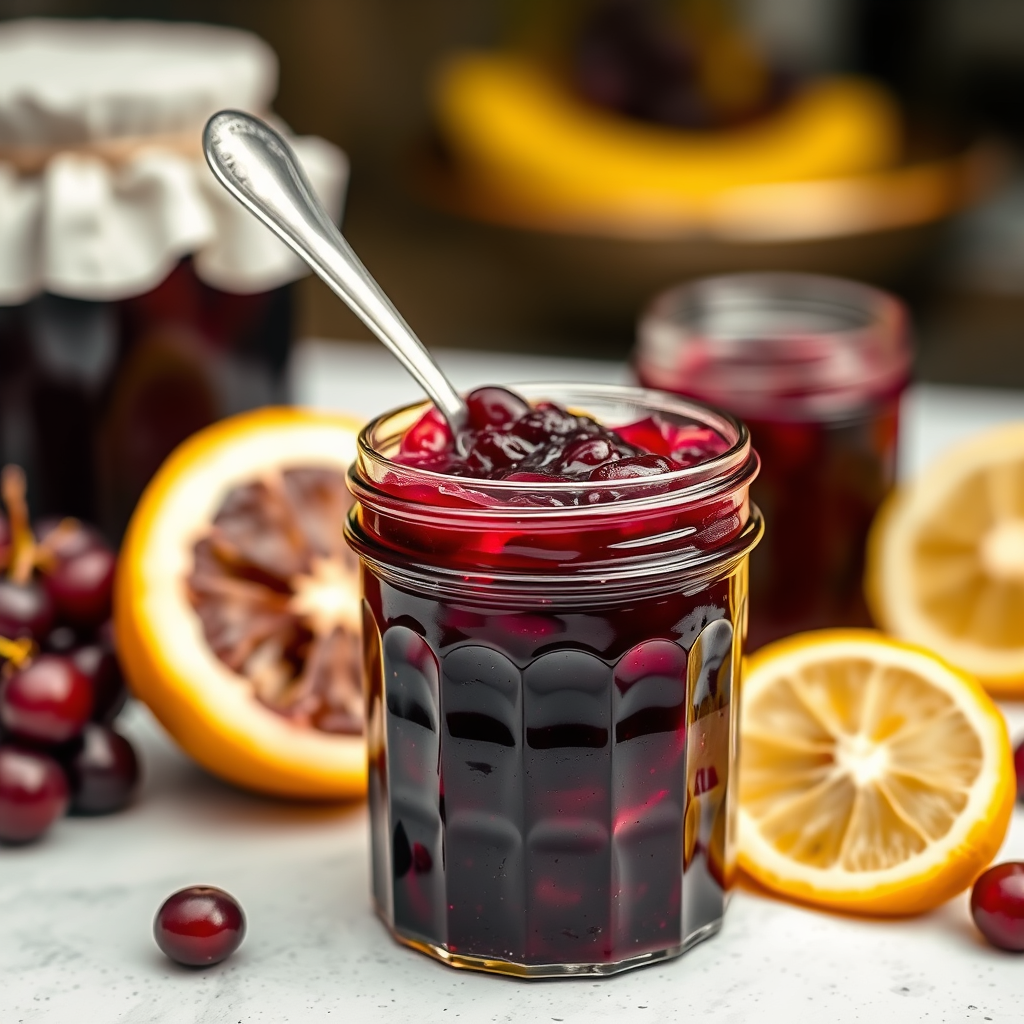
– Incorrect Sugar Ratios: Using insufficient sugar can prevent the jam from setting properly, resulting in a runny consistency that won’t preserve well.
– Skipping the Pectin: Omitting or miscalculating pectin can lead to a jelly that fails to gel, adversely affecting texture and shelf stability.
– Inadequate Sterilization: Neglecting to properly sterilize jars can introduce harmful bacteria, leading to spoilage or foodborne illness.
– Not Following Processing Times: Under-processing jars in the water bath can cause seals to break, resulting in spoilage; always adhere to the recommended boiling times.
Special Cases That Need a Different Approach
– Low-Sugar Variants: For those aiming to reduce sugar intake, recipes using low-sugar pectin require careful adjustments of sugar ratios and cooking times as specified on the pectin packaging.
– Alternative Sweeteners: When using honey or agave syrup instead of granulated sugar, adjust the volume according to the desired sweetness level, typically using about 2/3 the volume of honey for sugar.
– Jelly vs. Jam: Recipes for jelly require juice extraction only, while jam includes whole fruit; this distinction necessitates different preparation methods and cooking times.
– Flavor Additions: If incorporating herbs or spices (like rosemary or cinnamon), add them during the boiling process for infusion, but be cautious about altering the preservation properties.
When You Need a Professional
If you encounter persistent issues with the gelling process after following standard recipes, consider consulting a food preservation expert or a local extension service for troubleshooting. For individuals with food allergies or sensitivities, particularly to additives in commercial pectin, seeking guidance from a nutritionist can ensure safe ingredient selections. If you plan to sell homemade grape jam or jelly, it’s advisable to consult local food safety regulations and possibly a food safety professional to comply with canning laws. When experimenting with unconventional ingredients or methods that deviate significantly from standard practices, involving a food scientist or preservation expert can help ensure safety and quality.
Sources and Further Reading
– “Canning and Preserving for Beginners” by Carla Emery – Provides foundational knowledge on canning techniques and safety.
– USDA Complete Guide to Home Canning – Offers research-based guidelines and recipes for safe home canning practices.
– National Center for Home Food Preservation – Extensive resources on safe food preservation methods and updated research.
– Local Cooperative Extension Services – Often provide workshops and advice on canning and food preservation tailored to regional guidelines and produce.
Frequently Asked Questions
What are the basic ingredients needed for grape jam jelly recipes?
The basic ingredients for grape jam jelly recipes typically include fresh grapes, granulated sugar, and pectin. Some variations may also incorporate lemon juice for acidity, which helps balance the sweetness and enhance flavor. Using high-quality, ripe grapes is essential for achieving the best taste and texture in your jam or jelly.
How do I properly prepare grapes for making jam or jelly?
To prepare grapes for making jam or jelly, start by washing them thoroughly to remove any dirt or pesticide residues. Next, remove the stems and crush the grapes to release their juice; a potato masher or food processor works well for this. It’s important to strain the juice through a fine mesh sieve or cheesecloth if you’re making jelly to eliminate skins and seeds.
Why is pectin important in grape jam jelly recipes?
Pectin is a natural thickening agent that helps grape jam and jelly achieve the desired gel-like consistency. It binds with sugar and acid during the cooking process, creating a stable structure that preserves the fruit’s flavor and texture. Using the right amount of pectin is crucial for the success of your jam or jelly, so always follow the recipe guidelines.
What are the best grape varieties for making jam and jelly?
The best grape varieties for making jam and jelly are Concord grapes, known for their rich flavor and high pectin content, and other varieties like Niagara and Catawba. These grapes provide a vibrant color and sweetness that enhance the overall taste of the finished product. When selecting grapes, look for ones that are plump, firm, and free from blemishes.
Which methods can I use to preserve grape jam and jelly for long-term storage?
To preserve grape jam and jelly for long-term storage, you can use water bath canning or freezer storage. Water bath canning involves sealing the jars in boiling water to create a vacuum seal, while freezer storage requires placing the jam in airtight containers suitable for freezing. Both methods help maintain the flavor and quality of your grape jam or jelly for extended periods.
References
- Fruit preserves
https://en.wikipedia.org/wiki/Jam - Checking your browser – reCAPTCHA
https://www.ncbi.nlm.nih.gov/pmc/articles/PMC4560063/ - https://www.sciencedirect.com/topics/agricultural-and-biological-sciences/jam
https://www.sciencedirect.com/topics/agricultural-and-biological-sciences/jam - https://www.verywellfit.com/how-to-make-jam-4164742
https://www.verywellfit.com/how-to-make-jam-4164742 - https://www.britannica.com/topic/jam
https://www.britannica.com/topic/jam - Google Scholar Google Scholar
https://scholar.google.com/scholar?q=grape+jam+jelly+recipes - Google Scholar Google Scholar
https://scholar.google.com/scholar?q=grape+preservation+methods - Bacterial Cellulose: A Versatile Chiral Host for Circularly Polarized Luminescence – PMC
https://www.ncbi.nlm.nih.gov/pmc/articles/PMC6471878/ - Expert Resources | CAES Field Report
https://www.uga.edu/extension/publications/food-safety/jams-jellies.html - https://www.extension.purdue.edu/extmedia/FN/FN-180-W.pdf
https://www.extension.purdue.edu/extmedia/FN/FN-180-W.pdf