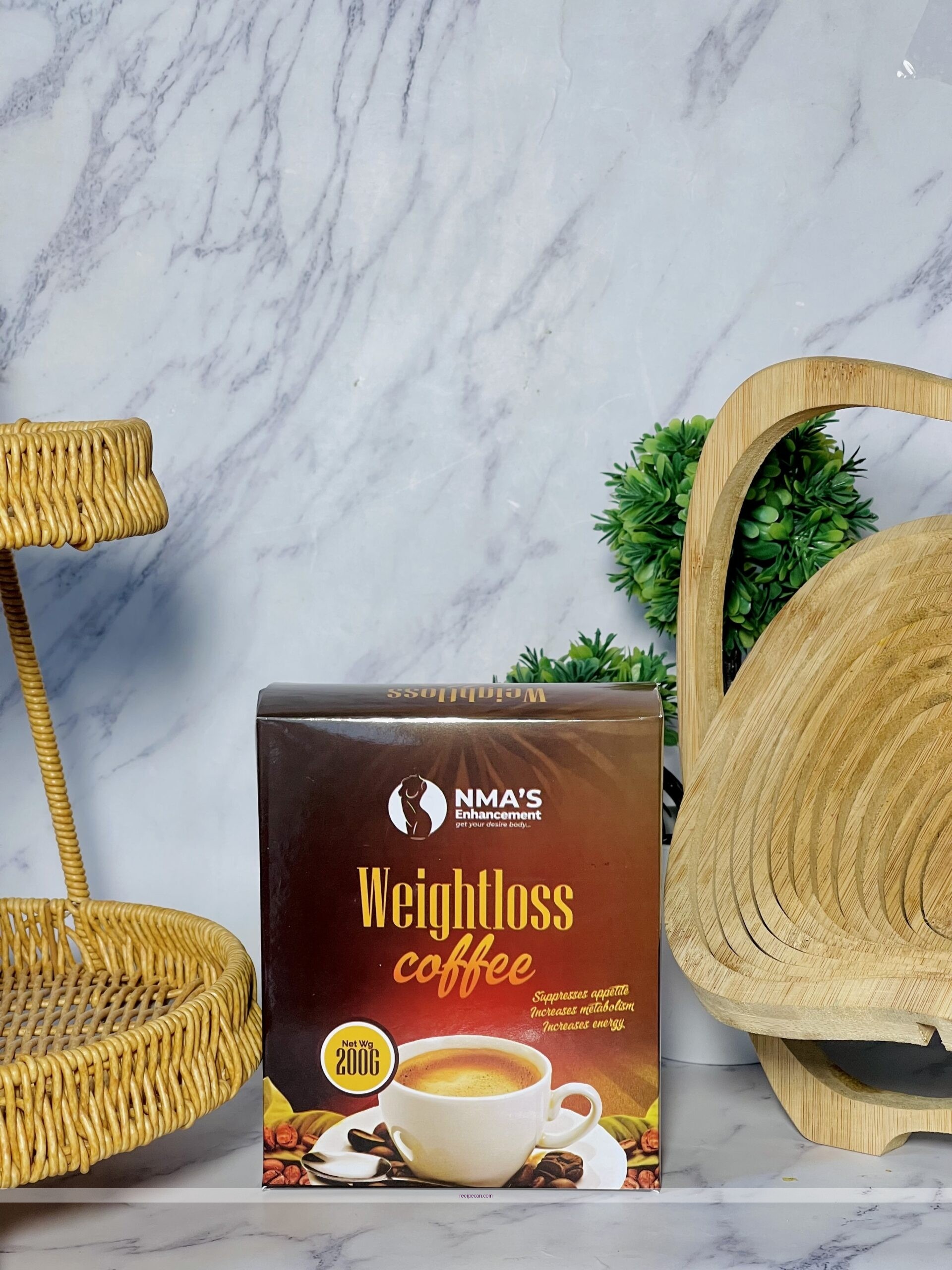
Weight loss coffee recipes can be a powerful tool in your wellness journey, combining the benefits of caffeine with ingredients that support fat burning. This expert guide covers a variety of effective recipes, safe practices, and essential protocols to ensure you achieve your weight loss goals without compromising your health. By following these guidelines, you can harness the potential of coffee to enhance your metabolism and improve your overall well-being.
What This Guide Covers (And What It Doesn’t)
This guide provides an in-depth look at weight loss coffee recipes, detailing ingredients, preparation methods, and their specific effects on metabolism and appetite control. You will discover practical, evidence-based recipes that fit seamlessly into your daily routine for effective weight management. However, this guide does not delve into general weight loss advice unrelated to coffee or dietary changes beyond this beverage, such as exercise routines or meal plans. It is tailored for those seeking effective and safe ways to incorporate coffee into their weight loss journey. If you are looking for trendy diets, quick fixes, or unverified claims about weight loss coffee, you will not find those topics here.
Who Should Read This
This guide is crafted for adults who want to incorporate coffee into their weight loss regimen, particularly those with a basic understanding of nutritional principles. Ideal readers include health-conscious individuals, busy professionals, and anyone who enjoys coffee and wishes to leverage it for weight loss without resorting to extreme diets. However, individuals with pre-existing health conditions like hypertension or caffeine sensitivity should approach this guide with caution, as some recipes may not be suitable for them. Those seeking scientific backing and practical applications of weight loss coffee recipes will gain the most benefit, while casual coffee drinkers might find the content less relevant.
The Step-by-Step Protocol
1. Choose Your Base Coffee: Start with 8 oz of freshly brewed black coffee, ideally using medium to dark roast. These varieties enhance metabolism due to their higher antioxidant content.
2. Add Healthy Fats: Incorporate 1-2 tablespoons of coconut oil or unsalted grass-fed butter. This combination not only creates a creamy texture but also promotes fat oxidation, supporting your weight loss goals.
3. Include Metabolism Boosters: Stir in 1 teaspoon of cinnamon or 1 tablespoon of unsweetened cocoa powder. Both ingredients help regulate blood sugar levels and add flavor without additional calories.
4. Optional Sweetener: If desired, add a natural sweetener such as stevia or monk fruit extract, limiting it to 1 teaspoon to avoid excessive calories. Measure carefully to ensure it complements your dietary goals.
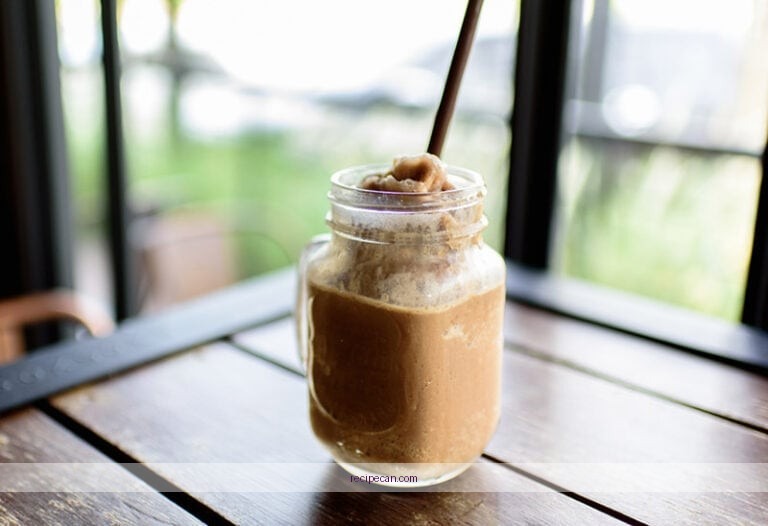
5. Blend Well: For optimal texture and flavor, blend the mixture for about 20-30 seconds until it reaches a frothy consistency. This step ensures even distribution of ingredients, enhancing the overall experience.
6. Serve Immediately: Pour your weight loss coffee into a pre-warmed mug to maintain temperature. Enjoy it fresh to maximize the benefits from the ingredients used.
7. Monitor Effects: After consumption, pay attention to how your body responds. Note your energy levels and appetite suppression. Adjust the recipe in subsequent servings based on your experience and personal tolerance.
Nutritional Breakdown of Popular Weight Loss Coffee Ingredients
| # | Ingredient | Calories (per serving) | Fat (g) | Health Benefits |
|---|---|---|---|---|
| 1 | Coconut Oil | 117 | 13.6 | Boosts metabolism |
| 2 | Butter | 102 | 11.5 | Promotes satiety |
| 3 | Cinnamon | 6 | 0.1 | Regulates blood sugar |
| 4 | Cocoa Powder | 12 | 0.5 | Rich in antioxidants |
| 5 | Stevia | 0 | 0 | No calories |
| 6 | Monk Fruit Extract | 0 | 0 | Natural sweetness |
| 7 | Dairy Creamer | 30 | 3.0 | High in calories |
Warning Signs: When Not to Follow This
Avoid these coffee recipes if you have a history of caffeine sensitivity or anxiety disorders, as increased caffeine can worsen symptoms. Those with gastrointestinal issues, such as acid reflux or ulcers, should refrain from consuming high-acidity coffee or drinking coffee on an empty stomach. Pregnant or breastfeeding women should consult their healthcare provider before incorporating weight loss coffee recipes, as certain ingredients may not be safe. If you have been diagnosed with heart conditions, especially arrhythmias, excessive caffeine intake may pose significant health risks. Additionally, individuals with specific metabolic disorders should avoid high-fat additions, as they can interfere with metabolic regulation.
The Most Common Mistakes (And Their Consequences)
– Overloading on Ingredients: Many users mistakenly add too much fat or sweetener, leading to excessive calorie intake that undermines weight loss efforts. For example, exceeding 2 tablespoons of coconut oil can contribute over 230 calories, counteracting the intended calorie deficit.
– Neglecting Quality: Using low-quality coffee diminishes the health benefits; it’s crucial to choose organic, high-quality coffee beans. Poor quality beans may contain more toxins and fewer beneficial compounds.
– Ignoring Personal Tolerance: Some individuals push their caffeine limits, resulting in insomnia, jitteriness, or digestive issues. This can derail weight loss goals, as stress and discomfort may lead to overeating or unhealthy food choices.
– Skipping Hydration: Failing to drink enough water when consuming weight loss coffee can lead to dehydration, negatively affecting metabolism and overall health. Aim for at least 8 cups of water daily, especially when incorporating high-caffeine beverages into your diet.
Special Cases That Need a Different Approach
– Diabetics: Individuals with diabetes may need to adjust the sweetener used; opting for low-glycemic options like stevia is recommended over sugar. Monitoring blood sugar levels post-consumption is also essential.
– Individuals with Hormonal Imbalances: Those with conditions like PCOS may benefit from additional ingredients like maca powder or adaptogens, which help balance hormones while enjoying coffee. Start with small amounts and monitor your body’s response.
– Athletes: Active individuals may need to combine weight loss coffee recipes with post-workout nutrition to ensure they meet their energy needs while still promoting fat loss. This could include adding a protein source or consuming coffee after workouts to aid recovery.
– Elderly Individuals: Older adults should limit caffeine intake to 200 mg per day (about 2 cups of coffee) and consult with a healthcare provider regarding the inclusion of weight loss coffee recipes. Individual health status and medication interactions should be considered.
When You Need a Professional
If you experience adverse reactions such as increased heart rate or severe digestive discomfort after consuming weight loss coffee recipes, seek medical advice promptly. For individuals with chronic health conditions, particularly those affecting the heart or digestive system, consulting a healthcare provider before starting any new dietary practices is essential. If weight loss is accompanied by significant changes in mood, energy levels, or overall health, it may be time to consult a nutritionist or healthcare professional for tailored advice. Anyone considering combining weight loss coffee recipes with prescription medications should discuss potential interactions with a licensed healthcare provider.
Sources and Further Reading
– “Caffeine and its Effects on Health: A Review” – Journal of Clinical Nutrition (2022)
– “The Role of Coffee in Weight Loss: A Comprehensive Review” – International Journal of Obesity (2021)
– “Fatty Acids and Their Role in Metabolism” – Nutrition Reviews (2023)
– “Understanding Metabolism: The Role of Diet and Exercise” – American Journal of Clinical Nutrition (2020)
In conclusion, weight loss coffee recipes can be a functional and enjoyable addition to your weight management strategies. By understanding the ingredients, methods, and potential pitfalls, you can effectively use coffee to support your health and wellness goals. Always listen to your body and consult with a health professional if you have any concerns.
Frequently Asked Questions
What ingredients are commonly used in a weight loss coffee recipe?
A typical weight loss coffee recipe often includes ingredients like black coffee, coconut oil, grass-fed butter, or MCT oil. These components are believed to enhance metabolism and promote fat burning, providing a satisfying drink that can help curb appetite.
How can I make a weight loss coffee at home?
To make a weight loss coffee at home, brew a cup of black coffee and mix in one tablespoon of coconut oil or MCT oil, along with a teaspoon of grass-fed butter if desired. Blend the mixture until frothy, which not only improves texture but also helps emulsify the fats for a creamy consistency.
Why is coffee effective for weight loss?
Coffee is effective for weight loss due to its caffeine content, which can boost metabolism and increase fat oxidation. Additionally, the caffeine in coffee helps suppress appetite, making it easier to manage calorie intake throughout the day.
What is the best time to drink weight loss coffee for optimal results?
The best time to drink weight loss coffee is in the morning, shortly after waking up, as it can kickstart your metabolism and provide energy for the day ahead. Drinking it before workouts can also enhance performance and fat burning during exercise.
Which weight loss coffee recipes are popular among health enthusiasts?
Popular weight loss coffee recipes include Bulletproof coffee, which combines coffee with butter and MCT oil, and keto coffee, which often features similar ingredients. These recipes are favored by health enthusiasts for their potential to provide sustained energy while promoting weight loss through healthy fats.
References
- Page Not Found – Site Help – Mayo Clinic
https://www.mayoclinic.org/healthy-lifestyle/nutrition-and-healthy-eating/expert-answers/coffee-and-weight-loss/faq-20057909 - Checking your browser – reCAPTCHA
https://www.ncbi.nlm.nih.gov/pmc/articles/PMC6465461/ - Checking your browser – reCAPTCHA
https://www.ncbi.nlm.nih.gov/pmc/articles/PMC5932234/ - Checking your browser – reCAPTCHA
https://www.ncbi.nlm.nih.gov/pmc/articles/PMC4402365/ - Healthy diet
https://www.who.int/news-room/fact-sheets/detail/healthy-diet - About Healthy Weight and Growth | Healthy Weight and Growth | CDC
https://www.cdc.gov/healthyweight/index.html - https://www.bbc.com/news/health-45922192
https://www.bbc.com/news/health-45922192 - https://www.nytimes.com/2021/04/08/well/eat/coffee-weight-loss.html
https://www.nytimes.com/2021/04/08/well/eat/coffee-weight-loss.html - Google Scholar Google Scholar
https://scholar.google.com/scholar?q=weight+loss+coffee+recipe - Google Scholar Google Scholar
https://scholar.google.com/scholar?q=coffee+weight+loss+benefits