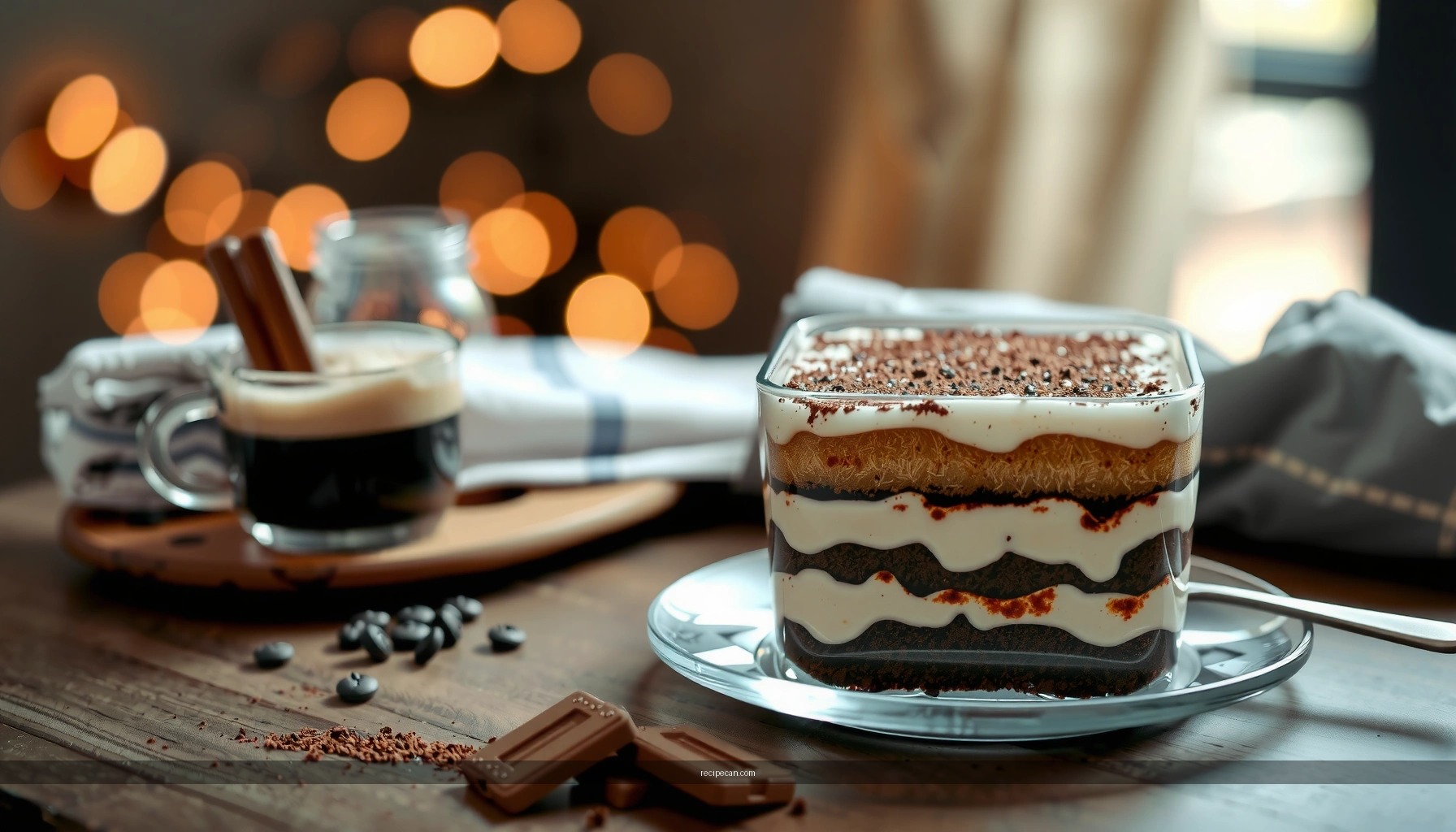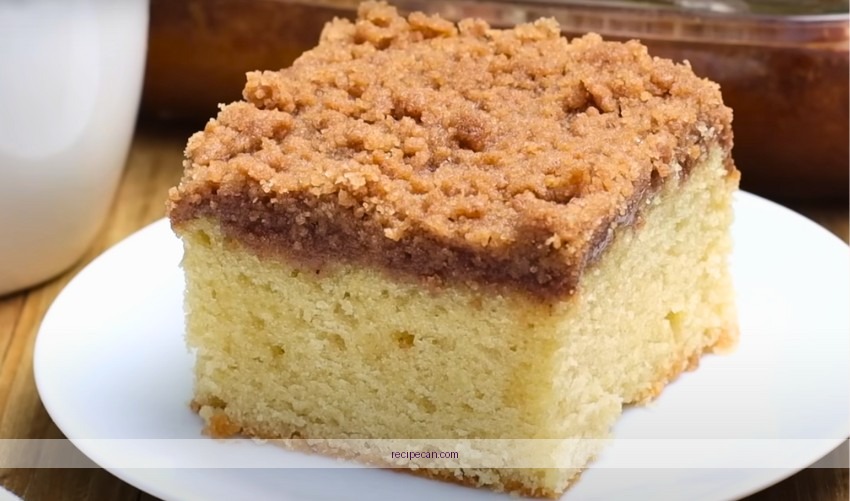
The LAUSD coffee cake recipe is a nostalgic favorite that many crave for its rich flavor and moist texture. This expert guide provides step-by-step instructions, essential tips, and key insights to replicate the beloved treat exactly as it was served in schools. Mastering this recipe not only honors a cherished culinary tradition but also ensures that every bite delivers the authentic taste that so many remember.
What This Guide Covers (And What It Doesn’t)
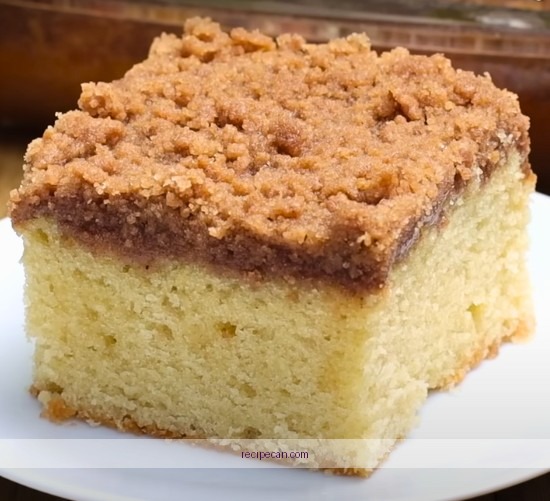
This guide offers a comprehensive, step-by-step approach to recreating the beloved LAUSD coffee cake recipe, famous for its moist texture and rich flavor, often enjoyed in Los Angeles Unified School District cafeterias. You’ll find precise measurements, ingredient recommendations, and baking times that will help you achieve accuracy and consistency in your final product. However, this guide does not include alternative recipes or variations that stray from the original LAUSD recipe, nor does it delve into the broader history of coffee cakes.
Who Should Read This
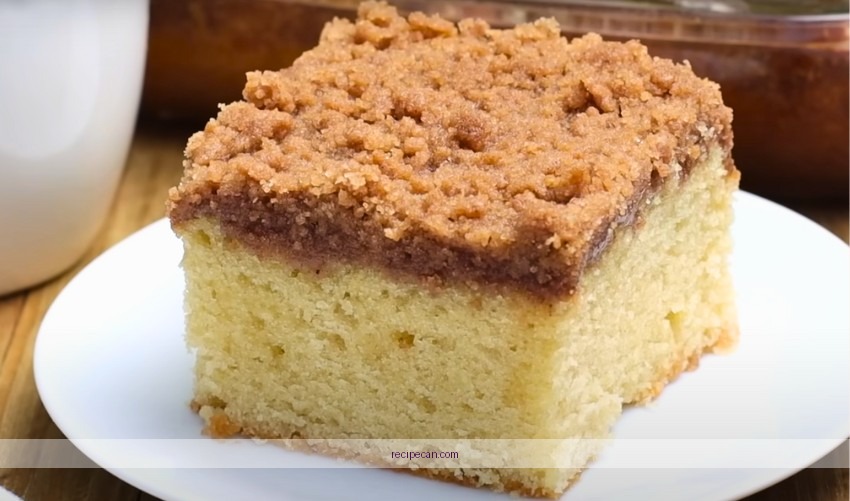
This guide is designed for parents, educators, and baking enthusiasts eager to recreate the nostalgic LAUSD coffee cake, a favorite for school events and gatherings. Readers should possess basic baking knowledge, including an understanding of standard baking terminology and techniques, along with access to common kitchen equipment and ingredients. If you have dietary restrictions or seek gluten-free or vegan substitutes, this guide may not be suitable, as it focuses exclusively on the traditional LAUSD coffee cake.
The Step-by-Step Protocol
1. Gather Ingredients: You will need 2 ½ cups of all-purpose flour, 1 ½ cups of sugar, 1 cup of unsalted butter (softened), 1 cup of milk, 4 large eggs, 1 tablespoon of baking powder, 1 teaspoon of vanilla extract, and ½ teaspoon of salt.
2. Preheat the Oven: Set your oven to 350°F (175°C) and prepare a 9×13 inch baking pan by greasing it with butter or lining it with parchment paper to prevent sticking.
3. Mix the Batter: In a large mixing bowl, cream together the softened butter and sugar until light and fluffy. Add the eggs one at a time, mixing well after each addition, then stir in the vanilla extract.
4. Combine Dry Ingredients: In a separate bowl, whisk together the flour, baking powder, and salt. Gradually add the dry mixture to the wet ingredients, alternating with milk, until just combined. Be careful not to overmix.
5. Prepare Topping: In a small bowl, combine ½ cup of brown sugar, 1 teaspoon of cinnamon, and ½ cup of chopped nuts (optional). Sprinkle this mixture over the batter in the baking pan.
6. Bake: Place the pan in the preheated oven and bake for 30-35 minutes, or until a toothpick inserted into the center comes out clean. Allow it to cool before slicing.
Key Ingredients and Their Roles in LAUSD Coffee Cake
| # | Ingredient | Quantity | Role |
|---|---|---|---|
| 1 | All-Purpose Flour | 2 ½ cups | Structure |
| 2 | Sugar | 1 ½ cups | Sweetness |
| 3 | Unsalted Butter | 1 cup | Moisture |
| 4 | Milk | 1 cup | Moisture |
| 5 | Eggs | 4 large | Binding |
| 6 | Baking Powder | 1 tablespoon | Leavening |
| 7 | Vanilla Extract | 1 teaspoon | Flavor |
| 8 | Salt | ½ teaspoon | Enhances Flavor |
| 9 | Brown Sugar | ½ cup | Topping |
| 10 | Cinnamon | 1 teaspoon | Flavor |
Warning Signs: When Not to Follow This
– If you are allergic to any of the primary ingredients, such as gluten or dairy, do not attempt this recipe without suitable substitutions, as this guide does not include allergen modifications.
– Avoid this recipe if you lack the necessary kitchen equipment, including a reliable oven, mixing bowls, and measuring tools, as these are essential for achieving accurate results.
– If you cannot access the specific ingredients listed, particularly unsalted butter or all-purpose flour, you may not achieve the desired taste and texture of the LAUSD coffee cake.
The Most Common Mistakes (And Their Consequences)
– Overmixing the Batter: A frequent pitfall among bakers is overmixing the batter, which results in a dense, tough coffee cake instead of a light, fluffy texture. This error compromises the cake’s quality and can lead to disappointment.
– Incorrect Oven Temperature: Neglecting to preheat the oven properly can lead to uneven baking; cakes may burn on the outside while remaining raw inside. Always use an oven thermometer to ensure the temperature is accurate.
– Skipping the Topping: Omitting the cinnamon-sugar topping is a common mistake that diminishes the coffee cake’s signature flavor, making it less enjoyable. This topping is integral to the overall experience of the cake.
Special Cases That Need a Different Approach
– If you are baking at a high altitude (above 3,000 feet), you may need to adjust the flour and liquid ratios, as well as the baking temperature and time, to achieve the correct rise and texture. Consider reducing the baking temperature by 25°F and increasing the liquid by 1-2 tablespoons.
– For those with dietary restrictions, such as gluten intolerance, consider using a gluten-free flour blend and adjusting the liquid ingredients accordingly. Ensure the blend contains xanthan gum for proper texture.
– If you wish to incorporate additional flavorings or mix-ins, such as fruits or chocolate chips, be mindful of the extra moisture they introduce. This may require a slight reduction in the milk to compensate for the added moisture.
When You Need a Professional
– If you are inexperienced in baking or have a history of failures, consider consulting a professional baker for a tutorial or a hands-on class before attempting this recipe. Proper technique is essential for success.
– In cases of severe food allergies, it is crucial to work with a dietitian or allergist who can provide tailored advice for safe ingredient substitutions while maintaining the cake’s integrity. Never take food allergies lightly; consult professionals.
– If you consistently encounter issues with your baked goods despite following this recipe, seek guidance from a culinary expert to evaluate your techniques and equipment. Small adjustments can often lead to significant improvements in baking outcomes.
Sources and Further Reading
– LAUSD’s official nutrition and recipe guidelines, which detail the original ingredients and preparation methods used in their kitchens.
– Cookbooks focused on school cafeteria recipes, providing insights into the history and evolution of school food programs.
– Online baking forums and communities where bakers share tips and variations on the LAUSD coffee cake recipe, fostering a broader understanding of its significance and adaptations.
By closely following this guide, you will be well on your way to creating a delicious LAUSD coffee cake that captures the essence of this cherished recipe. Enjoy both the baking process and the delightful results!
Frequently Asked Questions
What are the key ingredients in a LAUSD coffee cake recipe?
The key ingredients in a traditional LAUSD coffee cake recipe typically include all-purpose flour, granulated sugar, baking powder, baking soda, salt, butter, eggs, milk, and a blend of cinnamon for the streusel topping. These ingredients create a moist and flavorful cake that is perfect for breakfast or as a snack.
How do I make a LAUSD coffee cake from scratch?
To make a LAUSD coffee cake from scratch, start by preheating your oven to 350°F (175°C). Mix the dry ingredients in one bowl and the wet ingredients in another, then combine them. Pour half the batter into a greased pan, add a layer of cinnamon streusel, then top with the remaining batter and finish with more streusel before baking for about 30-40 minutes.
Why is LAUSD coffee cake so popular in schools?
LAUSD coffee cake is popular in schools due to its moist texture and delicious flavor, making it a favorite among students. Additionally, it’s easy to prepare in large batches, which is ideal for school cafeterias, and it offers a comforting treat that pairs well with milk or coffee.
What is the best way to store leftover LAUSD coffee cake?
The best way to store leftover LAUSD coffee cake is to allow it to cool completely before wrapping it tightly in plastic wrap or placing it in an airtight container. This will keep it fresh for up to 3 days at room temperature or up to a week in the refrigerator. For longer storage, consider freezing individual slices for up to 3 months.
Which variations can I try for the LAUSD coffee cake recipe?
You can try several variations of the LAUSD coffee cake recipe, including adding fruits like blueberries or apples for a fruity twist, or incorporating nuts for added crunch. Additionally, experiment with different spices like nutmeg or vanilla extract to enhance the flavor, or even try a cream cheese filling for a richer cake.
References
- Coffee cake
https://en.wikipedia.org/wiki/Coffee_cake - Google Scholar Google Scholar
https://scholar.google.com/scholar?q=lausd+coffee+cake+recipe - Eggplant Ragù With Capers and Burrata Recipe
https://www.nytimes.com/recipes/1019658/coffee-cake.html - Google Scholar Google Scholar
https://scholar.google.com/scholar?q=coffee+cake+recipes - https://www.bbc.co.uk/food/recipes/coffee_cake_84061
https://www.bbc.co.uk/food/recipes/coffee_cake_84061 - https://www.sciencedirect.com/topics/food-science/coffee-cake
https://www.sciencedirect.com/topics/food-science/coffee-cake - https://www.britannica.com/topic/coffee-cake
https://www.britannica.com/topic/coffee-cake - Checking your browser – reCAPTCHA
https://www.ncbi.nlm.nih.gov/pmc/articles/PMC6043820/ - https://www.cdc.gov/nutrition/healthy-eating/index.html
https://www.cdc.gov/nutrition/healthy-eating/index.html - Healthy diet
https://www.who.int/news-room/fact-sheets/detail/healthy-diet