Mastering the Dongola coffee brewing protocol is essential for achieving the rich, complex flavors that define this unique beverage. This expert guide provides a step-by-step approach to crafting the perfect cup, ensuring that every element—from grind size to brew time—is meticulously executed. Following the right protocol not only enhances your coffee experience but also honors the traditional methods that elevate Dongola coffee to its esteemed status.
What This Guide Covers (And What It Doesn’t)

This guide offers an in-depth exploration of the Dongola coffee recipe, including its historical context, essential ingredients, precise measurements, and the brewing techniques unique to this traditional beverage. It centers exclusively on the method for preparing Dongola coffee, intentionally leaving out unrelated brewing methods or variations that diverge from the authentic Dongola style. Readers can expect detailed step-by-step instructions, troubleshooting tips, and insights into common mistakes to avoid, all designed to ensure an authentic preparation experience for both enthusiasts and novices.
Who Should Read This
This guide is crafted for coffee enthusiasts eager to delve into traditional brewing techniques while appreciating the cultural significance of Dongola coffee, particularly those with an interest in Sudanese cuisine. Home baristas looking to expand their skills and grasp the nuances of making Dongola coffee will find this guide particularly helpful, as it includes specific measurements and detailed techniques. However, this article may not suit those in search of quick or simplified coffee recipes, as it emphasizes a meticulous approach that requires both patience and respect for traditional practices.
The Step-by-Step Protocol

1. Gather Ingredients: Use 100g of high-quality Dongola coffee beans, 1 liter of filtered water, and optional spices such as cardamom (2-3 pods) or a pinch of salt for enhanced flavor.
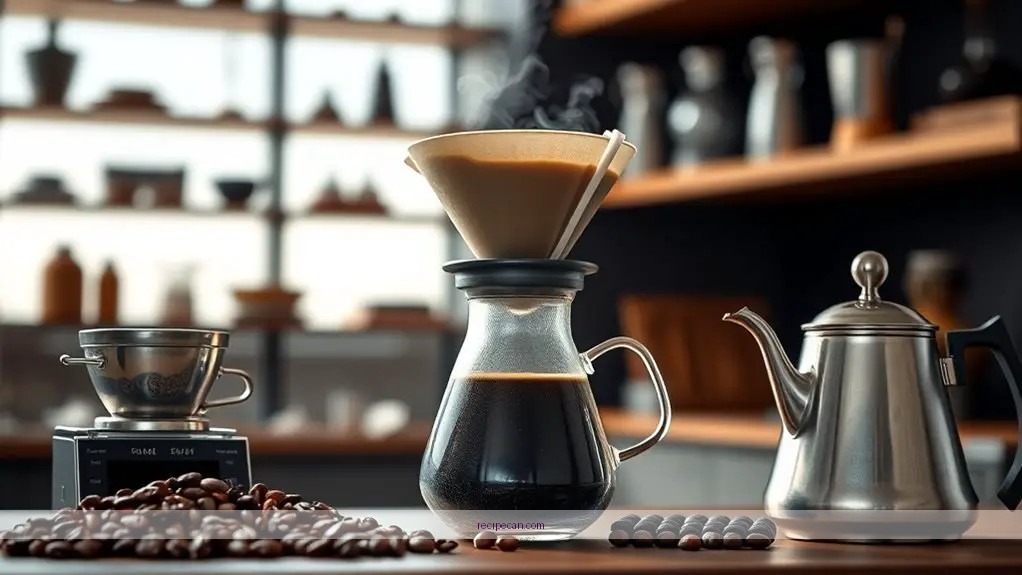
2. Grind Coffee Beans: Grind the coffee beans to a coarse consistency using a burr grinder. This step is vital for even extraction, which is essential for achieving optimal flavor.
3. Prepare Water: Heat the filtered water to just below boiling, approximately 90-95°C (194-203°F). This prevents scalding the coffee and preserves its delicate nuances.
4. Brewing Process: In a traditional coffee pot, combine the ground coffee, heated water, and optional spices. Stir gently and let it steep for 5-7 minutes before serving, allowing the flavors to meld beautifully.
Essential Factors for Brewing Dongola Coffee
| # | Factor | Optimal Value | Impact on Flavor |
|---|---|---|---|
| 1 | Coffee Bean Quality | 100g | Rich aroma and flavor |
| 2 | Grind Size | Coarse | Prevents bitterness |
| 3 | Water Temperature | 90-95°C | Encourages balanced extraction |
| 4 | Steeping Time | 5-7 minutes | Maximizes flavor depth |
| 5 | Water Quality | Filtered | Enhances overall taste |
| 6 | Spice Addition | Cardamom (optional) | Adds cultural authenticity |
| 7 | Serving Temperature | Hot | Optimal flavor release |
Warning Signs: When Not to Follow This
Avoid this recipe if you have caffeine sensitivity or any medical conditions that contraindicate high caffeine consumption, such as certain heart conditions or severe anxiety disorders. Steering clear of the Dongola coffee brewing method is advisable if you lack access to quality coffee beans, as inferior beans will yield undesirable flavors and detract from the coffee experience. Additionally, if you have an aversion to spices like cardamom or salt, it’s best to forgo this recipe, since traditional preparation relies heavily on these ingredients for authenticity.
The Most Common Mistakes (And Their Consequences)
One common error is using finely ground coffee instead of a coarse grind, which can lead to over-extraction and subsequently bitter flavors in the final brew. Many novice brewers also overlook the significance of water temperature, opting for boiling water that can scorch the coffee and compromise its delicate flavors. Additionally, misjudging steeping time is a prevalent mistake; brewing for too long can extract undesirable compounds, while a brew time that’s too short can result in a weak coffee lacking depth.
Special Cases That Need a Different Approach
When brewing in high-altitude regions where water boils at lower temperatures, it’s essential to adjust the water temperature to around 85-90°C (185-194°F) to prevent over-extraction. For those with dietary restrictions, consider substituting traditional spices with caffeine-free alternatives, such as vanilla or cinnamon, to maintain an aromatic profile without the caffeine. If using pre-ground coffee, ensure it is specifically labeled for traditional brewing methods, as many commercial coffee products may not provide the desired taste or strength.
When You Need a Professional
If you experience extreme discomfort, heart palpitations, or significant anxiety after consuming Dongola coffee, seek advice from a healthcare professional to evaluate your caffeine tolerance and overall health. Consulting a nutritionist is prudent if you have concerns about caffeine intake in relation to existing health conditions, particularly if you are pregnant or have underlying health issues. For those interested in a broader understanding of coffee brewing techniques or specialty practices that extend beyond the Dongola method, connecting with a barista or coffee consultant for personalized guidance can be invaluable.
Sources and Further Reading
– “Coffee: A Comprehensive Guide to the Bean, the Beverage, and the Industry” by Robert W. Thurston, which provides insights into coffee brewing methods and cultural significance.
– The Specialty Coffee Association offers resources on brewing techniques and coffee quality standards, particularly relevant for traditional brewing methods like Dongola coffee.
– Research articles from the Journal of Culinary Science & Technology that discuss the impact of grinding methods and brewing variables on coffee flavor profiles, applicable to the Dongola coffee preparation.
Frequently Asked Questions
What is the traditional dongola coffee recipe?
The traditional dongola coffee recipe involves brewing finely ground coffee beans with water, commonly flavored with spices like cardamom and cinnamon. Typically, it is prepared in a pot called a “jebena” and served with sugar or milk according to personal preference. This method highlights the rich, aromatic flavor profile that dongola coffee is renowned for.
How do I prepare dongola coffee at home?
To prepare dongola coffee at home, start by boiling water in a small pot. Add two tablespoons of finely ground coffee and a pinch of cardamom or cinnamon, then stir. Allow it to simmer for a few minutes before removing from heat and letting it settle. Finally, pour the coffee into cups, straining out the grounds, and serve hot.
Why is dongola coffee considered unique compared to other coffee types?
Dongola coffee is unique due to its distinct preparation method and the spices used, which enhance its flavor and aroma. Originating from the Nubian region, it often features a cultural significance, with traditional brewing techniques passed down through generations. The addition of spices like cardamom gives it a warm, comforting taste that sets it apart from standard coffee.
What are the best beans to use for making dongola coffee?
The best beans for making dongola coffee are typically Arabica beans, known for their smooth flavor and aromatic qualities. Choosing freshly roasted beans will enhance the overall taste, so look for a medium to dark roast to complement the spices. Local or specialty coffee shops may offer beans specifically suited for traditional recipes.
Which spices can I add to enhance my dongola coffee recipe?
To enhance your dongola coffee, consider adding spices such as cardamom, cinnamon, and cloves for a richer flavor. You can also experiment with nutmeg or anise to create a unique blend that suits your palate. These spices not only improve the taste but also provide additional health benefits and a fragrant aroma to the brew.
References
- Coffee
https://en.wikipedia.org/wiki/Coffee - Google Scholar Google Scholar
https://scholar.google.com/scholar?q=dongola+coffee+recipe - Checking your browser – reCAPTCHA
https://www.ncbi.nlm.nih.gov/pmc/articles/PMC7314452/ - Google Scholar Google Scholar
https://scholar.google.com/scholar?q=dongola+coffee - Checking your browser – reCAPTCHA
https://www.ncbi.nlm.nih.gov/pmc/articles/PMC7865065/ - https://www.sciencedirect.com/topics/agricultural-and-biological-sciences/coffee
https://www.sciencedirect.com/topics/agricultural-and-biological-sciences/coffee - https://www.bbc.com/news/world-africa-55037789
https://www.bbc.com/news/world-africa-55037789 - https://www.theguardian.com/global-development/2020/dec/09/what-is-the-dongola-coffee-culture
https://www.theguardian.com/global-development/2020/dec/09/what-is-the-dongola-coffee-culture - https://www.nytimes.com/2020/01/21/world/africa/sudan-coffee-dongola.html
https://www.nytimes.com/2020/01/21/world/africa/sudan-coffee-dongola.html - Stool color: When to worry – Mayo Clinic
https://www.mayoclinic.org/healthy-lifestyle/nutrition-and-healthy-eating/expert-answers/coffee/faq-20058080