Master the art of making violet jelly with this comprehensive expert guide, designed for culinary enthusiasts and home preservers alike. This resource covers precise techniques, from selecting the right violets to ensuring safe canning practices, vital for both flavor and food safety. By following these established protocols, you’ll create a delightful, aromatic jelly that captures the essence of spring while safeguarding your health.
What This Guide Covers (And What It Doesn’t)
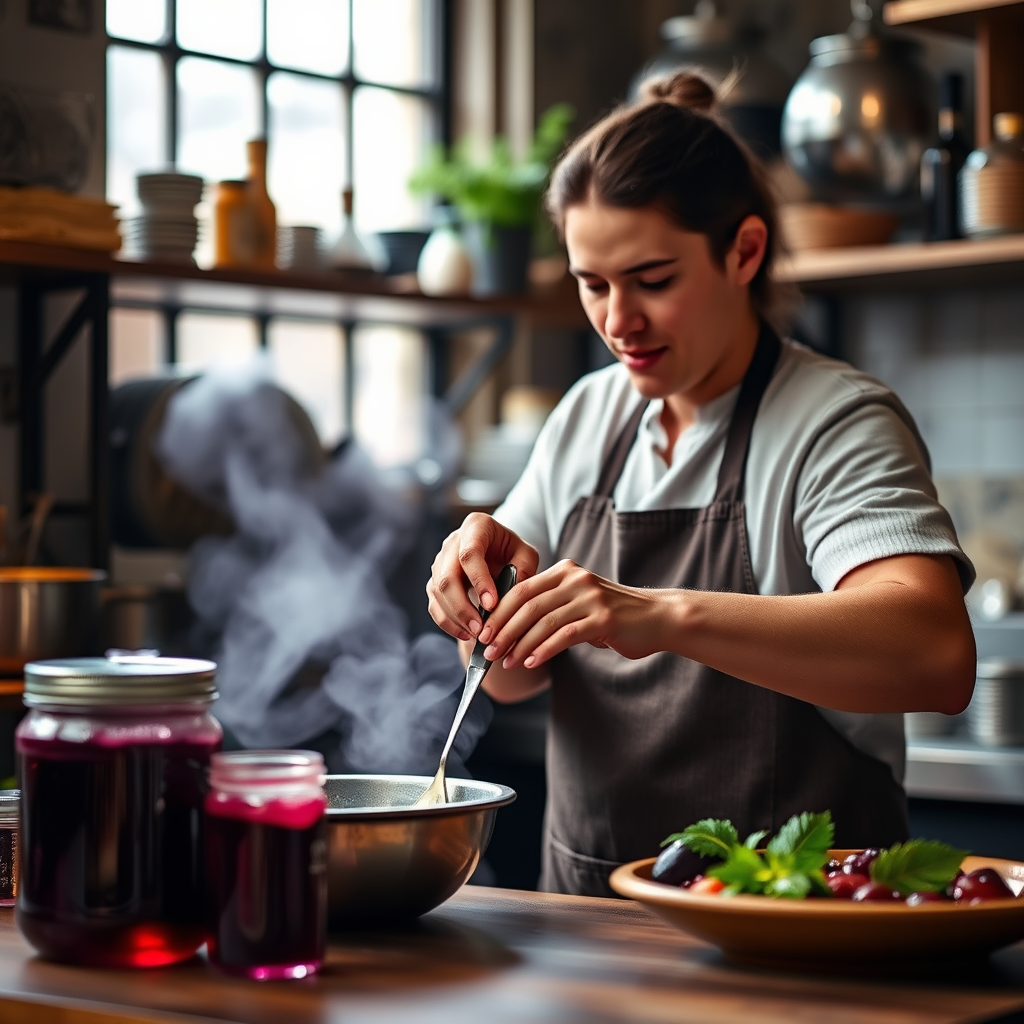
This guide presents a detailed recipe for crafting violet jelly, emphasizing ingredient selection, preparation methods, and safety precautions specific to using edible violets. You’ll find information on the necessary equipment, precise measurements, and cooking times required to achieve a successful result. This ensures that readers can easily replicate the process at home. However, this guide does not delve into variations of violet jelly that incorporate additional flavors or ingredients; it focuses exclusively on the basic recipe, making it ideal for both beginners and experienced cooks.
Who Should Read This
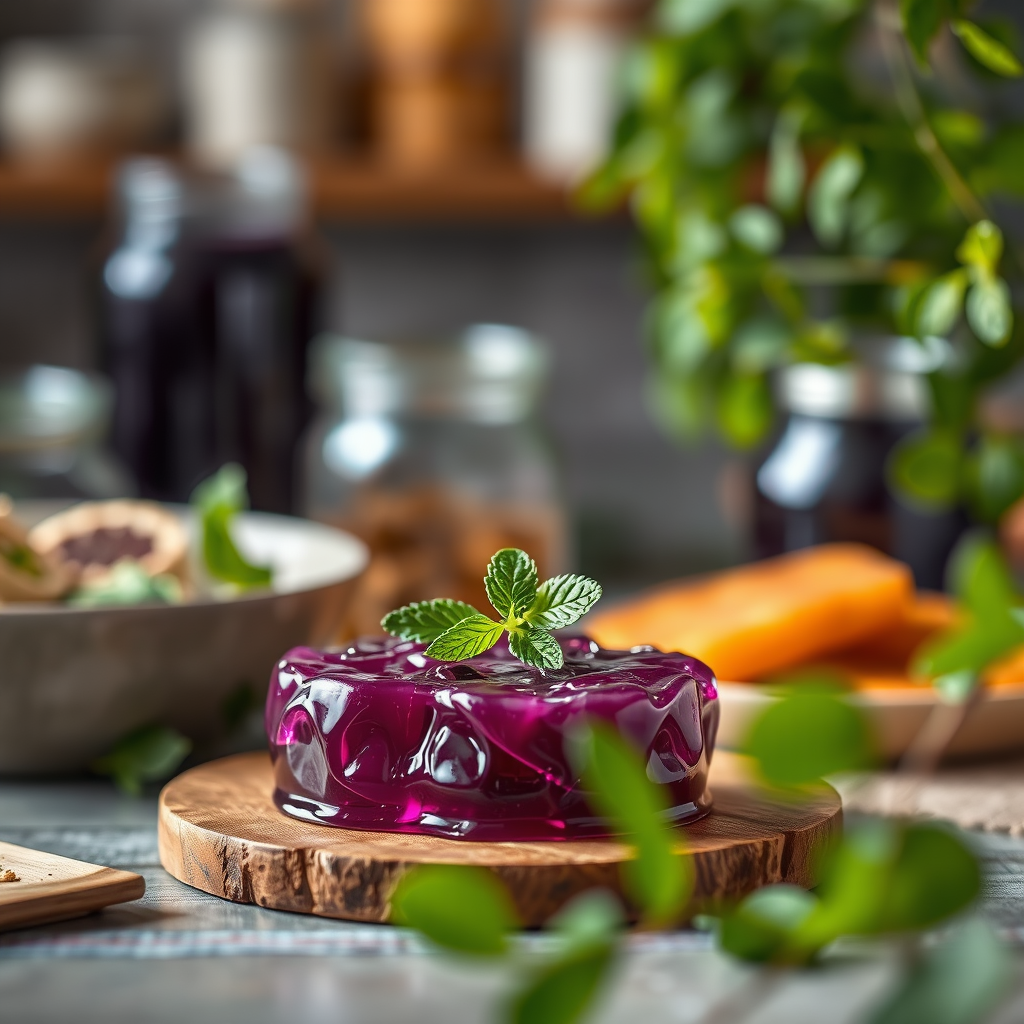
This guide targets home cooks who possess a basic understanding of food safety and preserving techniques, particularly those interested in incorporating flowers into their culinary repertoire. It is well-suited for individuals eager to explore unique flavors in their preserves and those who aim to create visually striking dishes using natural ingredients. However, individuals with allergies to violets or related plants should avoid using this guide, as it does not discuss alternative edible flowers or substitutes.
The Step-by-Step Protocol
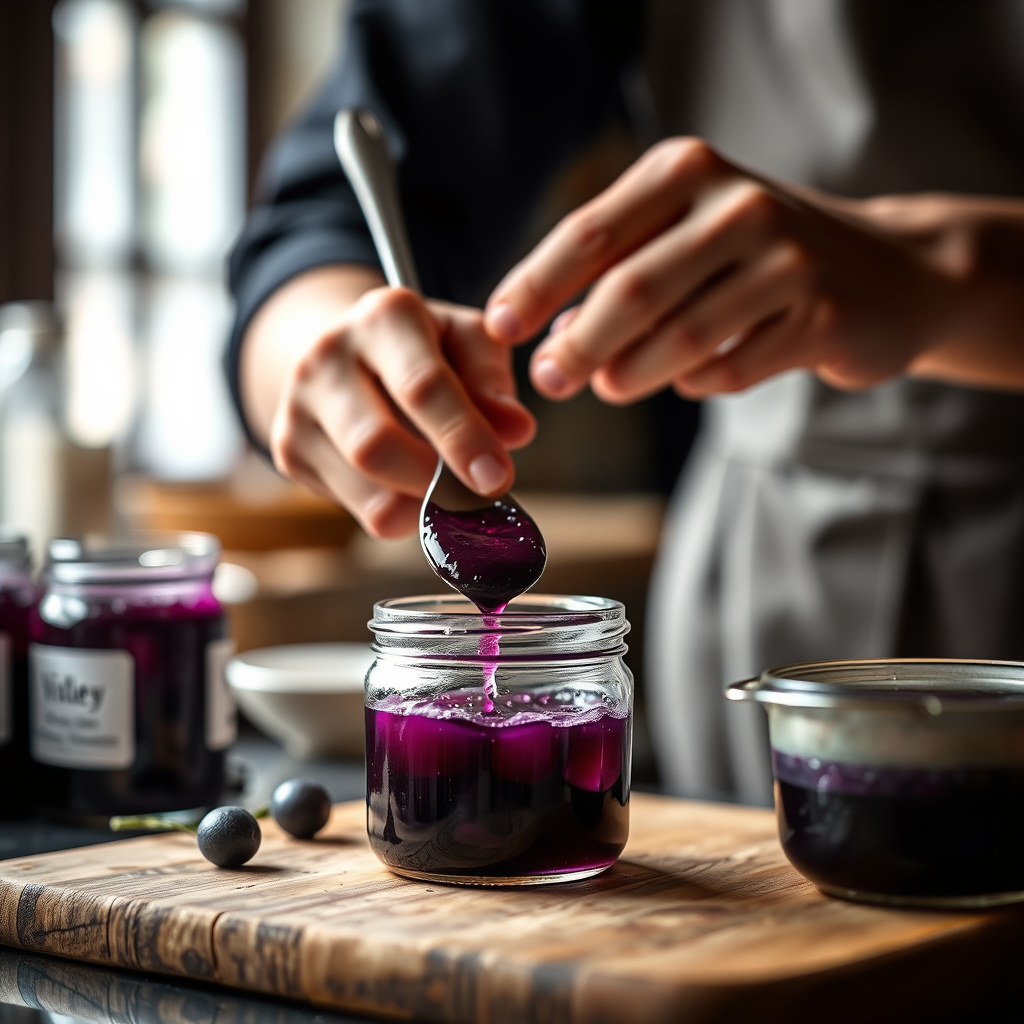
1. Gather ingredients: You will need 2 cups of fresh violet flowers, 2 cups of water, 1 tablespoon of lemon juice, 1 package (1.75 oz) of powdered pectin, and 4 cups of granulated sugar.
2. Prepare the violets: Gently rinse the violet flowers under cold water to eliminate any dirt. Carefully remove the green stems, using only the petals, as the stems can impart a bitter flavor.
3. Make the infusion: In a medium saucepan, combine the prepared violet petals with 2 cups of water. Bring this mixture to a gentle simmer over medium heat, allowing it to simmer for about 15 minutes. This process extracts the color and flavor from the petals.
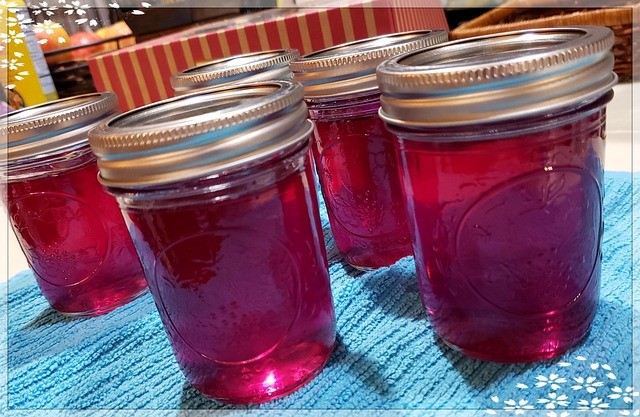
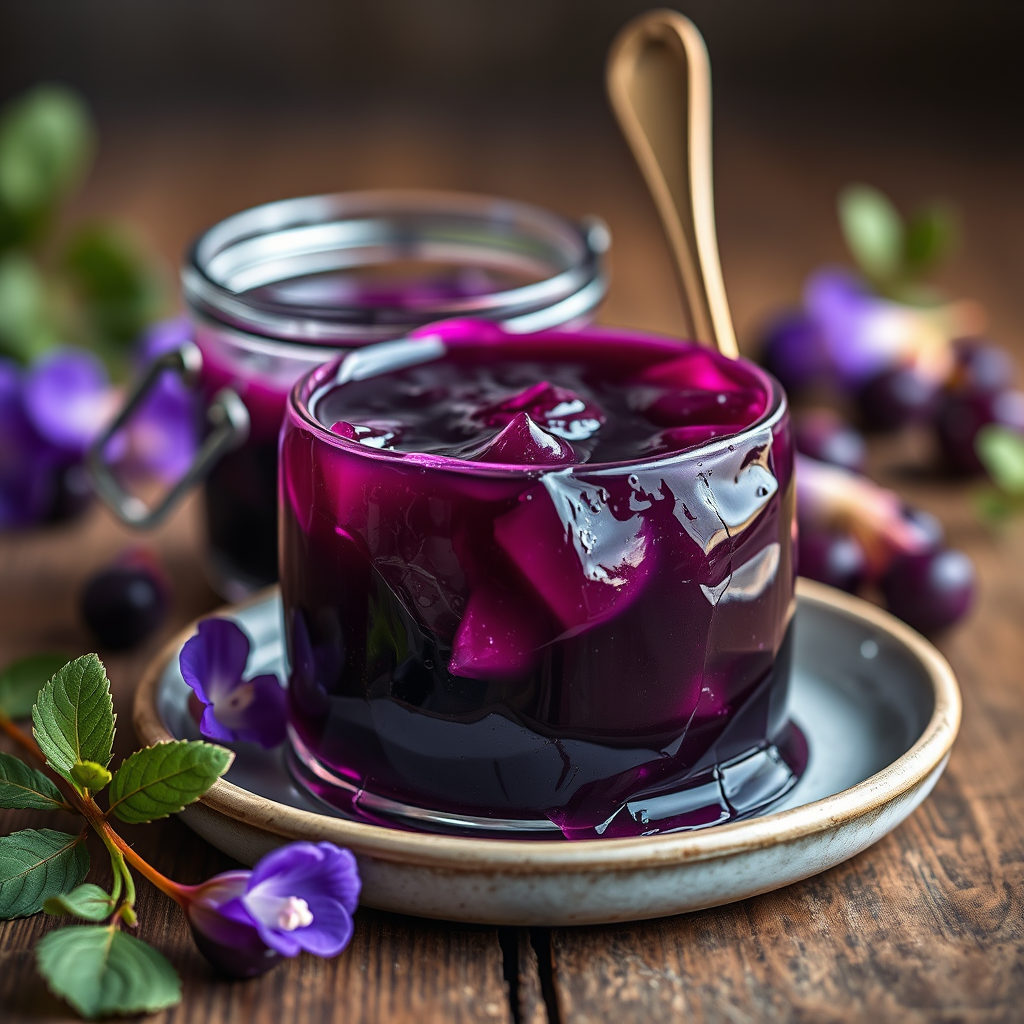
4. Strain the mixture: After simmering, strain the violet infusion through a fine mesh sieve or cheesecloth into a clean bowl. Discard the solids, ensuring to retain the vibrant liquid, which should possess a rich purple hue.
5. Prepare for jelling: In a separate pot, mix the violet infusion, lemon juice, and pectin. Stir well to dissolve the pectin completely, then bring this mixture to a rolling boil over medium-high heat.
6. Add sugar: Once the mixture reaches a boil, gradually add the granulated sugar while stirring continuously. Allow the mixture to return to a rolling boil and cook for 1-2 minutes, or until the sugar has completely dissolved and the jelly begins to thicken.
7. Test for readiness: Perform a gel test by placing a small spoonful of the mixture on a cold plate. Let it sit for a minute and run your finger through it; if the jelly holds its shape and wrinkles slightly, it’s ready for canning. If not, continue boiling for an additional minute and test again.
8. Can the jelly: Pour the hot violet jelly into sterilized jars, leaving about ¼ inch of headspace. Wipe the rims with a clean, damp cloth to remove any residue. Seal with sterilized lids and process in a boiling water bath for 5-10 minutes to ensure proper sealing.
9. Cool and store: Remove the jars from the water bath and place them on a clean kitchen towel to cool completely. Once cool, check that the lids have sealed properly by pressing down in the center. Store the jars in a cool, dark place. Properly sealed jars can last for up to one year.
Key Ingredients for Violet Jelly
| # | Ingredient | Quantity | Purpose |
|---|---|---|---|
| 1 | Fresh Violet Flowers | 2 cups | Flavor & Color |
| 2 | Water | 2 cups | Extraction |
| 3 | Lemon Juice | 1 tbsp | Acidity & Preservation |
| 4 | Powdered Pectin | 1 package (1.75 oz) | Gelling Agent |
| 5 | Granulated Sugar | 4 cups | Sweetness & Preservation |
Warning Signs: When Not to Follow This
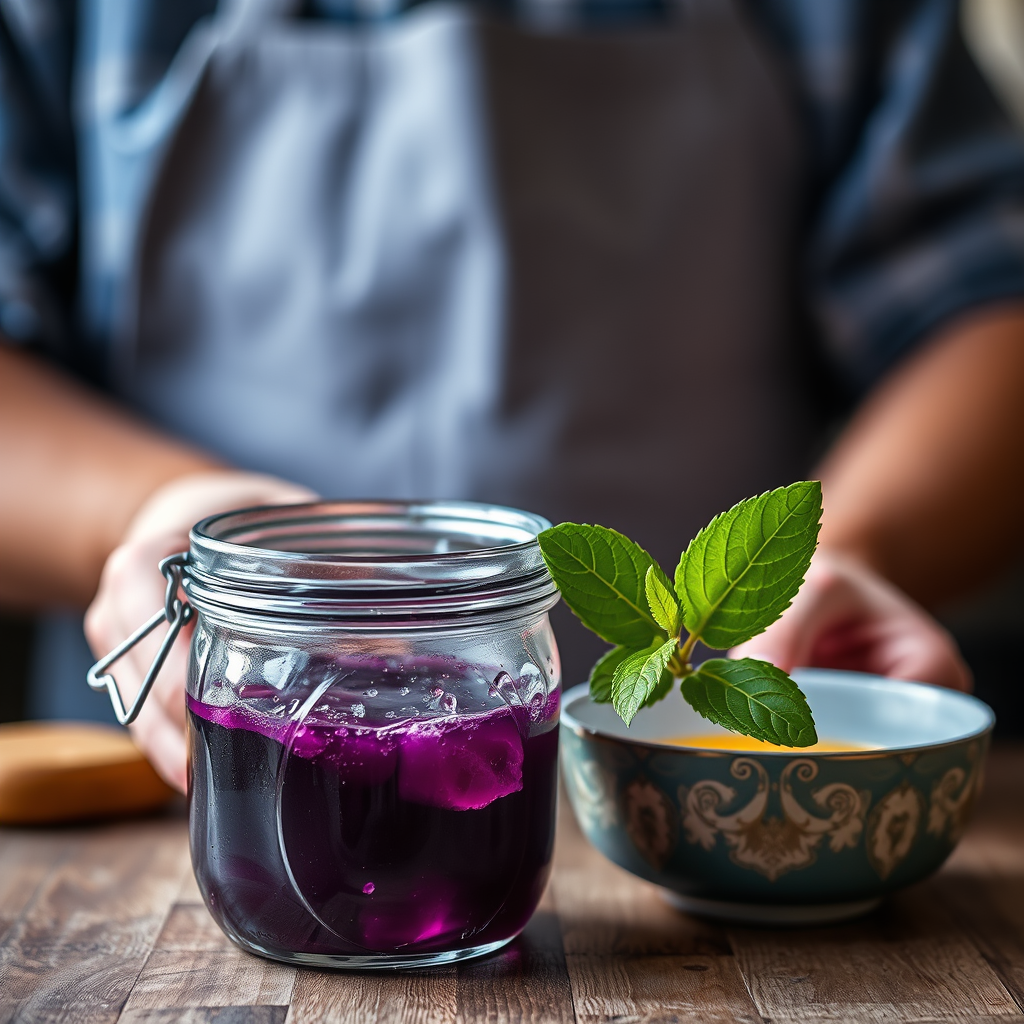
– Do not attempt to make violet jelly if you cannot confirm that your violets are edible; always verify the species and ensure they have not been treated with pesticides or chemicals.
– Avoid this recipe if you have any known allergies to violets or similar flowers, as this could trigger an allergic reaction when consumed.
– If you notice any unusual discoloration or off-odors in the violet petals before cooking, do not proceed with the recipe, as this may indicate spoilage.
The Most Common Mistakes (And Their Consequences)
– A frequent error involves using violets that are not adequately rinsed, leading to a gritty texture in the final jelly and potential contamination from soil or insects.
– Overcooking the violet infusion can diminish both color and flavor, resulting in a dull jelly lacking the vibrant hue and aromatic qualities of fresh violets.
– Inaccurate sugar measurements can result in a jelly that is either overly sweet or fails to set properly, negatively impacting both taste and texture.
Special Cases That Need a Different Approach
– If using dried violets instead of fresh, adjust the quantity to 1 cup of dried petals, steeping them in boiling water for 30 minutes before straining. This ensures effective extraction of necessary flavors and colors.
– For those residing at high altitudes, increase the cooking time when making the jelly, as lower atmospheric pressure affects the setting properties of pectin. Monitor the jelly closely to achieve the desired consistency.
– If you prefer a lower sugar option, consider using low-sugar pectin and follow the manufacturer’s guidelines for adjusting sugar and pectin ratios. This may yield slight variations in texture and sweetness.
When You Need a Professional
– If you are uncertain about the identification of the violets you wish to use, consult a local horticulturist or botanist for verification to avoid using toxic plants.
– If you have a medical condition that affects your ability to consume sugar or certain fruits, seek advice from a registered dietitian before attempting to make violet jelly.
– In the event of any adverse reactions after consuming violet jelly, such as allergic symptoms or gastrointestinal distress, seek professional medical attention immediately.
Sources and Further Reading
– “The Joy of Jams, Jellies, and Other Sweet Preserves” by Nancy Baggett offers foundational knowledge on fruit preservation techniques and safety.
– The National Center for Home Food Preservation provides guidelines on safe canning practices and recipes, particularly for fruit preserves.
– For detailed botanical information on violets, refer to “Wild Edibles: A Practical Guide to Foraging” by John Kallas, which outlines edible plants and their preparation methods.
Frequently Asked Questions
What ingredients do I need for a violet jelly recipe?
To make a delicious violet jelly, you’ll need fresh violet flowers, sugar, lemon juice, and pectin. Ensure you use edible violets for safety and flavor, as they provide the beautiful color and essence that enhances the jelly.
How do I prepare violets for making jelly?
Preparing violets for jelly involves gently rinsing the flowers to remove any dirt or insects, then patting them dry. It’s crucial to remove any green parts, as they can impart a bitter taste, leaving you with just the fragrant petals for your violet jelly.
Why is pectin important in a violet jelly recipe?
Pectin is essential in a violet jelly recipe because it acts as a gelling agent, helping the jelly to set properly. Without pectin, your jelly may remain too runny, affecting both the texture and the overall quality of your homemade violet jelly.
What is the best method to infuse violets into jelly?
The best method to infuse violets into jelly is to steep the cleaned flowers in boiling water for about 10-15 minutes, allowing their vibrant color and flavor to extract. After straining the liquid, mix it with sugar and pectin according to your recipe for a beautifully colored and aromatic violet jelly.
Which storage tips should I follow for homemade violet jelly?
To store homemade violet jelly, ensure it is sealed in sterilized jars and kept in a cool, dark place. Once opened, refrigerate the jelly and consume it within a few weeks for the best flavor and freshness, as homemade jelly lacks the preservatives found in store-bought options.
References
- Jelly
https://en.wikipedia.org/wiki/Jelly - Google Scholar Google Scholar
https://scholar.google.com/scholar?q=violet+jelly+recipe - https://pubmed.ncbi.nlm.nih.gov/
https://pubmed.ncbi.nlm.nih.gov/ - Google Scholar Google Scholar
https://scholar.google.com/scholar?q=violet+flowers+culinary+use - https://www.sciencedirect.com/topics/agricultural-and-biological-sciences/jelly
https://www.sciencedirect.com/topics/agricultural-and-biological-sciences/jelly - Jelly | Definition, Processing, & Uses | Britannica
https://www.britannica.com/topic/jelly - https://www.nature.com/articles/s41598-019-44353-4
https://www.nature.com/articles/s41598-019-44353-4 - https://www.mayoclinic.org/healthy-lifestyle/nutrition-and-healthy-eating/in-depth/jelly/art-20044813
https://www.mayoclinic.org/healthy-lifestyle/nutrition-and-healthy-eating/in-depth/jelly/art-20044813 - https://www.verywellfit.com/what-is-jelly-4110140
https://www.verywellfit.com/what-is-jelly-4110140 - https://www.nal.usda.gov/legacy/legacy/food-preservation-jelly-making-guide
https://www.nal.usda.gov/legacy/legacy/food-preservation-jelly-making-guide