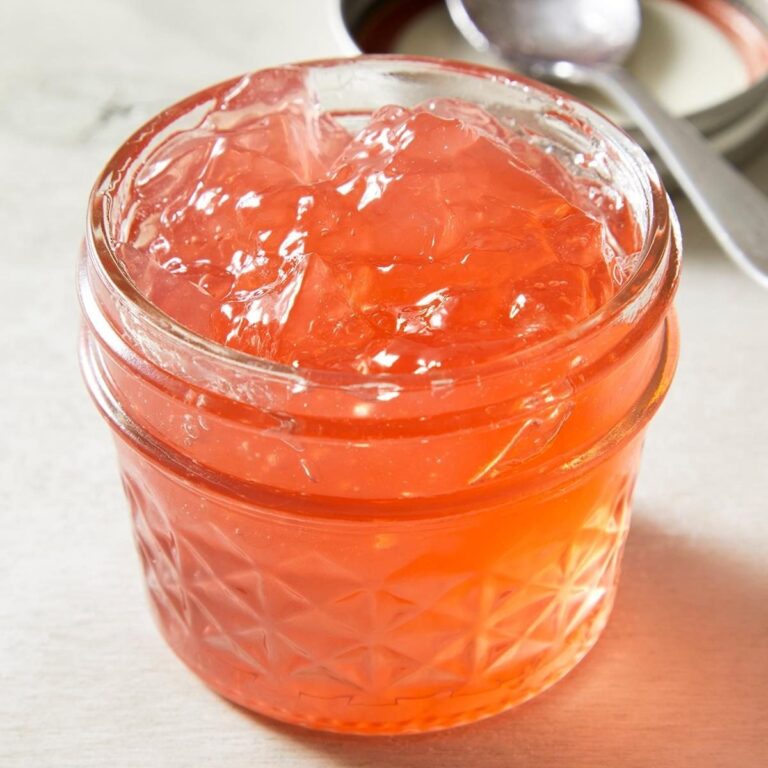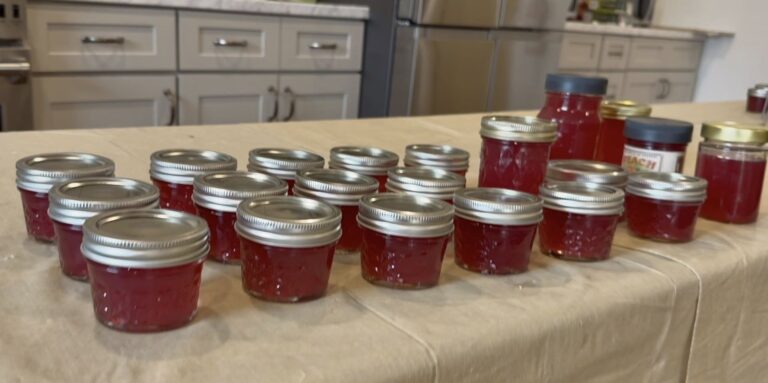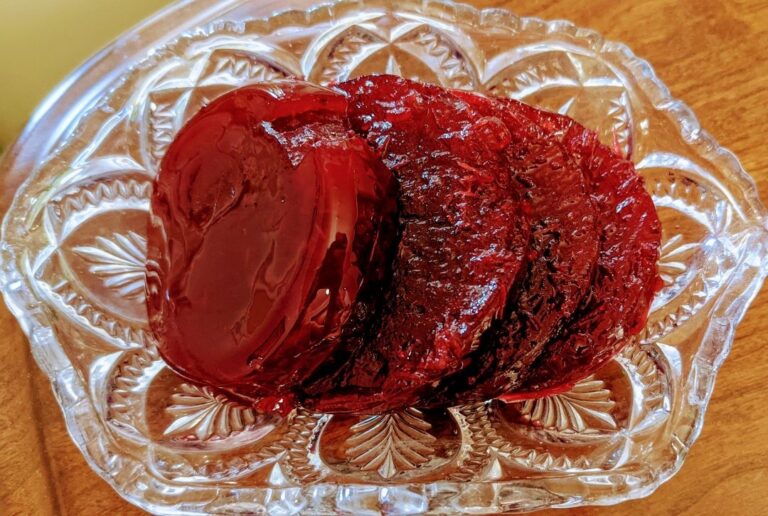
Master the art of making tomato jelly jam with this comprehensive expert guide, designed for home canners and food preservation enthusiasts. This resource details the precise steps, safety protocols, and essential ingredients required to create delicious, shelf-stable tomato jelly jam. Adhering to safe canning practices is crucial to ensure your preserves are not only tasty but also safe to consume. Elevate your culinary skills and enjoy the unique flavor of homemade tomato jelly jam with confidence.
What This Guide Covers (And What It Doesn’t)

This guide presents a detailed, step-by-step process for making tomato jelly jam, outlining the necessary ingredients, equipment, and safety measures. It focuses specifically on tomato jelly, excluding discussions on other types of jelly or jam, such as fruit-based or vegetable-based preserves. The aim is to provide a reliable recipe that preserves the unique flavor of tomatoes while employing safe practices to prevent spoilage. While it caters to those with some basic kitchen skills, it also simplifies complex processes, making them accessible for novices.
Who Should Read This
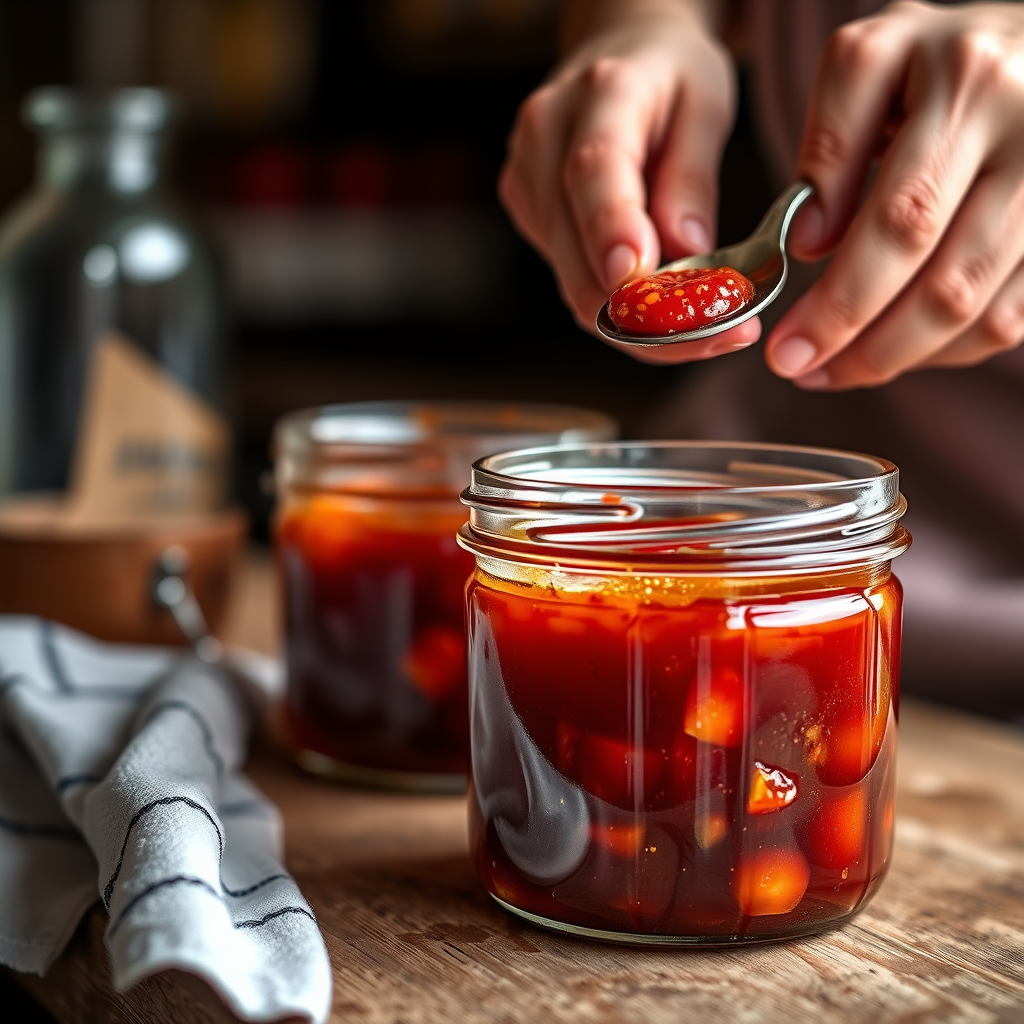
This guide is designed for home cooks eager to transform garden-fresh tomatoes into delicious jelly jam, especially those interested in exploring unique flavor combinations. Ideal readers include individuals looking to expand their canning repertoire, culinary enthusiasts, and those preparing for events like farmers’ markets or family gatherings. However, it is not meant for those seeking commercial-grade preservation techniques or readers without any prior knowledge of food safety and preservation. A fundamental understanding of kitchen equipment and basic food handling practices is necessary to effectively follow the instructions.
The Step-by-Step Protocol
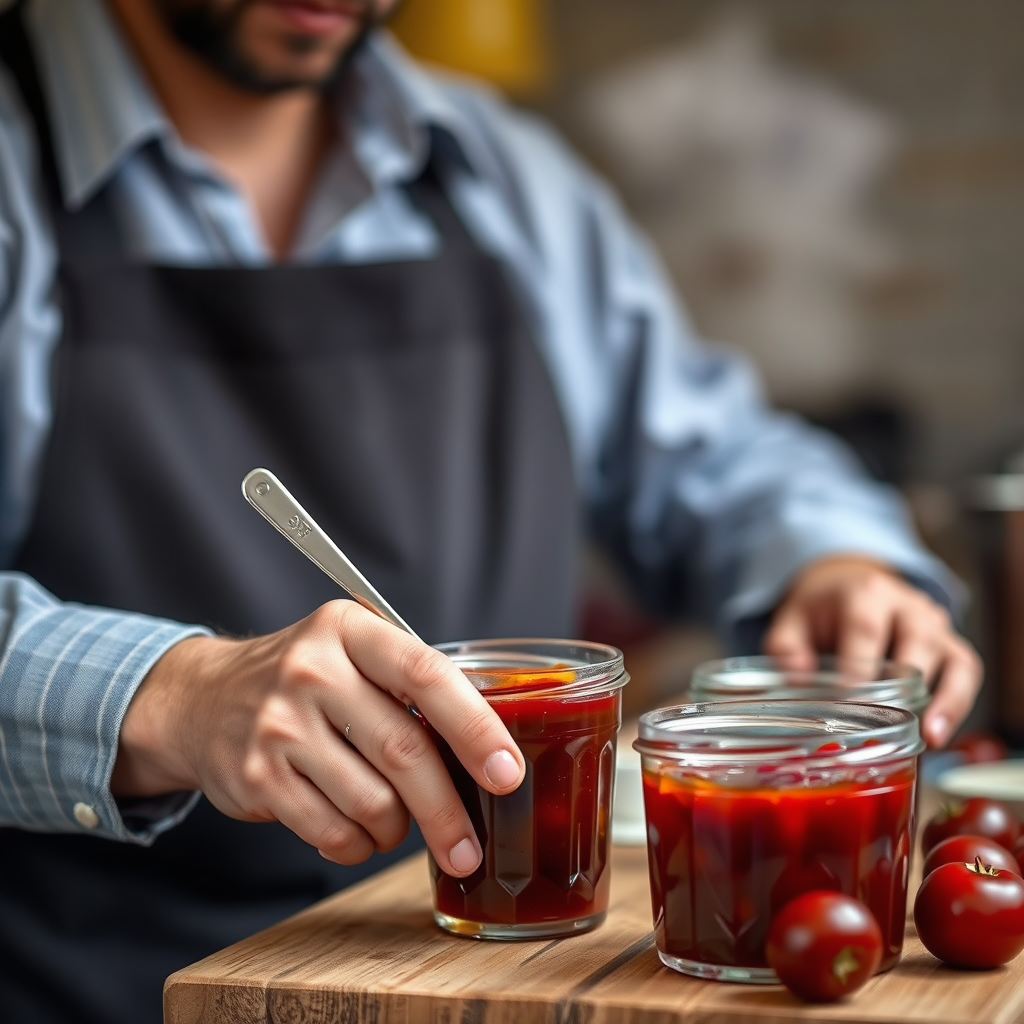
1. Gather Ingredients: Start with 4 cups of ripe tomatoes, ¼ cup lemon juice, 1 package (1.75 oz) fruit pectin, and 5 cups of granulated sugar.
2. Prepare Tomatoes: Wash the tomatoes thoroughly, remove stems, and chop them into quarters. Measure 4 cups after chopping.
3. Cook the Mixture: In a large pot, combine chopped tomatoes, lemon juice, and pectin. Bring to a boil over medium-high heat, stirring constantly.
4. Add Sugar: Once boiling, quickly stir in 5 cups of sugar and return to a rolling boil for exactly 1 minute. Remove from heat.
5. Jar the Jelly: Pour the hot jelly into sterilized jars, leaving ¼-inch headspace. Wipe the rims clean and seal with lids.
6. Process the Jars: Process jars in a boiling water bath for 10 minutes to ensure safety and long-term preservation.
7. Cool and Store: Allow jars to cool completely on a clean surface before checking seals and storing in a cool, dark place.
Nutritional Breakdown of Tomato Jelly Jam (per serving)
| # | Nutrient | Amount | Daily Value % | Health Benefit |
|---|---|---|---|---|
| 1 | Calories | 50 | 2% | Energy source |
| 2 | Total Fat | 0g | 0% | Heart healthy |
| 3 | Sugars | 12g | 24% | High sugar content |
| 4 | Sodium | 5mg | 0% | Low sodium |
| 5 | Fiber | 0g | 0% | No dietary fiber |
| 6 | Vitamin C | 2mg | 2% | Antioxidant properties |
| 7 | Calcium | 1mg | 0% | Minimal calcium |
Warning Signs: When Not to Follow This
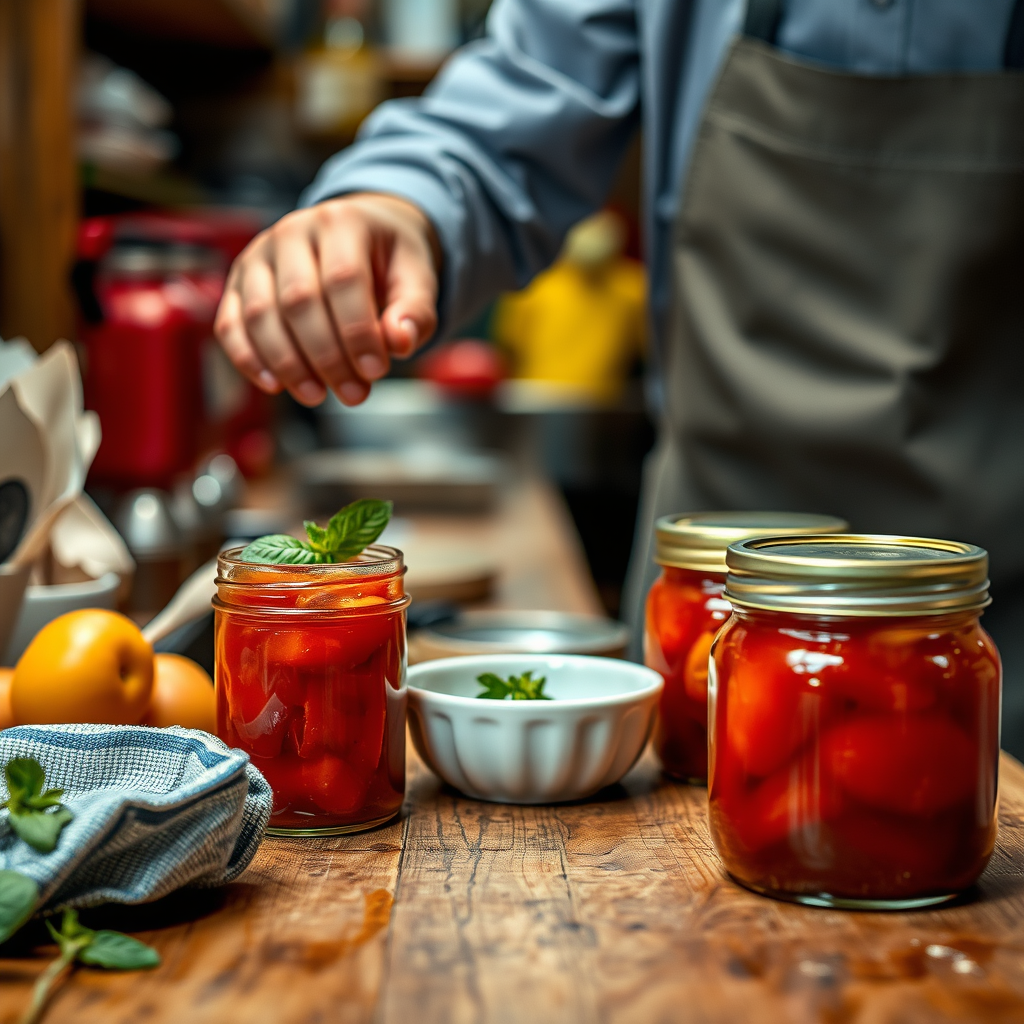
Avoid attempting this recipe if your tomatoes exhibit any signs of spoilage, such as mold or an off smell, as these can lead to unsafe food products. It’s crucial to steer clear of untested pectin substitutes or recipes not validated by food safety authorities, as they may fail to gel properly. If you’re uncertain about the cleanliness of your kitchen equipment, do not proceed; improper sanitation can result in contamination. Additionally, refrain from altering the proportions of the recipe—especially the sugar and pectin ratios—without adequate knowledge, as this can impact both the gelling process and overall safety.
The Most Common Mistakes (And Their Consequences)
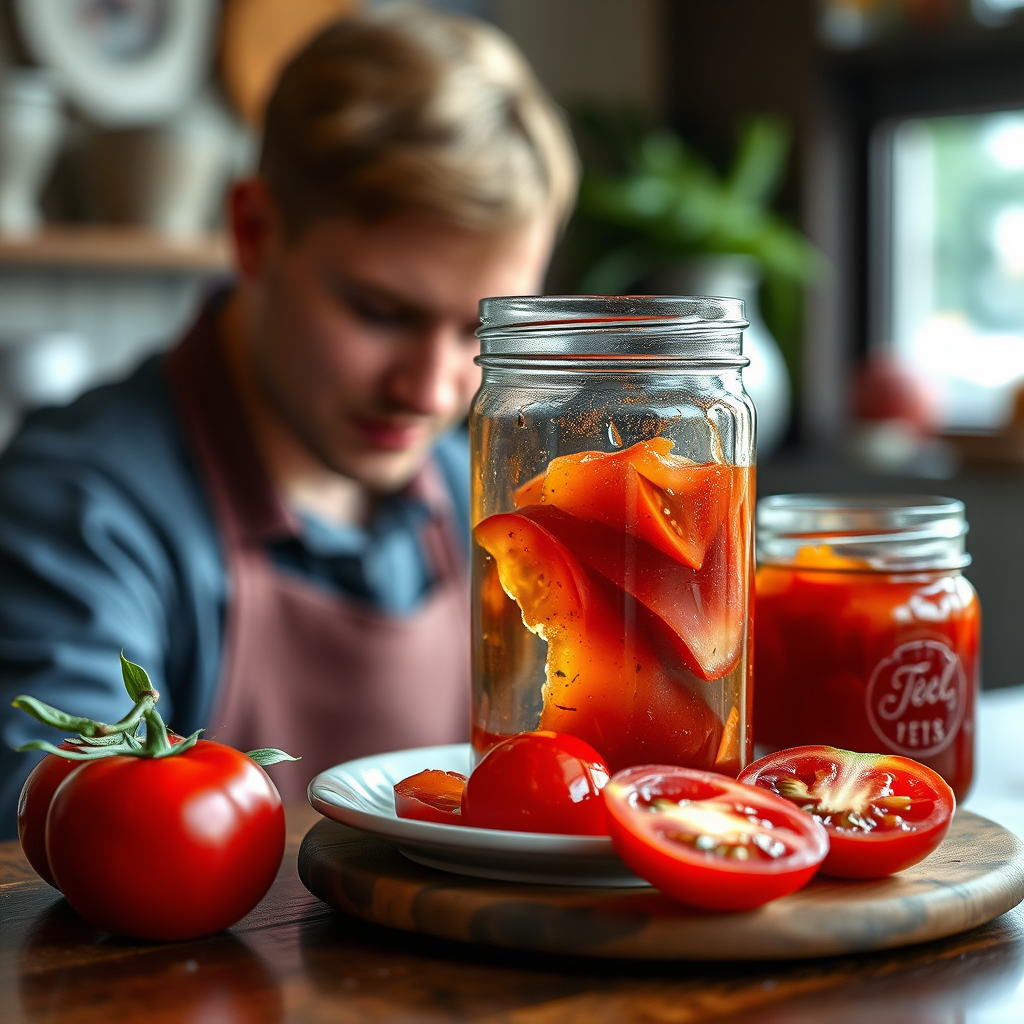
Inaccurate measurement of tomatoes can lead to jelly that is too runny or excessively sweet, compromising both consistency and flavor. Insufficient boiling time after adding sugar may prevent proper gelling, resulting in a syrupy texture rather than a firm jelly. Skipping the water bath canning process poses a risk of spoilage and foodborne illness due to inadequate preservation. Furthermore, reusing old jars without proper sterilization can invite contamination; always opt for clean or new jars specifically designed for canning.
Special Cases That Need a Different Approach
When using heirloom or specialty tomatoes, you may need to adjust the sugar or pectin quantities to accommodate their unique moisture content and acidity levels. For individuals with dietary restrictions, consider using low-sugar pectin and modifying the sugar content; however, be aware that this may alter the final texture. If you’re making smaller batches, ensure that you proportionally reduce both the tomatoes and the pectin while maintaining the acid content to guarantee safety. When experimenting with flavor additions like herbs or spices, start with small quantities and test for both safety and taste, as certain combinations can influence preservation.
When You Need a Professional
Should you notice any signs of spoilage during preparation or storage, such as gas bubbles in jars or a bulging lid, it is vital to consult a food safety expert or discard the product. If you struggle with the gelling process despite following the recipe, reach out to a local extension office or food preservation specialist for assistance. For those with commercial aspirations or large-scale production, contacting a certified food preservation expert is essential to ensure compliance with safety regulations. Additionally, if you have specific health concerns or conditions affecting your ability to preserve food safely, it’s wise to consult with a registered dietitian or food safety professional.
Sources and Further Reading
– USDA Complete Guide to Home Canning, which outlines safe canning practices and specific guidelines on preserving tomato products.
– “The Ball Book of Canning and Preserving” for tested recipes and tips on home canning, including tomato jelly.
– National Center for Home Food Preservation’s website, which provides research-based information on safe food preservation methods.
– Local agricultural extension services, which can offer personalized guidance and classes on tomato preservation and canning techniques.
Frequently Asked Questions
What ingredients do I need for a tomato jelly jam recipe?
To make a delicious tomato jelly jam, you will need ripe tomatoes, granulated sugar, lemon juice, and pectin. The tomatoes provide a unique flavor, while the sugar balances the acidity. Choosing high-quality, fresh tomatoes is key to achieving the best taste in your jelly.
How do I make tomato jelly jam from fresh tomatoes?
Start by washing and chopping your fresh tomatoes, then cook them down until soft. Strain the mixture to remove the skins and seeds, and then combine the tomato juice with sugar, lemon juice, and pectin in a pot. Bring it to a boil, stirring constantly until it thickens, then pour into sterilized jars for preservation.
Why is my tomato jelly jam not setting properly?
If your tomato jelly jam isn’t setting, it may be due to insufficient pectin or not boiling the mixture long enough. Ensure you’re using the correct amount of pectin as per your recipe, and allow the jam to boil for the recommended time. You can also test for doneness by checking if it sheets off a spoon.
What’s the best way to store homemade tomato jelly jam?
The best way to store homemade tomato jelly jam is to keep it in a cool, dark place, ideally in a pantry. After opening, store it in the refrigerator and consume it within a few weeks for optimal freshness. Properly sealing the jars during the canning process is essential to prevent spoilage.
Which types of tomatoes are best for making jelly jam?
For making tomato jelly jam, the best types of tomatoes are those with high sugar content and low moisture, such as Roma or San Marzano tomatoes. These varieties yield a richer flavor and a thicker consistency, making them ideal for jelly. Avoid overly watery tomatoes, as they can affect the setting process.
References
- Tomato
https://en.wikipedia.org/wiki/Tomato - Bulgecin A: The Key to a Broad-Spectrum Inhibitor That Targets Lytic Transglycosylases – PMC
https://www.ncbi.nlm.nih.gov/pmc/articles/PMC5372988/ - Google Scholar Google Scholar
https://scholar.google.com/scholar?q=tomato+jelly+jam+recipe - Relations of Pre-Onset Cannabis, Alcohol, and Tobacco Use with the Age at Onset of Prodrome and A…
https://www.ncbi.nlm.nih.gov/pmc/articles/PMC3662470/ - https://www.sciencedirect.com/topics/agricultural-and-biological-sciences/tomato
https://www.sciencedirect.com/topics/agricultural-and-biological-sciences/tomato - Tomato | Description, Cultivation, & History | Britannica
https://www.britannica.com/plant/tomato - https://www.extension.purdue.edu/extmedia/ID/ID-305-W.pdf
https://www.extension.purdue.edu/extmedia/ID/ID-305-W.pdf - https://www.foodsafety.gov/food-safety-charts/canning-jams-jellies
https://www.foodsafety.gov/food-safety-charts/canning-jams-jellies - Google Scholar Google Scholar
https://scholar.google.com/scholar?q=making+tomato+jelly - https://www.ars.usda.gov/ARSUserFiles/20360500/what_is_jelly.pdf
https://www.ars.usda.gov/ARSUserFiles/20360500/what_is_jelly.pdf