The best strawberry jam recipe can transform fresh berries into a delightful preserve that enhances your culinary creations. This expert guide covers essential techniques, ingredient selection, and safety protocols to ensure your jam is not only delicious but also safe for consumption. Following the right procedures is crucial to achieving the perfect texture and flavor while preventing spoilage. Elevate your jam-making skills and enjoy the fruits of your labor with confidence.
What This Guide Covers (And What It Doesn’t)
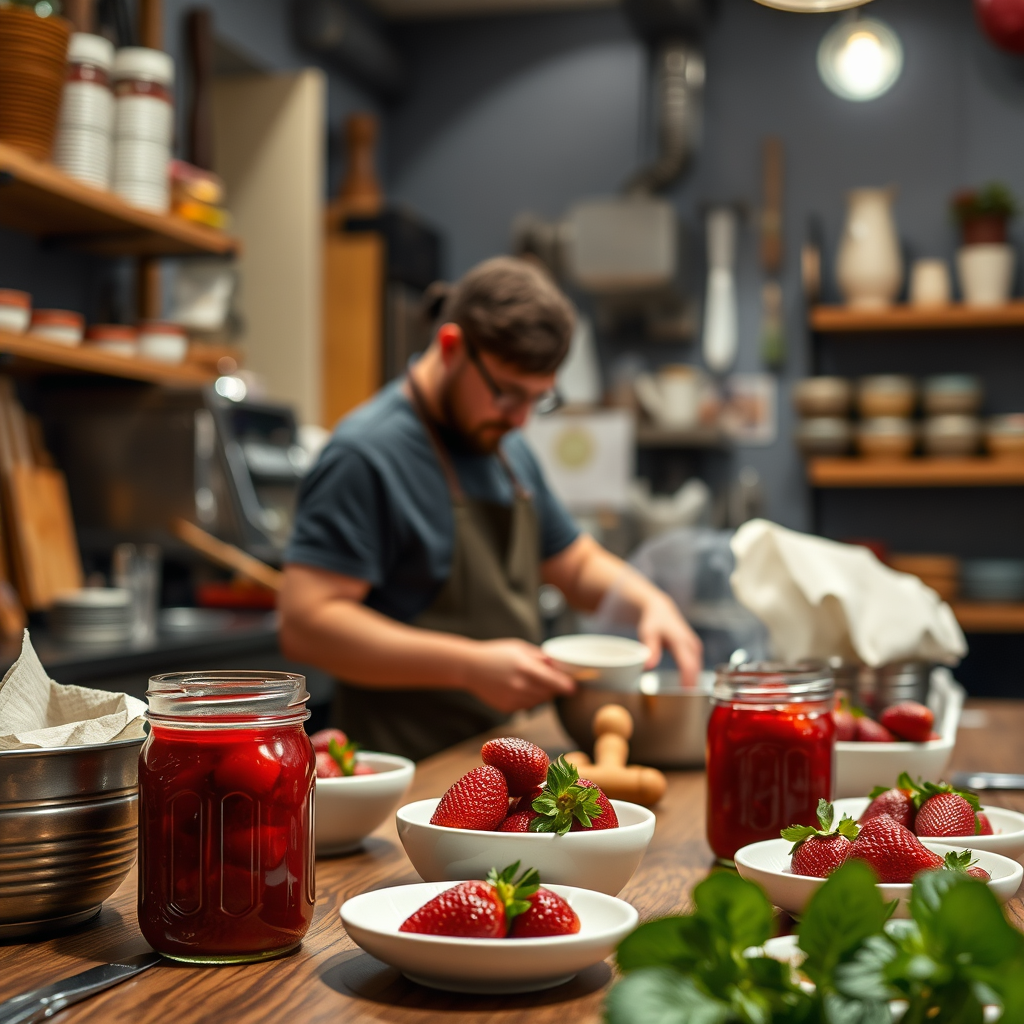
This guide offers a detailed, step-by-step recipe for crafting the finest strawberry jam, emphasizing optimal ingredient ratios, effective cooking techniques, and essential canning practices. Readers will discover important safety measures, such as pH testing and sterilization methods, to guarantee that the jam is safe for consumption and suitable for long-term storage. While the focus remains strictly on strawberry jam, ensuring clarity and depth, the guide does not delve into other types of jams or preserves. It is tailored for home cooks eager to refine their jam-making skills, intentionally excluding professional canning techniques that necessitate specialized equipment.
Who Should Read This
This guide is perfect for home cooks who possess a fundamental understanding of kitchen practices, including measuring ingredients and using a stove. It specifically targets individuals interested in preserving seasonal fruits and creating homemade gifts or pantry staples centered around strawberry jam. Readers seeking a trustworthy, tested recipe along with safety tips for canning will find this guide particularly useful. However, those with dietary restrictions or preferences, such as low-sugar or no-pectin options, may find the content less applicable, as it concentrates on traditional methods.
The Step-by-Step Protocol
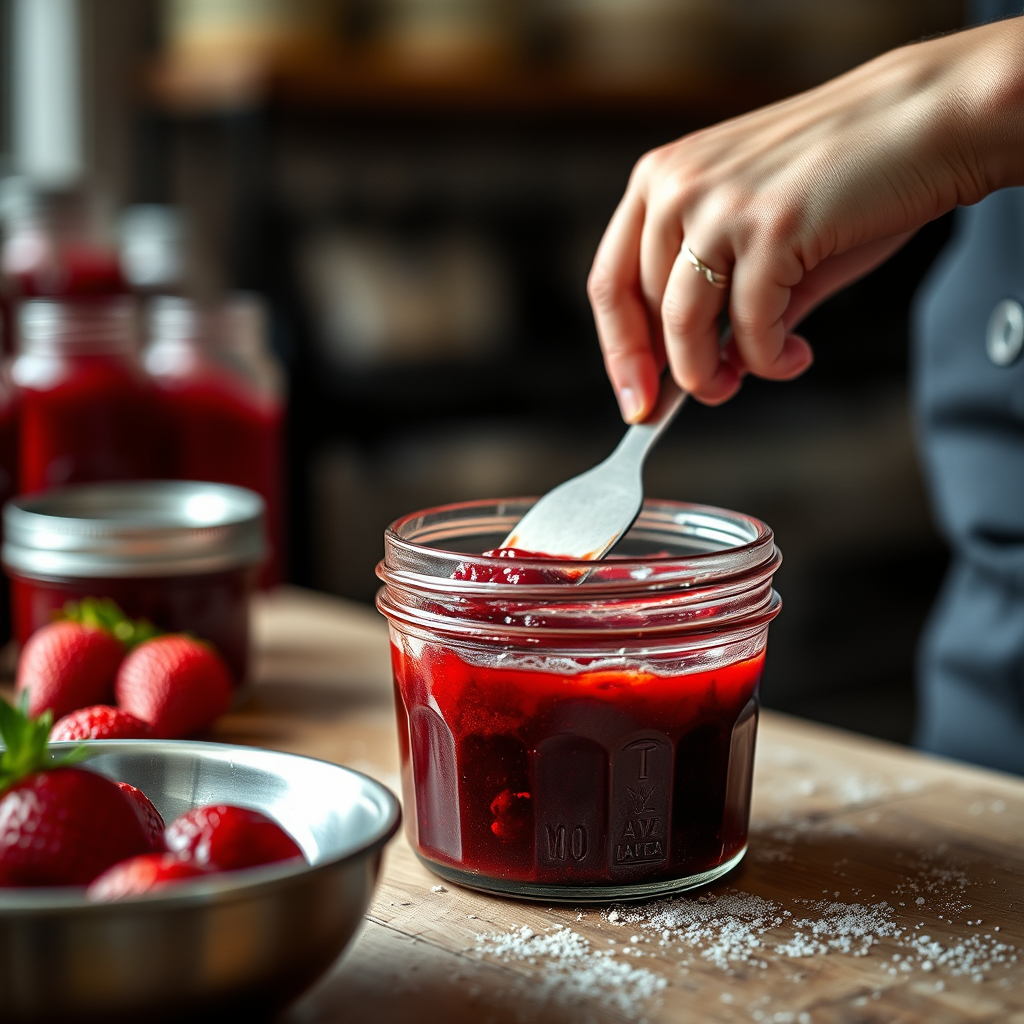
1. Gather Ingredients: Collect 2 pounds of fresh strawberries, 1.5 cups of granulated sugar, and 2 tablespoons of lemon juice for a balanced flavor.
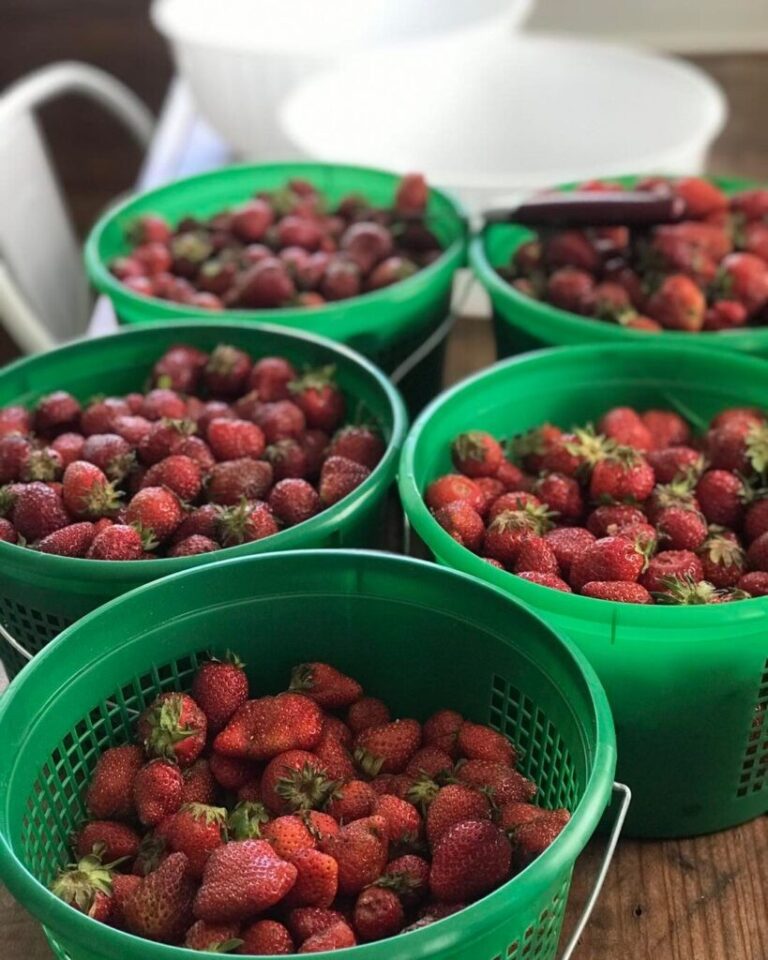
2. Prepare Strawberries: Rinse the strawberries thoroughly under running water, remove the stems, and slice them into halves or quarters to facilitate even cooking.
3. Macerate: In a large pot, combine the sliced strawberries, sugar, and lemon juice. Let the mixture sit for 30 minutes to macerate, allowing the juices to release and the sugar to dissolve.
4. Cook the Mixture: Cook over medium heat, stirring frequently until the mixture reaches a rolling boil. Use a candy thermometer to ensure it hits at least 220°F (104°C) for proper gelling.
5. Simmer: Once boiling, continue to cook for another 10-15 minutes, skimming off any foam that forms on the surface to improve clarity and texture.
6. Test Consistency: To check the jam’s consistency, place a spoonful on a cold plate; it should hold its shape after cooling for a minute. If it’s too runny, continue cooking for a few more minutes.
7. Jar the Jam: Pour the hot jam into sterilized jars, leaving 1/4 inch of headspace. Seal with sterilized lids and process in a boiling water bath for 10 minutes to ensure safe preservation.
8. Cool and Store: Allow the jars to cool completely at room temperature before storing them in a dark, cool place for up to one year.
Nutritional Information per Serving of Strawberry Jam
| # | Nutrient | Amount per Serving | % Daily Value |
|---|---|---|---|
| 1 | Calories | 50 | 2% |
| 2 | Total Fat | 0g | 0% |
| 3 | Sugars | 13g | 14% |
| 4 | Protein | 0g | 0% |
| 5 | Sodium | 1mg | 0% |
| 6 | Vitamin C | 5% | 5% |
| 7 | Calcium | 1% | 1% |
Warning Signs: When Not to Follow This

– If you notice any signs of spoilage on strawberries, such as mold or an off smell, do not attempt to use them for jam-making.
– Avoid following this recipe if you lack essential equipment like a water bath canner, sterilized jars, and lids, as these are crucial for safe preservation.
– Do not attempt this recipe if you are allergic to any of the ingredients, particularly strawberries or sugar, as this could lead to severe health issues.
– If you’re unsure about the safety of your canning process, such as proper sealing or pH levels, refrain from consuming the jam until you can ensure it is safe.
The Most Common Mistakes (And Their Consequences)
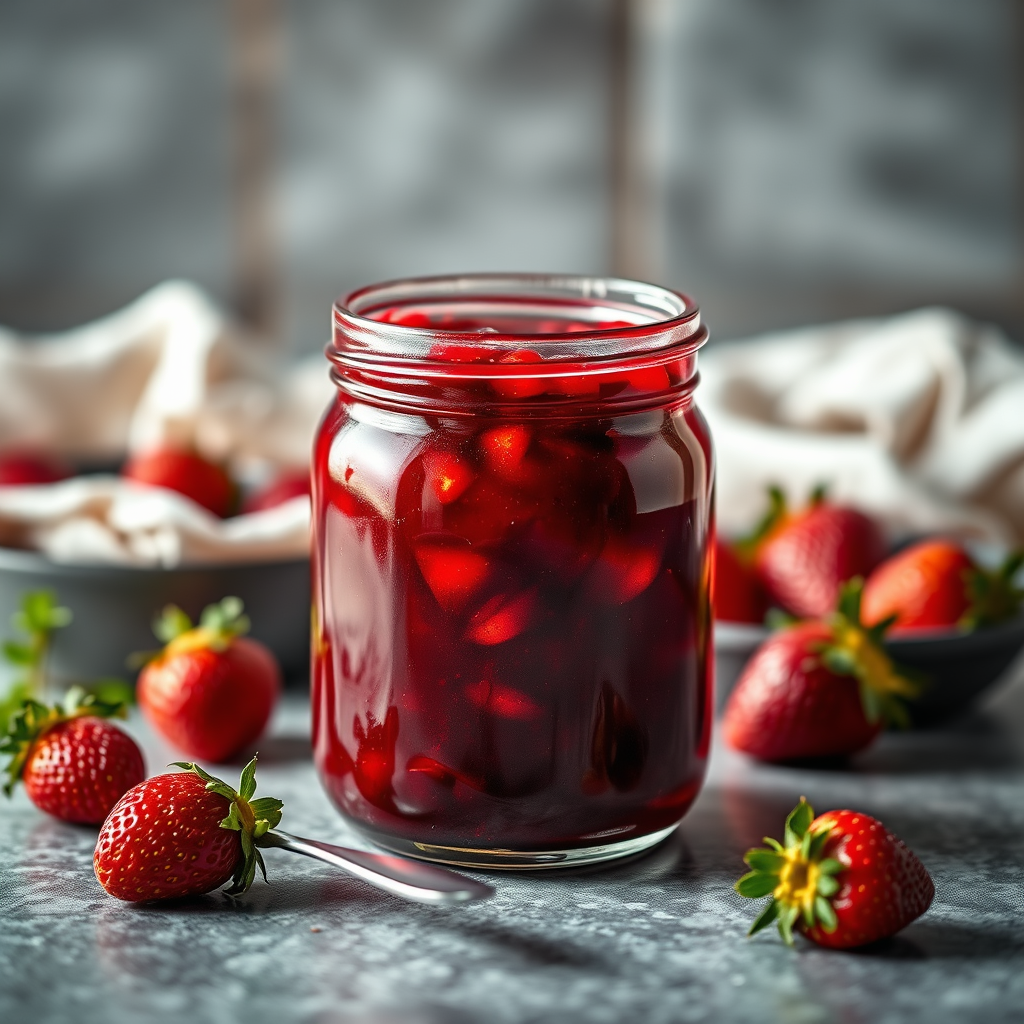
– Skipping the maceration step can result in a jam that is overly sweet and lacks the fresh strawberry flavor, as it prevents the fruits from releasing their juices.
– Not using a candy thermometer may lead to improperly cooked jam, either too runny or too thick, affecting both texture and taste.
– Overfilling jars during the canning process can hinder proper sealing, increasing the risk of spoilage and potential foodborne illness.
– Failing to process the jars in a boiling water bath for the recommended time can compromise preservation, making the jam unsafe for long-term storage.
Special Cases That Need a Different Approach
– If using frozen strawberries, allow them to thaw and drain excess liquid before following the recipe; otherwise, the jam may end up too watery.
– For those who prefer a low-sugar version, substitute granulated sugar with a suitable alternative, ensuring it maintains similar gelling properties.
– If you’re allergic to pectin or prefer a no-pectin recipe, consider extending the cooking time to achieve the desired thickness naturally.
– Adjustments may be necessary for high-altitude canning; refer to local guidelines, as processing times may need to be increased to ensure safety.
When You Need a Professional
– If you lack experience with canning and are unfamiliar with food safety guidelines, consulting a food preservation expert is essential before attempting this recipe.
– Should you have specific dietary needs or allergies that complicate traditional jam-making, seek guidance from a registered dietitian or nutritionist.
– If you encounter any issues during the canning process, such as jars not sealing properly, consult a local extension service or food preservation expert for assistance.
– For any health concerns regarding foodborne illnesses or preservation methods, involving a professional can help ensure safety and compliance with health standards.
Sources and Further Reading
– “So Easy to Preserve” by the University of Georgia Cooperative Extension provides authoritative information on safe canning practices and techniques.
– The National Center for Home Food Preservation offers detailed guidelines on food safety, preservation methods, and troubleshooting canning issues.
– “The Ball Complete Book of Home Preserving” features tested recipes and techniques, including strawberry jam, ensuring successful outcomes in home canning.
– Local extension services provide resources and workshops on food preservation, which can be invaluable for both novice and experienced home canners.
By meticulously following these guidelines, you can create a delicious strawberry jam that not only captures the essence of summer but also keeps your pantry stocked with homemade goodness. Enjoy the satisfaction of sharing your creation with family and friends, and relish the taste of summer all year round.
Frequently Asked Questions
What is the best strawberry jam recipe for beginners?
The best strawberry jam recipe for beginners includes fresh strawberries, sugar, lemon juice, and pectin. Start by washing and hulling 2 pounds of strawberries, then mash them in a bowl. Combine the mashed strawberries with 4 cups of sugar and 1/4 cup of lemon juice in a pot, bring to a boil, and then add 1 package of pectin. Stir for 10 minutes, pour into sterilized jars, and let it cool to set.
How do I make strawberry jam without pectin?
To make strawberry jam without pectin, use 2 pounds of strawberries, 2 cups of sugar, and the juice of one lemon. Cook the mashed strawberries and sugar over medium heat until the mixture thickens, which can take about 30-40 minutes. Stir frequently to prevent sticking, and test the consistency by placing a spoonful on a cold plate; it should hold its shape when cooled.
Why is my strawberry jam not setting properly?
If your strawberry jam is not setting, it may be due to insufficient pectin or cooking time. Ensure you are using the right amount of pectin as specified in your recipe, and cook the jam until it reaches the gel point, which can be tested by placing a spoonful on a cold plate. Additionally, using very ripe strawberries can affect the setting; choose firm, fresh fruit for the best results.
What is the best way to store homemade strawberry jam?
The best way to store homemade strawberry jam is to keep it in sterilized glass jars with airtight lids. Once sealed, you can store the jam in a cool, dark place for up to a year. After opening, refrigerate the jam and consume it within a few weeks for optimal freshness and flavor.
Which strawberries are best for making jam?
The best strawberries for making jam are fresh, ripe, and sweet varieties like June-bearing strawberries or ever-bearing strawberries. Look for berries that are deep red, firm, and free from blemishes. Heirloom varieties like Albion and Seascape also make excellent choices, as they have a rich flavor that enhances the taste of homemade strawberry jam.
References
- Fruit preserves
https://en.wikipedia.org/wiki/Jam - https://www.oregon.gov/oha/PHD/pages/recipes/jam.html
https://www.oregon.gov/oha/PHD/pages/recipes/jam.html - https://www.extension.purdue.edu/extmedia/FS/FS-18-W.pdf
https://www.extension.purdue.edu/extmedia/FS/FS-18-W.pdf - https://www.foodsafety.gov/keep/charts/jam.html
https://www.foodsafety.gov/keep/charts/jam.html - https://pubmed.ncbi.nlm.nih.gov/28158090/
https://pubmed.ncbi.nlm.nih.gov/28158090/ - https://www.ncbi.nlm.nih.gov/pmc/articles/PMC6582677/
https://www.ncbi.nlm.nih.gov/pmc/articles/PMC6582677/ - Google Scholar Google Scholar
https://scholar.google.com/scholar?q=best+strawberry+jam+recipe - Google Scholar Google Scholar
https://scholar.google.com/scholar?q=strawberry+preservation+methods - Google Scholar Google Scholar
https://scholar.google.com/scholar?q=fruit+jam+recipes - https://www.extension.umn.edu/food/food-safety/preservation/jams-jellies/
https://www.extension.umn.edu/food/food-safety/preservation/jams-jellies/