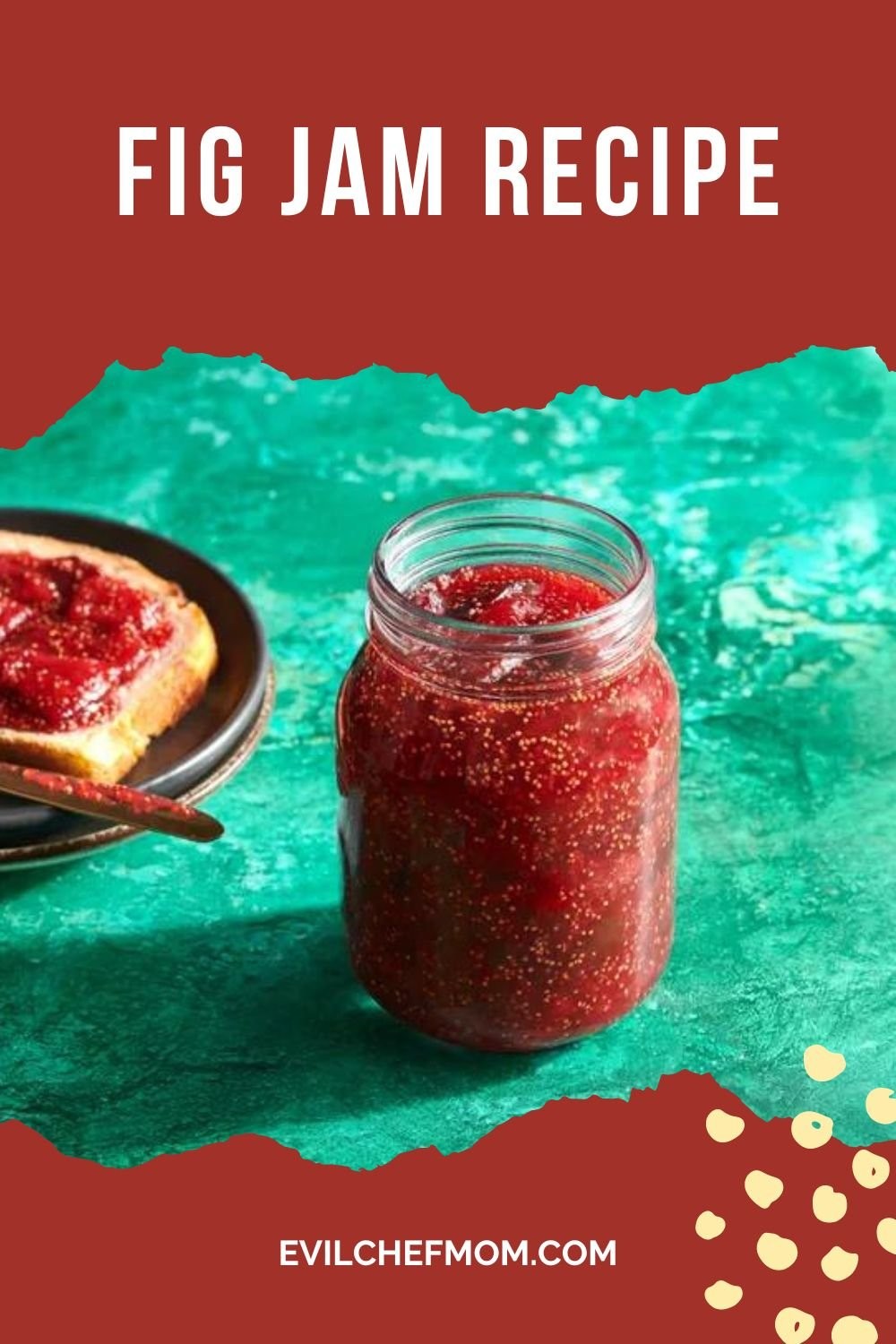
The best fig jam recipe combines expert techniques with safety protocols to ensure a delicious and safe preserve. This comprehensive guide is tailored for home cooks seeking to master fig jam, covering everything from ingredient selection to canning methods. Following precise procedures is crucial not only for flavor but also for food safety, making this guide essential for anyone serious about preserving figs.
What This Guide Covers (And What It Doesn’t)
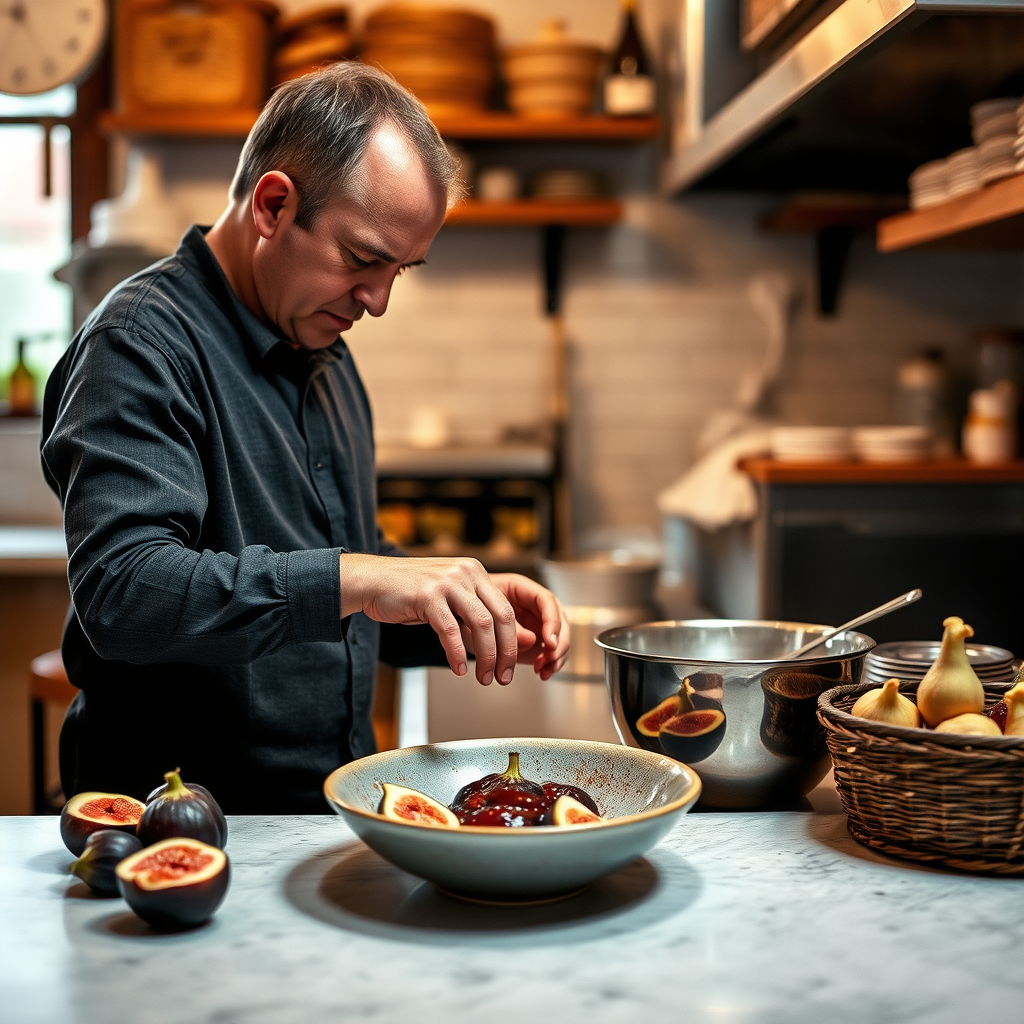
This guide offers a comprehensive, step-by-step process for crafting fig jam, detailing essential ingredients, techniques, and equipment necessary for achieving flawless results. It focuses solely on the classic fig jam recipe while providing variations for flavor enhancement and storage methods, intentionally excluding unrelated preserves or jams. You will find valuable tips on selecting the best figs, determining sugar ratios, and ensuring proper pH levels for safe canning. However, recipes for other types of jams or jellies are not included. This guide is specifically designed for home cooks eager to master fig jam; it does not address professional canning techniques or industrial processes.
Who Should Read This
This article caters to home cooks with a fundamental understanding of canning and preserving, particularly those eager to delve into fruit preserves. It is also beneficial for individuals with experience in other jam-making processes who are new to using figs and wish to enhance their skills. If you have previously made fruit preserves and seek a reliable recipe with precise measurements and safety tips, this guide is tailored for you. However, novices lacking prior knowledge of preserving may find this guide challenging without additional introductory information.
The Step-by-Step Protocol
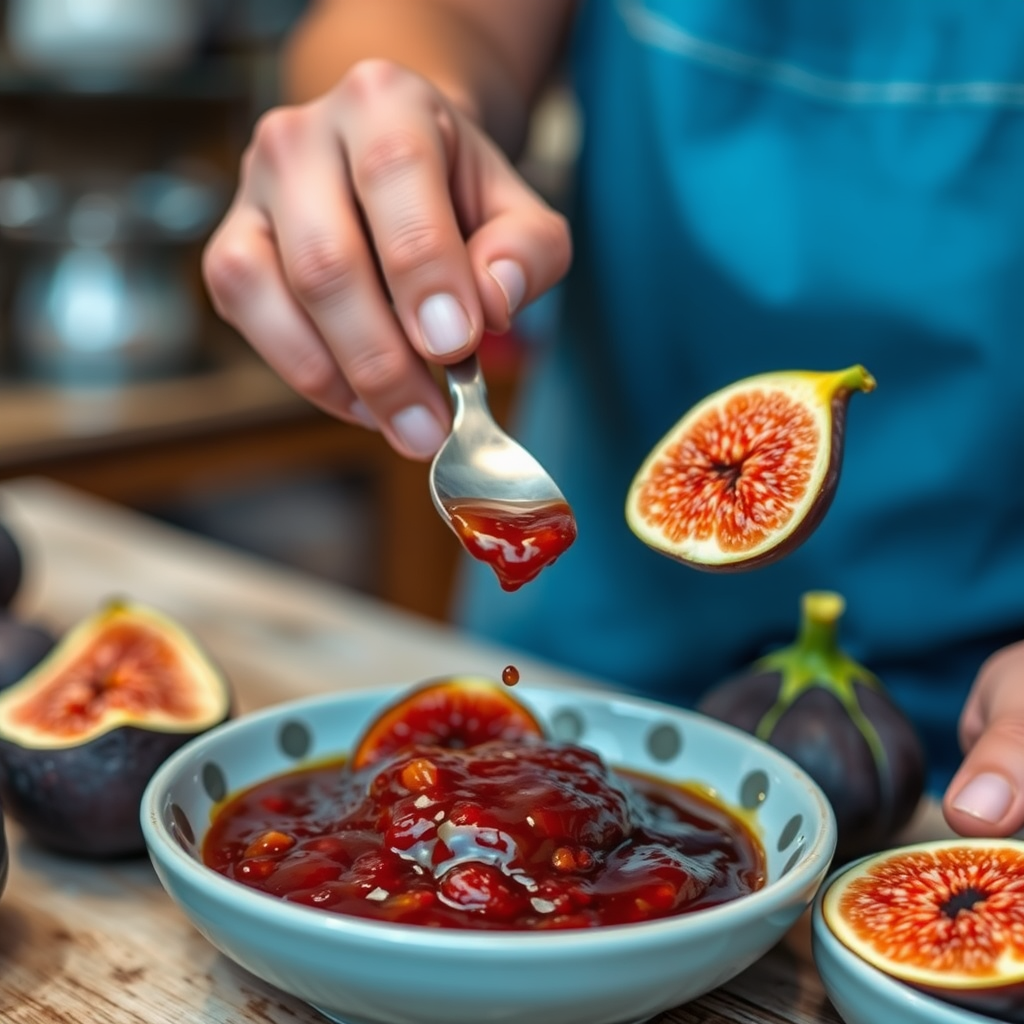
1. Select and Prepare Figs: Choose 2 pounds of ripe figs, ensuring they are firm and free from blemishes. Wash them thoroughly under running water and remove the stems. For larger figs, cut them in half to guarantee even cooking during the jam-making process.
2. Combine Ingredients: In a large, heavy-bottomed pot, mix the prepared figs with 1 cup of granulated sugar, the juice of 1 lemon (approximately 2 tablespoons), and 1/4 teaspoon of ground cinnamon. Allow this mixture to sit for 30 minutes to draw out the natural juices from the figs.
3. Cook the Mixture: Place the pot over medium heat and bring the mixture to a gentle boil, stirring frequently to prevent sticking and burning. Cook for 30 to 40 minutes until the figs break down and the mixture thickens. If you prefer a smoother texture, use a potato masher to crush the figs as they cook.
4. Check for Doneness: Use a candy thermometer to ensure the jam reaches a temperature of 220°F (104°C), which is the standard for proper jam setting. To test for consistency, place a spoonful of jam on a plate and let it cool for a minute. Run your finger through the jam; if it holds its shape and doesn’t immediately run back together, it is ready for canning.
5. Canning: Sterilize canning jars and lids by placing them in boiling water for at least 10 minutes. Pour the hot fig jam into the sterilized jars, leaving about 1/4 inch of headspace. Wipe the rims with a clean cloth to remove any residue. Seal with the lids and process in a boiling water bath for 10 minutes to ensure proper sealing.
6. Cooling and Storing: After processing, remove the jars from the water bath and let them cool completely on a clean towel or cooling rack. Once cool, check the seals by pressing down in the center of each lid. If it pops back, the jar is not sealed properly and should be refrigerated and used within a few weeks. Properly sealed jars can be stored in a cool, dark place for up to one year.
Top 7 Fig Varieties for Making Jam
| # | Fig Variety | Flavor Profile | Ideal Use | Availability |
|---|---|---|---|---|
| 1 | Brown Turkey | Sweet, rich | Jam, baking | Summer |
| 2 | Kadota | Mild, nutty | Baking, salads | Late summer |
| 3 | Mission | Intense, sweet | Jams, preserves | Fall |
| 4 | Smyrna | Sweet, chewy | Desserts, jams | Late summer |
| 5 | Calimyrna | Rich, sweet | Jams, salads | Summer |
| 6 | White Adriatic | Sweet, mild | Jams, fresh eating | Summer |
| 7 | Brown Turkey | Sweet, rich | Jam, baking | Summer |
Warning Signs: When Not to Follow This
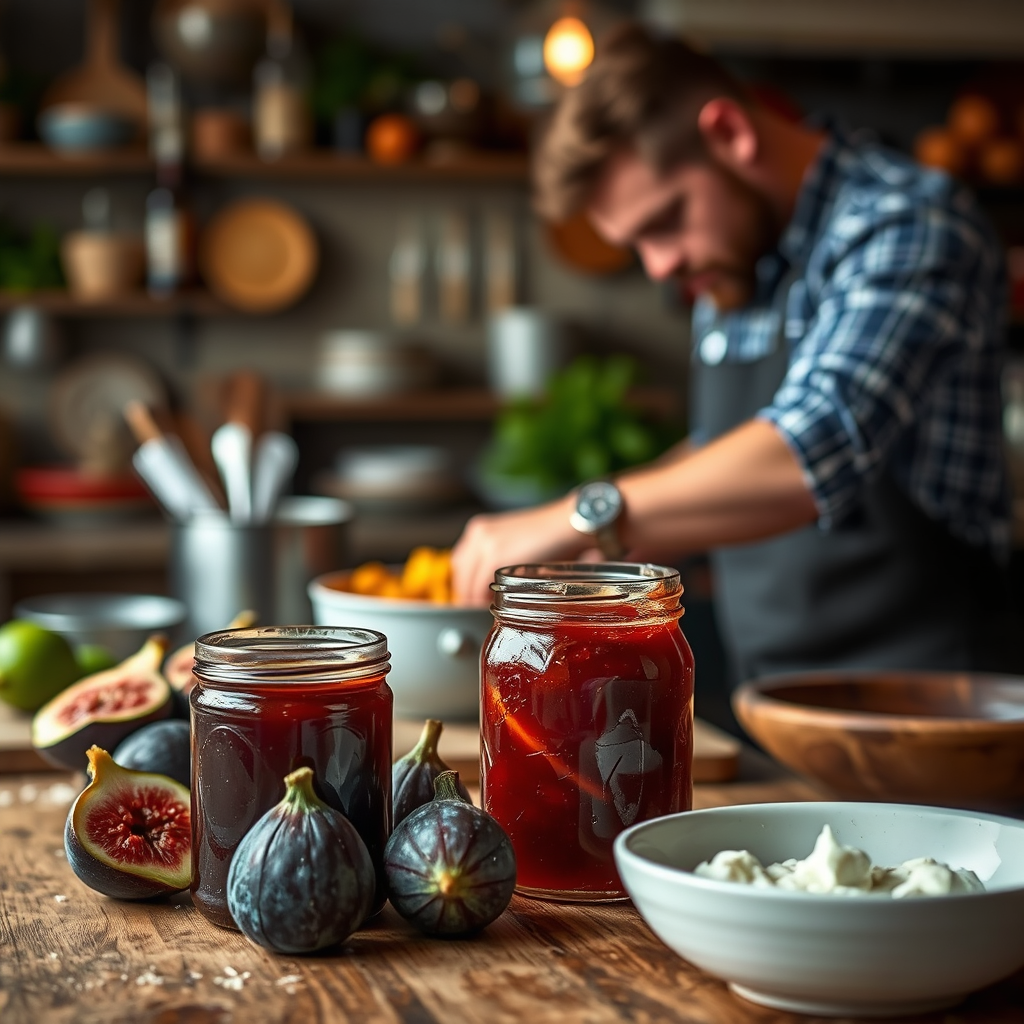
Avoid making fig jam if the figs exhibit signs of spoilage, such as mold, excessive softness, or off smells, as this can lead to unsafe canning. If you lack the necessary canning equipment, including sterilized jars and a boiling water canner, do not attempt to preserve the jam for long-term storage. Additionally, if you are allergic to any of the ingredients listed in the recipe (sugar, lemon, or figs), consult a food allergist before proceeding. Lastly, do not attempt the recipe if you cannot maintain the recommended cooking temperature, as this may affect the safety and quality of the jam.
The Most Common Mistakes (And Their Consequences)
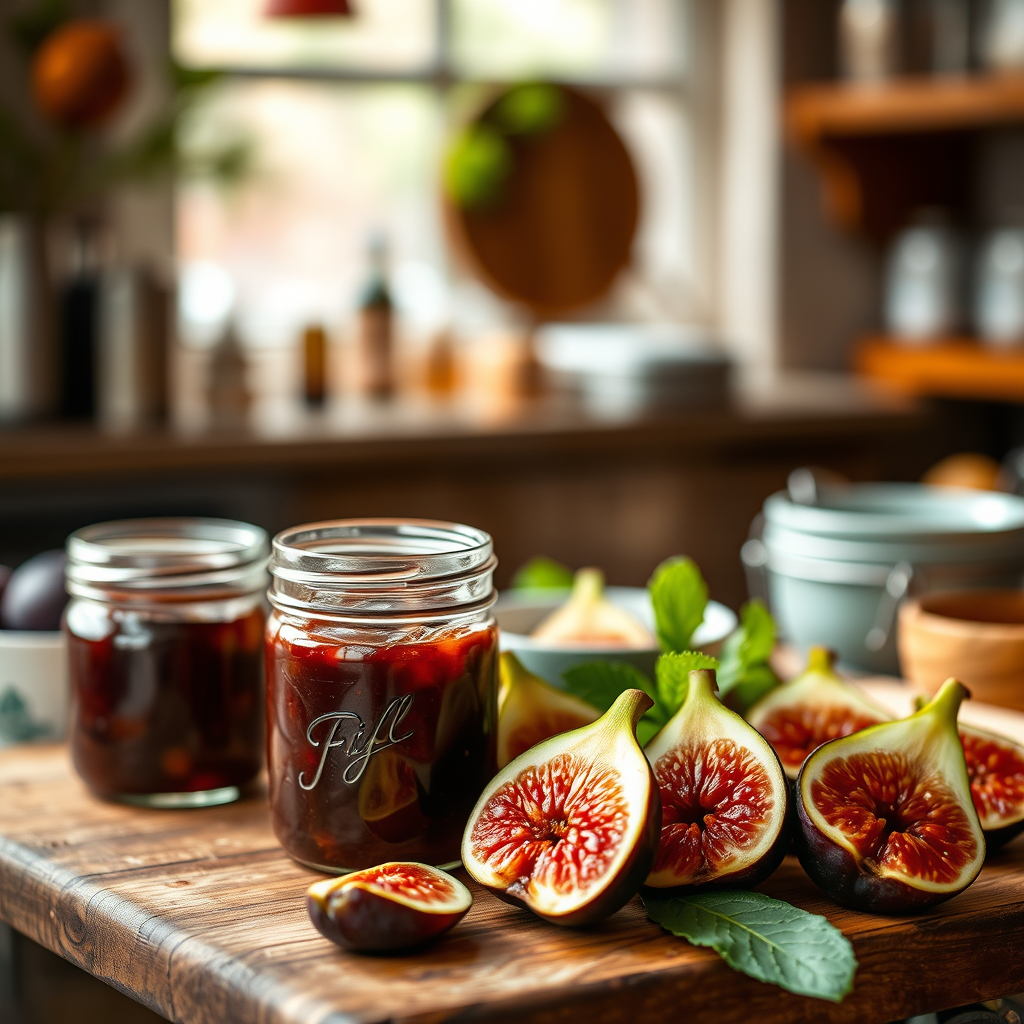
Many home cooks underestimate the importance of accurately measuring sugar, leading to jam that is overly sweet or fails to set properly. Omitting lemon juice can result in a jam that lacks the necessary acidity, which is crucial for safe preservation and flavor balance, potentially leading to spoilage. Neglecting to stir the mixture while it cooks can cause uneven cooking and scorching, resulting in burnt flavors that compromise the final product. Furthermore, not checking the temperature with a candy thermometer may result in undercooked jam, which could spoil quickly or have an undesirable texture.
Special Cases That Need a Different Approach
If you use dried figs instead of fresh, rehydrate them in boiling water for 10 minutes before starting the recipe to achieve the right texture. For those with dietary restrictions, consider substituting granulated sugar with a low-sugar pectin alternative, adjusting the amounts according to the package instructions. If you live at high altitudes (over 3,000 feet), increase the cooking time and carefully monitor the jam’s temperature with a thermometer, as it requires higher temperatures to set properly. For a spiced variation, add 1/2 teaspoon of ground ginger or nutmeg during the cooking process to create a unique flavor profile that diverges from classic fig jam.
When You Need a Professional
If you notice fermentation or bubbling in your sealed jars within the first 24 hours, this indicates improper sealing, and you should consult a food safety expert. Should you have concerns about food allergies or sensitivities related to the ingredients, it is essential to speak with a healthcare provider before preparing the jam. If you are unsure about the canning process, including how to properly sterilize jars and lids, seek guidance from a local extension office or a certified canning instructor. Finally, if you have persistent doubts about the safety of your preserved fig jam, particularly concerning shelf stability, consult a licensed food preservation specialist.
Sources and Further Reading
– National Center for Home Food Preservation: Comprehensive guidelines on safe canning practices and recipes for fruit preserves.
– “Ball Complete Book of Home Preserving”: A trusted resource detailing canning techniques, troubleshooting tips, and recipes, including fig jam.
– USDA Complete Guide to Home Canning: Official standards for preserving food safely, focusing on acidity levels and processing methods for jams and jellies.
– Local Cooperative Extension Services: Resources for regional canning practices, safety recommendations, and workshops for home food preservation enthusiasts.
Frequently Asked Questions
What are the key ingredients for the best fig jam recipe?
The best fig jam recipe typically includes fresh figs, sugar, lemon juice, and optional spices like cinnamon or vanilla for added flavor. Using ripe, high-quality figs is essential for achieving a rich taste and smooth texture in your jam.
How do you make fig jam from scratch?
To make fig jam from scratch, start by washing and chopping fresh figs, then combine them in a pot with sugar and lemon juice. Cook the mixture over medium heat, stirring frequently until it reaches a thick consistency, which usually takes about 30-45 minutes. To ensure a proper set, you can also use pectin if desired.
Why is my fig jam too runny, and how can I thicken it?
If your fig jam is too runny, it may be due to insufficient cooking time or not enough sugar. To thicken it, return the jam to the stove and cook it for an additional 10-15 minutes, or add a small amount of pectin to help it set properly. Remember to test the consistency by placing a spoonful on a cold plate to check if it holds its shape.
What is the best way to store homemade fig jam?
The best way to store homemade fig jam is to keep it in sterilized glass jars with tight-fitting lids to ensure freshness. You can store the jam in the refrigerator for up to three weeks or process it in a water bath canner for long-term storage, which allows it to last up to a year in a cool, dark place.
Which types of figs are best for making fig jam?
The best types of figs for making fig jam are Black Mission, Kadota, and Adriatic figs, as they have a sweet flavor and a high sugar content that enhances the taste of the jam. When selecting figs, look for ones that are ripe and slightly soft to the touch, as they will yield the best results in your jam recipe.
References
- Fig
https://en.wikipedia.org/wiki/Fig - Figs: Nutrition, Benefits, and Downsides
https://www.healthline.com/nutrition/figs-benefits - https://www.ncbi.nlm.nih.gov/pmc/articles/PMC7079110/
https://www.ncbi.nlm.nih.gov/pmc/articles/PMC7079110/ - https://www.sciencedirect.com/topics/agricultural-and-biological-sciences/fig
https://www.sciencedirect.com/topics/agricultural-and-biological-sciences/fig - Fig jam recipe | Good Food
https://www.bbcgoodfood.com/recipes/fig-jam - https://www.theguardian.com/food/2020/aug/18/how-to-make-fig-jam
https://www.theguardian.com/food/2020/aug/18/how-to-make-fig-jam - https://www.nytimes.com/2021/09/08/dining/fig-jam-recipe.html
https://www.nytimes.com/2021/09/08/dining/fig-jam-recipe.html - Google Scholar Google Scholar
https://scholar.google.com/scholar?q=fig+jam+recipe - Google Scholar Google Scholar
https://scholar.google.com/scholar?q=fig+preservation+methods - Google Scholar Google Scholar
https://scholar.google.com/scholar?q=health+benefits+of+figs