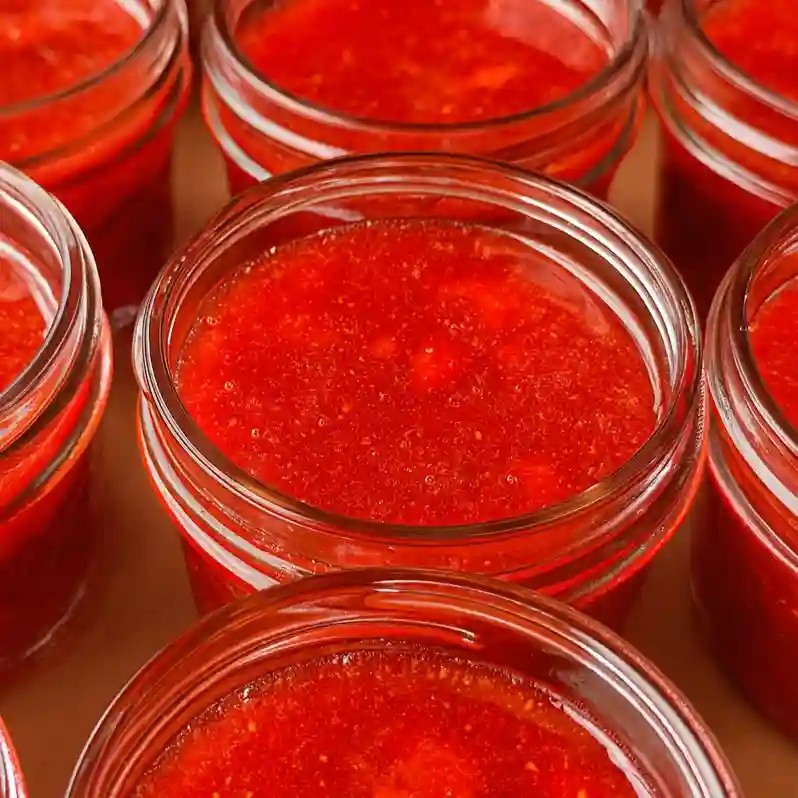
The Complete Expert Guide to Safely Making Sure Jell Strawberry Freezer Jam provides essential, step-by-step instructions for crafting perfect freezer jam that preserves the vibrant flavor of strawberries. This guide is tailored for home preservers seeking to achieve optimal results while adhering to safe food preservation practices. Following the right protocol not only enhances taste but also ensures your jam is safe for consumption, making this resource invaluable for both novice and experienced jam makers alike.
What This Guide Covers (And What It Doesn’t)
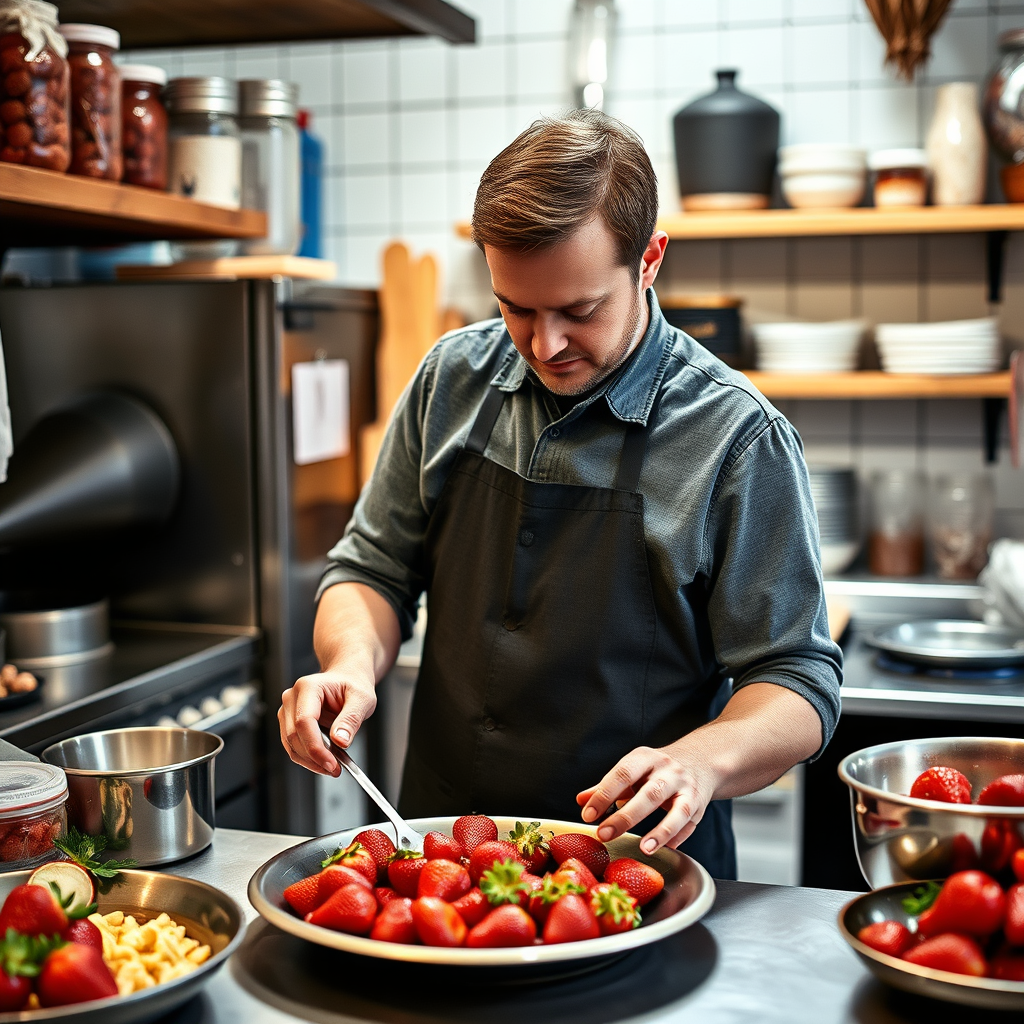
This guide offers a detailed, step-by-step recipe for making Sure Jell strawberry freezer jam, highlighting the essential ingredients, equipment, and techniques that lead to a successful outcome. You will discover the significance of proper fruit handling, the sterilization of containers, and recommended storage practices to ensure optimal shelf life. While this guide thoroughly delves into the art of strawberry freezer jam using Sure Jell, it does not explore other types of jam recipes, alternative pectin products, or canning methods beyond freezer jam. This focused approach will empower you to master the nuances of this specific preservation technique.
Who Should Read This
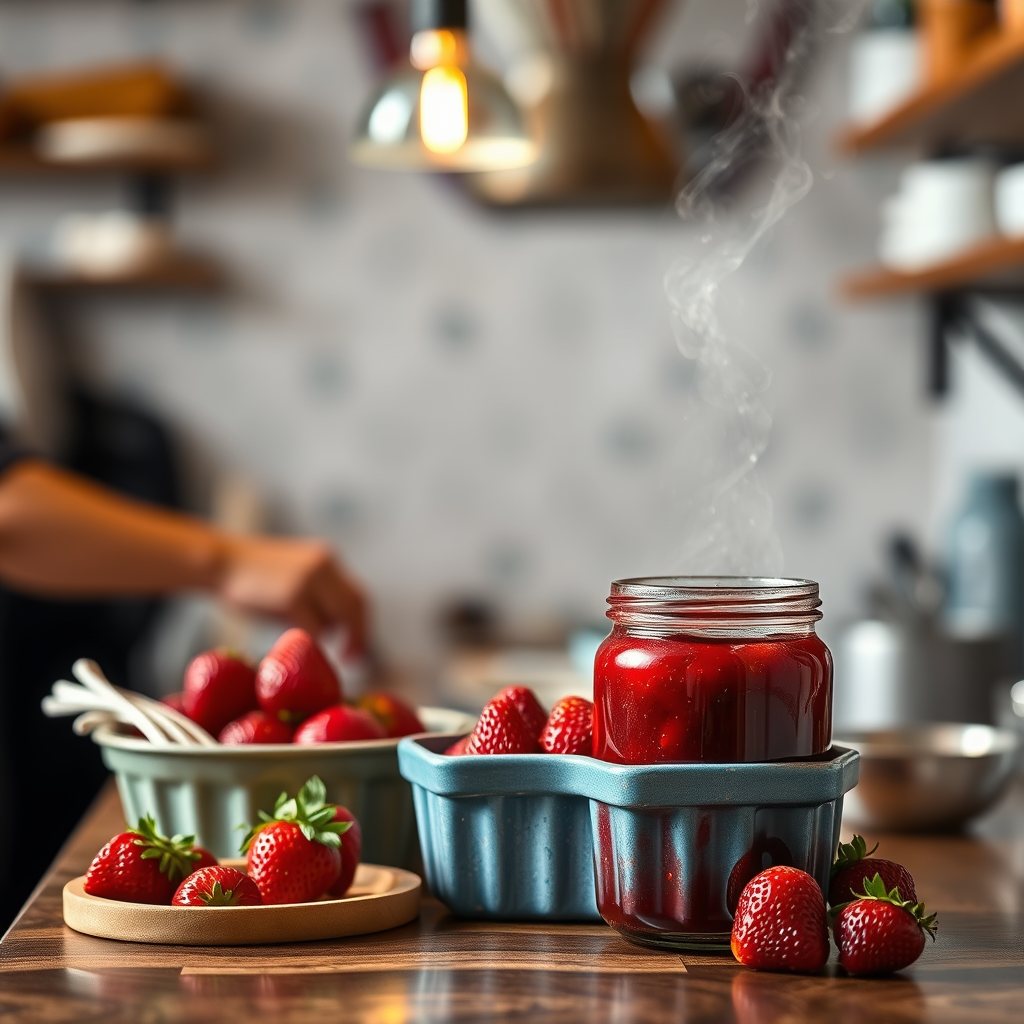
Designed for home cooks who are familiar with basic cooking techniques but may be new to freezer jam making, this guide provides comprehensive instructions to boost your confidence in the kitchen. If you’re an individual or family eager to preserve seasonal fruits and create homemade spreads, you will appreciate the simplicity and effectiveness of using Sure Jell for optimal results. However, those seeking advanced canning techniques or long-term shelf-stable canning processes might find the content less relevant, as this guide is dedicated solely to freezer jam.
The Step-by-Step Protocol
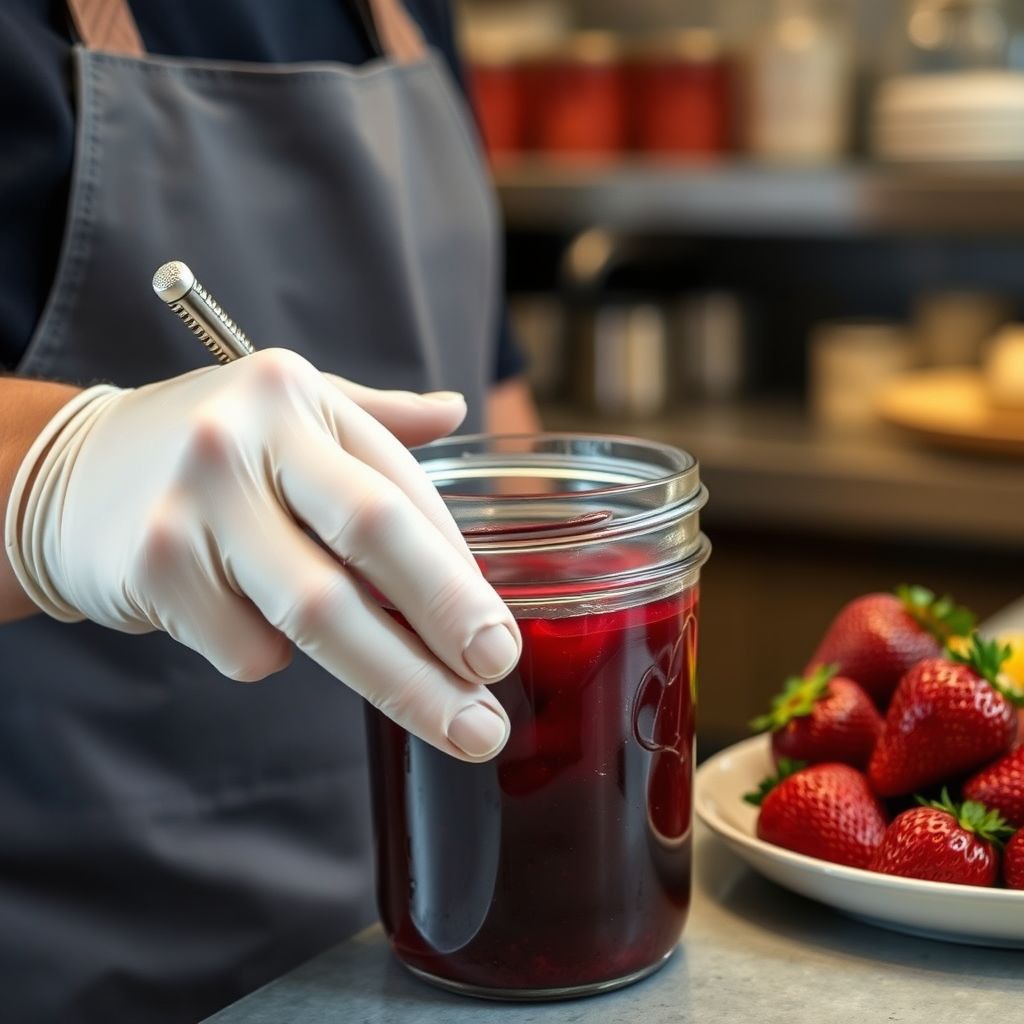
1. Gather Your Ingredients: Start by collecting 2 cups of ripe strawberries, 1 package of Sure Jell (pectin), and 4 cups of granulated sugar. Ensure all ingredients are at room temperature to facilitate proper mixing and gel formation.
2. Prepare the Strawberries: Rinse the strawberries thoroughly under cool running water. Remove the green tops (hulling) and any bruised or damaged areas. Using a potato masher or fork, mash the strawberries until you achieve exactly 2 cups of crushed fruit. The consistency should be thick but slightly chunky.
3. Dissolve the Pectin: In a medium saucepan, combine the Sure Jell with 3/4 cup of water. Over medium heat, bring the mixture to a rolling boil while stirring constantly. Continue to boil for about 1-2 minutes or until the pectin is completely dissolved. This step is crucial, as undissolved pectin can lead to poor gel formation.
4. Combine Ingredients: Remove the saucepan from the heat. Immediately add the crushed strawberries to the dissolved pectin. Stir the mixture thoroughly to ensure an even distribution of fruit and pectin. Gradually incorporate the granulated sugar, stirring continuously until it is fully dissolved. This should take approximately 3-5 minutes.
5. Fill Containers: Prepare freezer-safe containers (plastic or glass) by ensuring they are clean and dry. Pour the jam mixture into the containers, leaving about 1/2 inch of headspace to allow for expansion when freezing. Seal the containers with tight-fitting lids.
6. Set the Jam: Allow the filled containers to sit at room temperature for 24 hours to set properly. During this time, avoid disturbing the containers. After 24 hours, the jam should have thickened and can be transferred to the freezer.
7. Freeze and Store: Place the containers in the freezer, where they can be stored for up to one year. For shorter-term use, the jam can be refrigerated for up to three weeks.
Warning Signs: When Not to Follow This
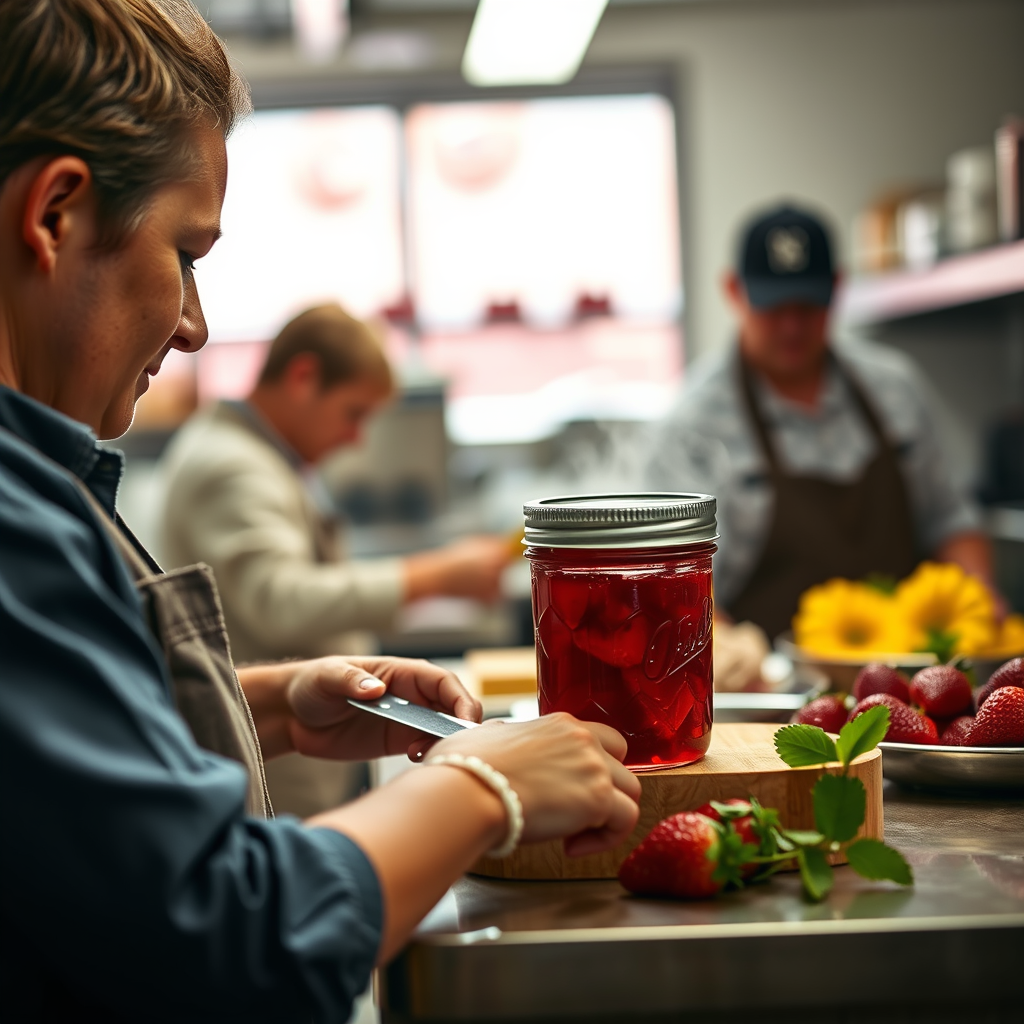
– Avoid making this freezer jam recipe if your strawberries show signs of mold, soft spots, or any other indicators of spoilage. Using spoiled fruit can lead to food safety issues.
– Do not attempt this recipe if you cannot accurately measure ingredients. Precise ratios of fruit to sugar and pectin are crucial for successful gel formation; deviations can result in a runny or overly sweet jam.
– If you have a known allergy to any of the ingredients, particularly pectin or strawberries, you should not proceed with this recipe.
The Most Common Mistakes (And Their Consequences)
– Not Dissolving the Pectin Fully: A common error is neglecting to allow the pectin mixture to fully dissolve before adding sugar. This can lead to a gritty texture in the final jam, compromising its quality.
– Using Frozen Strawberries: Opting for frozen strawberries instead of fresh can result in a jam that doesn’t set properly due to the higher water content in thawed fruit. Always use fresh, ripe strawberries for the best results.
– Skipping the Resting Time: Failing to let the jam rest for the recommended 24 hours after mixing can prevent proper gelation, leading to a runny consistency that won’t firm up in the freezer.
Special Cases That Need a Different Approach
– If you wish to use alternative sweeteners or low-sugar options, be aware that the setting properties of Sure Jell may vary. You will need to follow recipes specifically designed for those adjustments, as standard ratios may not apply.
– For individuals with dietary restrictions, such as those avoiding sugar, consider using Sure Jell Fruit Pectin for no-sugar-added recipes. This will require different proportions and methods, so consult the product’s instructions carefully.
– If you are canning the jam for long-term storage instead of freezing it, follow standard canning practices. This includes processing jars in a boiling water bath for the appropriate time to ensure safety and shelf stability.
When You Need a Professional
– If your jam does not set after following the recipe, it may indicate a problem with ingredient ratios or preparation methods. Seeking advice from a food preservation expert can help you troubleshoot and find solutions.
– If you experience any adverse reactions after consuming your homemade jam, consult a healthcare professional to assess potential food safety risks related to your ingredients or preparation methods.
– If you are unsure about the safety of your fruit or processing methods, especially in large batches, it is advisable to reach out to a certified food preservation specialist for guidance.
Sources and Further Reading
– Refer to the USDA’s Complete Guide to Home Canning for authoritative guidelines on safe food preservation practices.
– The National Center for Home Food Preservation offers valuable resources and updated information on pectin use and handling fresh fruit.
– For additional insights and recipes, consult “Ball Complete Book of Home Preserving,” which features sections on various jam and jelly-making techniques, including freezer jam options.
By following this expert guide, you will be well-equipped to create delicious, homemade Sure Jell strawberry freezer jam with confidence and precision. Enjoy the fruits of your labor, and share your creations with friends and family for a delightful treat throughout the year.
Frequently Asked Questions
What ingredients do I need for a Sure Jell strawberry freezer jam recipe?
To make a Sure Jell strawberry freezer jam, you will need fresh strawberries, granulated sugar, Sure Jell fruit pectin, and lemon juice. Using ripe strawberries will enhance the flavor, and you’ll want to follow the specific ratios provided in the Sure Jell instructions to achieve the best results in texture and sweetness.
How do I prepare strawberries for Sure Jell strawberry freezer jam?
To prepare strawberries for your Sure Jell strawberry freezer jam, start by washing and hulling the strawberries to remove the green tops. Then, mash the strawberries using a potato masher or fork, ensuring you have about 2 cups of crushed fruit for the recipe. This step is crucial for the jam’s consistency and flavor.
Why is Sure Jell important for making strawberry freezer jam?
Sure Jell is a type of fruit pectin that helps your strawberry freezer jam set properly, giving it a desirable thickness and spreadable texture. Without pectin, the jam may remain runny and not achieve the desired consistency. Using Sure Jell ensures that your jam will have a perfect balance of sweetness and firmness.
What is the best way to store Sure Jell strawberry freezer jam?
The best way to store Sure Jell strawberry freezer jam is in clean, airtight containers or jars, ideally in a freezer-safe format. Make sure to leave some headspace in the containers to allow for expansion as the jam freezes. For optimal freshness, consume the jam within a year, though it can typically last longer if stored properly.
Which tips can help ensure my Sure Jell strawberry freezer jam sets properly?
To ensure your Sure Jell strawberry freezer jam sets correctly, measure your ingredients precisely and follow the instructions closely. It’s also important to avoid using overripe strawberries, as they can contain too much moisture, affecting the setting process. Lastly, allow the jam to sit at room temperature for the recommended time before freezing to promote proper gelling.
References
- Fruit preserves
https://en.wikipedia.org/wiki/Jam - https://www.ncbi.nlm.nih.gov/pmc/articles/PMC6313443/
https://www.ncbi.nlm.nih.gov/pmc/articles/PMC6313443/ - https://www.sciencedirect.com/topics/food-science/jam
https://www.sciencedirect.com/topics/food-science/jam - https://www.foodsafety.gov/food-safety-charts/jam-jelly-safety
https://www.foodsafety.gov/food-safety-charts/jam-jelly-safety - https://www.uga.edu/extension/publications/foodsafety/jam.html
https://www.uga.edu/extension/publications/foodsafety/jam.html - https://www.extension.purdue.edu/extmedia/FNR/FNR-019-W.pdf
https://www.extension.purdue.edu/extmedia/FNR/FNR-019-W.pdf - Google Scholar Google Scholar
https://scholar.google.com/scholar?q=sure+jell+strawberry+freezer+jam+recipe - Google Scholar Google Scholar
https://scholar.google.com/scholar?q=freezer+jam+recipes - Google Scholar Google Scholar
https://scholar.google.com/scholar?q=strawberry+jam+recipe - https://www.canr.msu.edu/uploads/files/Freezer_Jam_How_to_Make.pdf
https://www.canr.msu.edu/uploads/files/Freezer_Jam_How_to_Make.pdf