The Complete Expert Guide to Safely Making Sure Jell Raspberry Jam provides essential techniques and precautions for achieving the perfect batch of raspberry jam. This comprehensive resource covers everything from ingredient selection to sterilization methods, ensuring your homemade preserves are not only delicious but also safe to eat. Adhering to the right protocols is crucial for preventing spoilage and achieving the best flavor, making this guide indispensable for both novice and seasoned canners.
What This Guide Covers (And What It Doesn’t)
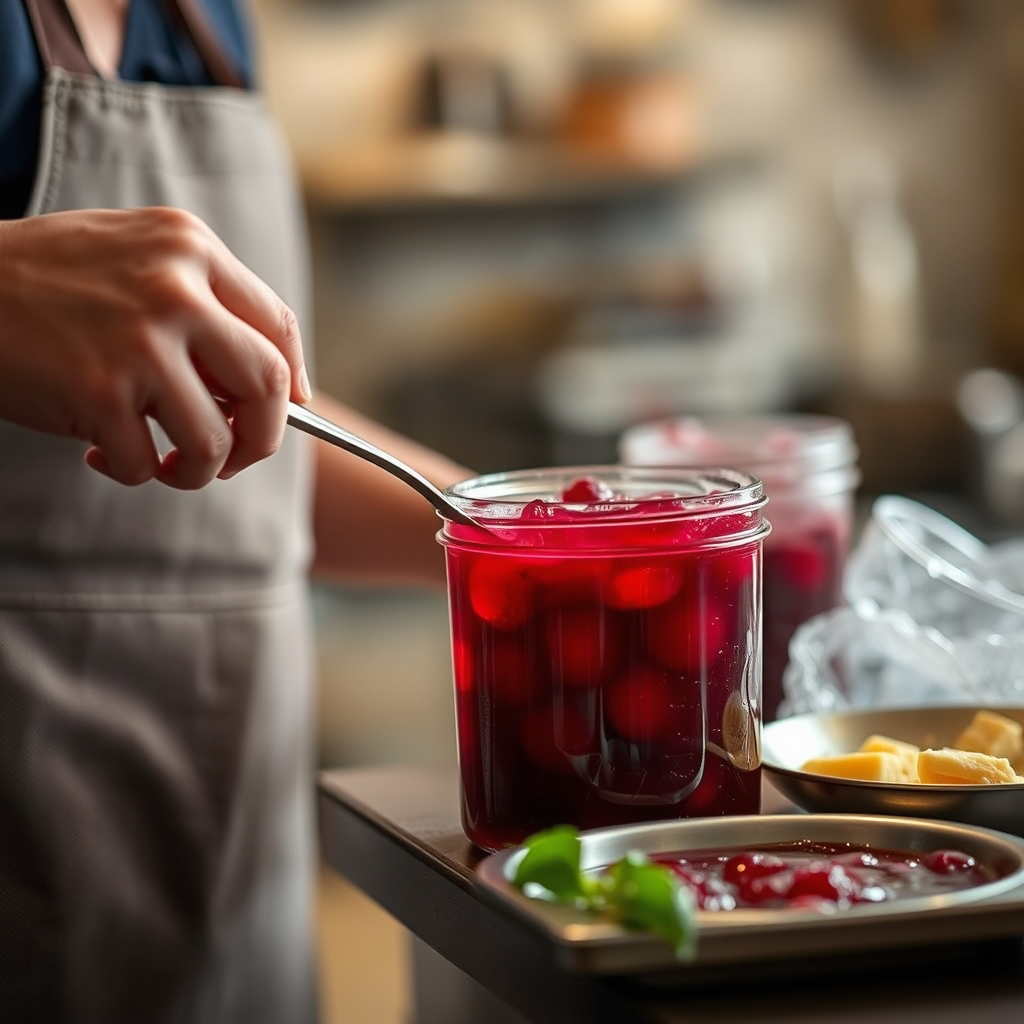
This guide provides a comprehensive, step-by-step process for making Sure Jell raspberry jam, emphasizing precise measurements, timing, and essential equipment to achieve successful results. You will find clear instructions to create a delicious raspberry jam that maintains its quality and safety throughout the preservation process. While this guide focuses solely on traditional raspberry jam preparation using Sure Jell pectin, it does not include alternative jam recipes, variations with other fruits, or methods that do not involve Sure Jell. It caters to both novice and experienced home cooks eager to master the art of jam-making while ensuring safety and quality. Please note that advanced canning techniques or preservation methods outside of standard boiling water bath canning are not addressed here.
Who Should Read This
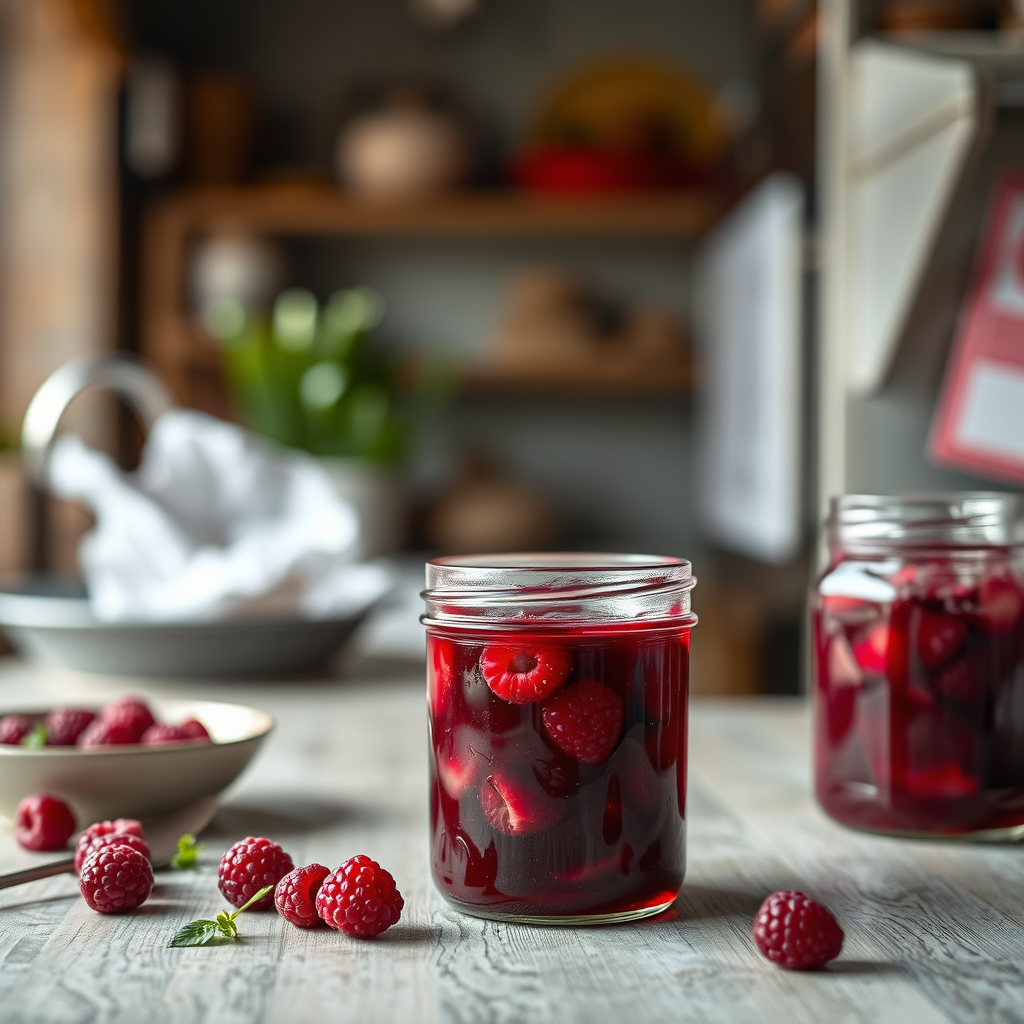
Home cooks with a basic understanding of cooking who wish to explore canning and preserving, specifically raspberry jam using Sure Jell, will find this guide particularly useful. It is also perfect for those looking to create homemade gifts or preserve seasonal fruit at its peak freshness for personal use. Readers should have access to essential kitchen tools, such as measuring cups, a large pot, and canning jars, while also being familiar with basic kitchen hygiene practices. For those with specific dietary restrictions or those seeking low-sugar alternatives, specialized recipes not covered in this guide may be necessary.
The Step-by-Step Protocol
1. Gather Ingredients and Equipment: Collect the following items:
– 4 cups of fresh raspberries
– 1 package (1.75 oz) of Sure Jell fruit pectin
– 5 cups of granulated sugar
– 1 tablespoon of lemon juice (optional for added acidity)
– Canning jars (8-ounce or 12-ounce size recommended) and lids
– A large pot, a potato masher (for crushing fruit), a ladle, and a canning funnel.
2. Prepare the Berries: Rinse the raspberries under cold running water to remove any dirt or debris. In a large bowl, gently crush the raspberries with a potato masher until you have approximately 3 cups of crushed fruit. Take care not to overly pulverize the seeds during this process.
3. Mix Pectin and Fruit: In a large pot, combine the crushed raspberries and Sure Jell pectin. Stir the mixture thoroughly to ensure even distribution of the pectin. Allow it to rest for 30 minutes. This resting period is crucial, as it enables the fruit to release its natural juices, essential for the gelling process.
4. Add Sugar and Boil: After the resting period, add 5 cups of granulated sugar to the raspberry-pectin mixture. Stir well to dissolve the sugar completely, then bring the mixture to a rolling boil over medium-high heat. Once it reaches a full boil, maintain the boil for exactly 1 minute while stirring constantly to prevent scorching.
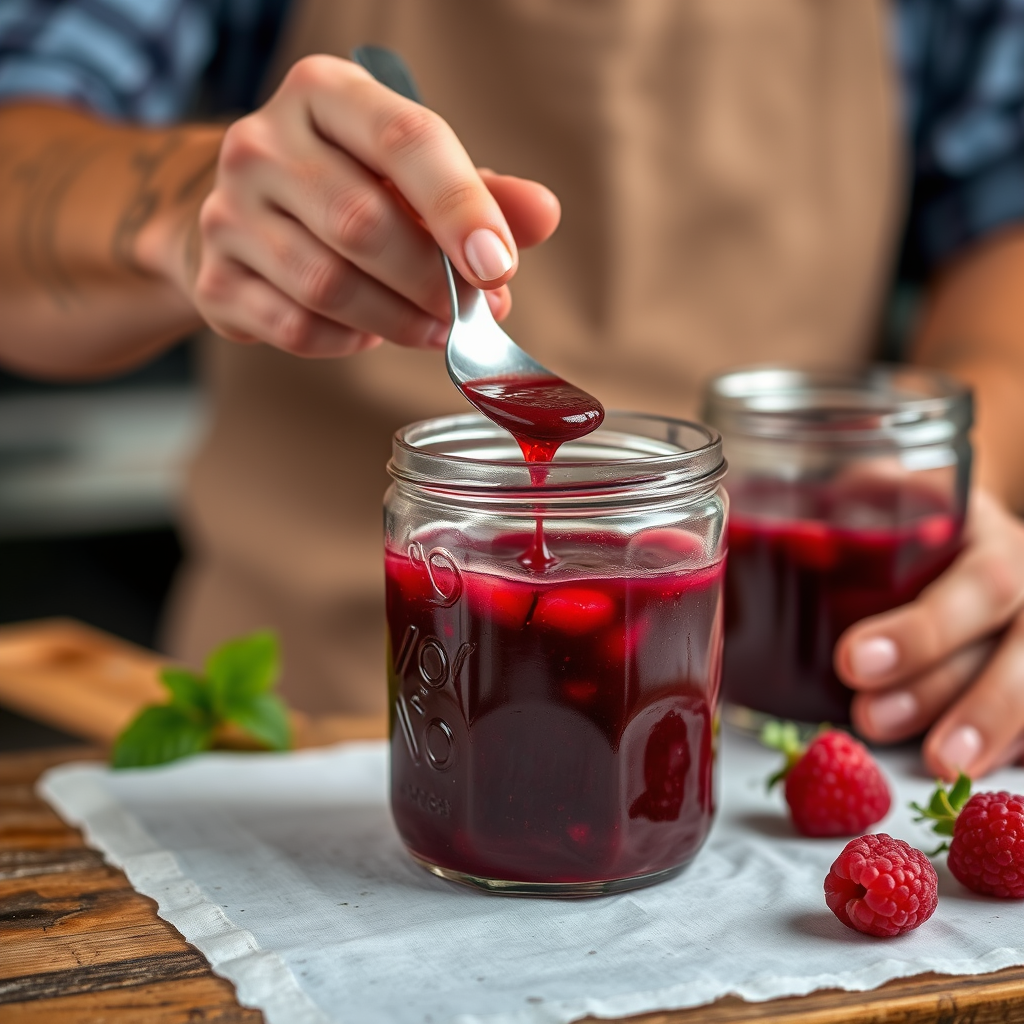
5. Jar the Jam: Remove the pot from heat. If foam appears on the surface, skim it off with a spoon. Using a ladle and canning funnel, pour the hot jam into sterilized jars, leaving a ¼-inch headspace at the top of each jar. Wipe the rims of the jars with a clean cloth to ensure a proper seal. Secure the jars with lids and bands, tightening them to fingertip tightness.
6. Process in a Boiling Water Bath: Place the filled jars in a boiling water bath canner, ensuring the water covers the jars by at least 1 inch. Process the jars for 5-10 minutes, depending on your altitude (5 minutes at sea level, 10 minutes at altitudes above 1,000 feet). After processing, use jar tongs to remove the jars and allow them to cool on a clean kitchen towel or cooling rack.
Warning Signs: When Not to Follow This

– Do not use raspberries that are moldy, overripe, or have an off smell, as these can compromise the safety and quality of your jam.
– Avoid this recipe if you cannot maintain proper canning hygiene, as any contamination could lead to spoilage or foodborne illness.
– If you lack the necessary equipment, such as a large pot for boiling or appropriate canning jars, refrain from attempting this recipe, as it could affect the preservation process.
– Those allergic to any of the ingredients, particularly pectin or sugar, should seek alternative recipes tailored to their dietary needs.
The Most Common Mistakes (And Their Consequences)
– A frequent mistake is not using enough sugar, which can lead to poor gelling and result in a runny jam that will not set properly. Always measure ingredients carefully.
– Failing to sterilize jars and lids can introduce bacteria, leading to spoilage or mold growth in the finished product. Ensure thorough sterilization by boiling jars in water or running them through a dishwasher cycle without detergent before use.
– Skipping the boiling water bath process poses significant food safety risks, as it fails to adequately seal the jars to prevent spoilage. This step is essential for long-term storage.
– Misreading the recipe and using incorrect proportions of fruit to pectin can alter the jam’s consistency, resulting in unpalatable outcomes. Familiarize yourself with the recipe before starting.
Special Cases That Need a Different Approach
– If using frozen raspberries instead of fresh, it’s vital to thaw them and drain excess liquid to maintain the correct consistency, utilizing the same weight as fresh berries.
– For those at high altitudes, processing times may need adjustment to ensure the jam sets properly and is safe for storage. Refer to local canning guidelines for specific adjustments.
– If you prefer a less sweet jam, consider reducing the sugar; however, be aware that this may affect both taste and setting properties. Testing smaller batches first is advisable.
– Individuals with dietary restrictions, such as diabetes, should explore sugar substitutes designed for canning, but keep in mind that not all substitutes provide the same gelling properties as granulated sugar.
When You Need a Professional
– If you repeatedly struggle to achieve the desired consistency or safety in your jam-making, consulting a food preservation expert or a certified canning instructor for personalized guidance may be beneficial.
– Should you notice any signs of spoilage, such as bulging lids or off odors, it’s essential to discard the jam and seek advice from a food safety professional before attempting to salvage it. Consuming any spoiled product is not safe.
– Individuals with chronic health conditions or those who are pregnant should consult a healthcare provider before consuming homemade preserves to ensure safety concerning their dietary restrictions.
– When significantly modifying the recipe, such as using alternative sweeteners or fruits not recommended for canning, seeking expertise is advisable to avoid foodborne illness.
Sources and Further Reading
– Refer to the USDA Complete Guide to Home Canning for authoritative information on safe canning practices and recipes.
– The Sure Jell website offers additional resources and troubleshooting tips specifically for pectin-based jams and jellies.
– The Ball Canning Company also provides a range of canning guides and recipe books focusing on safe preservation techniques.
– Consult the National Center for Home Food Preservation for up-to-date guidelines on canning, food safety, and preserving fruits and vegetables.
By following these guidelines, you can confidently create your own batch of Sure Jell raspberry jam, preserving the vibrant flavors of fresh raspberries while ensuring both quality and safety for your enjoyment.
Frequently Asked Questions
What ingredients do I need for a Sure Jell raspberry jam recipe?
To make a delicious Sure Jell raspberry jam, you will need fresh raspberries, granulated sugar, Sure Jell pectin, and lemon juice. The combination of these ingredients ensures a perfect balance of sweetness and acidity, resulting in a flavorful and well-set jam.
How do I properly prepare raspberries for making Sure Jell raspberry jam?
Before using raspberries for your Sure Jell jam, rinse them gently under cold water to remove any dirt or debris. Remove any stems and damaged berries, and then mash the raspberries using a potato masher or fork to release their juices, which is essential for the jamming process.
Why do I need to use Sure Jell pectin in my raspberry jam?
Sure Jell pectin is crucial for helping your raspberry jam set properly. It provides the necessary structure to thicken the jam, ensuring that it achieves the desired consistency and does not remain too runny. Using Sure Jell also leads to a more stable jam that lasts longer on the shelf.
What is the best way to store homemade Sure Jell raspberry jam?
After making your Sure Jell raspberry jam, it’s best to store it in sterilized glass jars with tight-fitting lids. Keep the jars in a cool, dark place, such as a pantry, for up to a year. Once opened, refrigerate the jam and consume it within a few weeks for optimal flavor and freshness.
Which tips can help ensure my Sure Jell raspberry jam sets properly?
To ensure your Sure Jell raspberry jam sets perfectly, measure your ingredients accurately, especially the pectin and sugar. Additionally, bring the mixture to a full rolling boil for the recommended time and perform a gel test by placing a small amount on a cold plate to check the consistency before canning.
References
- Fruit preserves
https://en.wikipedia.org/wiki/Jam - https://www.ncbi.nlm.nih.gov/pmc/articles/PMC4930305/
https://www.ncbi.nlm.nih.gov/pmc/articles/PMC4930305/ - https://www.cdc.gov/nutrition/resources-publications/healthier-jams-jellies.html
https://www.cdc.gov/nutrition/resources-publications/healthier-jams-jellies.html - https://www.nal.usda.gov/legacy/legacy/fncs/jams-and-jellies
https://www.nal.usda.gov/legacy/legacy/fncs/jams-and-jellies - https://www.ars.usda.gov/northeast-area/beltsville-md/food-quality-assurance-research/
https://www.ars.usda.gov/northeast-area/beltsville-md/food-quality-assurance-research/ - Google Scholar Google Scholar
https://scholar.google.com/scholar?q=sure+jell+raspberry+jam+recipe - Google Scholar Google Scholar
https://scholar.google.com/scholar?q=homemade+jam+recipes - Google Scholar Google Scholar
https://scholar.google.com/scholar?q=fruit+preservation+techniques - Healthy diet
https://www.who.int/news-room/fact-sheets/detail/healthy-diet - https://www.sciencedirect.com/topics/agricultural-and-biological-sciences/jam
https://www.sciencedirect.com/topics/agricultural-and-biological-sciences/jam