Sure Jell jam recipes require precise techniques to ensure safety and quality in your food preservation efforts. This expert guide provides step-by-step instructions, essential tips, and troubleshooting advice for canning enthusiasts and home cooks alike. Adhering to these protocols is crucial for preventing spoilage and ensuring delicious results that you can enjoy for months to come.
What This Guide Covers (And What It Doesn’t)
This comprehensive guide is dedicated to making jell jam using Sure-Jell pectin. Inside, you’ll find detailed recipes for various fruit jams, tips to achieve the perfect consistency, and safe canning and preservation methods. The guide provides precise instructions on selecting the right fruit, measuring ingredients accurately, and employing effective canning techniques to ensure food safety. However, it does not cover other types of jellies, preserves, or alternative pectin brands, nor does it explore non-jam recipes or preservation methods unrelated to Sure-Jell. Designed for home cooks familiar with basic canning techniques, this guide aims to help you master the art of making jam with Sure-Jell, resulting in optimal flavor and texture.
Who Should Read This
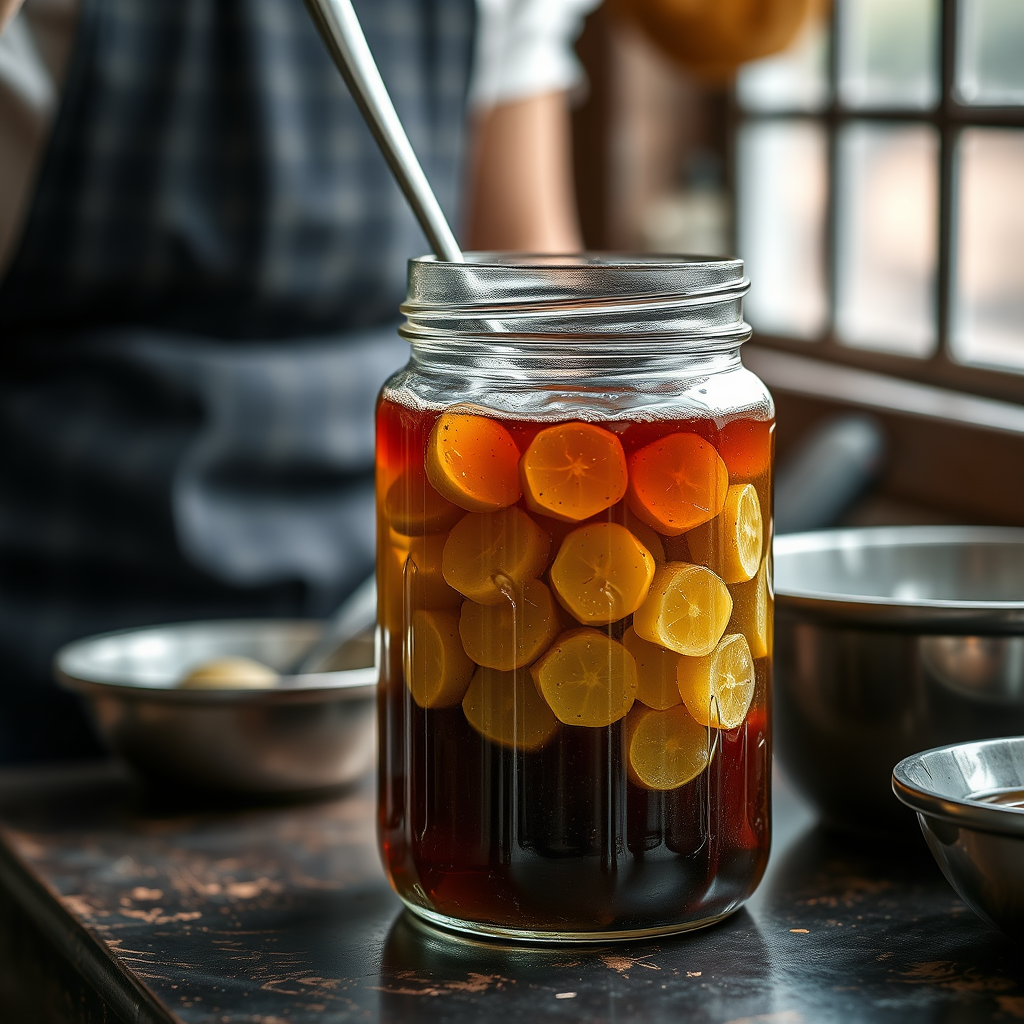
This guide is ideal for those with some experience in home canning who are either new to using Sure-Jell or looking to refine their jam-making skills. It also caters to individuals eager to create seasonal jams with fresh fruits, particularly those who prioritize safety and preservation in their homemade products. Readers should have basic supplies and equipment, such as a canner, jars, and a reliable source of fresh fruit. If you lack prior knowledge of canning or jam-making, the information may feel overwhelming, and it’s advisable to consult beginner resources before diving into the recipes outlined here.
The Step-by-Step Protocol
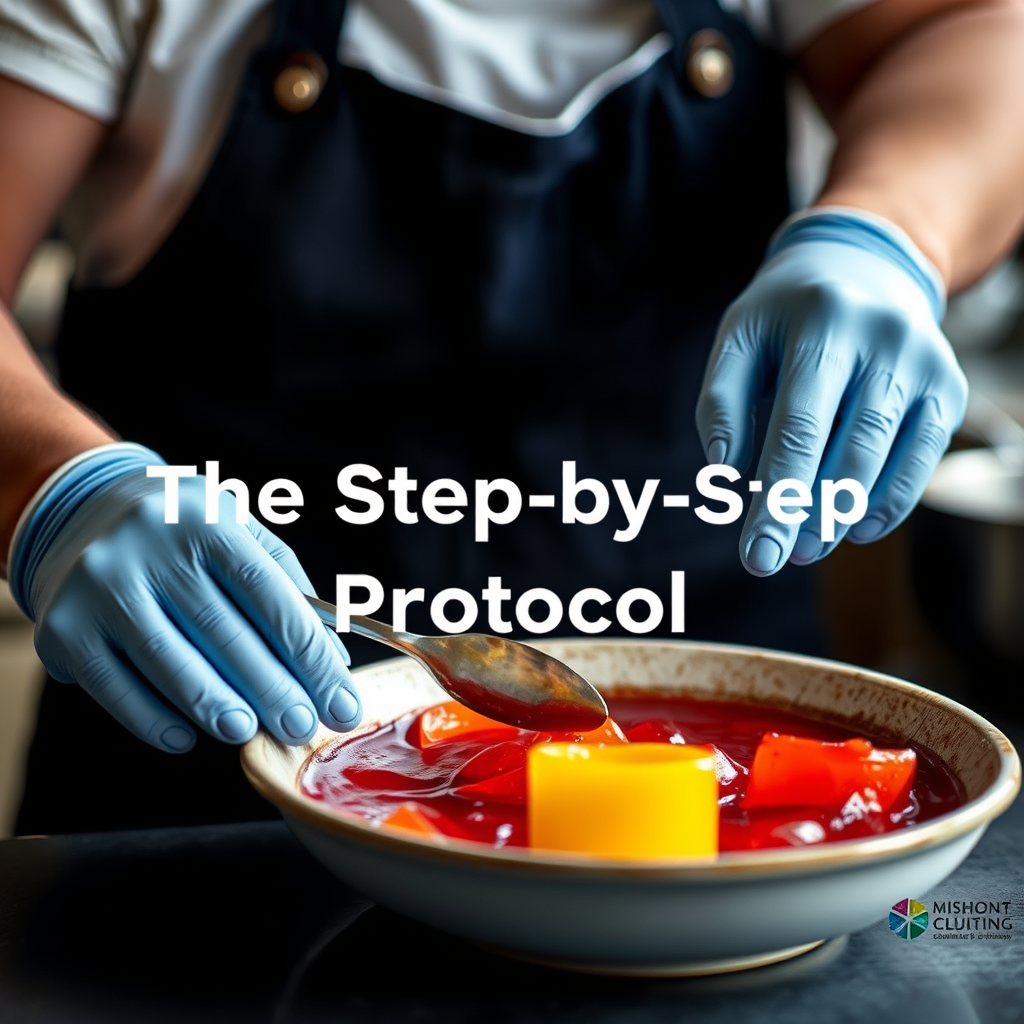
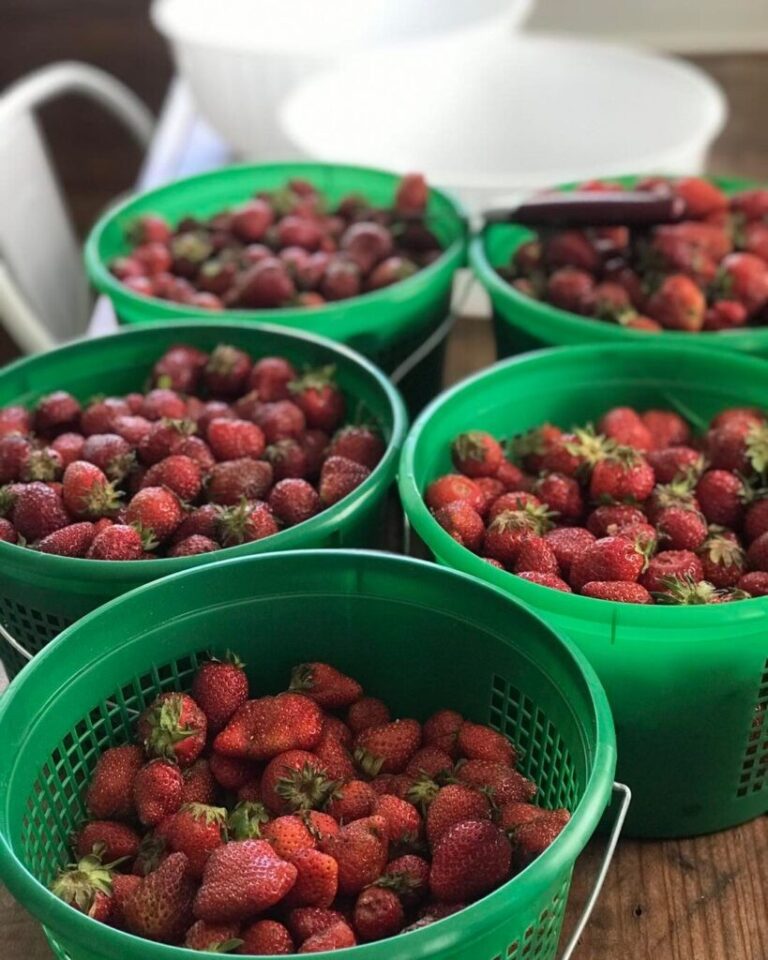
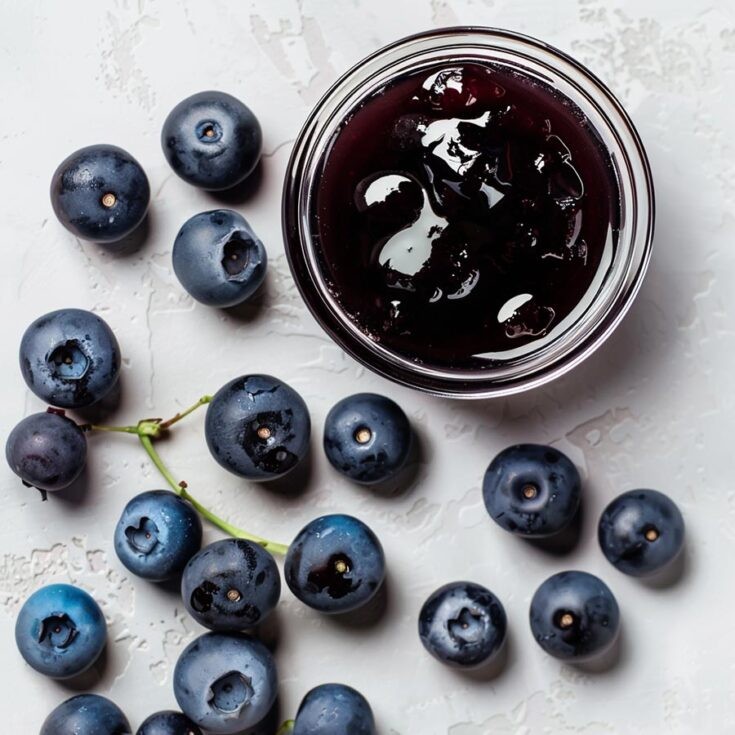
1. Gather Ingredients: Collect 4 cups of crushed fruit (like strawberries, blueberries, or raspberries), 1 box of Sure-Jell pectin, 5 cups of granulated sugar, and 1/4 cup of lemon juice. Ensure all fruits are ripe and free from blemishes.
2. Prepare Jars: Sterilize 8 half-pint jars by boiling them in water for 10 minutes. After boiling, keep the jars in hot water until you’re ready to fill them. This step prevents cracking when hot jam is poured into the jars.
3. Cook the Jam: In a large pot, combine the crushed fruit, lemon juice, and Sure-Jell. Stir well and bring the mixture to a full boil over medium-high heat. Stir constantly for 1-2 minutes until everything is well-blended and the pectin dissolves.
4. Add Sugar: Gradually stir in the sugar, ensuring it dissolves completely. Return the mixture to a rolling boil and boil for exactly 1 minute. This step is crucial for achieving the correct gelling.
5. Test the Jam’s Consistency: To test if the jam has set, place a small amount on a cold plate and let it sit for a minute. If it forms a slight skin and holds its shape when pushed with a spoon, it’s ready for canning. If not, boil for an additional minute and test again.
6. Fill the Jars: Using a ladle, fill the sterilized jars with hot jam, leaving about 1/4-inch headspace at the top. Wipe the rims of the jars with a clean cloth to remove any residue and ensure a proper seal.
7. Process the Jars: Place the filled jars in a boiling water canner, ensuring they are submerged by at least an inch of water. Process the jars for 10 minutes (adjusting for altitude if necessary). Once done, remove the jars and place them on a clean kitchen towel to cool for 12-24 hours.
8. Check Seals: After cooling, check that the lids have sealed properly by pressing down in the center of each lid. If it pops back, the jar has not sealed and should be refrigerated and consumed promptly.
9. Label and Store: Once sealed, label the jars with the date and type of jam. Store them in a cool, dark place. Properly canned jams can last up to a year if stored correctly.
Warning Signs: When Not to Follow This
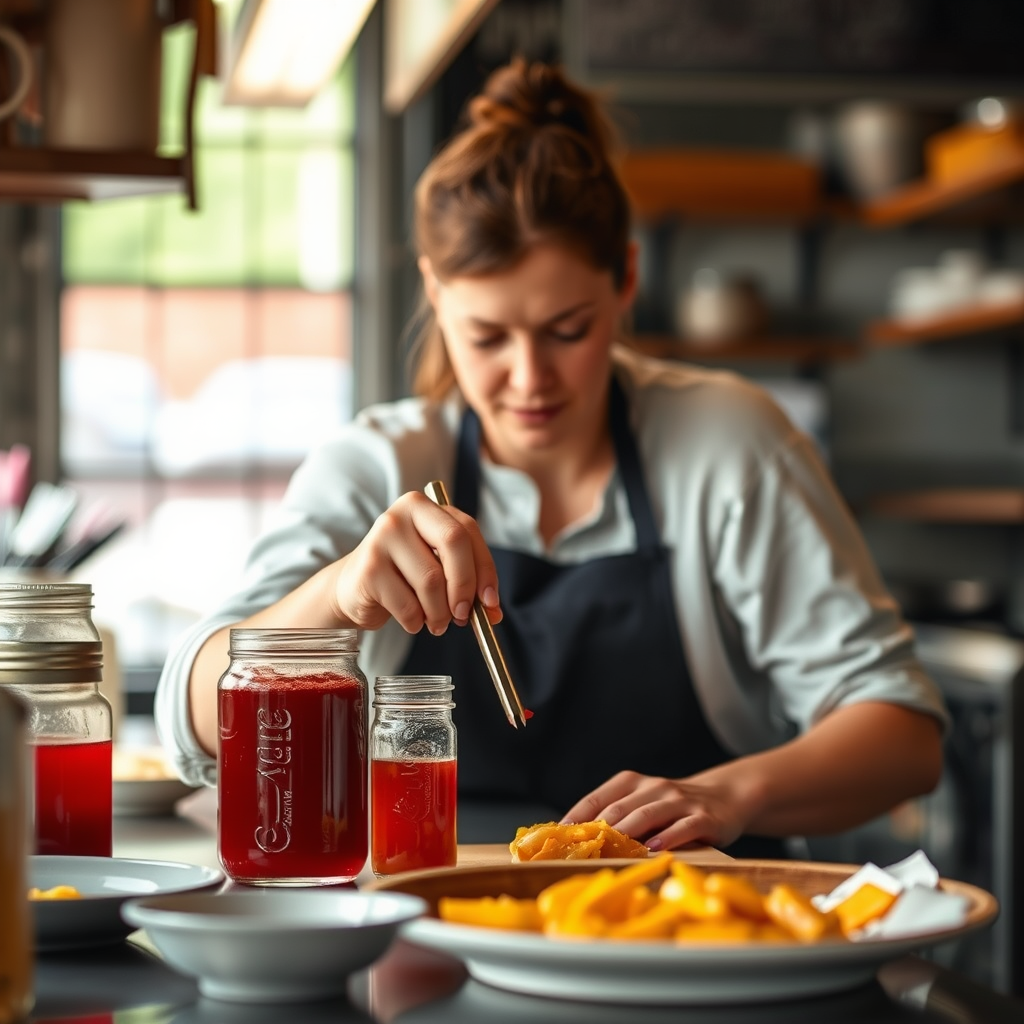
Avoid making Sure-Jell jam if the fruit is overripe or showing signs of spoilage, as this can lead to poor texture and flavor in your final product. If your kitchen is humid or excessively warm, it may affect the gelling process; aim for a temperature between 70°F and 80°F when preparing your jam. Refrain from using substitutions for Sure-Jell pectin unless you are well-versed in the differences in gelling abilities, as this can result in runny or improperly set jams.
The Most Common Mistakes (And Their Consequences)
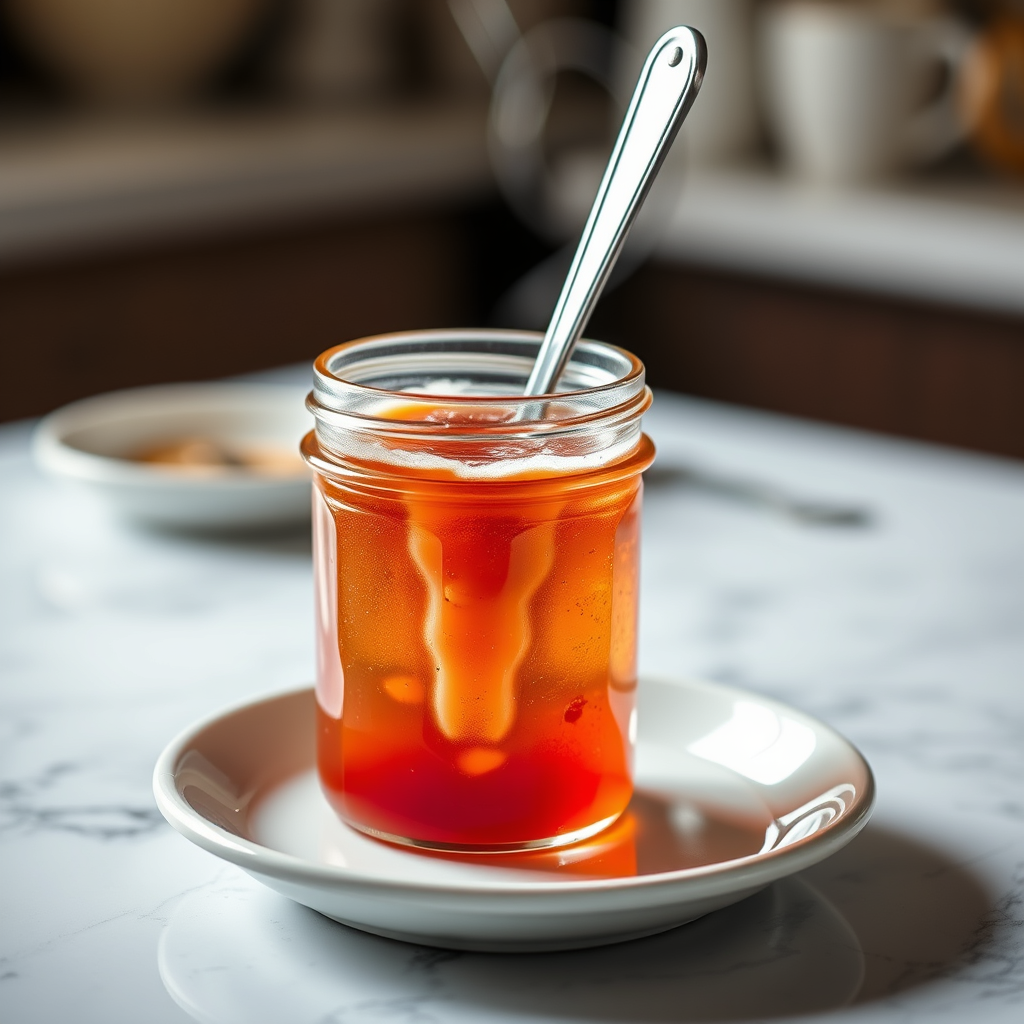
One frequent error is inaccurate sugar measurement; too little can prevent proper gelling, while too much can negatively affect flavor and texture. Skipping the lemon juice is another common pitfall; it is essential for acidity, which aids in preservation and enhances flavor in the jam. Failing to properly sterilize jars can lead to bacterial growth, potentially resulting in spoilage and health risks. Always ensure jars are hot and clean before filling. Additionally, not processing jars for the recommended time can lead to insufficient preservation, risking spoilage.
Special Cases That Need a Different Approach
When using low-sugar fruit or experimenting with sugar substitutes, you may need to adjust the Sure-Jell proportions and follow specific low-sugar recipes provided on the packaging. For high-pectin fruits like apples or quinces, consider reducing the amount of Sure-Jell, as these fruits naturally gel better than others. If you’re using frozen fruit, ensure it is thawed and excess water is drained, as this can impact the gelling process of your Sure-Jell jam. Always refer to the Sure-Jell package for specific instructions related to the type of fruit used.
When You Need a Professional
If you’re uncertain about your canning equipment or methods, particularly with health concerns or specific dietary needs, it’s wise to consult a food preservation expert or local extension service. Should you notice any signs of spoilage in your final product, such as off smells or mold, discard the jam immediately and consult a food safety specialist. For large-scale production or commercial intent, engaging a food scientist or product safety consultant is crucial to ensure compliance with food safety regulations and standards.
Top 7 Fruits for Sure-Jell Jam Making
| # | Fruit | Sugar Needed (cups) | Yield (half-pints) | Pectin Needed (boxes) |
|---|---|---|---|---|
| 1 | Strawberries | 5 | 8 | 1 |
| 2 | Blueberries | 5 | 8 | 1 |
| 3 | Raspberries | 5 | 8 | 1 |
| 4 | Peaches | 5 | 8 | 1 |
| 5 | Blackberries | 5 | 8 | 1 |
| 6 | Apricots | 5 | 8 | 1 |
| 7 | Cherries | 5 | 8 | 1 |
Sources and Further Reading
For authoritative guidance on safe canning practices and recipes, refer to the USDA’s Complete Guide to Home Canning. The Sure-Jell website offers official recipes and troubleshooting tips tailored to their products, including variations for different fruits and dietary preferences. The National Center for Home Food Preservation is an excellent resource to deepen your understanding of food safety and preservation methods, including jam-making with pectin. Engaging with these resources will keep you informed of the latest practices and safety standards in food preservation.
Frequently Asked Questions
What is the best sure jell jam recipe for beginners?
The best sure jell jam recipe for beginners often features strawberries due to their sweet flavor and easy preparation. A simple recipe includes 2 cups of crushed strawberries, 4 cups of granulated sugar, and one package of Sure-Jell fruit pectin. This straightforward method ensures a delicious homemade jam that sets well and requires minimal experience.
How do I troubleshoot runny sure jell jam?
If your sure jell jam turns out runny, it may be due to insufficient cooking time or incorrect proportions of fruit and sugar. To fix this, you can reheat the jam, add more Sure-Jell pectin, and boil for a few minutes until it thickens. Always follow the recommended ratios on the Sure-Jell package for best results.
Why is my sure jell jam not setting properly?
There are several reasons why your sure jell jam may not set properly, including using too much or too little fruit or sugar, or not boiling the mixture long enough. Ensure you follow the Sure-Jell instructions closely, measuring ingredients accurately, and boiling for the recommended time to achieve the desired consistency. Additionally, using fresh, ripe fruit can greatly enhance the setting process.
Which fruits work best for making jam with sure jell?
The best fruits for making jam with Sure-Jell include strawberries, raspberries, blackberries, peaches, and blueberries. These fruits not only provide great flavor but also contain the right amount of natural pectin to help the jam set properly. Experimenting with combinations of these fruits can also yield delightful flavors.
What are some creative flavor combinations for sure jell jam?
Creative flavor combinations for Sure-Jell jam include strawberry-basil, blueberry-lavender, and peach-ginger. These unique pairings can elevate your homemade jam, providing an exciting twist on traditional flavors. Always ensure that the fruit-to-sugar ratio remains consistent to maintain proper setting while infusing these new taste profiles.
References
- Fruit preserves
https://en.wikipedia.org/wiki/Jam - UGA
https://www.uga.edu/ - https://pubmed.ncbi.nlm.nih.gov/
https://pubmed.ncbi.nlm.nih.gov/ - https://www.sciencedirect.com/
https://www.sciencedirect.com/ - The world’s best hospital – Mayo Clinic
https://www.mayoclinic.org/ - ARS Home : USDA ARS
https://www.ars.usda.gov/ - Purdue Extension
https://www.extension.purdue.edu/ - Google Scholar Google Scholar
https://scholar.google.com/scholar?q=sure+jell+jam+recipes - Google Scholar Google Scholar
https://scholar.google.com/scholar?q=jam+making+recipes - Google Scholar Google Scholar
https://scholar.google.com/scholar?q=pectin+jam+recipes