The Complete Expert Guide to Safely Making Sure Jell Blueberry Jam is an essential resource for home canners seeking to master this beloved preserve. This guide covers the precise steps, tips, and safety protocols critical for ensuring your blueberry jam is not only delicious but also safe for long-term storage. By adhering to expert techniques, you can prevent spoilage and enjoy the vibrant taste of summer blueberries all year round.
What This Guide Covers (And What It Doesn’t)
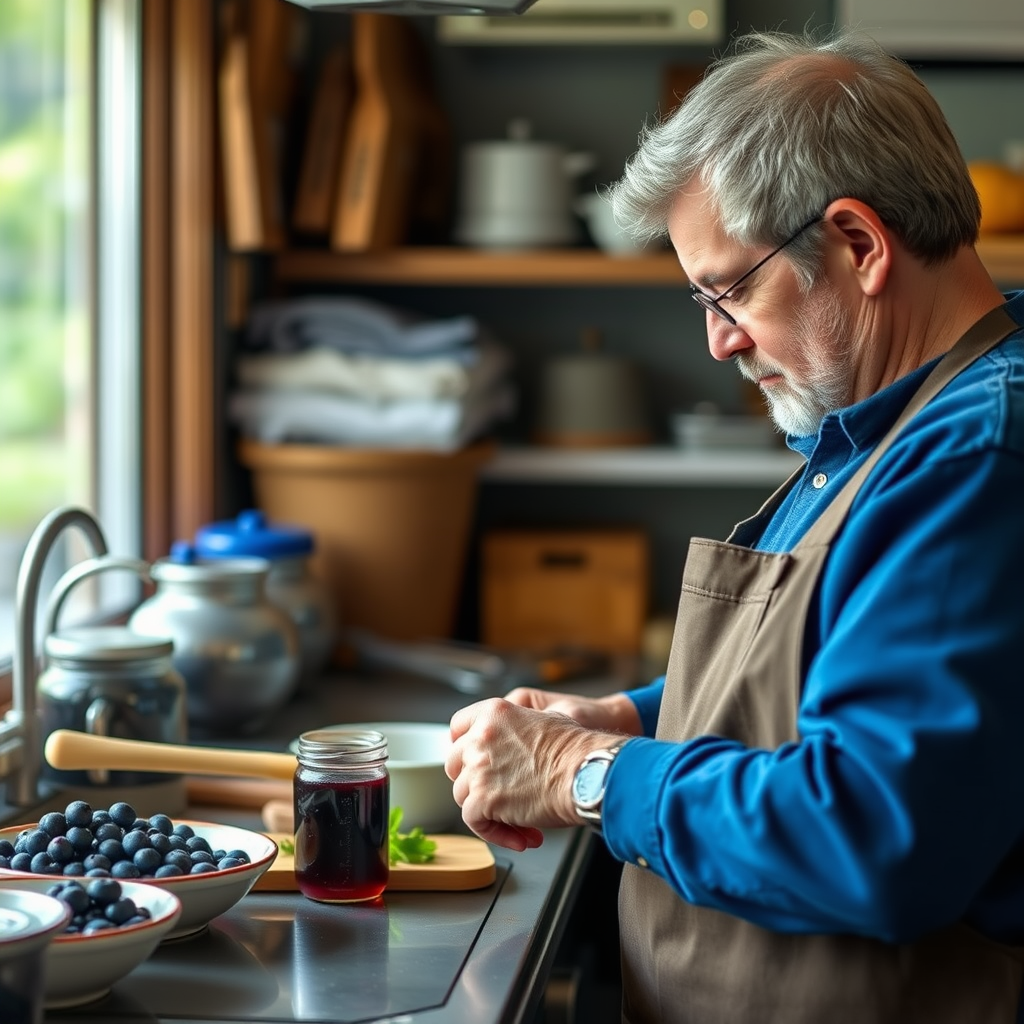
This guide offers a thorough, step-by-step procedure for making Sure Jell blueberry jam, emphasizing safety, preservation techniques, and precise ingredient ratios. You’ll find detailed instructions on the essential equipment, tips for sourcing quality ingredients, and solutions for common issues that may arise during the jam-making process. The focus is on producing a safe and delicious product that adheres to best practices in food preservation.
However, this guide does not include alternative jam recipes or methods that don’t utilize Sure Jell, nor does it explore the nutritional aspects of blueberry jam beyond basic ingredient information. For those seeking variations or nutritional details, further research or additional resources will be necessary.
Who Should Read This
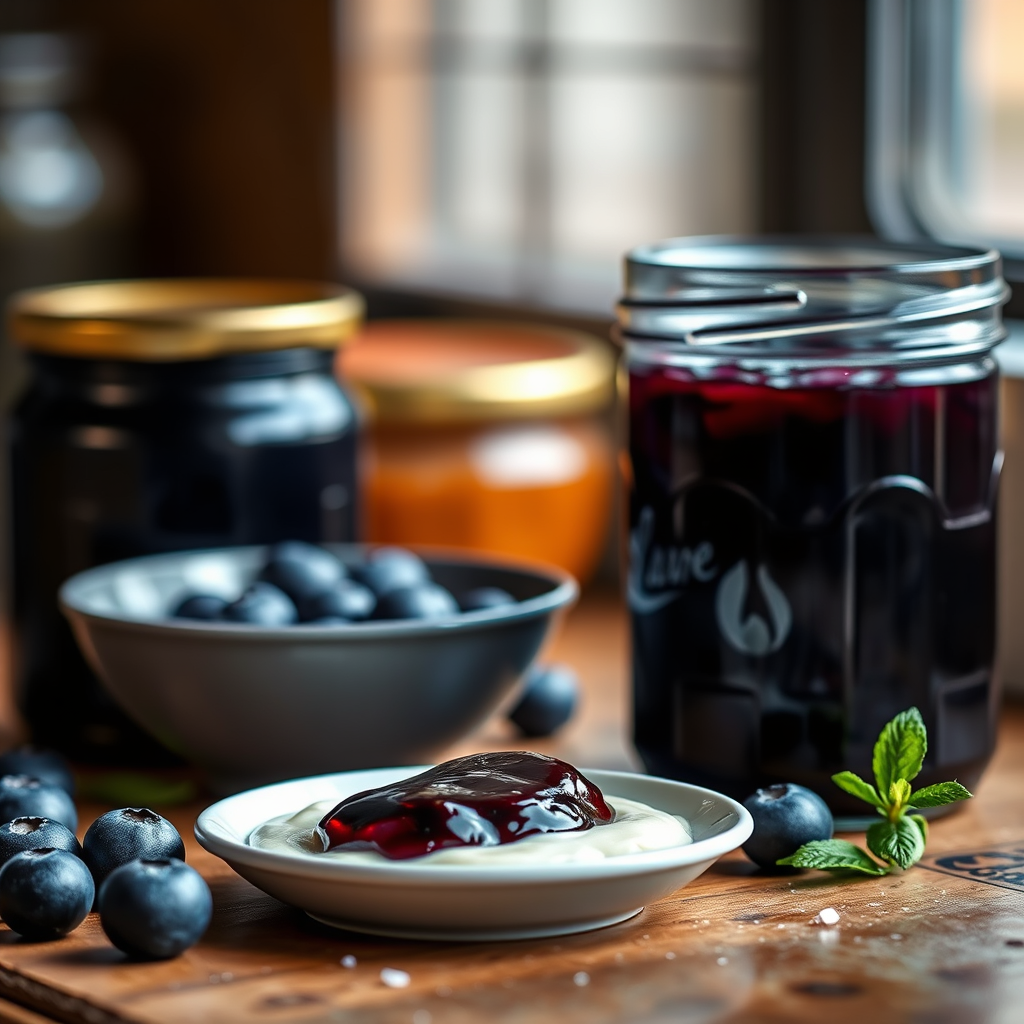
This guide is designed for home cooks and food preservation enthusiasts who have a basic understanding of canning techniques and appreciate the importance of using pectin in jam-making. If you’re eager to create homemade blueberry jam for personal enjoyment, gifts, or small-scale sales, the detailed instructions and safety tips provided here will be invaluable.
It’s important to note that this guide may not be suitable for individuals lacking prior experience in canning or food preservation. The procedures outlined require a foundational knowledge of sterilization, food safety practices, and the critical importance of maintaining a clean working environment throughout the process.
The Step-by-Step Protocol
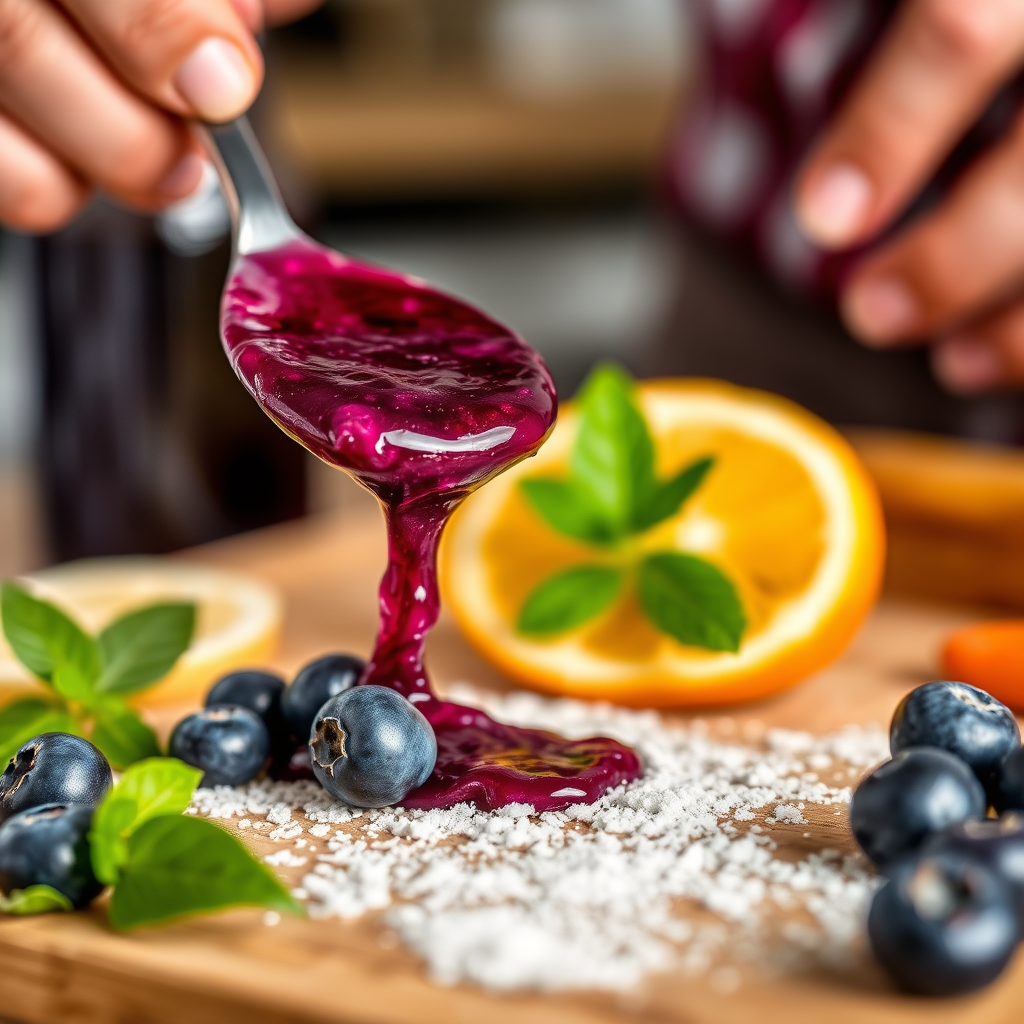
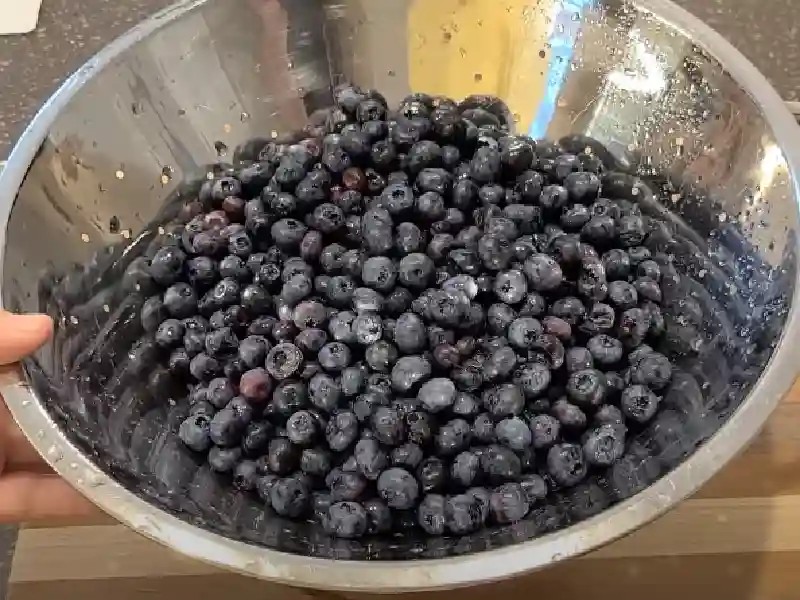
1. Gather Ingredients: Collect all necessary ingredients before you begin. You will need 4 cups of crushed blueberries, 1 cup of granulated sugar, 1 package (1.75 oz) of Sure Jell pectin, and 1/4 cup of freshly squeezed lemon juice. Ensure that all ingredients are fresh and of high quality; the flavor of your jam hinges on this selection.
2. Prepare Jars: Sterilize your canning jars to eliminate any bacteria or pathogens that could spoil your jam. Submerge the jars in boiling water for 10 minutes. After sterilization, keep the jars warm by placing them in a low-temperature oven or covering them with a clean towel to prevent thermal shock when filling.
3. Cook the Mixture: In a large, heavy-bottomed saucepan, combine the crushed blueberries and lemon juice. Heat the mixture over medium-high heat until it reaches a full boil. Once boiling, add the Sure Jell pectin and stir continuously for 1-2 minutes until it is fully dissolved. This step is crucial; the pectin must integrate thoroughly for effective gelling.
4. Add Sugar: Gradually mix in 1 cup of granulated sugar. Bring the mixture back to a full rolling boil and maintain that boil for exactly one minute while stirring constantly. This precise timing is essential to achieve the desired consistency and ensure that the sugar dissolves completely.
5. Fill Jars: Using a ladle, carefully fill the prepared jars with the hot jam, leaving a 1/4 inch headspace from the top. This headspace is necessary to allow for expansion during processing. Wipe the rims of the jars with a clean cloth to remove any residue that could interfere with sealing.
6. Process Jars: Seal the jars with new, clean lids and process them in a boiling water bath for 10 minutes. Ensure that the water covers the jars by at least an inch. This step is critical for the preservation and safety of your jam, as it creates a vacuum seal that inhibits bacterial growth.
Warning Signs: When Not to Follow This
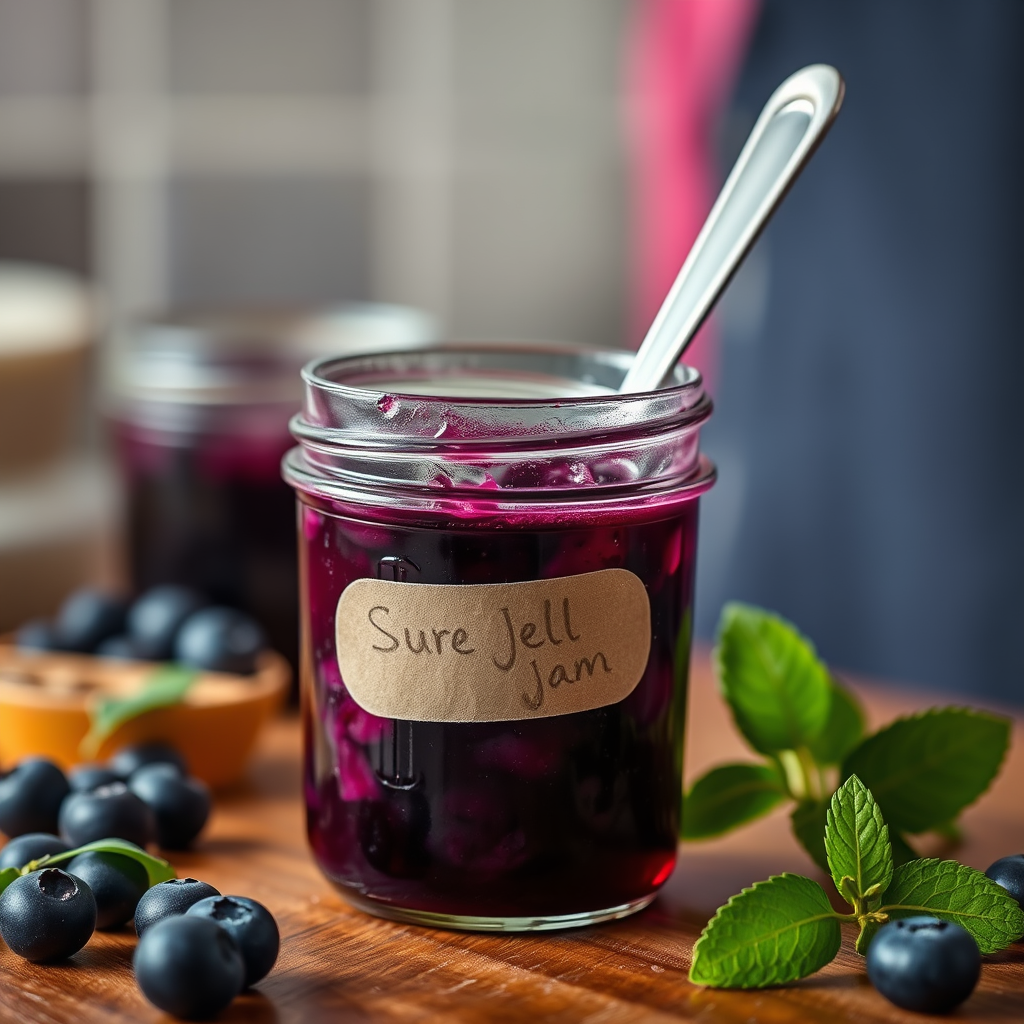
– Do not use blueberries that exhibit signs of mold, spoilage, or an off odor. These indicators can compromise both the flavor of your jam and its safety.
– Avoid this recipe if your kitchen environment is not clean or if you lack access to sterilization equipment. Poor hygiene can lead to contamination and foodborne illnesses.
– If you have known allergies to any of the ingredients listed, particularly pectin or blueberries, refrain from attempting this recipe. Always prioritize your health and safety above all else.
The Most Common Mistakes (And Their Consequences)
– Incorrect Sugar Levels: Not using the correct amount of sugar can lead to poor gel formation, resulting in jam that is runny and lacks the desired consistency and shelf stability.
– Insufficient Boiling Time: Not boiling the mixture for the specified time may yield inadequate preservation, risking spoilage or fermentation of the jam.
– Skipping Jar Sterilization: Neglecting the sterilization process can introduce bacteria into the jars, endangering both the quality and safety of your jam. This step should never be overlooked.
Special Cases That Need a Different Approach
– If using frozen blueberries instead of fresh ones, ensure they are completely thawed and any excess liquid is drained. This prevents the jam from becoming too watery, which could affect the final texture.
– For those opting for alternative sweeteners, such as honey or agave, be aware that you must follow specific pectin guidelines for sugar replacement. Not all sweeteners behave the same way as granulated sugar during the gelling process.
– If you plan to make larger batches of jam, adjust processing times and quantities according to the guidelines provided by the National Center for Home Food Preservation. Larger volumes may require longer processing to ensure safety.
When You Need a Professional
– If you have questions about the safety of your canning practices or suspect a batch has spoiled, consult a food preservation expert or your local extension office. They can provide tailored advice based on your specific situation.
– Individuals with underlying health conditions, especially those who are immunocompromised, should seek professional guidance before attempting home canning. The risk of foodborne illness is higher in these populations.
– If you experience ongoing issues with your jam not setting properly after multiple attempts, a consultation with a food scientist or preservation expert may be warranted. They can help analyze your methods and ingredients to identify the root cause of the problem.
Sources and Further Reading
For further information on safe canning practices and pectin use, consult the National Center for Home Food Preservation guidelines. The University Extension Service offers valuable resources for food preservation techniques and safety measures in home canning. Additionally, “Ball Complete Book of Home Preserving” provides a wealth of recipes and preservation techniques specifically focused on fruit jams and jellies.
By following the steps outlined in this guide and adhering to the safety precautions, you can confidently create delicious Sure Jell blueberry jam that is safe for consumption and perfect for sharing with family and friends.
Frequently Asked Questions
What ingredients do I need for a sure jell blueberry jam recipe?
To make sure jell blueberry jam, you will need fresh or frozen blueberries, granulated sugar, Sure-Jell fruit pectin, and lemon juice. This combination ensures a perfect balance of sweetness and acidity, resulting in a deliciously smooth jam that sets well.
How do I properly prepare blueberries for jam using Sure-Jell?
Start by washing the blueberries thoroughly under cold water to remove any dirt or debris. If using frozen blueberries, allow them to thaw completely. Mash the berries gently, but not too much, to maintain some fruit texture in the final jam.
Why is Sure-Jell recommended for making blueberry jam?
Sure-Jell is a popular pectin product that helps achieve the right consistency in fruit preserves. It is specifically designed for low-sugar recipes, which allows for a vibrant blueberry flavor while still ensuring that the jam sets properly without being overly sweet.
What is the best way to store homemade Sure-Jell blueberry jam?
The best way to store homemade Sure-Jell blueberry jam is in sterilized glass jars with airtight lids. After canning, store the jam in a cool, dark place, and refrigerate any opened jars for up to three weeks to maintain freshness and flavor.
Which common mistakes should I avoid when making blueberry jam with Sure-Jell?
Common mistakes to avoid include not measuring ingredients accurately and skipping the sterilization of jars. Additionally, be mindful of the cooking time; overcooking can lead to a jam that is too thick, while undercooking can result in a runny consistency. Always follow the Sure-Jell instructions closely for best results.
References
- Fruit preserves
https://en.wikipedia.org/wiki/Jam - https://pubmed.ncbi.nlm.nih.gov/28359645/
https://pubmed.ncbi.nlm.nih.gov/28359645/ - https://www.sciencedirect.com/topics/food-science/jam
https://www.sciencedirect.com/topics/food-science/jam - https://www.ncbi.nlm.nih.gov/pmc/articles/PMC5824550/
https://www.ncbi.nlm.nih.gov/pmc/articles/PMC5824550/ - Institutional Design and Governance in the Microbial Research Commons – Designing the Microbial R…
https://www.ncbi.nlm.nih.gov/books/NBK92740/ - https://www.britannica.com/topic/jam
https://www.britannica.com/topic/jam - Google Scholar Google Scholar
https://scholar.google.com/scholar?q=sure+jell+blueberry+jam+recipe - Google Scholar Google Scholar
https://scholar.google.com/scholar?q=blueberry+jam+recipe - Google Scholar Google Scholar
https://scholar.google.com/scholar?q=making+jam+using+sure+jell - https://www.fs.usda.gov/wildflowers/ethnobotany/food/canning_jam.shtml
https://www.fs.usda.gov/wildflowers/ethnobotany/food/canning_jam.shtml