The Complete Expert Guide to Safely Making Sure Jell Blackberry Jam is your definitive resource for mastering this beloved fruit preserve. This guide will walk you through the precise steps and safety protocols necessary for crafting delicious, shelf-stable blackberry jam using Sure Jell. Adhering to the right techniques is crucial for both flavor and food safety, ensuring that your homemade jam not only tastes exceptional but is also safe for long-term storage.
What This Guide Covers (And What It Doesn’t)
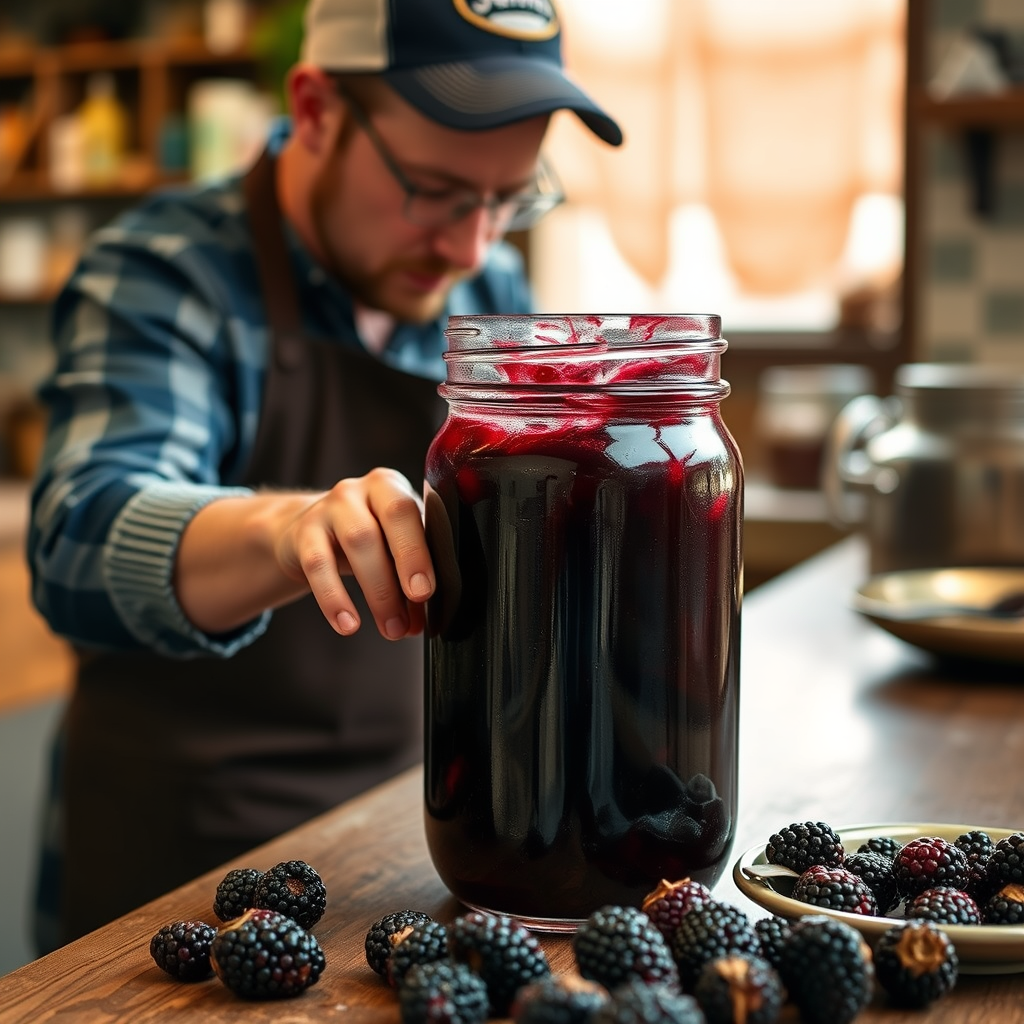
This guide offers a comprehensive, step-by-step recipe for crafting blackberry jam using Sure Jell, a brand renowned for its reliable gelling properties. You will find precise measurements for each ingredient, including the optimal ratio of blackberries to sugar and pectin to achieve the best results. Additionally, the guide emphasizes safety standards for canning, ensuring that your homemade jam is shelf-stable and safe for consumption. However, it does not address alternative pectin brands or methods for preserving fruits beyond jam, nor does it explore advanced canning techniques or low-sugar recipes.
Who Should Read This
This guide is designed for home cooks and food preservation enthusiasts with basic kitchen skills and some familiarity with canning techniques. It is ideal for those eager to make homemade blackberry jam with Sure Jell, particularly individuals interested in preserving seasonal fruits. Readers without prior canning experience may find the process daunting, so a foundational understanding of kitchen safety and equipment is recommended. This guide does not cater to those seeking advanced techniques or innovative approaches to jam-making.
The Step-by-Step Protocol
1. Gather Your Ingredients: You will need 5 cups of ripe blackberries, 7 cups of granulated sugar, 1 box (1.75 oz) of Sure Jell fruit pectin, and 1/2 cup of water. Ensure all ingredients are fresh and of high quality for the best results.
2. Prepare the Blackberries: Wash the blackberries under cold running water, removing any stems, leaves, or spoiled fruit. After washing, mash the berries until you yield approximately 4 cups of crushed fruit. This can be done with a potato masher or similar tool.
3. Combine Ingredients: In a large, heavy-bottomed pot, combine the mashed blackberries, 1 box of Sure Jell, and 1/2 cup of water. Stir the mixture well to dissolve the Sure Jell in the fruit and water.
4. Heat the Mixture: Place the pot over medium heat and bring the mixture to a rolling boil, stirring frequently to prevent sticking. It is essential to reach a full, rolling boil, as this ensures that the Sure Jell will activate properly.
5. Add Sugar: Once the mixture is at a rolling boil, quickly add all 7 cups of granulated sugar at once. Stir continuously to dissolve the sugar. Continue to boil the mixture for an additional 1 to 2 minutes or until the sugar is completely dissolved and the mixture returns to a rolling boil.
6. Test for Gelling: After boiling, you can test the gelling point using a spoon or a cold plate. Dip a spoon into the mixture, let it cool for a few seconds, and then run your finger through it. If it holds its shape and does not run back together, it has reached the proper gelling point.
7. Jar the Jam: Once the jam is ready, remove it from the heat. Pour the hot jam into sterilized canning jars, leaving about 1/4 inch of headspace at the top. Wipe the rims of the jars with a clean cloth to remove any residue.
8. Seal and Process: Place the sterilized lids on the jars and screw on the metal bands until they are fingertip-tight. Process the jars in a boiling water bath for 10 minutes to ensure a proper seal and eliminate any potential bacteria.
9. Cool and Store: After processing, remove the jars and allow them to cool completely at room temperature. Once cooled, check that the lids have sealed properly by pressing the center of each lid; it should not flex up and down. Store sealed jars in a cool, dark place. Unsealed jars should be refrigerated and used within a few weeks.
Warning Signs: When Not to Follow This
Avoid following this recipe if your blackberries are overripe, moldy, or have an off smell, as these factors can compromise the safety and quality of the jam. Also, do not proceed if you lack the appropriate canning jars and lids, which should be specifically designed for canning to ensure a proper seal. It’s crucial to maintain a consistent boiling temperature throughout the cooking process; if you cannot do this, skip the recipe. If you have a medical condition that affects your ability to follow food safety guidelines, such as a compromised immune system, consult a professional before proceeding.
The Most Common Mistakes (And Their Consequences)
One frequent mistake is using frozen blackberries instead of fresh; this can lead to a watery jam due to excess moisture released during cooking. Accurately measuring the sugar is vital; failing to do so can result in jam that does not set properly, yielding a syrupy consistency instead of a firm spread. Skipping the boiling step after adding sugar can prevent the jam from reaching the necessary temperature for proper gelling, resulting in spoilage. Additionally, neglecting to sterilize the jars before filling them can introduce bacteria, leading to spoilage or foodborne illness.
Special Cases That Need a Different Approach
If using low-sugar pectin, adjust the sugar content to about 4 cups instead of 7 cups, and follow the specific instructions provided with the pectin for best results. For those with dietary restrictions, consider using a sugar substitute designed for canning, ensuring compatibility with Sure Jell for effective gelling. When making a double batch, use a larger pot and monitor the boiling time closely, as it may take longer to reach the desired temperature. If you live at a high altitude, adjust cooking time and sugar levels according to altitude canning guidelines to ensure successful gelling.
When You Need a Professional
If you notice signs of spoilage after canning—such as bulging lids or off odors—do not taste the jam; dispose of it immediately to avoid health risks. Consult a food preservation expert if you’re unsure about the safety of your canning process, especially if you have never canned before. For those considering scaling the recipe for commercial purposes, seek guidance from a certified food safety expert to comply with local regulations. Individuals with specific dietary needs or health conditions that complicate food preservation should work with a registered dietitian or nutritionist.
Sources and Further Reading
– National Center for Home Food Preservation: Comprehensive guidelines on safe canning practices and food preservation methods.
– Sure Jell Official Website: Detailed instructions and tips for using Sure Jell for various fruit preserves, including blackberry jam.
– USDA Complete Guide to Home Canning: A thorough resource on food preservation safety and techniques to ensure the quality and safety of home-canned goods.
– Local extension service publications: Many provide region-specific canning advice and workshops for home canners, enhancing your jam-making experience.
By following this expert guide, you can confidently create delicious and safe blackberry jam that captures the essence of summer in every jar.
Frequently Asked Questions
What ingredients do I need for a Sure Jell blackberry jam recipe?
To make Sure Jell blackberry jam, you will need 4 cups of mashed blackberries, 1 cup of granulated sugar, and 1 package of Sure Jell pectin. Additionally, you will need 1/4 cup of lemon juice to enhance the flavor and preserve the color of the jam.
How do I prepare blackberries for Sure Jell jam?
Start by rinsing the blackberries thoroughly under cold water to remove any dirt or debris. Next, remove any stems and mash the berries using a potato masher or fork until you have a consistent pulp, making it easier for the jam to set when combined with the Sure Jell pectin.
Why is Sure Jell preferred for making blackberry jam?
Sure Jell is preferred for making blackberry jam because it provides a reliable and consistent gelling result, ensuring your jam sets properly. Its formulation allows for a clearer jam with fewer impurities, making it an ideal choice for preserving the bright flavor and color of blackberries.
What is the best method for canning Sure Jell blackberry jam?
The best method for canning Sure Jell blackberry jam involves sterilizing your jars and lids by boiling them for 10 minutes. After filling the hot jars with the jam, leave about 1/4 inch of headspace, wipe the rims, and seal with the lids before processing them in a boiling water bath for 5-10 minutes to ensure safe preservation.
Which common mistakes should I avoid when making Sure Jell blackberry jam?
Common mistakes to avoid include not measuring the ingredients accurately, which can affect the jam’s consistency, and failing to fully dissolve the Sure Jell pectin before adding the blackberries. Additionally, ensure you don’t skip the lemon juice, as it helps with the setting process and enhances the jam’s flavor.
References
- Fruit preserves
https://en.wikipedia.org/wiki/Jam - https://www.ncbi.nlm.nih.gov/pmc/articles/PMC4355479/
https://www.ncbi.nlm.nih.gov/pmc/articles/PMC4355479/ - Google Scholar Google Scholar
https://scholar.google.com/scholar?q=sure+jell+blackberry+jam+recipe - https://www.cdc.gov/nutrition/infantandtoddlernutrition/foods/jams-jellies.html
https://www.cdc.gov/nutrition/infantandtoddlernutrition/foods/jams-jellies.html - Google Scholar Google Scholar
https://scholar.google.com/scholar?q=blackberry+jam+recipe - https://www.ars.usda.gov/ARSUserFiles/np/foodpreservation/Preserving_Fruit_Book.pdf
https://www.ars.usda.gov/ARSUserFiles/np/foodpreservation/Preserving_Fruit_Book.pdf - https://www.foodsafety.gov/risk/foodborne-illness-and-jams
https://www.foodsafety.gov/risk/foodborne-illness-and-jams - Identification of Major Inefficient Water Consumption Areas Considering Water Consumption, Effici…
https://www.mdpi.com/2076-3417/10/18/6156 - https://www.sciencedirect.com/topics/agricultural-and-biological-sciences/jam
https://www.sciencedirect.com/topics/agricultural-and-biological-sciences/jam - Jam | food | Britannica
https://www.britannica.com/topic/jam-food