Learn how to safely make sugar free jam with this comprehensive expert guide, designed for home cooks seeking healthier alternatives. This guide covers essential techniques, ingredient choices, and safety protocols to ensure your homemade jam is both delicious and safe to enjoy. Following the right procedures is crucial for preserving flavor and texture while avoiding potential health risks.
What This Guide Covers (And What It Doesn’t)
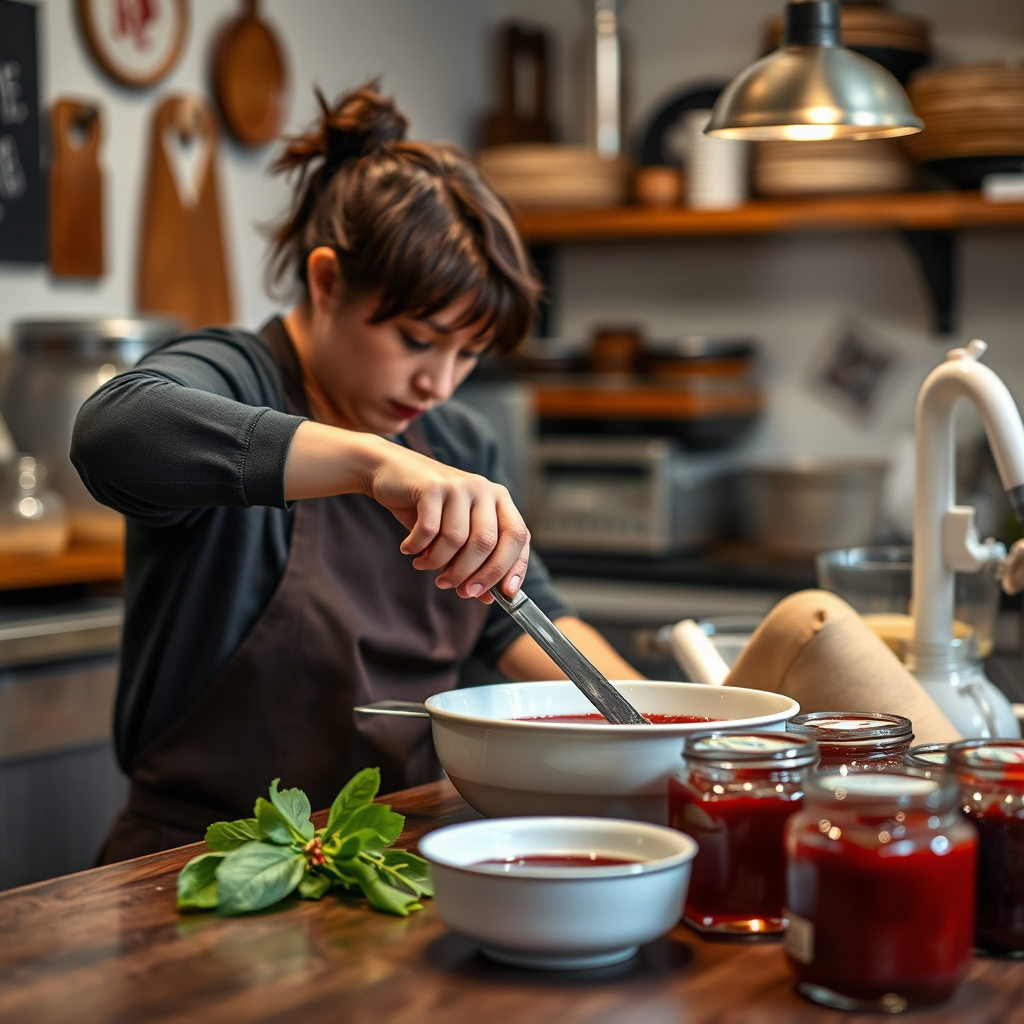
This guide takes you through the entire process of making sugar-free jam, detailing everything from selecting ingredients to preparation techniques and preservation methods that ensure both safety and flavor. It specifically highlights recipes that utilize natural sweeteners like stevia, monk fruit, or erythritol, offering health-conscious alternatives to traditional jams. However, it does not include traditional jam recipes containing sugar or unconventional preservation methods such as refrigeration or freezing, which are not suitable for long-term storage.
Who Should Read This
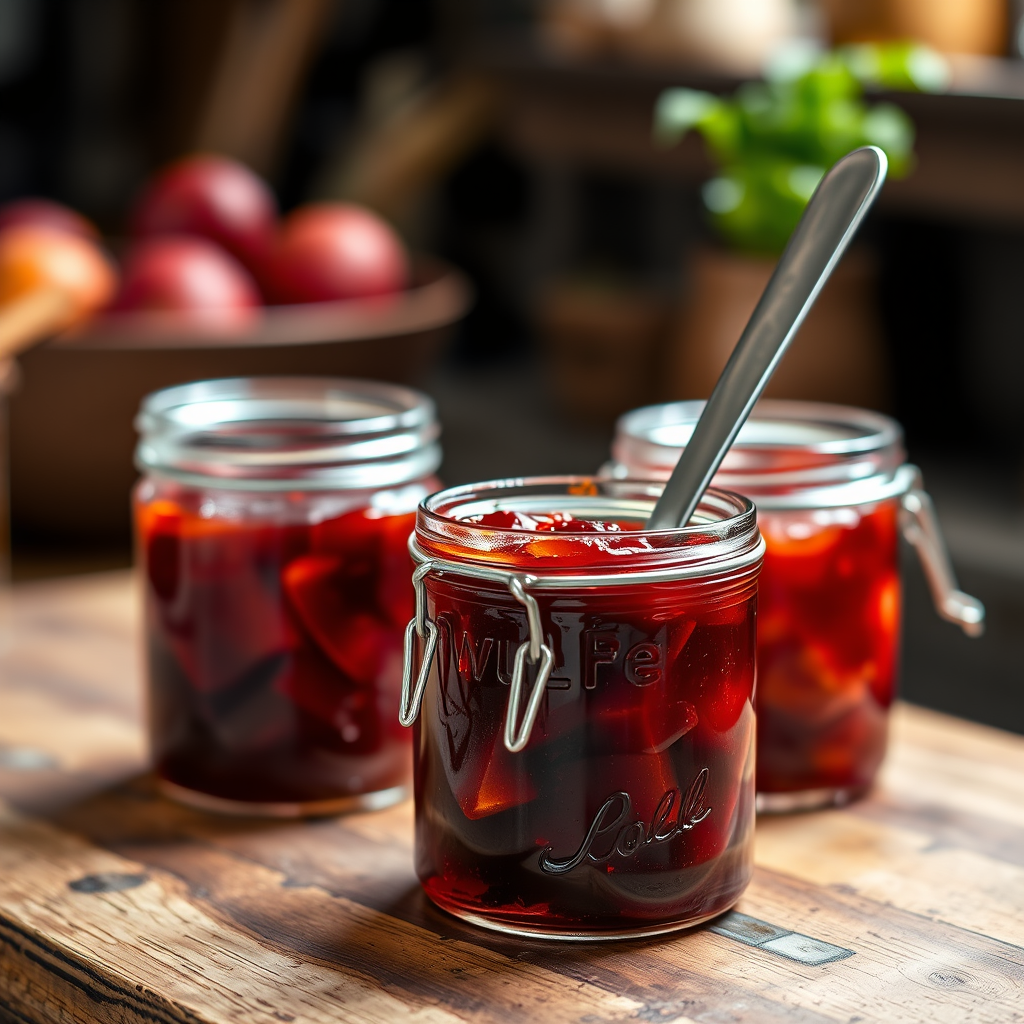
This guide is aimed at individuals seeking to reduce their sugar intake due to health concerns like diabetes, obesity, or metabolic syndrome. It also caters to home cooks with basic kitchen skills familiar with canning processes, but who may lack experience in making sugar-free preserves. For readers eager to explore healthier food options without compromising on flavor, this guide provides practical and delicious alternatives that are sure to satisfy.
The Step-by-Step Protocol
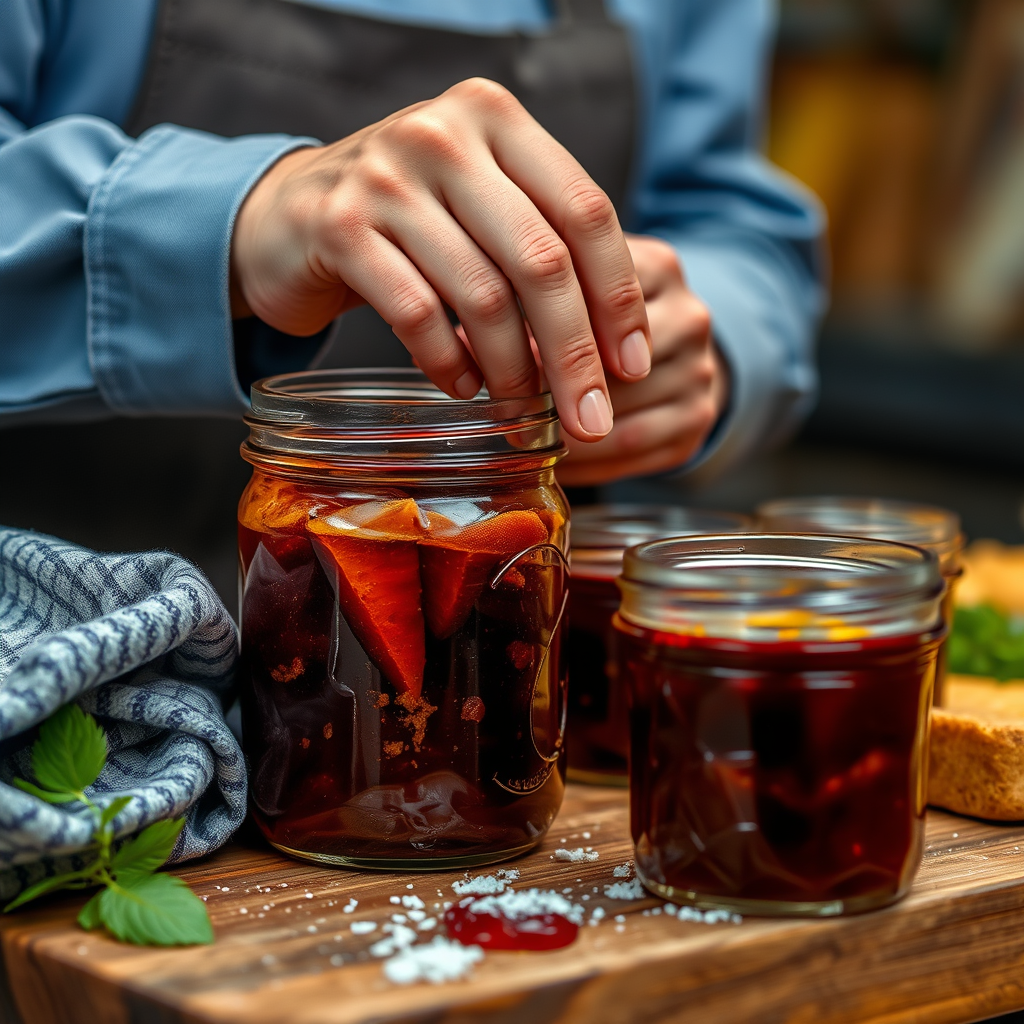
1. Select Your Fruit: Choose ripe, high-quality fruit such as strawberries, blueberries, or raspberries; aim for about 4 cups (600g) of chopped fruit. Look for fruit that is in season for the best flavor and sweetness.
2. Prepare Sweetener: Measure out 1 cup (200g) of your chosen natural sweetener, ensuring it’s suitable for canning. Different sweeteners have varying sweetness levels; for example, use 1 teaspoon of stevia extract to match the sweetness of 1 cup of sugar. Always check the specific sweetener’s conversion guidelines.
3. Cook and Mash Fruit: In a large pot, combine the fruit and sweetener. Cook over medium heat for 10-15 minutes until the fruit breaks down and releases its juices, mashing with a potato masher as needed. Stir frequently to prevent sticking and burning.
4. Add Pectin: Stir in 1 package (1.75 oz or 49g) of low-sugar pectin according to the package instructions. Cook for an additional 5-10 minutes until the mixture thickens. Ensure the pectin is fully dissolved to achieve the desired consistency.
5. Jar and Process: Pour the hot jam into sterilized jars, leaving 1/4-inch headspace. Wipe the rims to ensure a proper seal, then seal and process in a boiling water bath for 10 minutes. This step is crucial for long-term preservation and safety.
6. Cool and Store: Allow the jars to cool completely at room temperature. Check the seals by pressing down in the center of the lid; it should not pop back. Store the sealed jars in a cool, dark place. Properly sealed jam can last for up to one year.
Top 7 Natural Sweeteners for Sugar-Free Jam
| # | Sweetener | Sweetness Level | Calories per 100g | Best For |
|---|---|---|---|---|
| 1 | Stevia | 300x | 0 | Low-Calorie |
| 2 | Monk Fruit | 150-200x | 0 | Diabetic-Friendly |
| 3 | Erythritol | 70% | 20 | Sugar-Like Texture |
| 4 | Xylitol | 100% (but toxic to dogs) | 40 | Not Safe for Pets |
| 5 | Agave Nectar | 1.5x | 310 | High Fructose |
| 6 | Honey | 1.2x | 304 | Not Vegan |
| 7 | Maple Syrup | 1.5x | 260 | High Sugar Content |
Warning Signs: When Not to Follow This

– Do not attempt this recipe if you have a fruit allergy, particularly to the specific fruit you are using, as reactions can be severe and immediate.
– Avoid making sugar-free jam if you cannot properly sterilize your jars, as this increases the risk of bacterial growth and spoilage.
– If you have underlying health conditions that require strict dietary restrictions, consult a healthcare provider before making any dietary changes, including homemade jam.
The Most Common Mistakes (And Their Consequences)
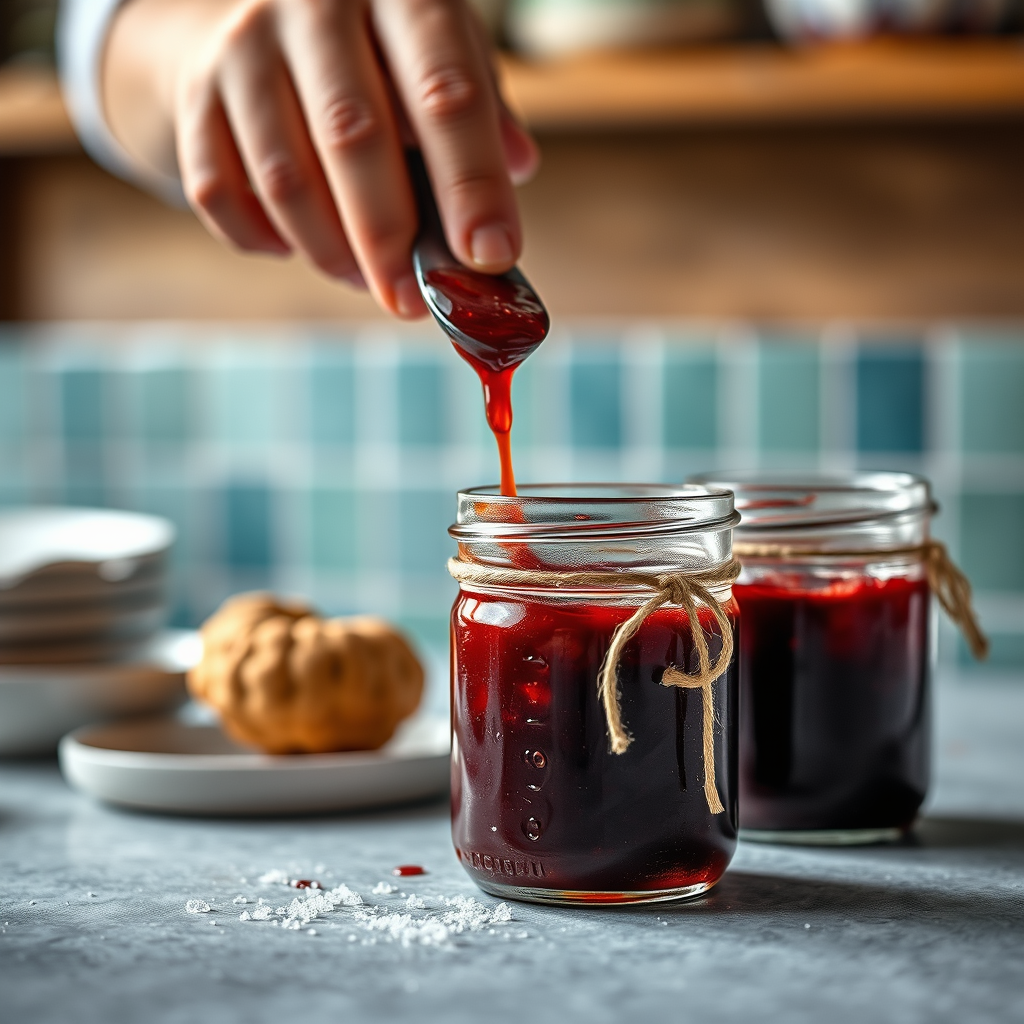
– A frequent error is misjudging the amount of sweetener; using too much can overpower the fruit flavor, while too little can lead to an unpalatable product.
– Skipping the pectin or not using the correct type can result in a jam that fails to set, leaving you with a runny consistency that is difficult to spread.
– Inadequate processing of jars in the water bath can lead to spoilage, as insufficient heat treatment allows harmful bacteria to survive, posing a health risk.
Special Cases That Need a Different Approach
– If you’re using particularly low-pectin fruits like strawberries or peaches, consider adding a small amount of high-pectin fruit (like apples) to achieve the desired consistency.
– For those with dietary restrictions regarding specific sweeteners, alternatives like honey or agave syrup can be used, but adjust quantities to maintain sweetness levels. Keep in mind that while these options are not calorie-free, they may suit some dietary needs.
– If you plan to store the jam for more than a year, consider freezing it instead of canning, as freezing preserves texture and flavor without the need for preservatives.
When You Need a Professional
– Consult a food safety expert or local extension service if you’re unsure about the canning process, especially if unfamiliar with pressure canning for low-acid fruits.
– Seek professional advice if there are concerns about potential food allergies related to specific fruits or sweeteners used in the recipe, to avoid serious allergic reactions.
– If you notice any signs of spoilage, such as unusual odors or bubbling in the jar, do not consume the jam; instead, consult a food safety professional for guidance on safe disposal.
Sources and Further Reading
– “Ball Complete Book of Home Preserving” – A comprehensive guide on canning, including sugar-free options and safety practices.
– USDA Complete Guide to Home Canning – Essential guidelines for safe canning practices, including specific recommendations for low-sugar recipes.
– “The Joy of Cooking” – This classic cookbook contains sections on preserving fruits and making jams, with adaptations for sugar-free variations.
By following this expert guide, you can safely create delicious, sugar-free jam that enhances your meals while aligning with your health goals. Enjoy the process and savor the rewards of your homemade preserves!
Frequently Asked Questions
What is the best sweetener to use in a sugar free jam recipe?
The best sweeteners for a sugar free jam recipe include erythritol, stevia, and monk fruit sweetener. These options provide sweetness without the calories and blood sugar spikes associated with traditional sugar. When choosing a sweetener, consider the flavor profile and texture it adds to your jam, as some may have aftertastes or affect the gelling process.
How do I make sugar free jam without pectin?
To make sugar free jam without pectin, you can use ripe fruits that are naturally high in pectin, such as apples or citrus fruits. Simply mash the fruit, simmer it with your chosen sweetener, and cook until it thickens to your desired consistency. This method allows you to enjoy a healthier jam that retains the natural flavors of the fruit.
Why should I choose sugar free jam over regular jam?
Choosing sugar free jam over regular jam can help reduce your sugar intake and lower your risk of health issues such as obesity and diabetes. Sugar free options typically have fewer calories and carbohydrates, making them suitable for those on low-carb or ketogenic diets. Additionally, they allow you to enjoy the delicious taste of jam without the guilt.
Which fruits work best for making sugar free jam?
The best fruits for making sugar free jam include strawberries, blueberries, raspberries, and peaches. These fruits not only have great flavor but also contain natural pectin, which helps achieve the right consistency without added sugar. Experimenting with a mix of these fruits can lead to unique and delicious sugar free jam combinations.
How do I store homemade sugar free jam for long-lasting freshness?
To store homemade sugar free jam for long-lasting freshness, ensure it is sealed in sterilized glass jars and stored in the refrigerator. For longer storage, you can freeze the jam in airtight containers. Properly stored, sugar free jam can last in the fridge for up to three weeks or in the freezer for several months, maintaining its flavor and quality.
References
- Fruit preserves
https://en.wikipedia.org/wiki/Jam - https://www.ncbi.nlm.nih.gov/pmc/articles/PMC5821415/
https://www.ncbi.nlm.nih.gov/pmc/articles/PMC5821415/ - https://www.ncbi.nlm.nih.gov/pmc/articles/PMC6063053/
https://www.ncbi.nlm.nih.gov/pmc/articles/PMC6063053/ - https://www.mayoclinic.org/healthy-lifestyle/nutrition-and-healthy-eating/expert-answers/sugar-free-jams/faq-20058017
https://www.mayoclinic.org/healthy-lifestyle/nutrition-and-healthy-eating/expert-answers/sugar-free-jams/faq-20058017 - https://www.healthline.com/nutrition/sugar-free-jam-recipe
https://www.healthline.com/nutrition/sugar-free-jam-recipe - https://www.sciencedirect.com/topics/food-science/jam
https://www.sciencedirect.com/topics/food-science/jam - Google Scholar Google Scholar
https://scholar.google.com/scholar?q=sugar+free+jam+recipe - Google Scholar Google Scholar
https://scholar.google.com/scholar?q=sugar+substitutes+in+jam - Google Scholar Google Scholar
https://scholar.google.com/scholar?q=healthy+preserves+without+sugar - sugar free jam recipe – Search results
https://en.wikipedia.org/wiki/Special:Search?search=sugar+free+jam+recipe