Master the art of making strawberry jam with pectin through this expert guide, designed for home canners seeking safety and flavor. This comprehensive resource details each step of the process, ensuring your jam not only tastes delicious but is preserved correctly to avoid spoilage. Following the right protocols is crucial for achieving the perfect consistency and taste while keeping your family safe. Elevate your food preservation skills with proven methods and expert tips.
What This Guide Covers (And What It Doesn’t)

This guide offers a comprehensive, step-by-step recipe for making strawberry jam with pectin, emphasizing crucial ingredient ratios, cooking times, and sterilization techniques necessary for safe preservation. It details the essential equipment required, including different types of pectin, jars, and canning supplies, while clarifying their roles in the jam-making process. However, it does not delve into alternative methods for making jam without pectin or provide recipes for other fruits. By concentrating solely on strawberry jam, this guide ensures clarity and precision. Readers interested in advanced canning techniques, such as pressure canning or low-sugar alternatives, should seek specialized resources for further information.
Who Should Read This
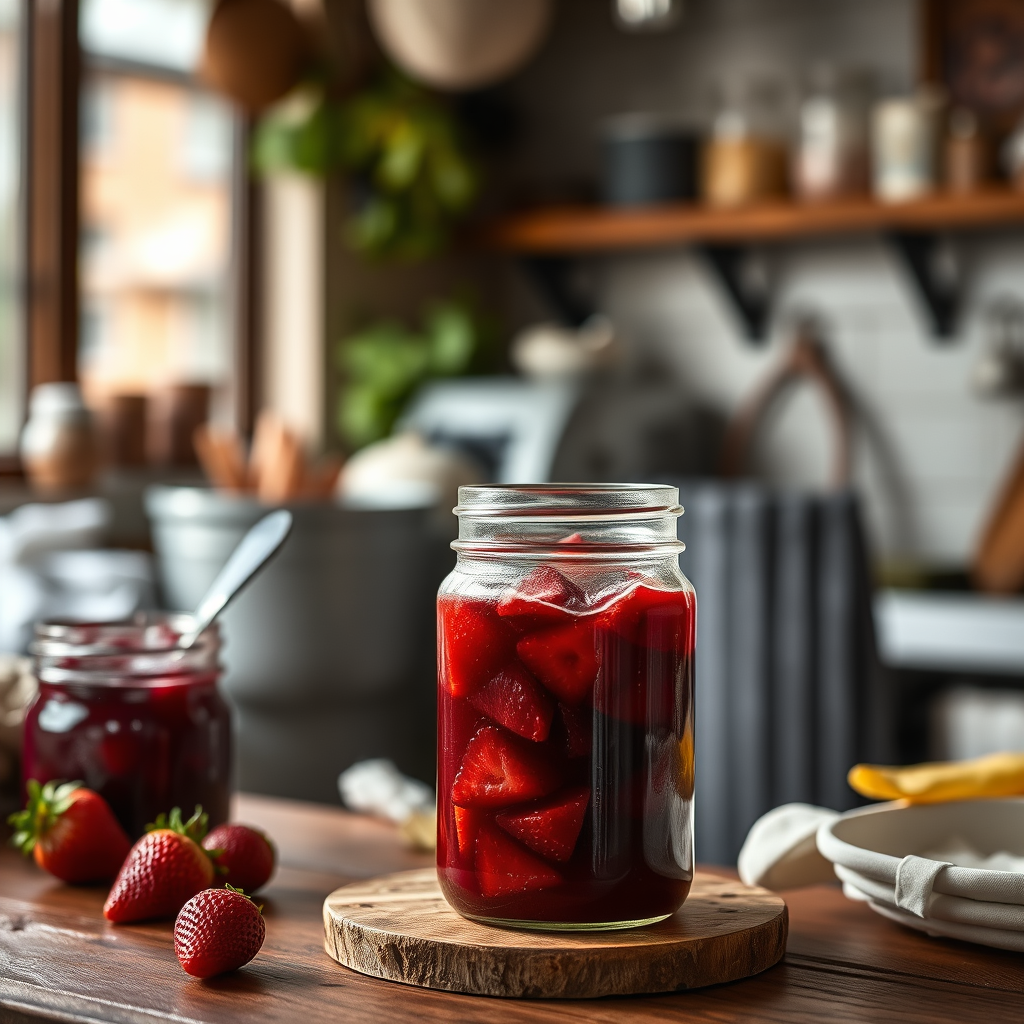
This guide is tailored for home cooks who possess basic kitchen skills and wish to transform fresh strawberries into jam using a reliable pectin method. It’s ideal for beginners eager to learn the jam-making process as well as seasoned jam makers seeking precise instructions. To get started, readers should have access to fresh strawberries and basic canning supplies, along with a fundamental understanding of kitchen hygiene and food safety practices. Those looking for low-sugar or alternative preservation methods may find this guide less applicable to their needs.
The Step-by-Step Protocol

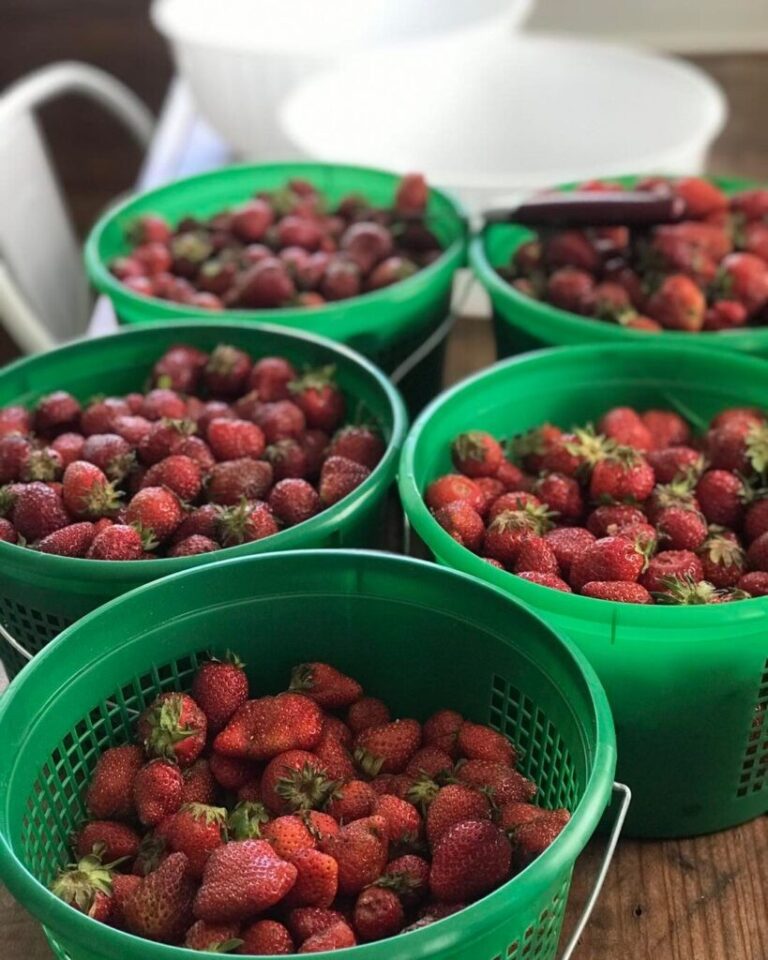
1. Gather Ingredients and Supplies: Collect 4 cups of crushed fresh strawberries, 1 package (1.75 oz) of powdered pectin, 5 cups of granulated sugar, and 1/4 cup of lemon juice.
2. Prepare the Strawberries: Wash the strawberries thoroughly, remove the stems, and crush them in a large bowl using a potato masher or food processor until you achieve a uniform mixture.
3. Cook the Mixture: In a large pot, combine the crushed strawberries, lemon juice, and powdered pectin. Stir well and bring the mixture to a rapid boil over medium-high heat, stirring constantly to prevent sticking.
4. Add Sugar and Boil: Once boiling, gradually stir in the 5 cups of sugar. Return to a full rolling boil and cook for 1-2 minutes, ensuring that the sugar is completely dissolved and the mixture thickens.
5. Test for Set: To check if the jam has reached the proper consistency, spoon a small amount onto a cold plate and return it to the freezer for about 1 minute. If it thickens and holds its shape, it’s ready for canning. If not, continue boiling for another minute and test again.
6. Prepare Jars: While the jam is cooking, wash your canning jars in hot, soapy water, then rinse well. Sterilize the jars by placing them in a boiling water bath for 10 minutes or by running them through a hot cycle in the dishwasher.
7. Fill and Seal Jars: Once the jam has reached the desired consistency, pour it into the sterilized jars, leaving a 1/4 inch headspace. Wipe the rims of the jars with a clean, damp cloth to remove any residue. Place sterilized lids on the jars and screw on the metal bands until they are fingertip-tight.
8. Process the Jars: Process the jars in a boiling water bath for 10 minutes to ensure a proper seal and eliminate any bacteria. Ensure the water covers the jars by at least an inch. After processing, remove the jars and let them cool on a clean towel or cooling rack.
9. Check Seals: After 12-24 hours, check the seals by pressing down in the center of the lid. If it pops back, the jar did not seal properly and should be refrigerated and used within a few weeks. If the lid remains down, the jar is sealed and can be stored in a cool, dark place.
Strawberry Jam Ingredients Comparison
| # | Ingredient | Quantity | Purpose |
|---|---|---|---|
| 1 | Fresh Strawberries | 4 cups | Base flavor |
| 2 | Powdered Pectin | 1.75 oz | Thickener & gelling agent |
| 3 | Granulated Sugar | 5 cups | Sweetening agent |
| 4 | Lemon Juice | 1/4 cup | Acidity & flavor |
| 5 | Water (for boiling bath) | As needed | Processing |
Warning Signs: When Not to Follow This
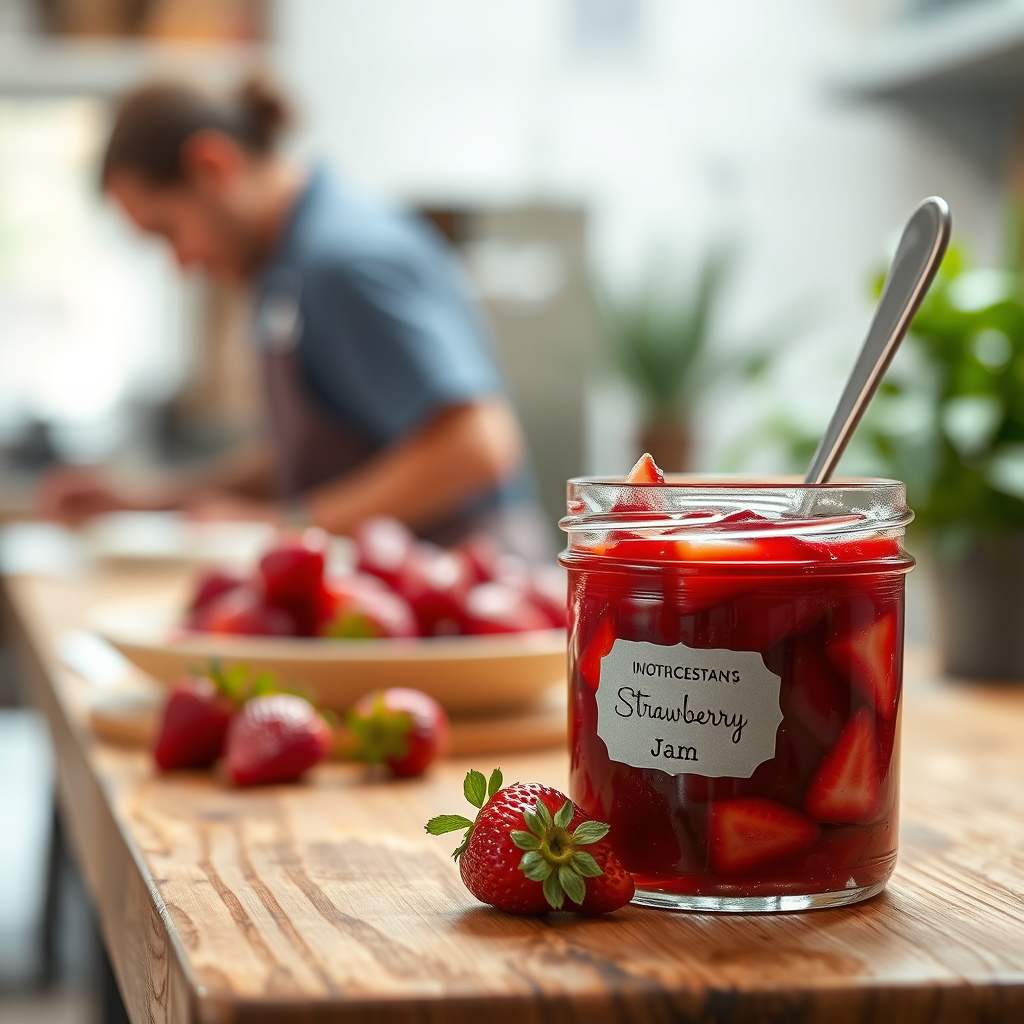
Avoid making this recipe if you notice any signs of spoilage in the strawberries, such as mold, an off smell, or excessive softness, as this can lead to unsafe jam. If your pectin has expired or been stored improperly (e.g., in a damp area), do not proceed with the recipe, as it may not set properly. Additionally, refrain from using modified or homemade pectin without specific guidance, as its gelling properties can differ significantly from commercial pectin. If you are uncertain about the cleanliness of your canning equipment, ensure that all jars and utensils are properly sanitized before proceeding to prevent contamination.
The Most Common Mistakes (And Their Consequences)
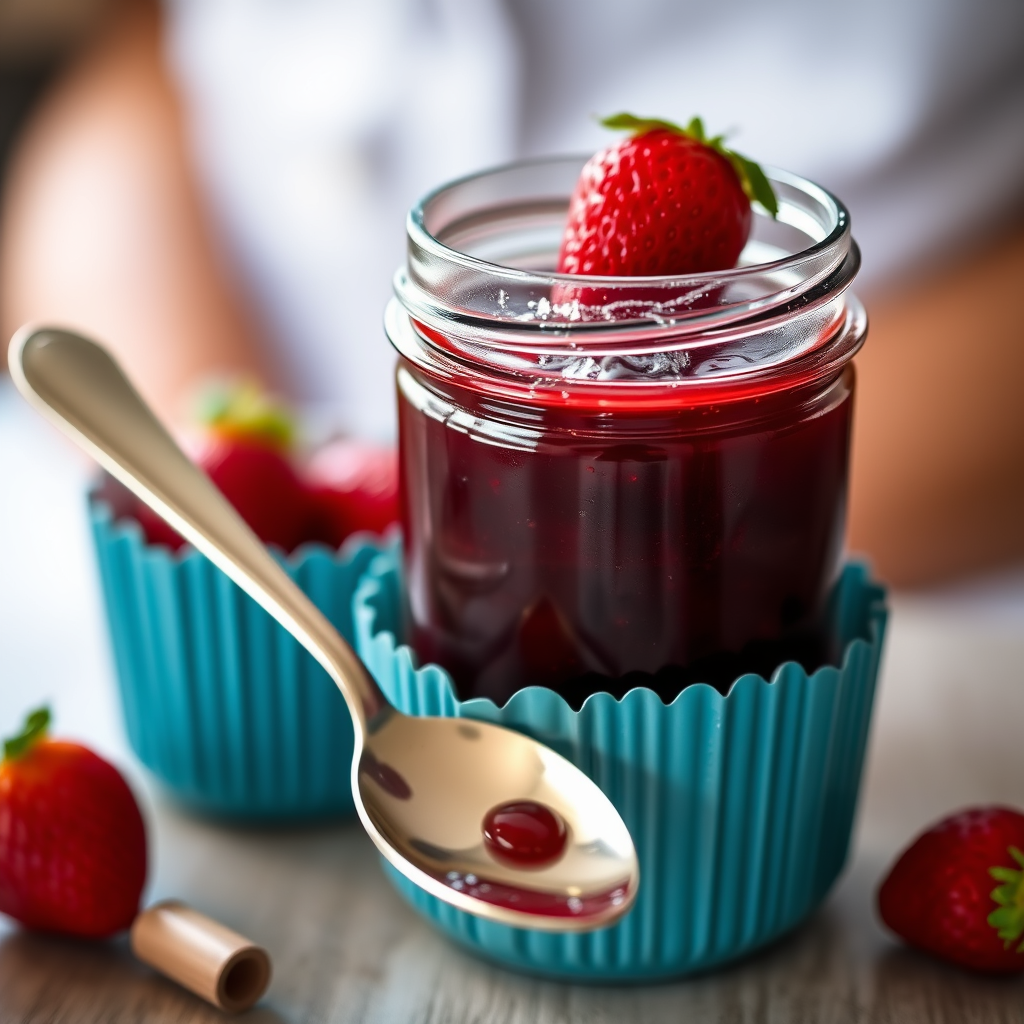
A common mistake involves inaccurate measurement of strawberries; using too few can result in a runny consistency, while too many may overwhelm the pectin’s gelling ability. Overcooking the jam beyond the recommended boiling time can yield a tough texture and burnt flavor, compromising the final product. Not allowing the jam to rest before canning can lead to air bubbles forming, which may cause improper sealing and potential spoilage. Moreover, failing to properly sterilize jars increases the risk of introducing bacteria, heightening the chances of spoilage or foodborne illness.
Special Cases That Need a Different Approach
If you are using organic strawberries, keep in mind that they may contain less pectin, necessitating a modification in the amount of commercial pectin used to achieve the desired consistency. For those living at high altitudes (above 1,000 feet), adjustments in boiling time and sugar measurements may be required to ensure proper setting and preservation. If you prefer a lower sugar version, alternative pectin products designed specifically for low-sugar recipes can be utilized; however, follow the specific instructions for their use, as they will differ from standard pectin. In cases of dietary restrictions, consider substituting sugar with appropriate sugar alternatives specifically formulated for canning, while noting that results may vary.
When You Need a Professional
If you are unsure about your ability to safely can the jam—especially if you have underlying health issues that may complicate food preservation—consult a food preservation expert or certified extension agent. In the event of unexpected spoilage signs after canning, such as bulging lids or off smells, seek guidance from a food safety specialist before consuming or discarding the product. If you frequently struggle to achieve the desired jam consistency despite following this guide, consider reaching out to a professional for troubleshooting and tailored advice. For large-scale production or commercial purposes, it is advisable to consult a food scientist or preservation expert to ensure compliance with safety standards and regulations.
Sources and Further Reading
– USDA Complete Guide to Home Canning: Offers comprehensive information on canning techniques, safety measures, and recipes, including pectin use.
– Ball Blue Book of Preserving: A trusted resource for reliable recipes and preservation methods, focusing on home canning practices.
– National Center for Home Food Preservation: Provides research-based information on food preservation techniques, including the use of pectin in jam making.
– Local Cooperative Extension Services: Many universities have extension programs that offer guidance on food safety and preservation, tailored to specific regional conditions.
Frequently Asked Questions
What ingredients do I need for a strawberry jam recipe with pectin?
To make strawberry jam with pectin, you’ll need fresh strawberries, granulated sugar, and pectin (either powdered or liquid). It’s also helpful to have lemon juice on hand to enhance flavor and help preserve the jam. Make sure to use ripe strawberries for the best taste and texture.
How do I properly prepare strawberries for making jam with pectin?
Start by washing the strawberries thoroughly under cold water. Remove the green tops and hulls, then chop or mash the berries to your desired consistency. For a smoother jam, mash the strawberries with a potato masher or fork, while leaving some chunks for texture if preferred.
Why is pectin necessary in strawberry jam recipes?
Pectin is a natural thickening agent that helps the jam set properly, giving it a spreadable consistency. Without pectin, the jam may remain runny and not achieve the desired thickness. Using pectin ensures a reliable and successful jam-making process, especially for beginners.
What is the best method for sealing jars when making strawberry jam with pectin?
The best method for sealing jars when making strawberry jam is to use the water bath canning technique. After filling sterilized jars with hot jam, wipe the rims clean, place the lids on, and process in a boiling water bath for about 5-10 minutes. This method creates a vacuum seal that preserves the jam for long-term storage.
Which pectin should I use for strawberry jam: liquid or powdered?
Both liquid and powdered pectin can be used for strawberry jam, but they require different preparation methods. Liquid pectin is typically added towards the end of cooking, while powdered pectin is mixed with the sugar before adding to the fruit. Choose based on your preference; just be sure to follow the specific instructions on the pectin package for best results.
References
- Fruit preserves
https://en.wikipedia.org/wiki/Jam - https://www.extension.purdue.edu/extmedia/FNR/FNR-192-W.pdf
https://www.extension.purdue.edu/extmedia/FNR/FNR-192-W.pdf - A pioneer exotic tree search for the Douglas-fir region. | US Forest Service Research and Develop…
https://www.fs.usda.gov/treesearch/pubs/25356 - https://www.nal.usda.gov/legacy/legacy/food-preservation-jams-and-jellies
https://www.nal.usda.gov/legacy/legacy/food-preservation-jams-and-jellies - Page not found
https://www.clemson.edu/extension/food/recipes/jams-jellies.html - Expert Resources | CAES Field Report
https://www.uga.edu/extension/publications/files/pdf/B%201107_2.PDF - Google Scholar Google Scholar
https://scholar.google.com/scholar?q=recipe+for+strawberry+jam+with+pectin - Google Scholar Google Scholar
https://scholar.google.com/scholar?q=strawberry+jams+pectin+preservation - Google Scholar Google Scholar
https://scholar.google.com/scholar?q=strawberry+jam+recipe+pectin+research - https://www.foodsafety.gov/food-safety-charts/jams-jellies-preservation
https://www.foodsafety.gov/food-safety-charts/jams-jellies-preservation