Mastering the art of safely making strawberry jam is essential for both novice and seasoned cooks seeking to preserve the vibrant taste of summer. This expert guide provides a step-by-step protocol that covers everything from selecting ripe strawberries to ensuring proper sterilization techniques, ensuring your homemade jam is both delicious and safe. By following these precise instructions, you not only enhance flavor but also prevent foodborne illnesses, making your culinary efforts rewarding and secure.
What This Guide Covers (And What It Doesn’t)
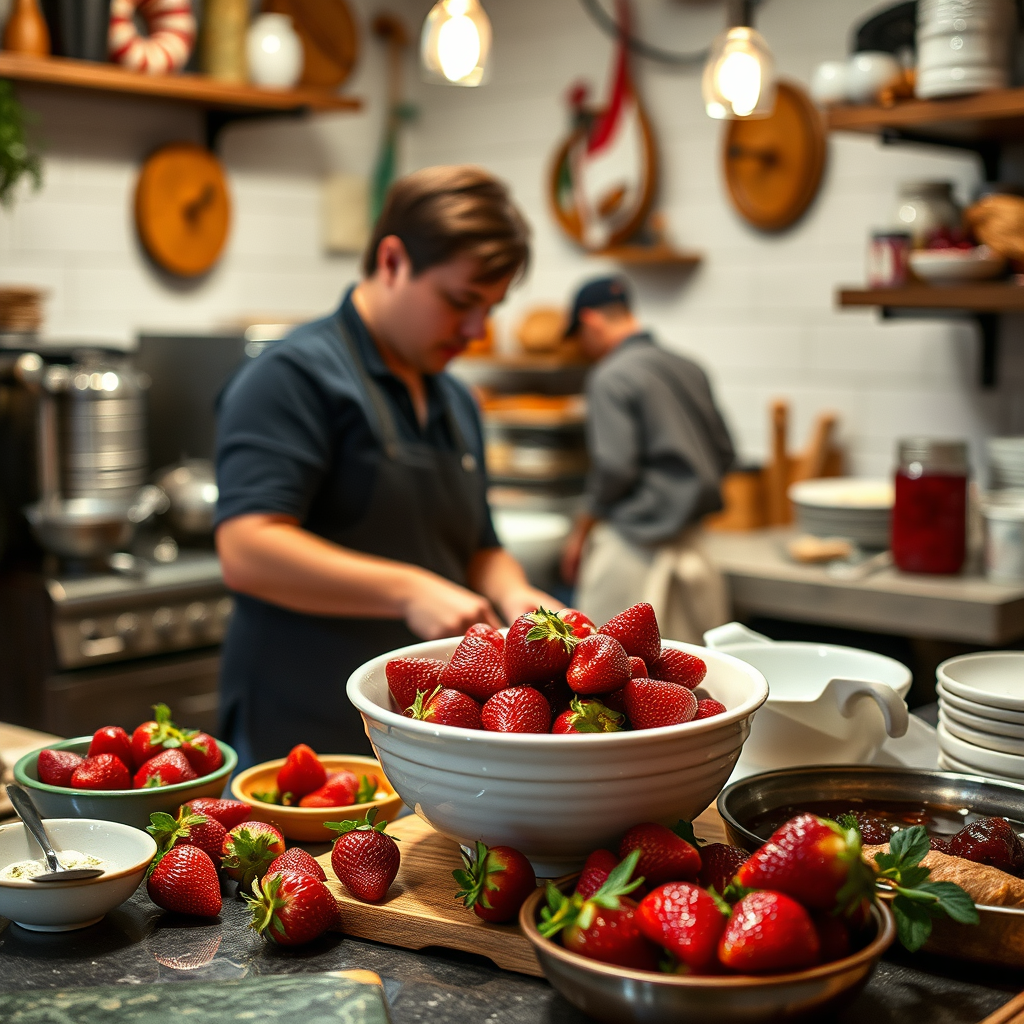
This guide offers a thorough exploration of safe and tested procedures for making strawberry jam, highlighting both traditional and low-sugar recipes. It includes precise measurements, cooking times, and canning methods to ensure food safety and quality. However, it does not address other fruit jams or preserves, nor does it delve into advanced canning techniques such as pressure canning or fermentation. This resource is designed for home cooks eager to make strawberry jam safely while excluding those looking for professional canning techniques or bulk production methods.
Who Should Read This
Targeted at beginner to intermediate home cooks, this guide is perfect for those with basic kitchen skills and a desire to preserve fruits. Readers should have a fundamental understanding of canning terminology, including “water bath canning,” “sterilization,” and “pH levels.” Individuals with dietary restrictions, such as those seeking low-sugar or pectin-free options, will find relevant alternatives within these pages. This resource is not intended for expert canners or food scientists seeking advanced preservation methods or detailed microbiological insights.
The Step-by-Step Protocol
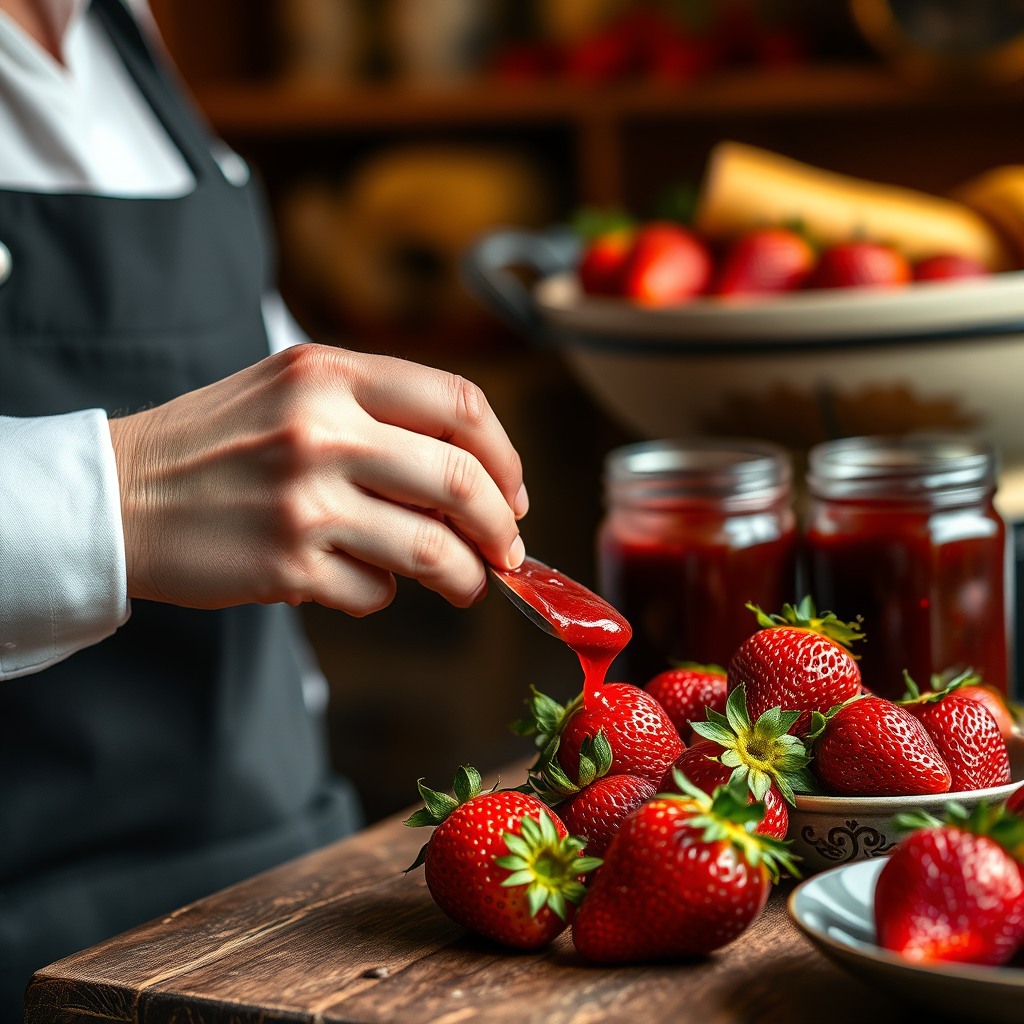
1. Gather Ingredients and Equipment: Begin by collecting 2 pounds of fresh strawberries, 1 to 2 cups of granulated sugar (adjust according to your sweetness preference), 1 tablespoon of lemon juice, and canning jars. Additionally, prepare a large pot, a ladle, a candy thermometer, and a boiling water canner.
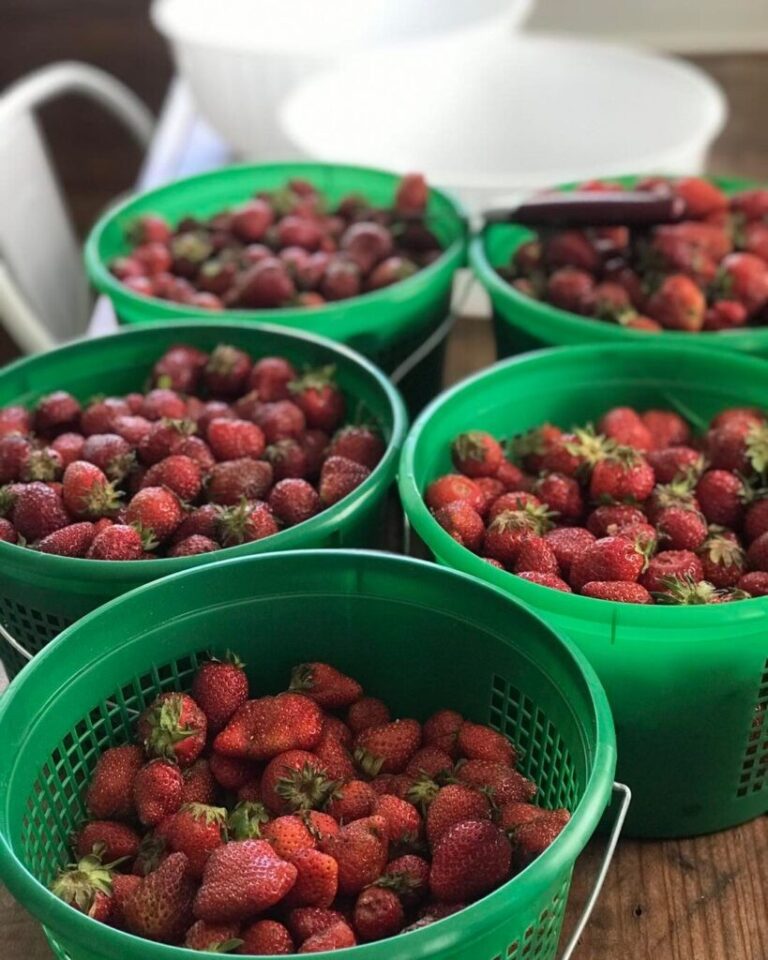
2. Prepare Strawberries: Thoroughly wash the strawberries under running water to eliminate dirt and pesticide residues. Remove the stems and slice the strawberries into quarters. Measure the sliced strawberries to ensure the correct quantity; this step is vital for achieving the desired consistency in your jam.
3. Cook the Jam: In a large pot, combine the prepared strawberries, sugar, and lemon juice. Heat the mixture over medium-high heat, stirring until the sugar fully dissolves. Once dissolved, bring the mixture to a rolling boil and maintain this boil for about 10 minutes, stirring frequently to prevent sticking.
4. Check Consistency: Use a candy thermometer to verify that the mixture reaches 220°F (104°C), the necessary temperature for proper gelling. Additionally, perform a spoon test by placing a small amount of jam on a cold plate and allowing it to cool for a minute. Run your finger through the jam; if it retains its shape and does not run back together, it’s ready for canning.
5. Canning Process: Sterilize your jars by boiling them in water for 10 minutes. Ensure the jars are hot when filled to prevent breakage. Fill each jar with hot jam, leaving a 1/4-inch headspace at the top. Wipe the rims clean with a damp cloth to remove any residue before sealing with sterilized lids.
6. Process the Jars: Place the filled jars into a boiling water bath canner, ensuring they are covered by at least an inch of water. Process the jars for 10 to 15 minutes (the time may vary based on altitude; see below for adjustments). This step is crucial to remove air bubbles and ensure a proper seal.
7. Cool and Store: After processing, carefully remove the jars from the water bath and place them on a clean towel or cooling rack. Allow them to cool completely, which may take several hours. Once cooled, check the seals by pressing the center of each lid; if it does not pop back, the jar has sealed correctly. Store the sealed jars in a cool, dark place for up to one year.
Warning Signs: When Not to Follow This
– If the strawberries exhibit signs of spoilage, such as mold, an off smell, or excessive softening, do not proceed with the recipe. Using spoiled fruit can lead to foodborne illnesses.
– Avoid making jam if you haven’t properly sterilized your jars and equipment. Contamination can compromise the preservation process, leading to spoilage.
– If your kitchen environment is not clean or if you are feeling unwell, it’s best to postpone making jam to prevent contamination.
– Do not use recipes that suggest outdated or unsafe canning methods, such as using a microwave or oven for sealing jars. Adhering to modern guidelines is essential for safety.
The Most Common Mistakes (And Their Consequences)
– Skipping the use of lemon juice can result in insufficient acidity in the jam, increasing the risk of botulism. Always measure accurately to ensure the correct balance of flavors and safety.
– Incorrectly measuring strawberries or sugar can alter the jam’s texture, potentially leading to a runny end product or overly sweet jam—neither of which is desirable.
– Neglecting to check the consistency with a thermometer may yield a jam that fails to set properly, resulting in syrup instead of a spreadable product. Always use a thermometer for precise results.
– Processing jars for an inadequate duration can lead to unsealed jars that spoil quickly. Always adhere to the recommended processing time to ensure a proper seal.
Special Cases That Need a Different Approach
– For low-sugar strawberry jam, use recipes that specify pectin designed for low-sugar options, and follow the manufacturer’s instructions carefully to ensure proper gelling despite the reduced sugar content.
– If using frozen strawberries, ensure they are completely thawed and drained to avoid excess water, which can affect the jam’s consistency and gelling ability.
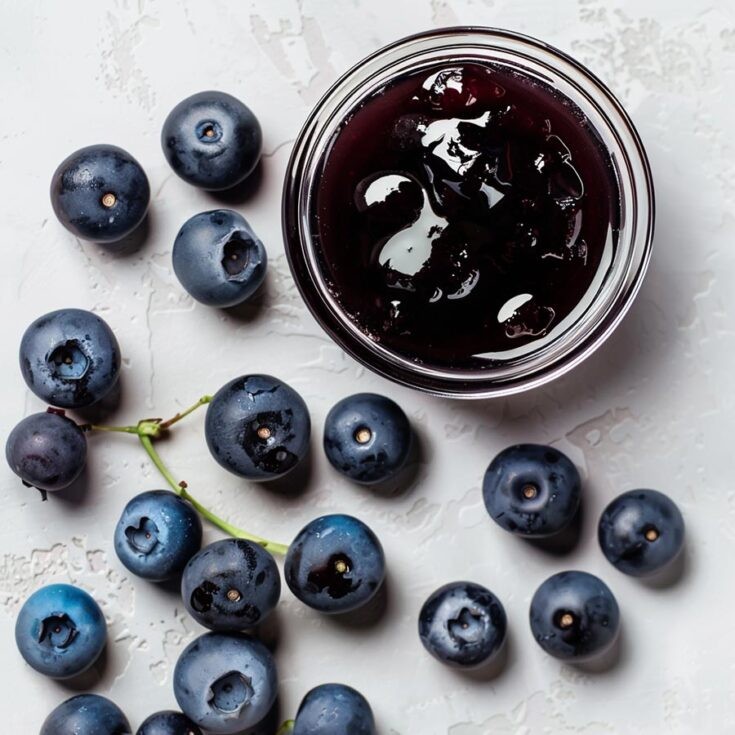
– For those with fruit allergies, consider substituting strawberries with an allergen-free fruit, such as blueberries, while following similar proportions and methods. This allows for safe and enjoyable alternatives.
– When canning at high altitudes, adjust your processing time accordingly. For instance, increase the processing time by one minute for every 1,000 feet above sea level. Refer to altitude adjustment charts specific to jam making.
When You Need a Professional
– If you have concerns about food safety, especially when preserving for a large event or making large batches, consult with a food preservation expert. Professional guidance can help ensure safety and quality.
– If you suspect your jam may have spoiled during the canning process, or if you notice any changes in color, smell, or texture after sealing, discard it immediately and consult a food safety professional.
– When using alternative sweeteners or preservatives (like sugar substitutes), seek guidance from a certified food scientist to ensure safety and quality, as not all substitutes behave the same way in jam making.
– If you plan to sell your homemade jam commercially, consult with local health departments to understand the regulatory requirements and safety standards. This ensures compliance with local laws and safety protocols.
Sources and Further Reading
– The National Center for Home Food Preservation: https://nchfp.uga.edu/ – A trusted source for safe canning and preserving techniques.
– USDA Complete Guide to Home Canning: This guide provides comprehensive methods for safe canning practices.
– “Food in Jars” by Marisa McClellan – A book dedicated to preserving techniques, featuring specific strawberry jam recipes.
– Local Cooperative Extension Services – Often have resources and classes related to food preservation and safety.
By following this comprehensive guide, you can safely create delicious strawberry jam that captures the essence of summer while adhering to essential food safety standards. Enjoy the rewarding process and the delightful results of your homemade jam.
Frequently Asked Questions
What are the best strawberries to use for homemade jam?
The best strawberries for homemade jam are those that are ripe, fresh, and sweet, such as Albion, Chandler, or Seascape varieties. Look for strawberries that are deep red in color, firm, and fragrant. Using high-quality strawberries will enhance the flavor and texture of your jam, resulting in a more delicious final product.
How do I make strawberry jam without pectin?
To make strawberry jam without pectin, start by mashing fresh strawberries in a saucepan and adding sugar. Cook the mixture over medium heat, stirring frequently until it reaches a rolling boil. Allow it to simmer for about 20-30 minutes until it thickens, then test for doneness by placing a small amount on a cold plate—if it gels, it’s ready to jar.
Why does my strawberry jam not set properly?
If your strawberry jam does not set properly, it could be due to insufficient cooking time, not enough sugar, or using unripe strawberries that lack natural pectin. To fix this, return the jam to the boil and add a bit more sugar or cook it longer to reach the desired consistency. Ensure you’re also using ripe strawberries, as they contain more natural pectin.
What is the best way to store homemade strawberry jam?
The best way to store homemade strawberry jam is to keep it in sterilized glass jars with airtight lids. Once cooled, store the jars in a cool, dark place, such as a pantry. If you plan to keep the jam for an extended period, refrigerate it after opening, where it can last for up to three weeks.
Which sugar is best for making strawberry jam?
The best sugar for making strawberry jam is granulated sugar because it dissolves easily and helps achieve the right sweetness and texture. You can also use alternatives like brown sugar for a richer flavor or natural sweeteners like honey or maple syrup, but these may slightly alter the jam’s consistency and taste.
References
- Fruit preserves
https://en.wikipedia.org/wiki/Jam - https://www.extension.purdue.edu/extmedia/FS/FS-17-W.pdf
https://www.extension.purdue.edu/extmedia/FS/FS-17-W.pdf - https://extension.umn.edu/preserving-and-preparing/strawberry-jam
https://extension.umn.edu/preserving-and-preparing/strawberry-jam - https://www.nutrition.gov/topics/food-safety/preserving-food/home-canning-jams-and-jellies
https://www.nutrition.gov/topics/food-safety/preserving-food/home-canning-jams-and-jellies - https://www.fs.usda.gov/treesearch/pubs/52582
https://www.fs.usda.gov/treesearch/pubs/52582 - Google Scholar Google Scholar
https://scholar.google.com/scholar?q=strawberry+jam+recipes - Google Scholar Google Scholar
https://scholar.google.com/scholar?q=making+strawberry+jam - Google Scholar Google Scholar
https://scholar.google.com/scholar?q=strawberry+preservation+methods - Strawberry jam recipe | Good Food
https://www.bbcgoodfood.com/recipes/strawberry-jam - https://www.cdc.gov/nutrition/resources-publications/food-safety.html
https://www.cdc.gov/nutrition/resources-publications/food-safety.html