Master the art of making strawberry jam with this complete expert guide, designed for both novices and seasoned preservers. This step-by-step protocol ensures your homemade jam is not only delicious but also safe, adhering to essential food safety standards. Following the right procedures is crucial to avoid spoilage and achieve the perfect balance of flavor and texture. Elevate your canning skills and enjoy the vibrant taste of summer all year round.
What This Guide Covers (And What It Doesn’t)
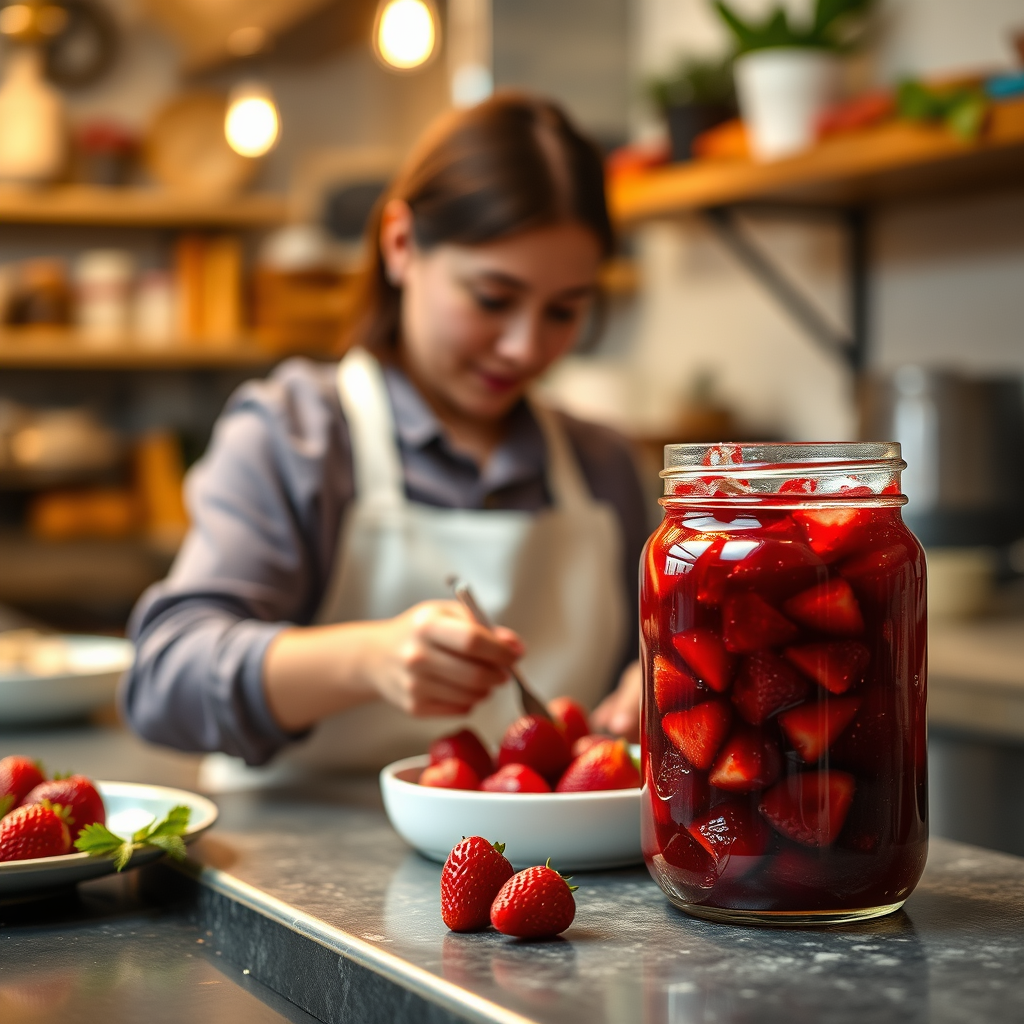
This guide is your go-to resource for crafting homemade strawberry jam, offering a detailed, step-by-step protocol that includes specific ingredient details, preparation techniques, and sterilization processes. You’ll discover the science behind jam-making, such as the role of pectin, optimal sugar ratios, and essential cooking times for safe preservation. Throughout, we emphasize crucial food safety practices related to canning. However, this guide does not explore alternative fruit preserves or canning methods beyond strawberry jam, nor does it include recipes that diverge from traditional techniques.
Who Should Read This
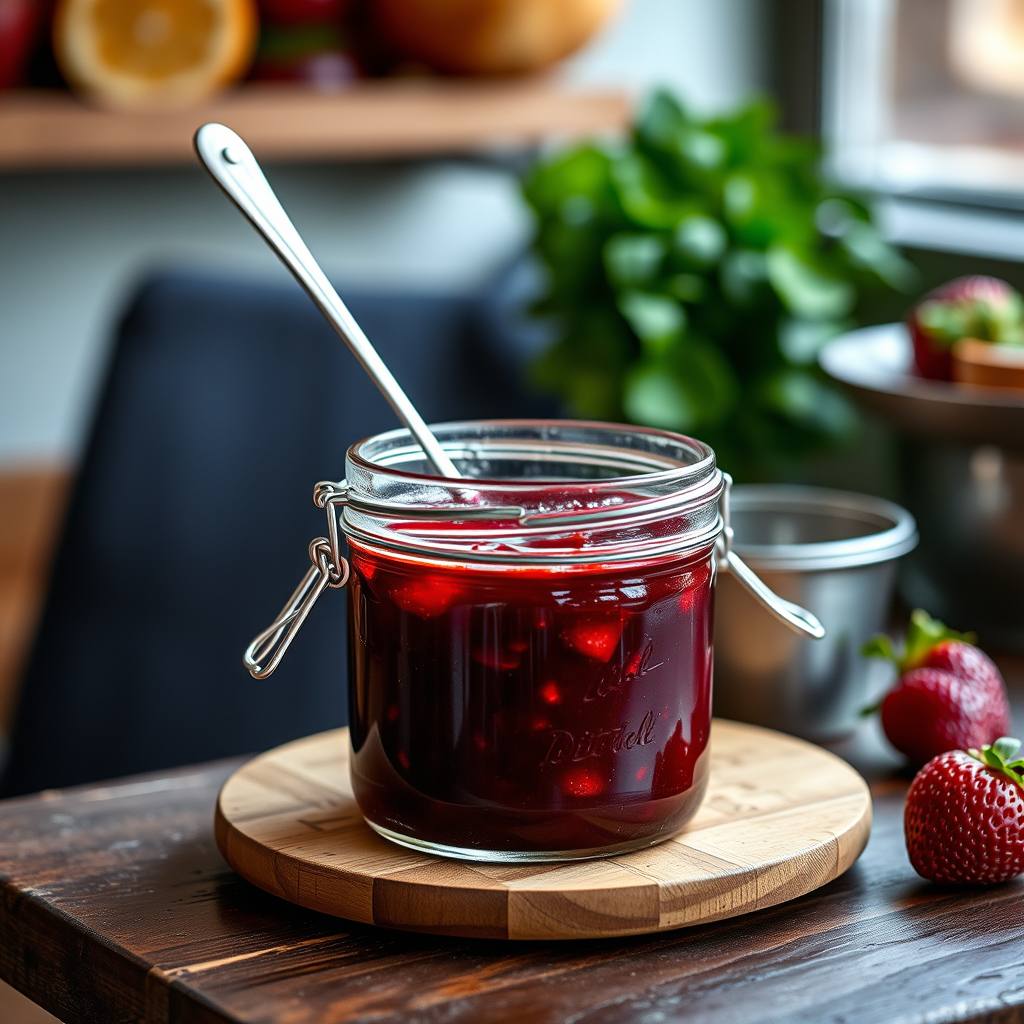
This guide caters to home cooks with basic kitchen skills eager to create their own strawberry jam, focusing on both safety and quality preservation. It is particularly suited for those familiar with canning processes but seeking detailed instructions to boost their confidence and refine their techniques. If you have dietary restrictions or allergies that necessitate special ingredients, we recommend consulting alternative resources, as our focus remains strictly on conventional strawberry jam recipes.
The Step-by-Step Protocol
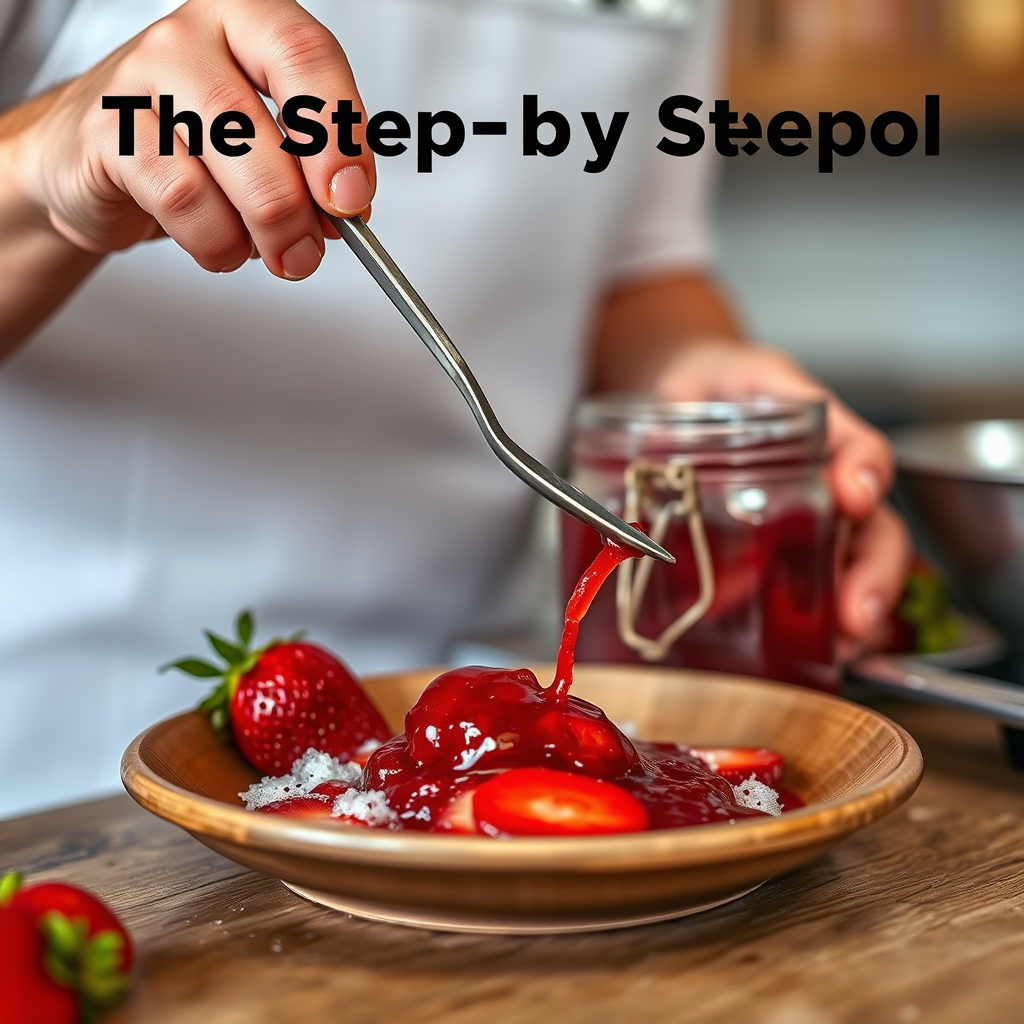
1. Gather Ingredients and Equipment: Assemble 2 pounds of fresh, ripe strawberries, 4 cups of granulated sugar, 1/4 cup of lemon juice, and 1 package (1.75 oz) of fruit pectin. Ensure you have sterilized canning jars, lids, and a water bath canner.
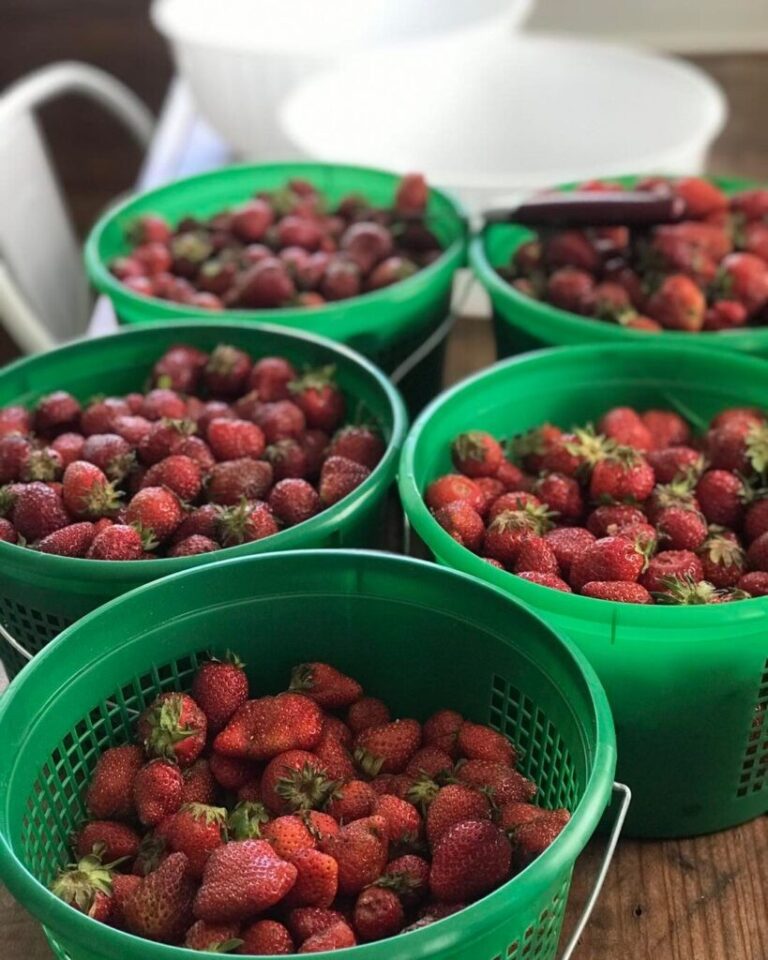
2. Prepare the Strawberries: Begin by washing the strawberries thoroughly under running water to eliminate any dirt or pesticides. Remove the stems and crush the strawberries using a potato masher until you have approximately 4 cups of crushed fruit.
3. Combine Ingredients: In a large, heavy-bottomed saucepan, combine the crushed strawberries, lemon juice, and pectin. Stir the mixture until the pectin is completely dissolved, ensuring even distribution throughout.
4. Cook the Mixture: Bring the mixture to a rolling boil over medium-high heat. Once boiling, add 4 cups of granulated sugar all at once. Stir continuously until the mixture returns to a full boil. Maintain this boil for precisely 1 minute to guarantee proper gelling and preservation.
5. Fill the Jars: Remove the saucepan from heat and skim off any foam that forms on the surface. Using a ladle, fill the sterilized jars with the hot jam, leaving about 1/4 inch of headspace at the top. Wipe the rims of the jars with a clean, damp cloth to remove any residue that could interfere with sealing.
6. Seal and Process: Place sterilized lids on the jars and screw on the rings until they are fingertip-tight. Process the jars in a boiling water bath canner for 10 minutes to ensure safe preservation. If necessary, adjust processing time for altitude.
7. Cool and Store: After processing, carefully remove the jars from the canner and place them on a clean towel or cooling rack. Allow the jars to cool completely, undisturbed, for 12 to 24 hours. Check the seals by pressing down in the center of each lid; it should not pop back. Store sealed jars in a cool, dark place.
Warning Signs: When Not to Follow This
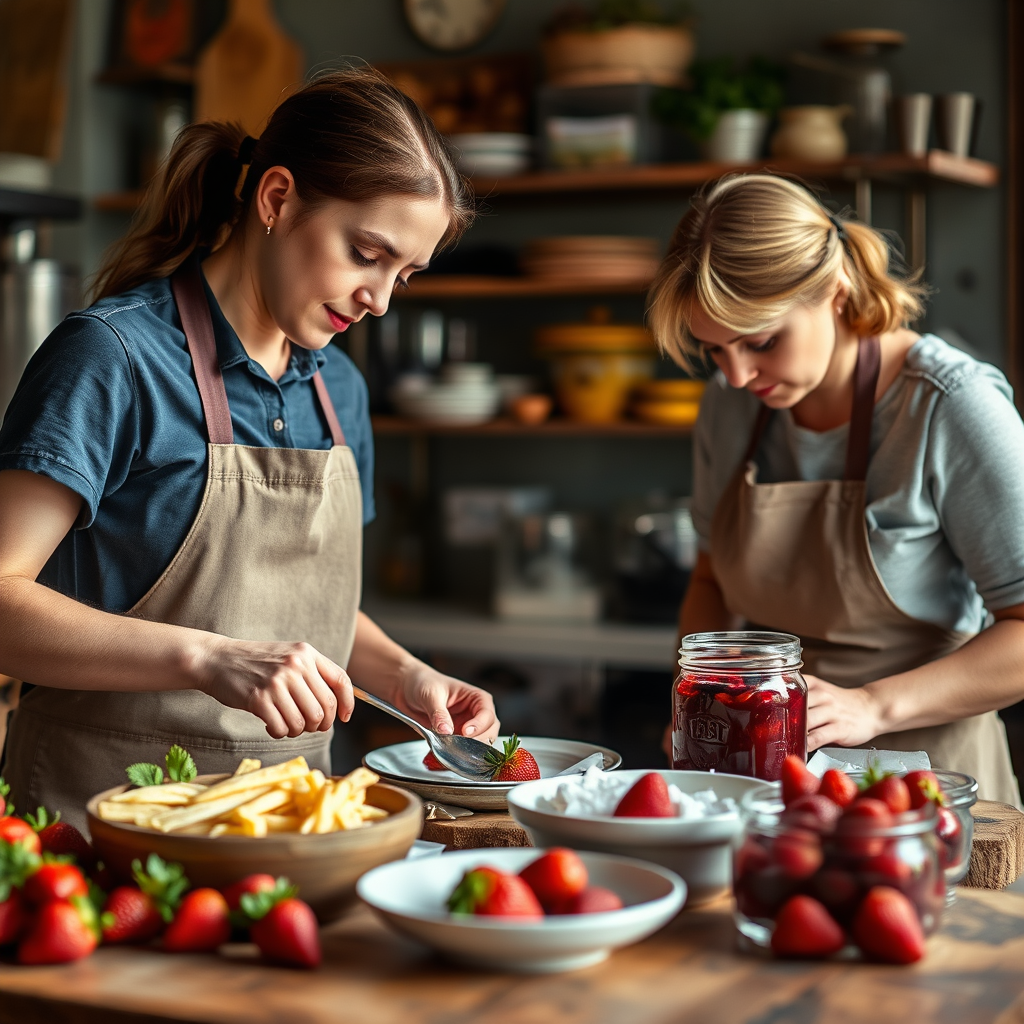
– If the strawberries are overripe, moldy, or showing signs of spoilage, they should not be used, as they can compromise the safety and flavor of your jam.
– Do not attempt to make strawberry jam without the proper tools, such as canning jars, lids, and a water bath canner, all of which are essential for safe preservation.
– Avoid following this protocol if your canning equipment has not been thoroughly cleaned and sterilized, as inadequate sanitation can lead to contamination and spoilage.
The Most Common Mistakes (And Their Consequences)
– Incorrect Pectin Use: Skipping the pectin or using an incorrect type can result in a jam that is too runny or fails to set properly, leading to an undesirable texture and potential spoilage.
– Inadequate Boiling Time: Not boiling the mixture long enough after adding sugar can result in overly sweet jam that is not properly preserved, increasing the risk of spoilage.
– Ignoring Air Bubbles: Failing to remove air bubbles when filling jars can create uneven sealing, which may lead to spoilage or contamination during storage.
Special Cases That Need a Different Approach
– Organic Strawberries: When using organic strawberries, consider adjusting sugar levels slightly due to their natural sweetness. Test the jam’s sweetness during cooking to avoid overpowering flavors.
– High Altitudes: For those living at high altitudes, adjustments in processing times and sugar ratios may be necessary. Consult altitude-specific canning resources to ensure successful preservation.
– Lower-Sugar Options: If you prefer a lower-sugar option, seek out recipes specifically formulated for low-sugar jams, as these may require different types of pectin and cooking methods.
When You Need a Professional
– If you notice any signs of spoilage, such as off-smells, bubbling, or discoloration in the jam after processing, discard the jam and consult a food safety expert for guidance.
– If you have health concerns or special dietary needs that may affect your ability to can safely, consider reaching out to a registered dietitian or food safety professional before attempting this recipe.
– In cases where you suspect a severe allergy to any ingredients used in the jam, consult an allergist for tailored advice on safe food preparation practices.
Sources and Further Reading
– USDA Complete Guide to Home Canning: Offers detailed instructions on safe canning practices, including strawberry jam recipes and preservation techniques.
– National Center for Home Food Preservation: A credible source for research-based information on food preservation and safe canning methods.
– “The Ball Book of Canning and Preserving”: A comprehensive guide featuring various jam recipes, including strawberry jam, with tips on technique and safety standards.
By adhering to this structured protocol and being mindful of potential pitfalls, you can confidently embark on the rewarding experience of making your own strawberry jam. Embrace the process and savor the delicious results!
Frequently Asked Questions
What ingredients do I need for a basic strawberry jam recipe?
To make a basic strawberry jam, you will need fresh strawberries, granulated sugar, and lemon juice. The strawberries should be ripe for the best flavor, while the sugar helps to preserve the jam and enhance its sweetness. Lemon juice is essential as it adds acidity, which helps in setting the jam and balancing the flavors.
How do I make strawberry jam without pectin?
To make strawberry jam without pectin, first, crush the strawberries in a large pot and combine them with sugar and lemon juice. Cook the mixture over medium heat, stirring frequently, until it reaches a rolling boil. Continue to boil until the jam thickens, usually about 20-30 minutes, then test for doneness by placing a spoonful on a cold plate and checking for a gel-like consistency.
Why is my strawberry jam not thickening?
If your strawberry jam is not thickening, it could be due to insufficient cooking time or not enough natural pectin in the fruit. Ensure that you boil the mixture long enough to evaporate excess water, and consider adding a little more lemon juice to help with the thickening process. If needed, you can also use a small amount of commercial pectin to achieve the desired consistency.
What is the best way to store homemade strawberry jam?
The best way to store homemade strawberry jam is to keep it in sterilized glass jars with tight-fitting lids. After sealing, store the jars in a cool, dark place for up to a year. Once opened, the jam should be refrigerated and consumed within a few weeks for optimal freshness and flavor.
Which strawberries are best for making jam?
The best strawberries for making jam are those that are fully ripe, sweet, and fragrant, such as June-bearing varieties. Look for strawberries that are deep red in color, plump, and free from blemishes. Avoid overly soft or mushy berries, as they may not provide the best flavor or texture for your strawberry jam.
References
- Fruit preserves
https://en.wikipedia.org/wiki/Jam - https://www.ncbi.nlm.nih.gov/pmc/articles/PMC7430704/
https://www.ncbi.nlm.nih.gov/pmc/articles/PMC7430704/ - https://www.foodsafety.gov/food-safety-charts/jam-jelly-safety
https://www.foodsafety.gov/food-safety-charts/jam-jelly-safety - https://www.extension.purdue.edu/extmedia/FS/FS-11-W.pdf
https://www.extension.purdue.edu/extmedia/FS/FS-11-W.pdf - https://www.uga.edu/extension/publications/epub/peanut-and-berry-jams-and-jellies-safety-guide.pdf
https://www.uga.edu/extension/publications/epub/peanut-and-berry-jams-and-jellies-safety-guide.pdf - Page not found
https://www.clemson.edu/extension/food_safety/food_preservation/jams_jellies.html - https://www.nal.usda.gov/sites/default/files/fnic_uploads/jam.pdf
https://www.nal.usda.gov/sites/default/files/fnic_uploads/jam.pdf - Google Scholar Google Scholar
https://scholar.google.com/scholar?q=strawberry+jam+recipe - Google Scholar Google Scholar
https://scholar.google.com/scholar?q=homemade+preserves - Google Scholar Google Scholar
https://scholar.google.com/scholar?q=fruit+preservation+techniques