This complete expert guide to safely making strawberry jam equips home cooks with precise, tested recipes and essential safety protocols for preserving this beloved fruit spread. Understanding the importance of proper sterilization and ingredient ratios is crucial for achieving the perfect blend of flavor and safety. Dive into expert techniques that ensure your homemade strawberry jam not only tastes exceptional but also stands the test of time.
What This Guide Covers (And What It Doesn’t)
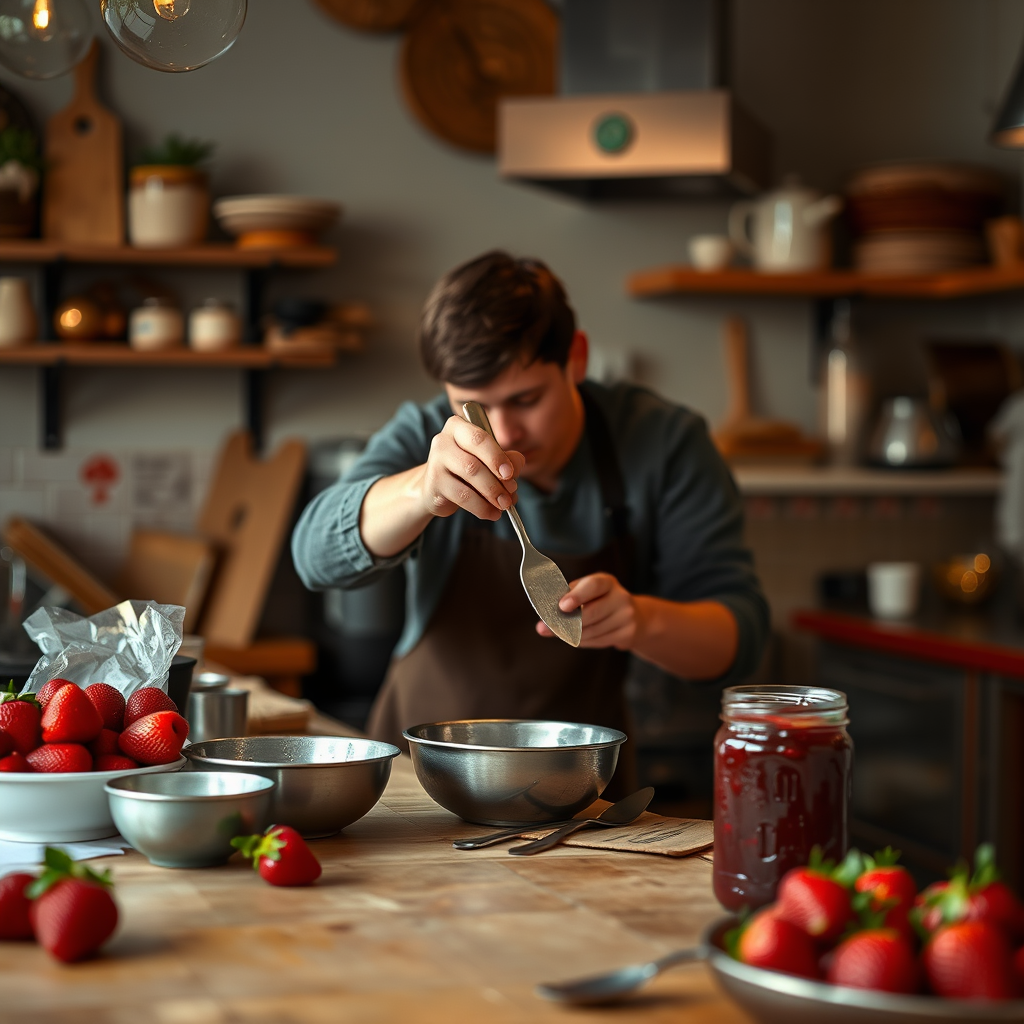
This guide offers a comprehensive, step-by-step recipe for crafting strawberry jam, highlighting precise measurements, cooking times, and essential safety tips for successful preservation. You will discover how to select the finest strawberries, the critical importance of sterilization, and the optimal method for boiling your jam to achieve the perfect consistency and flavor.
However, this guide does not delve into alternative fruit jams, other preservation techniques, or recipes that stray from the classic strawberry jam formula. It remains focused solely on the traditional process of making strawberry jam while adhering to safe canning practices.
Designed for home cooks of all skill levels, this guide emphasizes food safety during the canning process, providing practical troubleshooting advice and tips to enhance your jam-making technique.
Who Should Read This
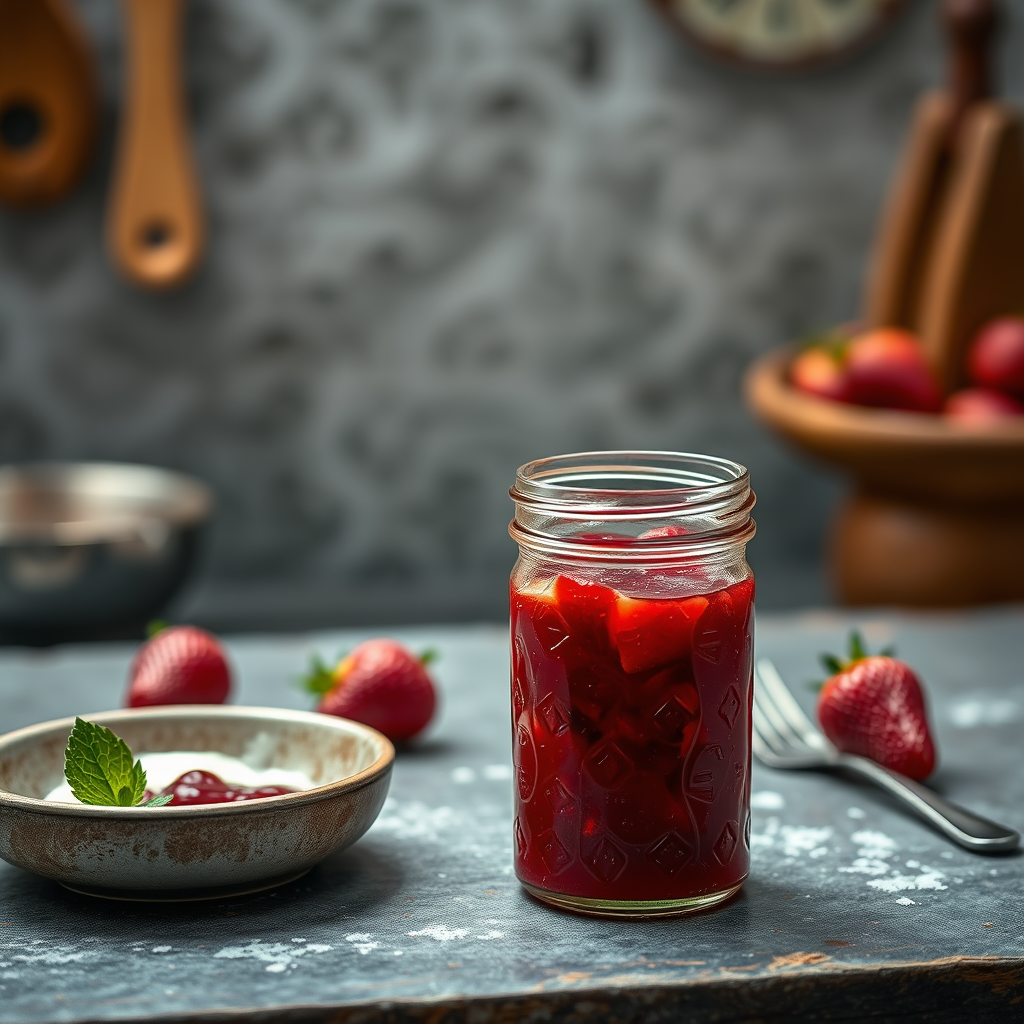
This guide is tailored for individuals with a basic understanding of cooking who may be new to canning and preserving, particularly when it comes to strawberry jam. It is especially useful for those eager to create homemade jam with an emphasis on quality and safety.
Readers should have access to essential kitchen equipment, including a large pot, canning jars, a food thermometer, and a boiling water canner, as these tools are vital for the preservation process. Additionally, this guide serves seasoned cooks seeking to refine their jam-making techniques and uphold the highest standards of food safety in their home canning practices.
The Step-by-Step Protocol
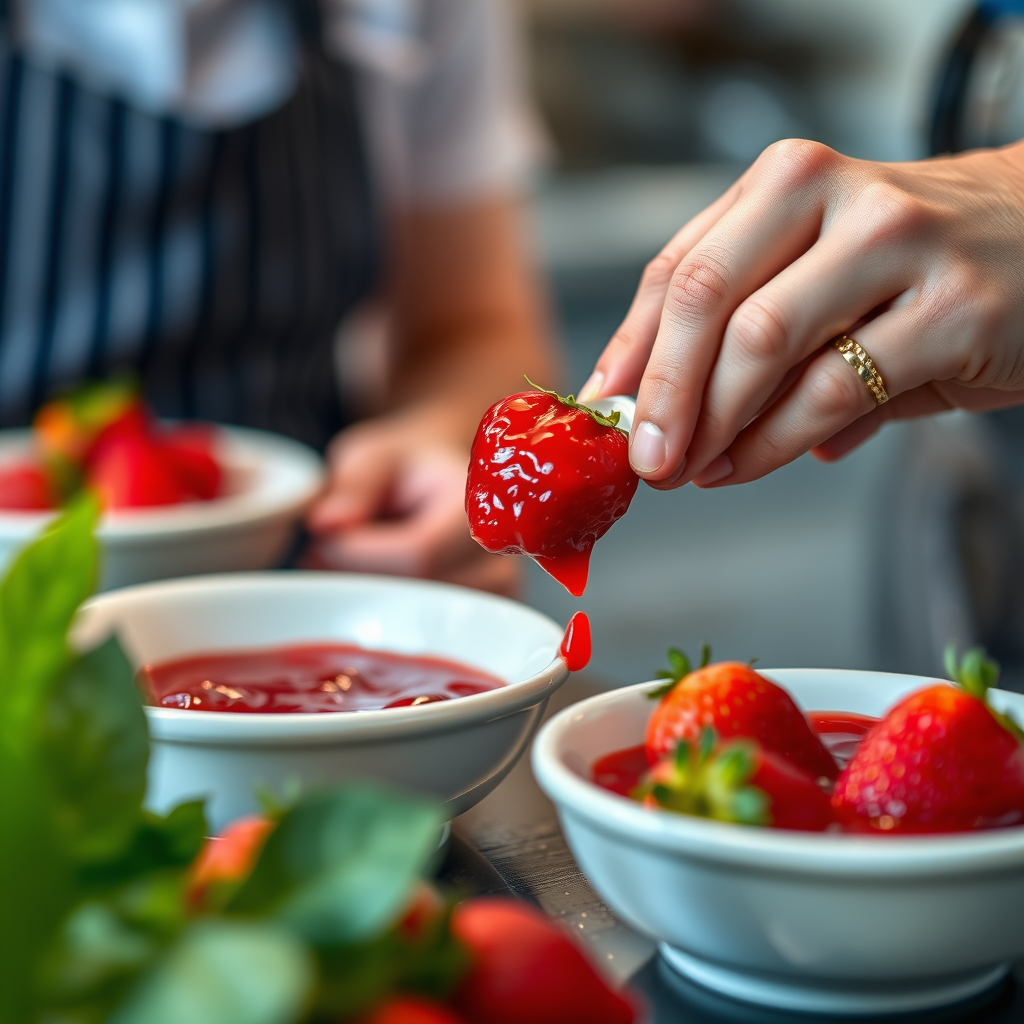
1. Gather Ingredients: Begin by collecting the necessary ingredients. You will need 2 pounds of fresh strawberries, 4 cups of granulated sugar, 1/4 cup of lemon juice (freshly squeezed is best), and 1 package (1.75 oz) of fruit pectin. Ensure all ingredients are within their expiration dates for optimal results.
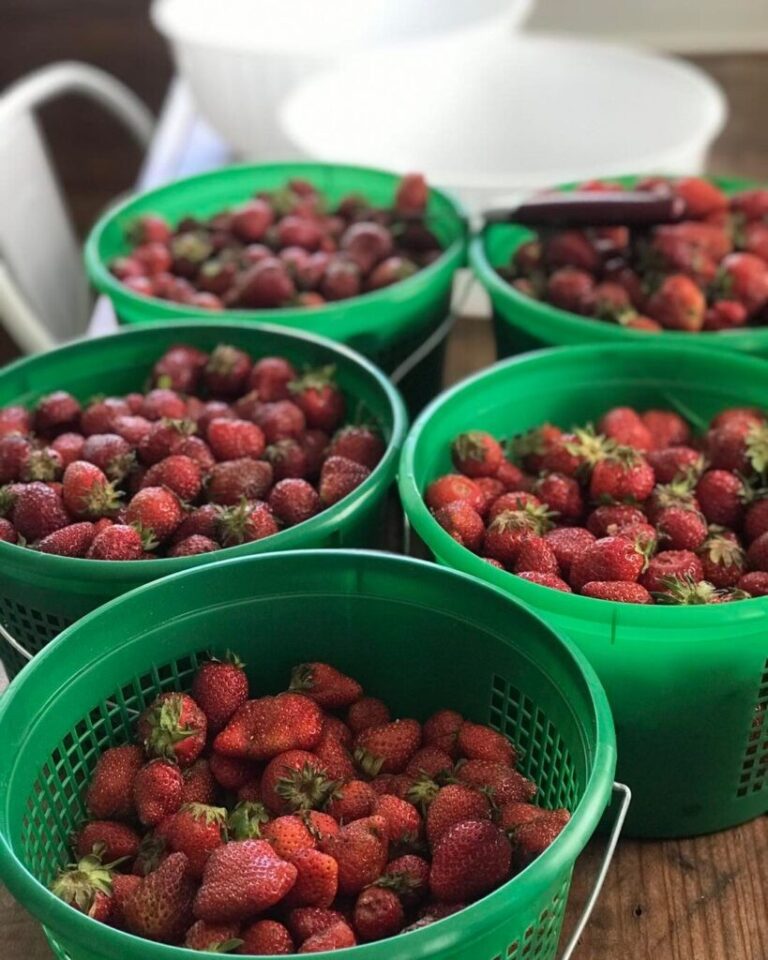
2. Prepare Strawberries: Rinse the strawberries thoroughly under cool running water to eliminate any dirt or pesticides. Hull the strawberries by removing the green tops and any blemishes. Use a potato masher to crush the strawberries until you have about 2 cups of crushed fruit. This crucial step releases the juices necessary for achieving proper jam consistency.
3. Cook the Mixture: In a large, heavy-bottomed pot, combine the crushed strawberries, lemon juice, and fruit pectin. Stir well to ensure the pectin is evenly distributed. Place the pot over medium-high heat and bring the mixture to a rolling boil, stirring continuously to prevent sticking or burning.
4. Add Sugar: Once the mixture reaches a rolling boil, add all 4 cups of granulated sugar at once. Stir vigorously until the sugar is completely dissolved. It is essential to do this quickly, as the mixture must return to a rolling boil. Boil the mixture for exactly 1 minute, then remove it from heat. Skim off any foam that forms on the surface, as this can affect the appearance and texture of the final product.
5. Fill Jars: Using a ladle, carefully fill your sterilized canning jars with the hot jam, leaving about 1/4 inch of headspace at the top. This space is necessary for the jam to expand during the cooling process.
6. Seal the Jars: Wipe the rims of the jars with a clean, damp cloth to remove any food residue. Place the sterilized lids on top of the jars and screw on the metal bands until they are fingertip-tight. Avoid overtightening, as this can interfere with the sealing process.
7. Process the Jars: Place the filled jars in a boiling water canner. Ensure that the jars are covered with at least 1 inch of water above the tops. Bring the water to a gentle boil and process the jars for 10 minutes. For high altitudes above 1,000 feet, you may need to adjust processing times; refer to your local canning guidelines for specifics.
8. Cool and Store: Carefully remove the jars from the canner using jar lifters and place them on a clean towel or cooling rack. Allow them to cool completely at room temperature for 12 to 24 hours. After cooling, check the seals by pressing down in the center of each lid. If it pops back, the jar did not seal properly and should be refrigerated immediately. Store sealed jars in a cool, dark place. Properly sealed strawberry jam can be stored for up to one year.
Warning Signs: When Not to Follow This
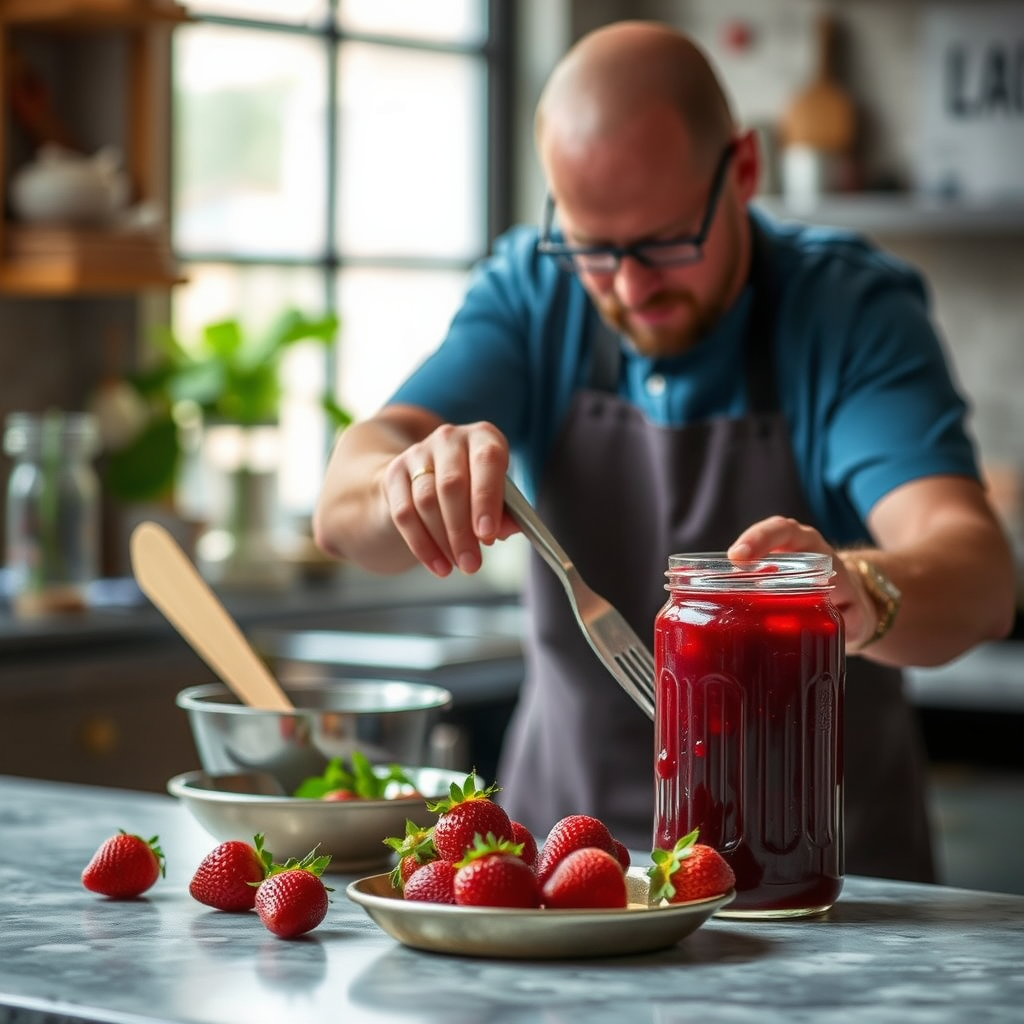
– Avoid making strawberry jam if the strawberries show signs of mold or rot; use only fresh, firm fruit to ensure safety and quality.
– Do not proceed if you lack proper canning equipment, such as sterilized jars and a boiling water canner, as this can compromise food safety.
– If you or anyone consuming the jam has a known allergy to any of the ingredients (like pectin or sugar), do not use this recipe without consulting an allergist.
The Most Common Mistakes (And Their Consequences)
– Overcooking the jam can lead to a thick, rubbery texture instead of the desired spreadable consistency; always adhere to the exact boiling time of 1 minute after adding sugar.
– Not using a precise measurement of pectin can result in jam that fails to set; ensure you follow the package instructions strictly.
– Using unsterilized jars can lead to bacterial growth, compromising the jam’s safety; always sterilize jars in boiling water before filling them.
– Rushing the cooling process can cause improper sealing; allow jars to cool completely to achieve an airtight seal.
Special Cases That Need a Different Approach
– If you wish to reduce sugar content, consider using a low-sugar pectin formulated for reduced-sugar recipes and adjust sugar quantities accordingly. Always refer to the specific instructions on the pectin package for best results.
– For those living at high altitudes (above 1,000 feet), adjustments in boiling times and sugar ratios may be necessary; consult local canning guidelines for specifics.
– If using frozen strawberries, ensure they are thawed completely and drained of excess liquid before following the recipe to maintain the correct consistency.
When You Need a Professional
– If you encounter issues with the jam not setting after following the recipe, consult a food preservation expert to troubleshoot potential problems.
– Should you experience any signs of spoilage (e.g., off smells, bubbling in sealed jars, or lid bulging), it is crucial to discard the jam and seek advice from a food safety professional.
– If you have underlying health conditions or dietary restrictions that could affect your ability to safely consume homemade jams, consult with a nutritionist or dietitian.
Sources and Further Reading
– USDA Complete Guide to Home Canning, which provides comprehensive information on safe canning practices and techniques.
– The National Center for Home Food Preservation, offering guidelines on fruit preservation and jam-making.
– “The Ball Book of Canning and Preserving,” a reputable source for tested recipes and canning techniques, including strawberry jam.
By following this guide, you can confidently prepare delicious homemade strawberry jam while ensuring safe canning practices. Enjoy your culinary endeavor!
Frequently Asked Questions
What ingredients do I need for a basic strawberry jam recipe?
To make a basic strawberry jam, you will need fresh strawberries, granulated sugar, and lemon juice. Typically, the ratio is about 2 cups of crushed strawberries to 1 cup of sugar and 1 tablespoon of lemon juice, which helps balance the sweetness and enhances the flavor.
How do I properly prepare strawberries for making jam?
To prepare strawberries for jam, start by washing them thoroughly under cold water. Remove the green tops and cut the strawberries into small pieces or mash them with a fork or potato masher to your desired consistency. This step ensures that the fruit releases its juices during cooking, leading to a rich and flavorful jam.
Why is lemon juice important in strawberry jam recipes?
Lemon juice is crucial in strawberry jam recipes as it not only adds a tangy flavor but also helps to gel the jam properly. The acidity from the lemon juice enhances the natural pectin in strawberries, which contributes to the jam’s texture and ensures it sets correctly.
What is the best method for canning strawberry jam at home?
The best method for canning strawberry jam at home involves sterilizing your jars and lids, filling them with hot jam, and then processing them in a boiling water bath for about 10 minutes. This ensures that the jam is sealed properly and can be stored safely for several months while preserving its fresh strawberry flavor.
Which type of sugar is best for making strawberry jam?
For making strawberry jam, granulated sugar is typically the best choice as it dissolves easily and helps achieve the desired sweetness and consistency. However, you can also use alternatives like cane sugar or even low-sugar pectin products if you prefer a healthier version while still maintaining great flavor.
References
- Fruit preserves
https://en.wikipedia.org/wiki/Jam - https://www.uga.edu/extension/publications/PNW-12.pdf
https://www.uga.edu/extension/publications/PNW-12.pdf - https://extension.psu.edu/strawberry-jam
https://extension.psu.edu/strawberry-jam - https://www.fda.gov/food/food-safety-modernization-act-fsma/food-safety-tips-jams-jellies
https://www.fda.gov/food/food-safety-modernization-act-fsma/food-safety-tips-jams-jellies - https://www.nal.usda.gov/legacy/fnic/food-safety-guide-home-canning-jams-jellies
https://www.nal.usda.gov/legacy/fnic/food-safety-guide-home-canning-jams-jellies - Google Scholar Google Scholar
https://scholar.google.com/scholar?q=recipe+for+strawberry+jam - Google Scholar Google Scholar
https://scholar.google.com/scholar?q=strawberry+jam+preservation - https://www.ncbi.nlm.nih.gov/pmc/articles/PMC6332324/
https://www.ncbi.nlm.nih.gov/pmc/articles/PMC6332324/ - https://www.sciencedirect.com/topics/food-science/strawberry-jam
https://www.sciencedirect.com/topics/food-science/strawberry-jam - Jam | food | Britannica
https://www.britannica.com/topic/jam-food