Master the art of making strawberry freezer jam with this comprehensive expert guide, designed for home preservers seeking to harness the fresh flavor of strawberries year-round. This guide details safe, step-by-step procedures and essential tips to ensure your jam is not only delicious but also preserves its quality and safety. Adhering to proven methods is crucial for maximizing taste and preventing spoilage, making this resource invaluable for both novice and experienced jam makers.
What This Guide Covers (And What It Doesn’t)
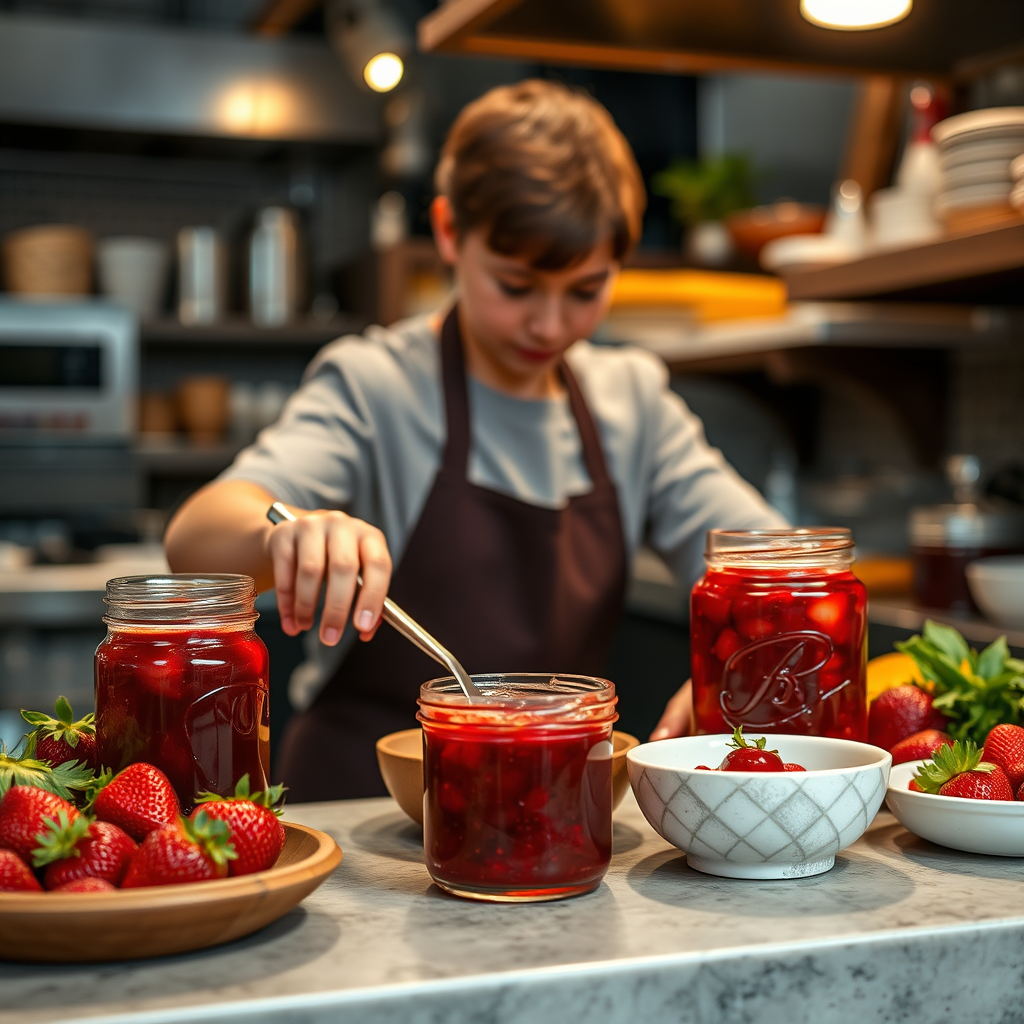
This guide offers detailed instructions for making strawberry freezer jam, highlighting the necessary ingredients, equipment, and safety protocols. By focusing exclusively on recipes that utilize fresh strawberries, it ensures that you achieve optimal flavor and texture in your final product. The information is organized to provide both beginners and seasoned preservers with clear, actionable steps for successful jam-making. However, it does not encompass other types of jam or preserves, nor does it address heat-processing canning methods.
Who Should Read This

This guide is designed for home cooks eager to master the art of making strawberry freezer jam, particularly those interested in no-cook preservation methods. Readers should possess a basic understanding of food safety and hygiene practices, such as properly washing fruits and sanitizing utensils. This resource is ideal for individuals seeking quick and easy recipes that can be completed in under an hour, making it perfect for those with limited time or experience. Conversely, this guide is not suitable for anyone searching for advanced canning techniques or recipes for shelf-stable jam that require water-bath processing.
The Step-by-Step Protocol

1. Gather Ingredients and Equipment
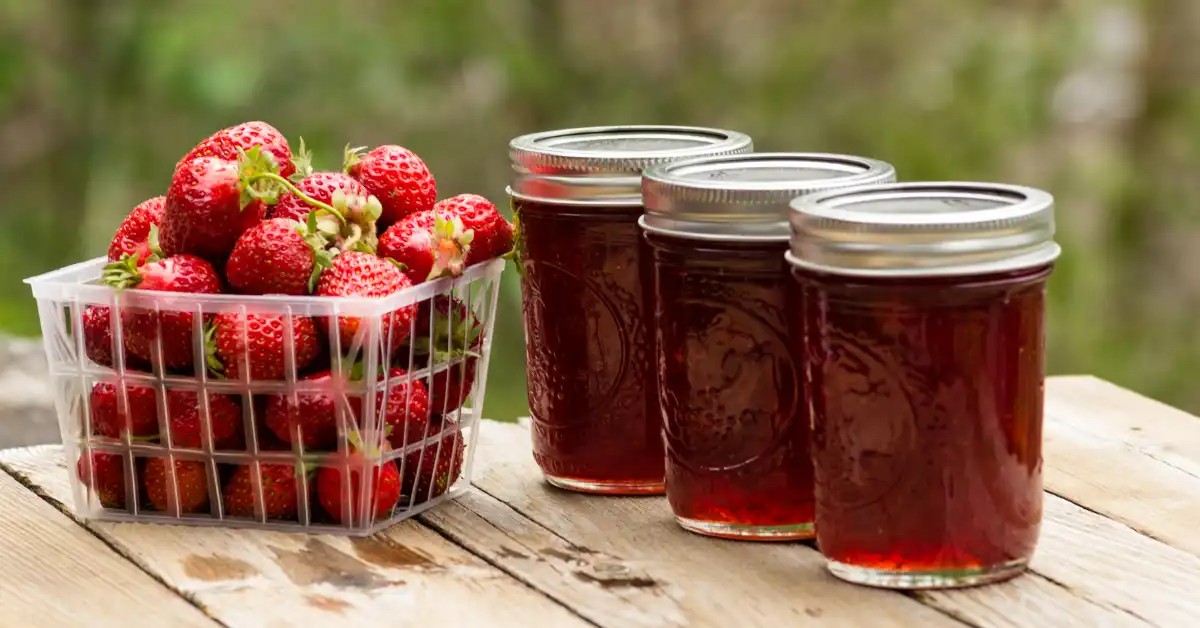
Collect 2 quarts of fresh strawberries, 1 ¾ cups of granulated sugar, and 1 package (1.75 oz) of fruit pectin (such as Sure-Jell). Ensure you have clean, freezer-safe containers ready for storing the jam.
2. Prepare the Strawberries
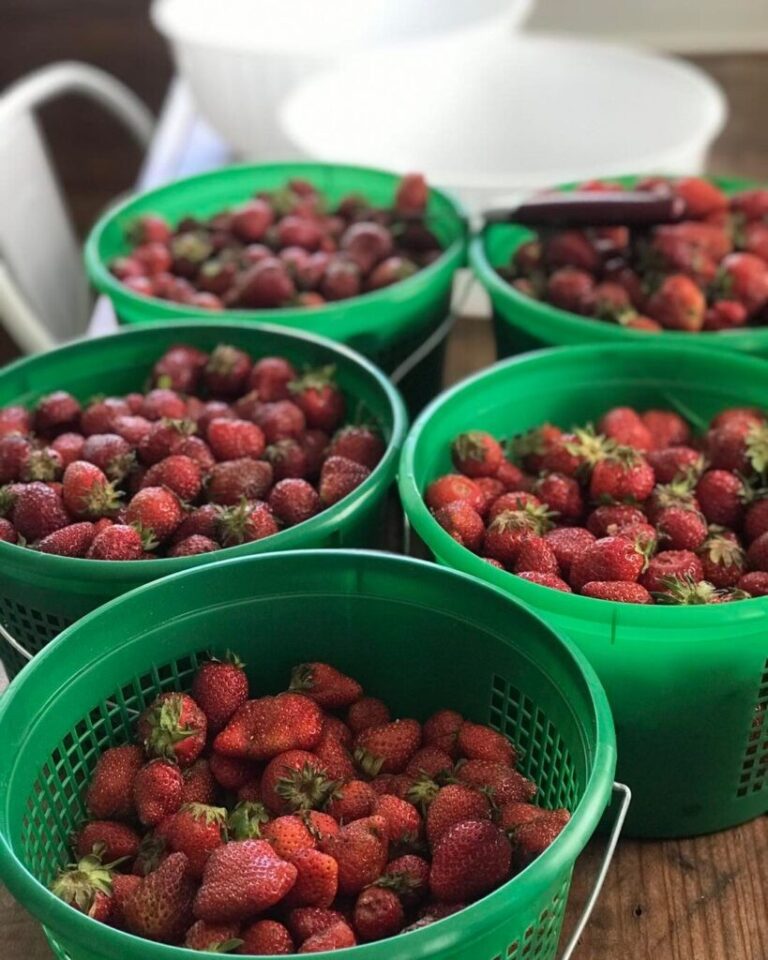
Wash the strawberries thoroughly under cool running water. Remove the stems and any spoiled fruit. Mash the berries in a large bowl until you have approximately 4 cups of mashed strawberries. You can use a potato masher or food processor, but be careful not to over-process to maintain some texture.
3. Combine Strawberries and Sugar
In a separate bowl, mix the mashed strawberries with the granulated sugar. Let the mixture sit for 10 minutes. This step is crucial as it allows the sugar to draw out the juices from the strawberries, enhancing both flavor and texture.
4. Prepare the Pectin
Follow the package instructions for the pectin. Typically, this involves boiling ¾ cup of water and dissolving the pectin in it. Allow the mixture to cool slightly before adding it to the strawberry and sugar blend.
5. Mix Thoroughly
Stir the pectin mixture into the strawberry and sugar blend for 2-3 minutes until everything is well combined. Ensure that the sugar has completely dissolved to avoid a gritty texture in the final product.
6. Fill Containers
Pour the mixture into clean, freezer-safe containers, leaving about ½ inch of headspace for expansion during freezing. Seal the containers tightly to prevent freezer burn.
7. Label and Store
Label each container with the date and place them in the freezer. The freezer jam can be stored for up to one year; thaw as needed for immediate use.
Nutritional Comparison of Strawberry Freezer Jam (Per 1 Tablespoon)
| # | Nutrient | Amount | Daily Value % | Calories |
|---|---|---|---|---|
| 1 | Total Sugars | 11g | 22% | 50 |
| 2 | Total Carbohydrates | 14g | 5% | 60 |
| 3 | Vitamin C | 0mg | 0% | 20 |
| 4 | Fat | 0g | 0% | 0 |
| 5 | Protein | 0g | 0% | 0 |
| 6 | Sodium | 0mg | 0% | 0 |
| 7 | Calcium | 0mg | 0% | 0 |
| 8 | Iron | 0mg | 0% | 0 |
| 9 | Vitamin A | 0IU | 0% | 10 |
| 10 | Dietary Fiber | 0g | 0% | 0 |
Warning Signs: When Not to Follow This

Be cautious if the strawberries exhibit any signs of mold, bruising, or spoilage, as these can compromise the safety and quality of your jam. Additionally, avoid making freezer jam if you haven’t fully read the instructions; inaccuracies in ingredient measurements can lead to undesirable texture and flavor outcomes. If you notice any separation of liquids or unusual odors after mixing the ingredients, discard the mixture immediately — these are clear indicators of spoilage. Lastly, do not attempt this recipe without access to proper freezer storage containers; using non-freezer-safe items could result in leaks or breakage.
The Most Common Mistakes (And Their Consequences)
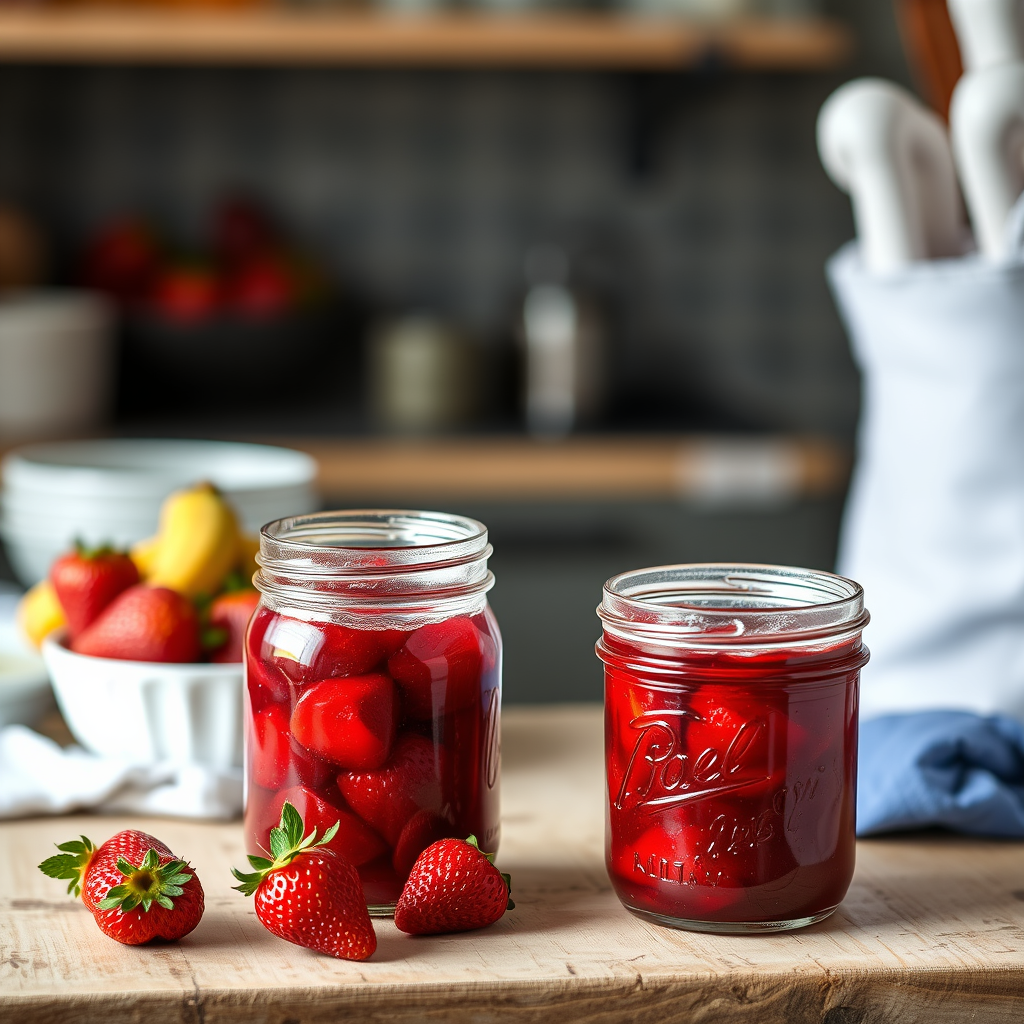
Many home cooks underestimate the importance of mashing strawberries correctly; failing to achieve 4 cups can lead to a runny consistency in the final jam. Furthermore, not allowing the sugar to sit with the strawberries for the full 10 minutes prevents proper flavor development, often resulting in a jam that is overly sweet or lacks depth. Using old or expired pectin can also lead to poor gelling, causing the jam to be too runny and fail to set properly. Skipping the labeling process often results in confusion later; thawed jam may not be consumed in a timely manner if the freezing date is unknown.
Special Cases That Need a Different Approach
For individuals with dietary restrictions, such as diabetes, a low-sugar pectin can be used, which will require adjustments in sugar amounts and the method of preparation. If you opt for organic strawberries, ensure they are thoroughly washed and consider using organic pectin to avoid any chemical additives that may be present in conventional products. Those residing in high-altitude areas may need to adjust the sugar and pectin ratios, as different boiling points and atmospheric pressures can affect the gelling process. If you’re making a larger or smaller batch, maintain the ratio of 1 part pectin to 2 parts fruit and 1 part sugar to ensure consistency in texture and flavor.
When You Need a Professional
If you have a medical condition that affects your immune system, such as diabetes or other health concerns, it’s wise to consult with a healthcare professional before consuming homemade preserves. Should you suspect a foodborne illness after consuming homemade jam, seek medical attention immediately and report the incident to local food safety authorities. If uncertainty arises regarding the safety of your fruit or ingredients, or if you have questions about food preservation techniques, reaching out to a food science expert or local extension service is advisable. Engaging a professional is also recommended if you plan to scale up production for sale, as this requires adherence to additional food safety regulations and preservation guidelines.
Sources and Further Reading
– USDA Complete Guide to Home Canning: A comprehensive resource for food preservation techniques, including freezing and jam-making.
– National Center for Home Food Preservation: A trusted source for up-to-date information on safe food preservation methods.
– “The Ball Book of Canning and Preserving”: A detailed guide that includes various jam recipes and preservation tips tailored for home canners.
– Local Cooperative Extension Services: These can provide region-specific guidance and resources for safe food preservation practices, including strawberry freezer jam recipes.
Frequently Asked Questions
What is the best recipe for strawberry freezer jam?
The best recipe for strawberry freezer jam typically includes fresh strawberries, sugar, and pectin. Start by mashing 2 cups of hulled strawberries, then mix in 1 ½ cups of sugar and let it sit for 10 minutes. Finally, stir in ½ cup of liquid pectin, pour into containers, and freeze for up to a year for delicious homemade jam.
How do I make strawberry freezer jam without pectin?
To make strawberry freezer jam without pectin, you can use a natural thickening agent like chia seeds or simply rely on the natural sugars and pectin found in the fruit. Mash 2 cups of fresh strawberries and mix with 1 cup of sugar, then let it sit for 30 minutes to release juices. After that, stir in 2 tablespoons of chia seeds and let the mixture sit for another 30 minutes until it thickens before freezing.
Why is my strawberry freezer jam not setting properly?
If your strawberry freezer jam is not setting, it may be due to insufficient sugar or not using enough pectin. Ensure you follow the recipe proportions closely, as the sugar helps to gel the jam. Additionally, make sure to let the mixture sit for the recommended time to allow for proper thickening.
Which strawberries are best for making freezer jam?
The best strawberries for making freezer jam are ripe, fresh, and sweet berries. Look for strawberries that are bright red with no bruises or soft spots, as these will provide the best flavor and natural sweetness, ensuring a delicious final product. Local, in-season strawberries tend to yield the best results.
How long does strawberry freezer jam last in the freezer?
Strawberry freezer jam can last up to one year in the freezer when stored in airtight containers. However, for the best taste and quality, it’s recommended to consume it within 6-8 months. Always label your containers with the date to keep track of freshness.
References
- Fruit preserves
https://en.wikipedia.org/wiki/Jam - https://www.extension.purdue.edu/extmedia/FNR/FNR-508-W.pdf
https://www.extension.purdue.edu/extmedia/FNR/FNR-508-W.pdf - https://www.extension.umn.edu/food/food-safety/preserving/jam-and-jelly/
https://www.extension.umn.edu/food/food-safety/preserving/jam-and-jelly/ - https://preserving.history.wisc.edu/recipes/strawberry-jam/
https://preserving.history.wisc.edu/recipes/strawberry-jam/ - https://www.nationalcenterforhomefoodpreservation.com/how-to-make-freezer-jam/
https://www.nationalcenterforhomefoodpreservation.com/how-to-make-freezer-jam/ - Page not found
https://www.clemson.edu/extension/food/food_safety/preservation/jams_jellies.html - Nutritional, Environmental and Cultural Disorders of Pecan | CAES Field Report
https://extension.uga.edu/publications/detail.html?number=B1332&title=Freezer%20Jam%20Recipe - Google Scholar Google Scholar
https://scholar.google.com/scholar?q=strawberry+freezer+jam - Google Scholar Google Scholar
https://scholar.google.com/scholar?q=freezer+jam+recipes - Google Scholar Google Scholar
https://scholar.google.com/scholar?q=preserving+strawberries+jam