Master the art of making simple jam with this expert guide that outlines a safe, step-by-step protocol. Designed for home cooks seeking to preserve seasonal fruits, this comprehensive resource emphasizes the importance of proper techniques to ensure flavor and safety. By following these established methods, you can create delicious, shelf-stable jams with confidence.
What This Guide Covers (And What It Doesn’t)
This guide offers a comprehensive, step-by-step procedure for making simple jam, emphasizing the necessary ingredients, tools, and safety precautions to ensure a successful outcome. It delves into popular fruit options, fundamental preservation methods, and tips for achieving the ideal consistency and flavor balance in your jam. However, it does not address advanced canning techniques, commercial jam production, or recipes that require specialized equipment or ingredients beyond the realm of simple homemade jam.
Who Should Read This
Designed for novice cooks, this guide is perfect for those with little to no experience in jam-making who wish to grasp the basics. It also caters to home cooks looking to refresh their knowledge and ensure safe practices while crafting jam from seasonal fruits. While individuals with dietary restrictions or specific preferences, such as low-sugar or no-sugar jams, may find this guide helpful, they should seek additional resources tailored to their needs, as the focus here is on traditional jam-making methods.
The Step-by-Step Protocol
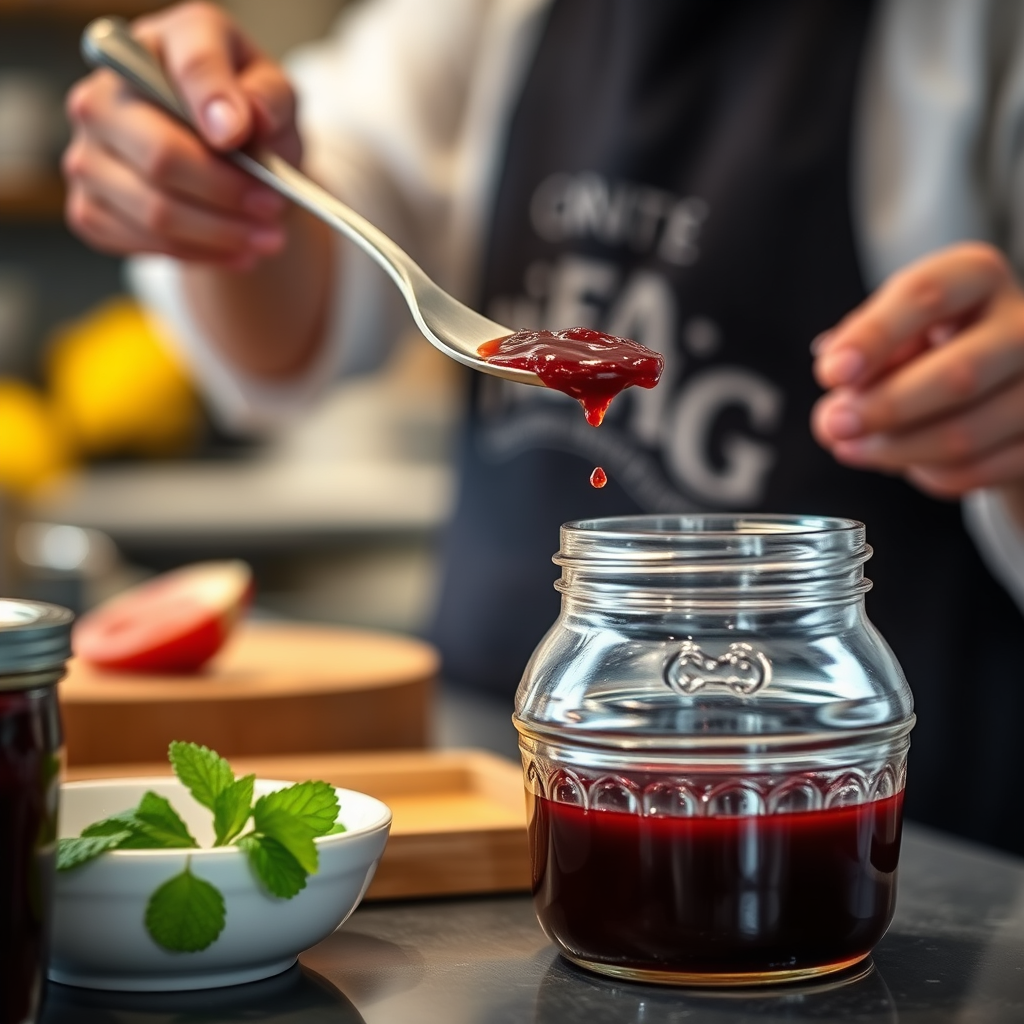
1. Gather ingredients: You will need 2 cups of ripe fruit (such as strawberries or peaches), 1 cup of granulated sugar, and 2 tablespoons of lemon juice for acidity.
2. Prepare the fruit: Wash the fruit thoroughly, remove any stems or pits, and mash or chop it into small pieces, ensuring to measure accurately.
3. Cook the mixture: In a large saucepan, combine the prepared fruit, sugar, and lemon juice. Heat over medium heat, stirring until the sugar dissolves and the mixture reaches a rolling boil.
4. Test for doneness: Utilize the plate test by placing a small spoonful of jam on a chilled plate; if it holds its shape and wrinkles when pushed with your finger, it is ready to be jarred.
5. Jar the jam: Pour the hot jam into sterilized jars, leaving about 1/4 inch of headspace. Wipe the rims of the jars with a clean cloth to remove any residue.
6. Seal the jars: Place sterilized lids on the jars and screw on the metal bands until they are fingertip-tight. Avoid overtightening, as this can prevent proper sealing.
7. Process the jars (optional): For long-term storage, process the jars in a boiling water bath for 5-10 minutes, depending on your altitude. This step ensures a proper seal and extends shelf life.
8. Cool and store: Allow the jars to cool at room temperature for 12-24 hours. Check the seals by pressing the center of the lid; if it pops back, the jar has not sealed correctly, and refrigeration is necessary.
Top 7 Fruits for Jam Making (2023)
| # | Fruit | Sugar Content (per 100g) | Acidity Level (pH) | Best For |
|---|---|---|---|---|
| 1 | Strawberries | 7.7g | 3.0 | Classic Jam |
| 2 | Peaches | 8.4g | 3.4 | Sweet Spread |
| 3 | Raspberries | 4.4g | 3.2 | Tangy Jam |
| 4 | Blackberries | 4.9g | 3.3 | Rich Spread |
| 5 | Cherries | 8.5g | 3.6 | Sweet Jam |
| 6 | Figs | 16.0g | 4.5 | Unique Flavor |
| 7 | Plums | 9.9g | 3.6 | Classic Jam |
Warning Signs: When Not to Follow This
Exercise caution and avoid this protocol if your fruit shows signs of spoilage, such as mold, off smells, or excessive bruising. Using spoiled fruit poses significant health risks. Additionally, if you are allergic to any ingredients, especially fruits or preservatives, do not attempt this jam recipe without suitable substitutions and guidance. Furthermore, refrain from proceeding if you lack proper canning equipment or the means to sterilize jars, as inadequate sterilization can lead to foodborne illnesses.
The Most Common Mistakes (And Their Consequences)
One of the most frequent errors is inaccurate ingredient measurement. Adding too much sugar can result in overly sweet jam that may not set properly, while too little sugar can create a runny texture. Many home cooks misjudge the proper cooking temperature, leading to undercooked jam that spoils or overcooked jam that loses flavor and nutrients. Failing to check the acidity level by neglecting to add lemon juice can compromise the jam’s preservation and potentially allow harmful bacteria to grow.
Special Cases That Need a Different Approach
When making jam with low-acid fruits, such as pears or apples, consider adding extra citric acid or lemon juice to ensure safety and proper preservation. For those aiming to create low-sugar or sugar-free jam, alternative gelling agents and sweeteners must be used, which require different ratios and cooking times. Individuals using frozen fruit should ensure it is thawed and drained before use, as excess moisture can alter the jam’s consistency.
When You Need a Professional
If you’re uncertain about the canning process or plan to store the jam for an extended period, seeking professional advice is crucial; improper canning can pose serious health risks. Should you notice any signs of spoilage after making the jam, such as off smells or bubbling in sealed jars, consult a food safety expert immediately. Additionally, individuals with specific dietary needs requiring specialized recipes or methods for preservation should consult a registered dietitian or food preservation specialist before proceeding.
Sources and Further Reading
– “The USDA Complete Guide to Home Canning” offers extensive guidelines on safe preservation methods and techniques for home chefs.
– The National Center for Home Food Preservation provides reliable resources for understanding acidity levels and safe canning practices.
– “Ball Blue Book Guide to Preserving” serves as a practical reference for home canners, featuring a variety of jam recipes and safety tips.
Frequently Asked Questions
What are the basic ingredients needed for a simple jam recipe?
The basic ingredients for a simple jam recipe typically include fresh fruit, sugar, and lemon juice. You can use any fruit you like, such as strawberries, blueberries, or peaches, and the sugar helps to preserve the jam while enhancing the sweetness. Lemon juice is crucial as it adds acidity, which balances the flavors and aids in the gelling process.
How do I make a simple jam without pectin?
To make a simple jam without pectin, start by cooking your chosen fruit with sugar in a saucepan over medium heat. Mash the fruit as it cooks to release juices, and let it simmer until it thickens, which usually takes about 20-30 minutes. To test for doneness, place a spoonful on a cold plate; if it holds its shape, your jam is ready to be jarred.
Why is it important to sterilize jars before making jam?
Sterilizing jars before making jam is essential to prevent bacterial growth and ensure the longevity of your homemade jam. By heating the jars in boiling water or the dishwasher, you eliminate any pathogens that could spoil your jam. This step helps maintain the quality and safety of your preserved fruit.
What is the best fruit for making a simple jam?
The best fruits for making a simple jam include those with high natural sugar content and enough pectin, such as strawberries, raspberries, and apricots. These fruits not only provide great flavor but also have the right texture for jam consistency. Experimenting with combinations can also yield delicious results, like mixing berries for a mixed fruit jam.
Which method is easiest for beginners when making jam?
The easiest method for beginners when making jam is the no-cook or refrigerator jam technique. This method involves simply mixing fresh fruit with sugar and letting it sit for a few hours to draw out the juices before refrigerating. It eliminates the need for cooking and can be a quick way to enjoy homemade jam without the fuss of traditional canning.
References
- Fruit preserves
https://en.wikipedia.org/wiki/Jam - Jam | food | Britannica
https://www.britannica.com/topic/jam-food - https://extension.psu.edu/jam-and-jelly-making
https://extension.psu.edu/jam-and-jelly-making - https://www.fda.gov/food/food-labeling-nutrition/food-safety-education-jams-and-jellies
https://www.fda.gov/food/food-labeling-nutrition/food-safety-education-jams-and-jellies - https://www.cdc.gov/foodsafety/food-safety-education-jams-and-jellies.html
https://www.cdc.gov/foodsafety/food-safety-education-jams-and-jellies.html - The auxiliary subunits Neto1 and Neto2 have distinct, subunit-dependent effects at recombinant Gl…
https://www.ncbi.nlm.nih.gov/pmc/articles/PMC4655126/ - NaturalHealth365 – Powerful Solutions
https://www.naturalhealth365.com/jam-recipe-1973.html - Google Scholar Google Scholar
https://scholar.google.com/scholar?q=simple+jam+recipe - Google Scholar Google Scholar
https://scholar.google.com/scholar?q=homemade+jam+health+benefits - Google Scholar Google Scholar
https://scholar.google.com/scholar?q=fruit+preservation+methods