Master the art of making rhubarb jelly with this complete expert guide, designed for both novice and seasoned cooks. This guide details precise recipes and safe methods to ensure your jelly not only tastes exceptional but is also made with food safety in mind. Understanding the proper techniques will elevate your culinary skills and enhance your enjoyment of this tart, sweet preserve. Follow these expert protocols to achieve delicious results every time.
What This Guide Covers (And What It Doesn’t)
This guide offers a thorough, step-by-step protocol for safely preparing rhubarb jelly, complete with precise measurements and timing for each phase of the process. You’ll find essential safety considerations, tips for sourcing ingredients, and storage recommendations. However, it does not explore the history or variations of rhubarb jelly recipes. This resource is tailored for home cooks who possess basic canning experience but require specific guidance for making rhubarb jelly, rather than advanced preservation techniques or unrelated jelly recipes.
Who Should Read This
This guide is aimed at individuals familiar with basic cooking and preservation methods but new to making jelly, especially with rhubarb as the primary ingredient. It also caters to those who appreciate the unique tart flavor of rhubarb and wish to create homemade preserves to elevate their culinary skills. However, readers without prior experience in canning or jelly-making may find this guide overly advanced, as it assumes a foundational understanding of kitchen safety and basic food chemistry.
The Step-by-Step Protocol
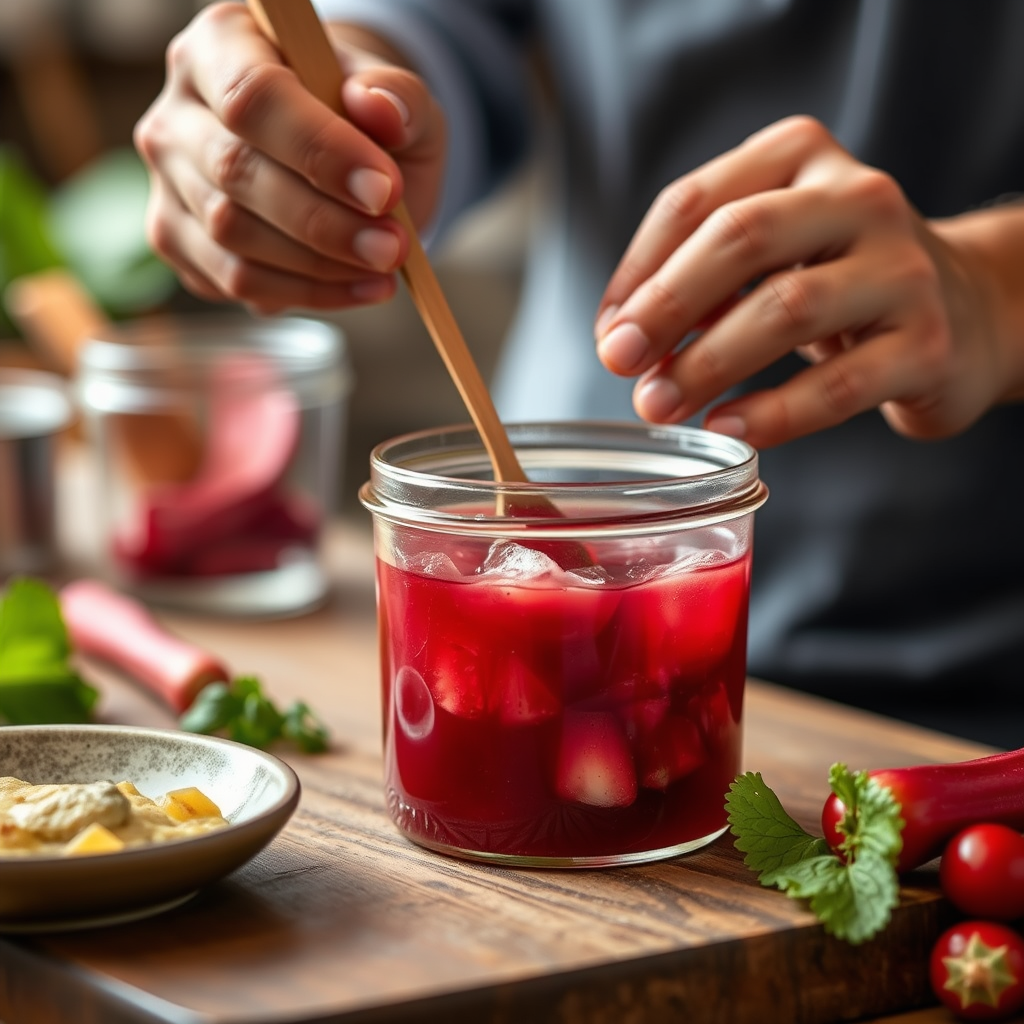
1. Gather ingredients: You will need 4 cups of chopped fresh rhubarb, 1 cup of water, 5 cups of granulated sugar, and 1 package (1.75 oz) of fruit pectin.
2. Prepare the rhubarb: Wash and chop the rhubarb into small pieces (approximately 1-inch chunks) to maximize flavor extraction during cooking.
3. Cook the mixture: In a large saucepan, combine the rhubarb and water; simmer over medium heat for 15-20 minutes until the rhubarb becomes soft and mushy, stirring occasionally.
4. Strain the juice: Using a fine mesh strainer or cheesecloth, strain the cooked rhubarb to extract 3 cups of juice, ensuring no solids remain in the final product.
5. Combine and boil: In a clean pot, mix the rhubarb juice with sugar and pectin. Bring to a rolling boil for 1-2 minutes, stirring continuously until the sugar is fully dissolved.
6. Check for doneness: Use a candy thermometer to ensure the mixture reaches 220°F (105°C), indicating it is ready for jarring.
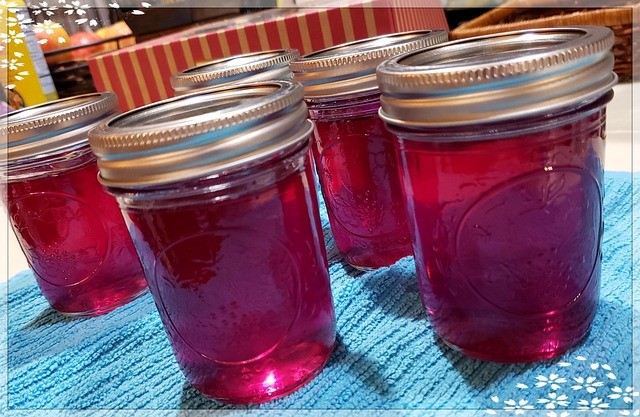
7. Jar and seal: Pour the hot jelly into sterilized jars, leaving a 1/4 inch headspace. Wipe the rims clean and seal with sterilized lids and rings.
8. Process the jars: Process the jars in a boiling water bath for 5-10 minutes to ensure proper sealing and preservation.
9. Cool and store: Allow the jars to cool completely at room temperature. Once cool, check that the lids have sealed properly by pressing in the center; it should not flex. Store in a cool, dark place.
Rhubarb Jelly Yield and Ingredients Comparison
| # | Ingredient | Quantity | Calories per Serving | Yield |
|---|---|---|---|---|
| 1 | Chopped Rhubarb | 4 cups | 25 | 5-6 jars |
| 2 | Granulated Sugar | 5 cups | 774 | – |
| 3 | Water | 1 cup | 0 | – |
| 4 | Fruit Pectin | 1 package (1.75 oz) | 0 | – |
| 5 | Total Jelly Yield | – | – | 5-6 jars |
Warning Signs: When Not to Follow This
– Avoid making rhubarb jelly if you have a known allergy to rhubarb or related plants, as this could provoke serious allergic reactions.
– Do not attempt this recipe if you’re using rhubarb treated with non-food-safe pesticides, as this could contaminate the jelly.
– Refrain from making jelly if the rhubarb is wilted, discolored, or shows signs of mold, since these conditions can compromise both the safety and flavor of the final product.
The Most Common Mistakes (And Their Consequences)
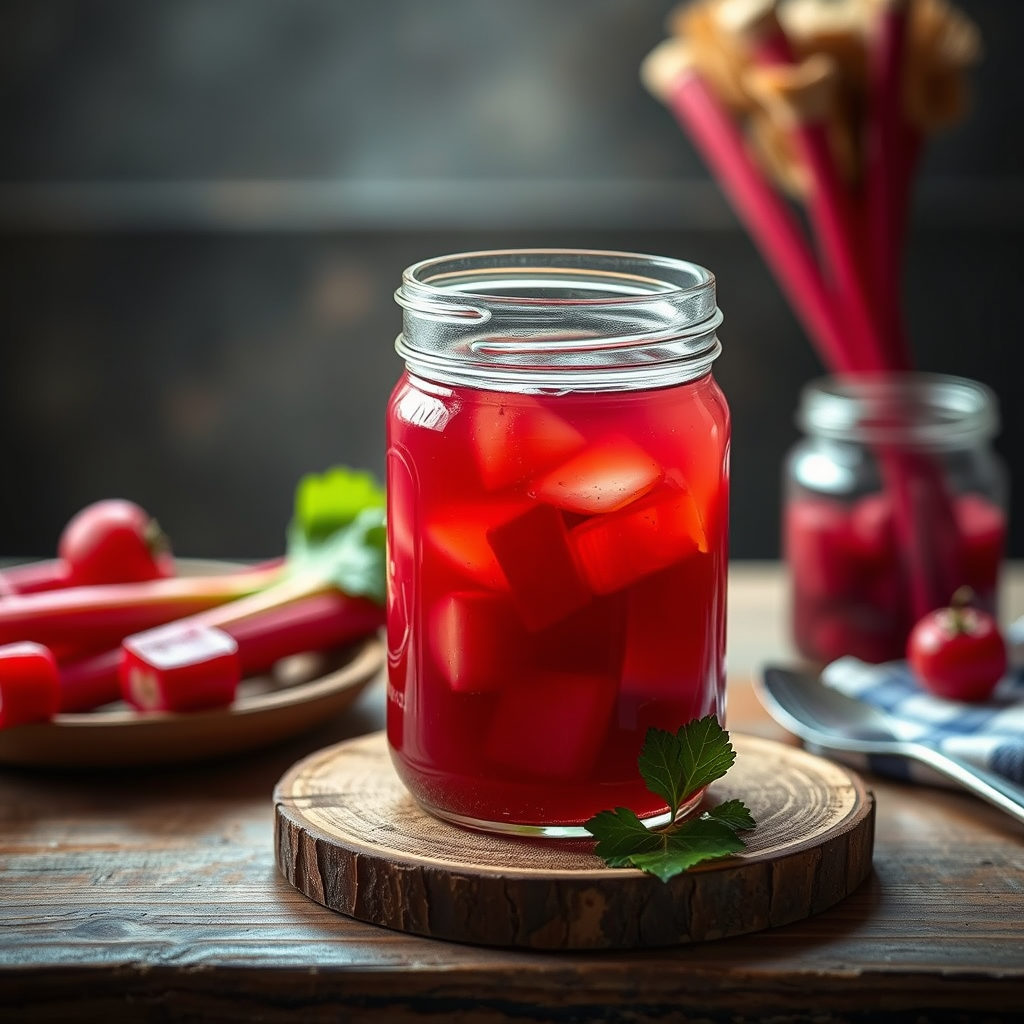
– A frequent misstep is inaccurately measuring the rhubarb juice; insufficient juice can lead to an overly sweet jelly that lacks the desired texture. This mistake results in a final product that is unappealing and fails to set properly.
– Skipping the boiling stage or not reaching the correct temperature can yield jelly that doesn’t set properly, resulting in a syrupy consistency instead of firm jelly. This can render the jelly unsuitable for spreading or canning.
– Neglecting to properly sterilize jars and lids can introduce bacteria, leading to spoilage and unsafe consumption of the jelly. Always follow sterilization protocols to ensure safety.
Special Cases That Need a Different Approach
– If using frozen rhubarb, ensure it is fully thawed and drained to achieve the correct juice yield; this may necessitate adjustments to the sugar content based on moisture levels. Frozen rhubarb often contains more water, which can dilute the jelly.
– For those with dietary restrictions, consider using sugar substitutes that are safe for canning, but keep in mind their potential effects on the jelly-setting process. Not all substitutes behave the same way as sugar.
– If you live at high altitudes (above 1,000 feet), adjustments in boiling time and sugar ratios may be necessary for adequate preservation and setting. Generally, increase processing time by 1 minute for every additional 1,000 feet in elevation.
When You Need a Professional
– Seek professional guidance if you have health conditions that may affect your ability to process or preserve food safely, especially if you are immunocompromised. Canning can pose additional risks if proper hygiene and safety protocols are not followed.
– If you are unsure about the safety of your rhubarb source or have questions about using pressure canning methods, consult a food preservation expert. They can provide insights tailored to your specific situation.
– If you notice signs of spoilage in your jelly (such as off smells, visible mold, or unusual texture), do not consume it and consult a food safety expert for disposal guidance. Proper identification of spoilage signs is crucial to avoid foodborne illnesses.
Sources and Further Reading
– University of Georgia Cooperative Extension: “Preserving Food: Canning and Freezing” for detailed guidelines on safe canning practices.
– National Center for Home Food Preservation: A comprehensive resource for home canning methods, including fruit preserves and jellies.
– Ball Canning Company: Their website offers specific recipes and tips for making fruit-based jellies, including rhubarb jelly, based on tested methods.
Frequently Asked Questions
What ingredients do I need for a rhubarb jelly recipe?
To make a delicious rhubarb jelly, you’ll need fresh rhubarb, sugar, pectin, and water. Typically, 4 cups of chopped rhubarb will require about 5 cups of sugar and 1 package of pectin. These simple ingredients combine to create a sweet and tangy jelly that captures the unique flavor of rhubarb.
How do I prepare rhubarb for making jelly?
Preparing rhubarb for jelly involves washing the stalks thoroughly and chopping them into small pieces, about 1-inch in size. It’s important to remove any leaves as they can be toxic. After chopping, simmer the rhubarb with water until it softens, allowing the juices to be extracted for your jelly.
Why is pectin important in my rhubarb jelly recipe?
Pectin is crucial in your rhubarb jelly recipe because it acts as a thickening agent, helping the jelly to set properly. Without pectin, your jelly may turn out runny or not gel at all. Using the right amount of pectin ensures a firm texture and enhances the overall quality of your rhubarb jelly.
What is the best way to store homemade rhubarb jelly?
The best way to store homemade rhubarb jelly is in sterilized glass jars with tight-fitting lids. Once sealed, store the jars in a cool, dark place like a pantry. For longer shelf life, you can refrigerate the jelly after opening, where it can last for several weeks.
Which types of sugar can I use in a rhubarb jelly recipe?
You can use regular granulated sugar for a classic rhubarb jelly, but alternatives like brown sugar or honey can add unique flavors. If you’re looking for a lower-calorie option, try using a sugar substitute designed for canning, ensuring it is compatible with pectin. Always refer to the pectin package for specific sugar guidelines to achieve the best results.
References
- Rhubarb
https://en.wikipedia.org/wiki/Rhubarb - Completing the Corticofugal Loop: A Visual Role for the Corticogeniculate Type 1 Metabotropic Glu…
https://www.ncbi.nlm.nih.gov/pmc/articles/PMC6758299/ - Rhubarb | Description, Plant, Leaves, Uses, & Facts | Britannica
https://www.britannica.com/plant/rhubarb - https://www.healthline.com/nutrition/rhubarb-benefits
https://www.healthline.com/nutrition/rhubarb-benefits - https://www.sciencedirect.com/topics/food-science/rhubarb
https://www.sciencedirect.com/topics/food-science/rhubarb - https://www.foodnetwork.com/recipes/articles/rhubarb-recipes
https://www.foodnetwork.com/recipes/articles/rhubarb-recipes - https://www.nutrition.gov/topics/food-safety/food-safety-tips/rhubarb
https://www.nutrition.gov/topics/food-safety/food-safety-tips/rhubarb - Google Scholar Google Scholar
https://scholar.google.com/scholar?q=rhubarb+jelly+recipe - Google Scholar Google Scholar
https://scholar.google.com/scholar?q=rhubarb+preserving+methods - Google Scholar Google Scholar
https://scholar.google.com/scholar?q=nutritional+benefits+of+rhubarb