This expert guide on safely making raspberry jam with pectin provides precise instructions and essential tips for both novice and seasoned preservers. By adhering to proven methods, you can ensure not only delicious results but also food safety and longevity. Understanding the science behind pectin and proper canning techniques is crucial for a successful batch that captures the vibrant flavor of fresh raspberries.
What This Guide Covers (And What It Doesn’t)

This guide details a thorough, step-by-step process for crafting raspberry jam with pectin, highlighting essential ingredients, precise measurements, and specific techniques that guarantee a successful result. It does not address other types of jams or preserves, nor does it explore jam-making without pectin, as these require different methods and ingredient ratios. Designed for home cooks eager to produce raspberry jam safely and effectively, this guide ensures the jam sets properly and is safe for consumption. If you seek advanced canning techniques, alternative preservation methods, or recipes featuring different fruits, consider looking for specialized resources.
Who Should Read This
This guide caters to home cooks familiar with basic food preservation and canning techniques, particularly those interested in fruit preservation. It is ideal for individuals who have previously tackled simple recipes and are now ready to enhance their skills with pectin-based jams. Beginners may find certain sections challenging without prior knowledge of kitchen safety, proper sterilization, and canning equipment. Those with dietary restrictions or preferences for low-sugar or alternative pectin options may need to consult additional resources tailored to their needs.
The Step-by-Step Protocol
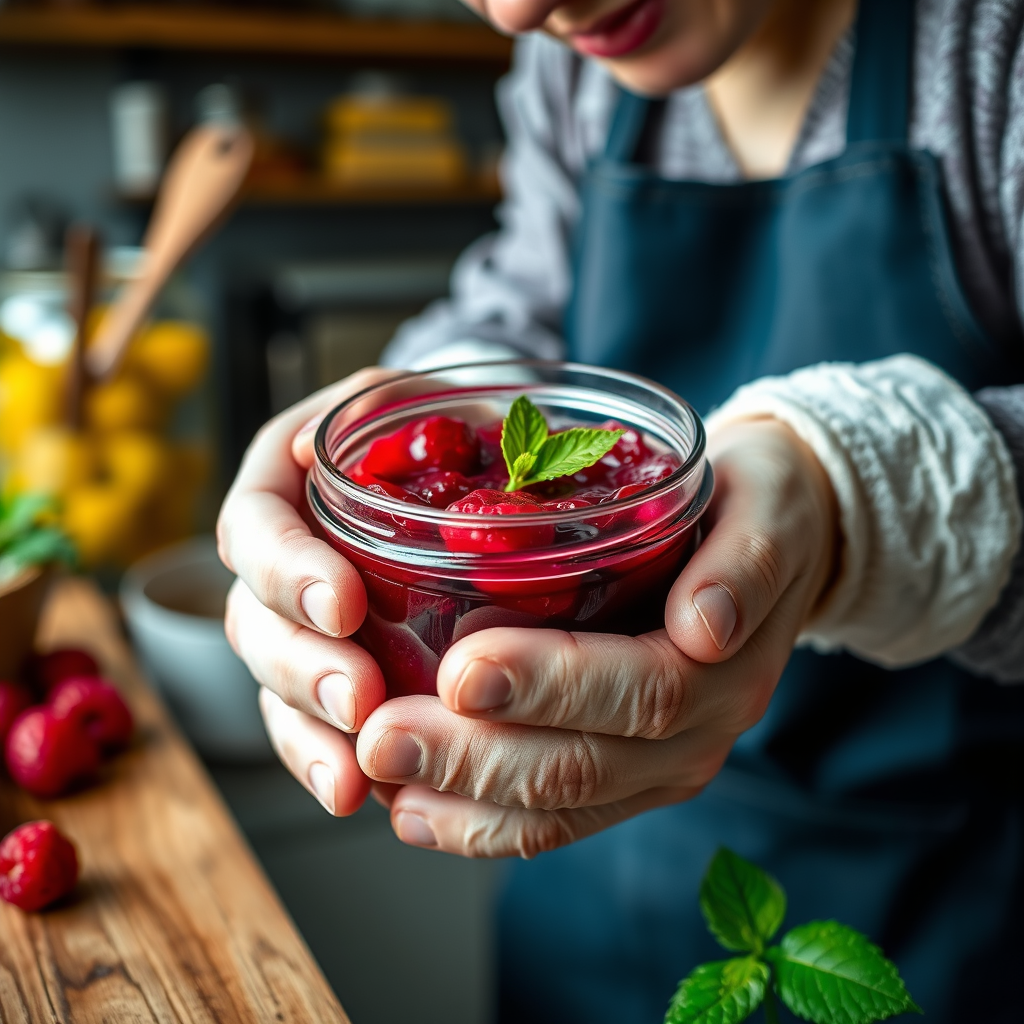
1. Gather your ingredients: You will need 4 cups of fresh raspberries, 5 cups of granulated sugar, 1/4 cup of lemon juice, and 1 package (1.75 oz) of fruit pectin. Ensure that your raspberries are ripe and free from any mold or decay.
2. Prepare your jars: Sterilize 8 half-pint canning jars and their lids by boiling them in water for at least 10 minutes. Keep them warm until ready for filling to prevent thermal shock when the hot jam is added.
3. Cook the raspberries: In a large pot, combine the raspberries and lemon juice, mashing the berries gently to release their juices. Heat the mixture over medium heat until it reaches a gentle boil.
4. Add pectin: Stir in the fruit pectin, ensuring it dissolves completely. Bring the mixture back to a rolling boil and stir constantly for 1-2 minutes to activate the pectin.
5. Incorporate sugar: Gradually add in the granulated sugar while stirring continuously. Ensure that the sugar dissolves completely before returning the mixture to a boil. Boil for an additional 1-2 minutes.
6. Test for doneness: Use the spoon test: dip a spoon into the jam; if it coats the back and holds its shape, it’s ready. If not, boil for another minute and test again.
7. Fill jars: Carefully ladle the hot jam into the prepared jars, leaving 1/4-inch headspace. Wipe the rims with a clean cloth to remove any residue before sealing the jars with their lids.
8. Process jars: Process the jars in a boiling water bath for 10 minutes to ensure proper sealing and preservation. Adjust processing time based on your altitude if necessary, as higher altitudes require longer processing times.
Top 7 Ingredients for Raspberry Jam with Pectin
| # | Ingredient | Quantity | Purpose | Quality Check |
|---|---|---|---|---|
| 1 | Fresh Raspberries | 4 cups | Flavor base | Ripe & firm |
| 2 | Granulated Sugar | 5 cups | Sweetness | Dry & free-flowing |
| 3 | Lemon Juice | 1/4 cup | Acidity | Fresh or bottled |
| 4 | Fruit Pectin | 1 package (1.75 oz) | Thickening agent | Check expiration date |
| 5 | Water (for boiling bath) | As needed | Canning | Clean & potable |
| 6 | Canning Jars | 8 half-pint jars | Storage | Sterilized |
| 7 | Canning Lids | 8 lids | Sealing | New or sterilized |
Warning Signs: When Not to Follow This
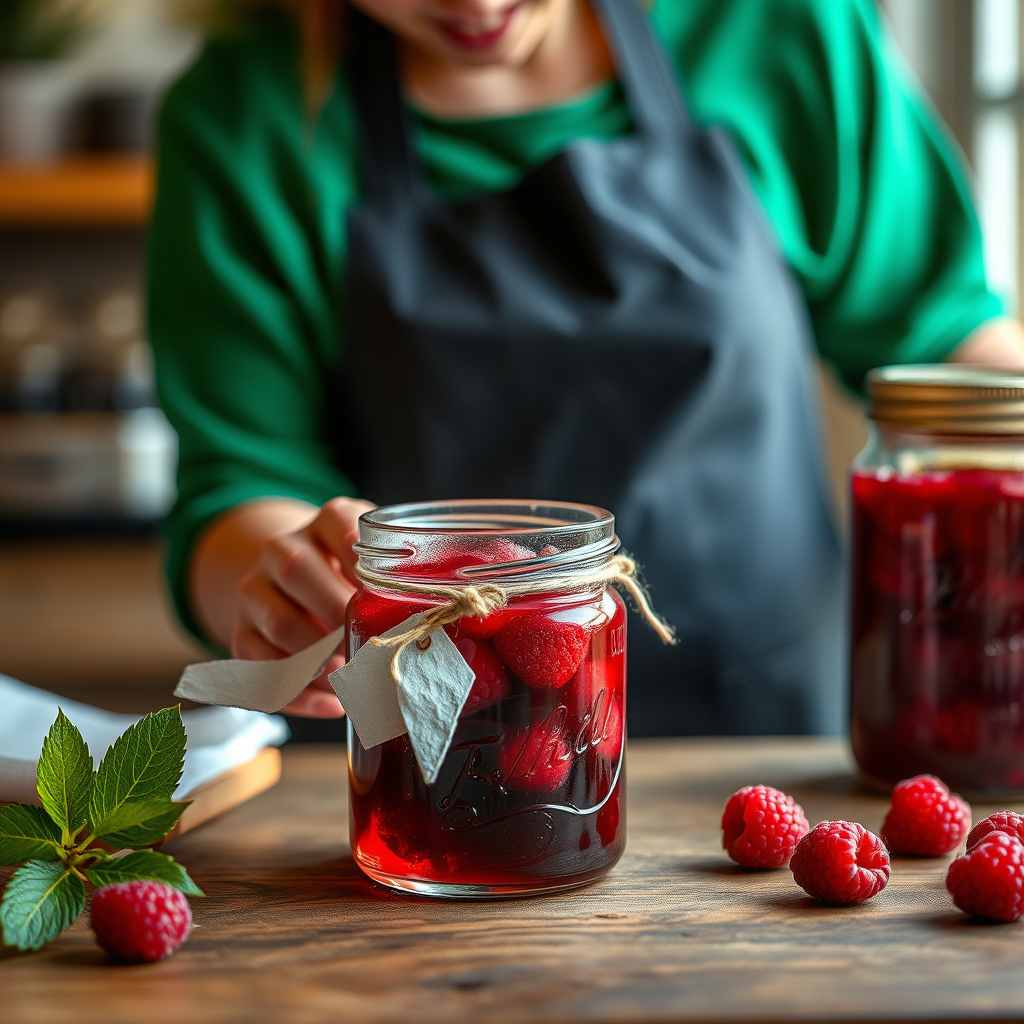
Avoid this recipe if your raspberries exhibit signs of mold, decay, or excessive softness, as compromised fruit can lead to spoilage and safety issues in the final product. Don’t proceed without the necessary canning equipment, such as a water bath canner, since improper sealing can result in contamination. If you’re unsure about the freshness of your pectin, check the expiration date; using expired pectin can result in jam that fails to set. Additionally, if you lack familiarity with basic food safety practices, including proper sterilization techniques or the significance of headspace in jars, it’s best to hold off on this recipe.
The Most Common Mistakes (And Their Consequences)
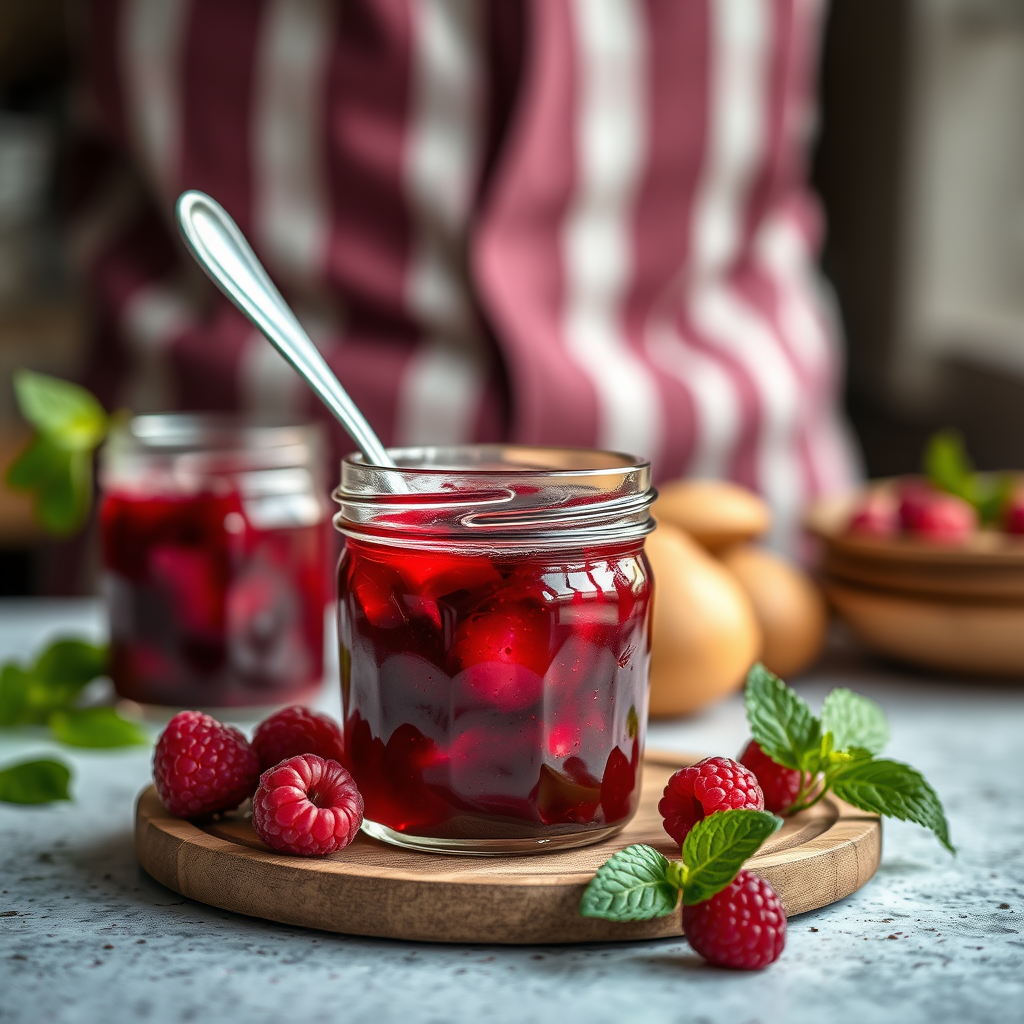
One frequent misstep is adding too much sugar, which can overpower the raspberry flavor and potentially hinder the pectin’s ability to set. Skipping the boiling water bath after filling jars is another critical error that can jeopardize preservation, increasing the risk of spoilage or bacterial growth within the sealed jars. Inaccurately measuring the lemon juice can alter the acidity levels in the jam, compromising its safety and shelf life. Lastly, failing to properly mash the raspberries can result in an uneven texture, leading to a mixture that is either too chunky or too runny.
Special Cases That Need a Different Approach
When using frozen raspberries, ensure they are thoroughly thawed and excess liquid is drained before starting the recipe to maintain the correct consistency and sugar balance. For a lower-sugar version, opt for a specific low-sugar pectin designed for this purpose, and adhere to the instructions provided for necessary sugar adjustments. If you wish to introduce additional flavors, such as herbs or spices, do so sparingly, ensuring they enhance rather than overwhelm the raspberry’s natural taste. For those at high altitudes, adjustments to processing times are essential; refer to local guidelines for specific time modifications based on your elevation.
When You Need a Professional
If you have concerns about food allergies or sensitivities related to ingredients such as pectin or sugar alternatives, consult a registered dietitian or allergist. If you are inexperienced with canning and feel uncertain about the safety of your process, seek guidance from a professional canning expert or a local cooperative extension service. Should your jam fail to set after following the protocol, a food preservation expert can offer troubleshooting techniques and adjustments. For those planning to sell jam commercially, it is crucial to consult local food safety regulations and consider engaging a food safety consultant to ensure compliance with legal standards.
Sources and Further Reading
– National Center for Home Food Preservation (NCHFP): Comprehensive guidelines on safe canning practices and fruit preservation.
– “The Ball Book of Canning and Preserving”: A trusted resource for canning recipes, including pectin-based jams.
– USDA Complete Guide to Home Canning: Official guidelines for safe home canning, covering acidity levels and processing times.
– Local Cooperative Extension Service: Offers resources and workshops tailored to your region’s food preservation needs and regulations.
Frequently Asked Questions
What ingredients do I need for a raspberry jam with pectin recipe?
To make a delicious raspberry jam with pectin, you will need fresh raspberries, granulated sugar, pectin (either liquid or powdered), and lemon juice. The raspberries provide the primary flavor, while the pectin helps the jam set properly, ensuring a smooth and spreadable consistency.
How do I properly prepare raspberries for making jam with pectin?
Start by washing the raspberries gently to remove any dirt or insects. After rinsing, drain them thoroughly and remove any stems or leaves. It’s important to use ripe raspberries for the best flavor and sweetness in your jam.
Why is pectin important in making raspberry jam?
Pectin is a natural thickening agent that helps your raspberry jam achieve the right consistency. Without pectin, the jam may be too runny and not set properly, leading to a less enjoyable texture. Using pectin ensures that your jam will have a firm hold and a delightful spreadability.
What is the best method for canning raspberry jam with pectin?
The best method for canning raspberry jam with pectin involves sterilizing your jars and lids before filling them with hot jam. Pour the hot jam into the jars, leaving about ¼ inch of headspace, then seal them tightly and process in a boiling water bath for about 10-15 minutes to ensure proper sealing and preservation.
Which type of pectin is best for making raspberry jam?
The best type of pectin for making raspberry jam depends on your preference for sweetness and texture. Liquid pectin is easier to use and allows for a quicker setting time, while powdered pectin gives you more control over the sweetness and can result in a firmer jam. Both options work well, so choose based on your desired outcome.
References
- Fruit preserves
https://en.wikipedia.org/wiki/Jam - https://www.uga.edu/extension/food-safety/preserving-fruits-jams-jellies.html
https://www.uga.edu/extension/food-safety/preserving-fruits-jams-jellies.html - https://www.foodsafety.gov/food-safety-charts/jams-jellies-preserving-fruits
https://www.foodsafety.gov/food-safety-charts/jams-jellies-preserving-fruits - RNase H1 directs origin-specific initiation of DNA replication in human mitochondria – PMC
https://www.ncbi.nlm.nih.gov/pmc/articles/PMC6317783/ - https://www.cdc.gov/foodsafety/communication/food-safety-fact-sheets/preserving-foods.html
https://www.cdc.gov/foodsafety/communication/food-safety-fact-sheets/preserving-foods.html - Google Scholar Google Scholar
https://scholar.google.com/scholar?q=raspberry+jam+with+pectin+recipe - Google Scholar Google Scholar
https://scholar.google.com/scholar?q=pectin+in+jam+making - https://scholar.google.com/scholar?q=fruit+preservation+methods Google Scholar
https://scholar.google.com/scholar?q=fruit+preservation+methods - https://extension.psu.edu/jams-and-jellies
https://extension.psu.edu/jams-and-jellies - https://www.fda.gov/food/food-labeling-nutrition/food-safety-modernization-act-fsma
https://www.fda.gov/food/food-labeling-nutrition/food-safety-modernization-act-fsma