Master the art of making raspberry jam with pectin using this comprehensive expert guide. This resource details each step, ensuring you achieve the perfect balance of flavor and texture while prioritizing safety in your canning process. Following the right protocol is crucial; it not only preserves the vibrant taste of fresh raspberries but also protects against spoilage. With precise measurements and techniques, you’ll create a delicious, shelf-stable jam that showcases your culinary skills.
What This Guide Covers (And What It Doesn’t)
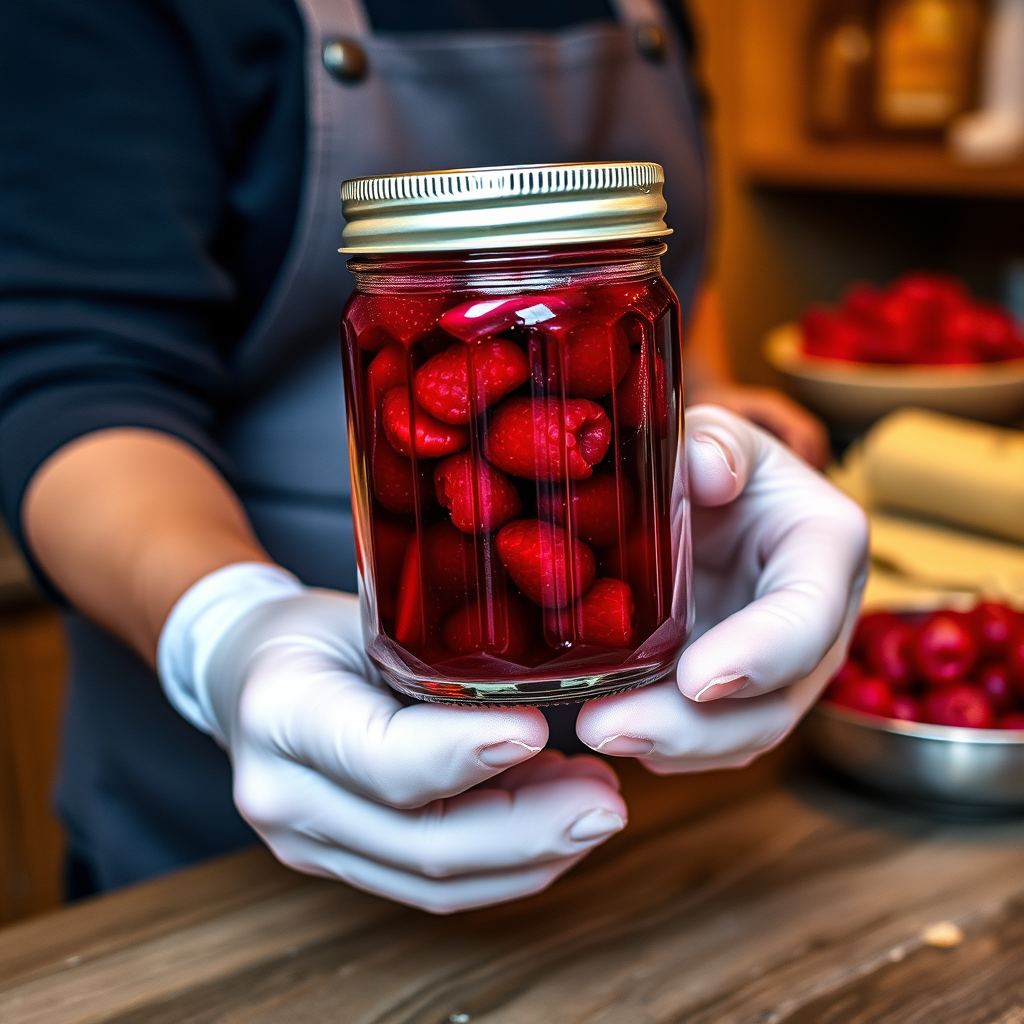
This guide offers an in-depth exploration of making raspberry jam using pectin, detailing essential ingredients, equipment, and clear step-by-step instructions. It is designed for both novices and seasoned canners seeking a successful jam-making experience. You will find vital safety protocols, accurate measurements, and storage tips to ensure food safety throughout the process.
However, this guide does not include recipes for other types of jam or jelly, nor does it discuss alternative thickening agents, focusing exclusively on the pectin method for raspberry jam.
Who Should Read This
This guide is tailored for home cooks with basic kitchen skills who might be new to canning or jam-making, especially those interested in fruit preservation. It also caters to experienced cooks aiming to refine their techniques with pectin for a consistent texture and flavor. Those seeking non-pectin methods or advanced canning knowledge may find more pertinent information in specialized canning literature or other resources.
The Step-by-Step Protocol
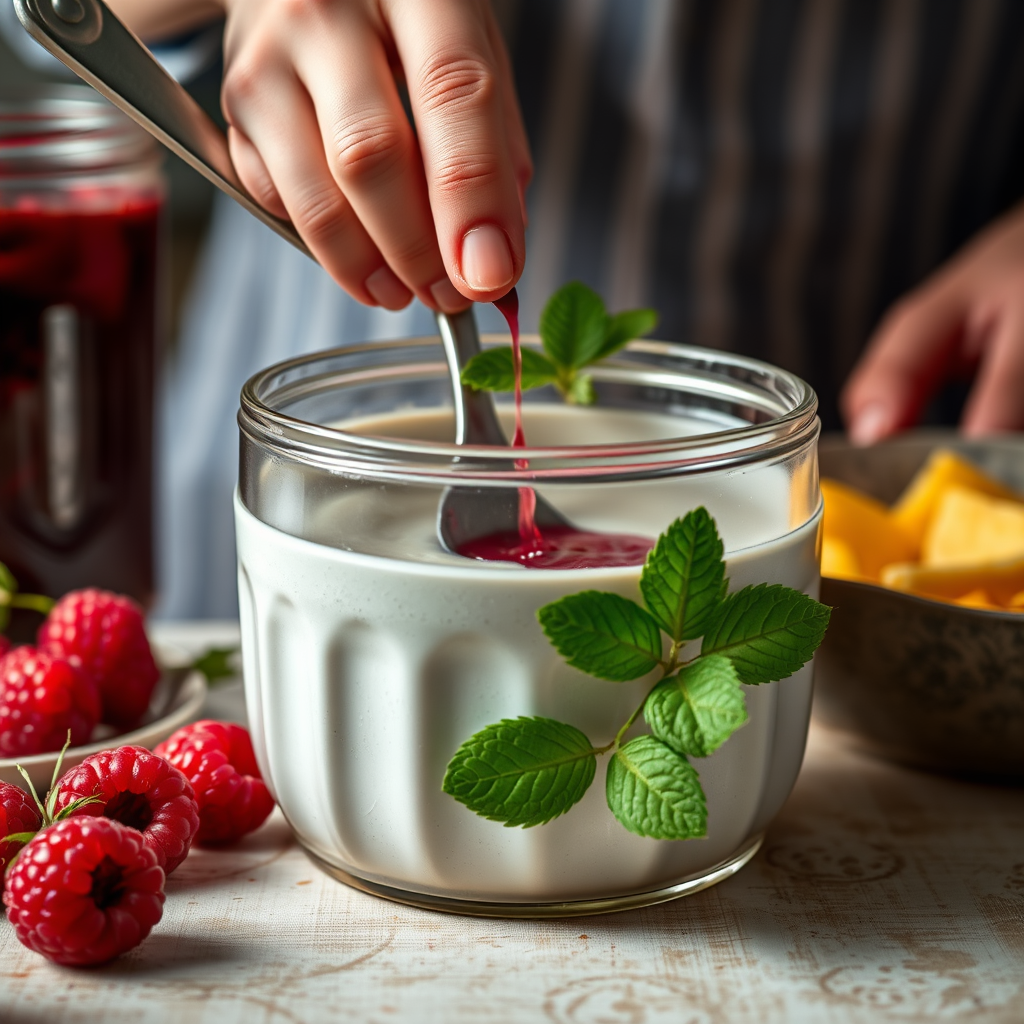
1. Gather Ingredients: Begin by assembling your ingredients. You will need 4 cups of ripe raspberries, 5 cups of granulated sugar, 1 package (1.75 oz) of fruit pectin (such as Sure-Jell), and 1/4 cup of fresh lemon juice. The lemon juice is crucial for acidity, which helps preserve the jam and enhances flavor.
2. Prepare the Raspberries: Rinse the raspberries gently under cold water to remove any dirt or insects, taking care not to crush them. Remove any stems or leaves, then lightly mash the raspberries with a potato masher or fork. Aim for a coarse mash to release their juices while retaining some texture.
3. Cook the Mixture: In a large, heavy-bottomed pot, combine the mashed raspberries, lemon juice, and pectin. Stir the mixture over medium heat until it reaches a full, rolling boil, which typically takes around 5 to 10 minutes. Continuous stirring is essential to prevent burning; the mixture should bubble vigorously and cannot be stirred down.
4. Add Sugar: Gradually stir in the granulated sugar until it is completely dissolved. This step is critical; ensure no sugar granules remain. Once dissolved, bring the mixture back to a rolling boil for an additional 1 to 2 minutes. This boiling time allows the jam to achieve the desired consistency and ensures the pectin activates properly.
5. Test for Consistency: To check if the jam has reached the desired thickness, use the “spoon test.” Dip a clean spoon into the jam and let it cool for a moment. Run your finger through the jam on the back of the spoon; if it holds its shape and does not run back together, it is ready for canning.
6. Prepare Jars and Lids: While the jam is cooking, prepare your canning jars and lids. Sterilize the jars by placing them in a boiling water bath for 10 minutes, then let them dry. Ensure your lids are new or free from any dents or rust.
7. Fill Jars: Once the jam has reached the correct consistency, carefully ladle it into the prepared jars, leaving about 1/4 inch of headspace at the top. Wipe the rims with a clean, damp cloth to remove any residue.
8. Seal and Process: Place the sterilized lids on the jars and screw on the metal bands until they are fingertip-tight. Process the jars in a boiling water bath for 5-10 minutes (adjusting for altitude if necessary) to ensure proper sealing. The water should cover the jars by at least an inch.
9. Cool and Store: After processing, remove the jars from the water bath and let them cool on a clean towel or cooling rack. After 24 hours, check the seals by pressing down in the center of the lid; it should not pop back. Properly sealed jars can be stored in a cool, dark place for up to one year.
Warning Signs: When Not to Follow This
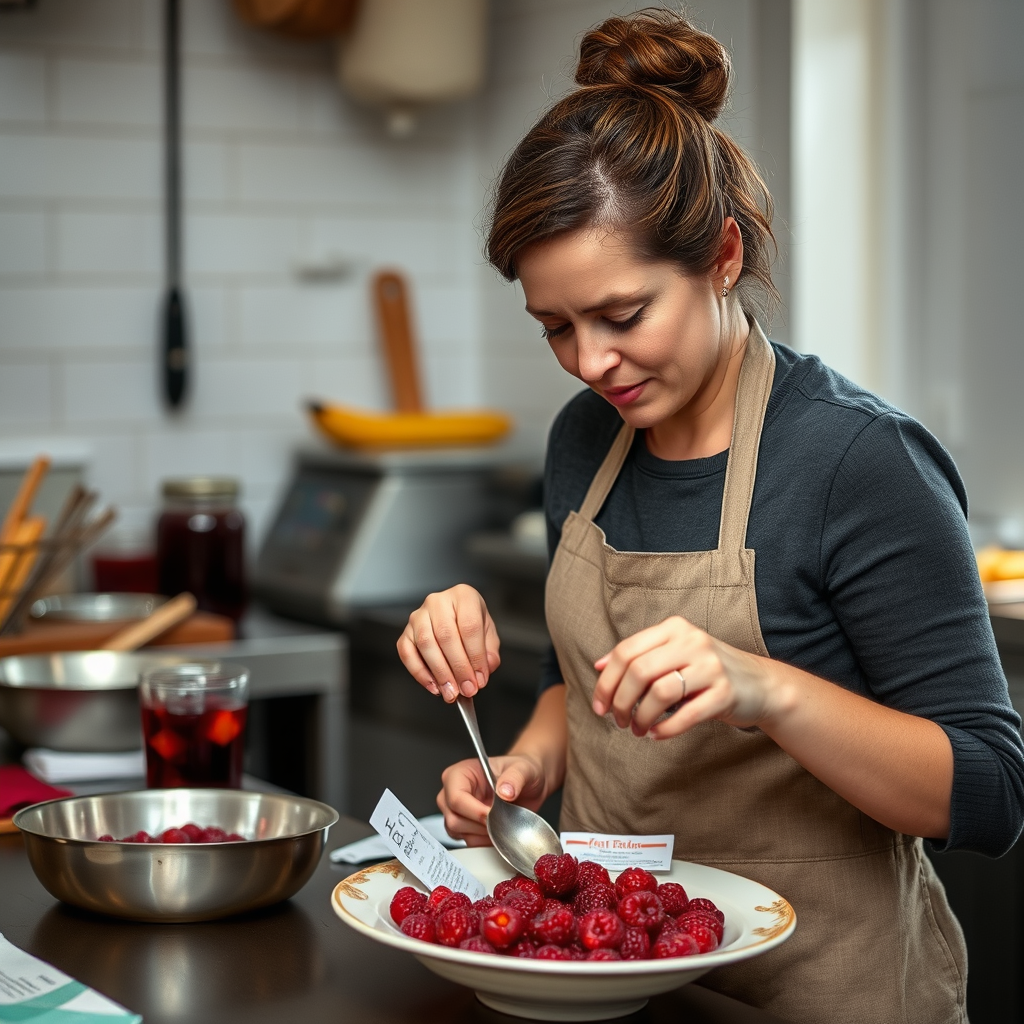
– Do not attempt this recipe if your raspberries show signs of spoilage, such as mold or an off smell. Using spoiled fruit can compromise both safety and quality.
– Refrain from using homemade pectin or alternative thickening agents not specified in the recipe, as these can affect the jam’s set and overall safety.
– Avoid canning raspberry jam at high altitudes without adjusting sugar and acidity levels, as this can lead to improper preservation and spoilage. Consult local guidelines for altitude adjustments.
The Most Common Mistakes (And Their Consequences)
– One frequent error is inaccurately measuring ingredients, particularly the sugar and pectin. This can result in a runny jam that fails to set properly.
– Skipping the boiling process after adding sugar can lead to a jam that does not gel or has a gritty texture due to undissolved sugar.
– Neglecting proper sterilization of jars can lead to contamination, resulting in spoilage or foodborne illness. Always ensure jars are thoroughly cleaned and heated.
Special Cases That Need a Different Approach
– If substituting low-sugar or sugar-free pectin, it is essential to follow the specific instructions on the pectin package; sugar levels and cooking times may vary significantly.
– Those allergic to pectin or seeking a pectin-free alternative can consider using a combination of chia seeds and ripe bananas for natural thickening. However, this will alter the flavor profile and texture of the jam.
– When making raspberry jam in larger batches (over 10 cups of fruit), it’s advisable to process in smaller portions. This ensures even cooking and proper gelling, as large quantities can lead to uneven heat distribution.
When You Need a Professional
– Consult a food safety expert or a licensed nutritionist if you’re unsure about the acidity levels in your jam, especially when adjusting recipes for low-acid fruits.
– If you experience repeated failures in achieving the desired consistency or safety, seeking guidance from a certified canning instructor may be beneficial.
– Reach out to a local extension service for detailed advice on preserving methods if you’re in an area with specific regulations or requirements for food preservation.
Sources and Further Reading
– The National Center for Home Food Preservation provides guidelines on home canning, including safe methods for making jams and jellies: [NCHFP](https://nchfp.uga.edu).
– “The Joy of Canning” by Linda Ziedrich offers detailed instructions and tips for fruit preservation, including raspberry jam with pectin.
– The USDA Complete Guide to Home Canning provides authoritative guidelines and standards for safe canning practices, essential reading for any home canner.
In summary, making raspberry jam with pectin is a rewarding process that demands attention to detail and adherence to safety protocols. With the right ingredients and a careful approach, you can create delicious, shelf-stable jam that captures the essence of summer all year round. Enjoy the satisfaction of preserving your own fruit and savor the sweet rewards of your efforts.
Frequently Asked Questions
What ingredients do I need for a raspberry jam recipe with pectin?
For a classic raspberry jam recipe with pectin, you will need fresh or frozen raspberries, granulated sugar, lemon juice, and pectin (either powdered or liquid). The pectin helps the jam set properly, ensuring a thick and spreadable consistency. Additionally, make sure to have sterilized jars ready for canning your delicious raspberry jam.
How do I make raspberry jam with pectin step by step?
To make raspberry jam with pectin, start by crushing the raspberries in a large pot. Then, mix in the sugar and pectin according to the package instructions. Bring the mixture to a rolling boil, stirring constantly for about one minute, until it thickens. Finally, pour the hot jam into sterilized jars, seal them, and process in a boiling water bath for preservation.
Why is pectin important in raspberry jam recipes?
Pectin is crucial in raspberry jam recipes because it acts as a thickening agent that helps the jam achieve the desired texture and consistency. Without pectin, the jam may remain runny and not set properly. Using pectin allows for a quicker cooking time and a more consistent result, making it easier for home cooks to achieve perfectly set jam.
What is the best pectin to use for raspberry jam?
The best pectin to use for raspberry jam typically depends on personal preference, but both powdered and liquid pectin are widely used. For beginners, Sure-Jell is a popular powdered option, while Certo is a well-known liquid brand. Each type has specific instructions, so be sure to follow the guidelines for the pectin you choose to ensure your jam sets correctly.
Which tips can help ensure my raspberry jam sets properly with pectin?
To ensure your raspberry jam sets properly with pectin, measure your ingredients accurately and follow the cooking times as recommended on the pectin package. Use ripe berries, as they contain more natural pectin, and avoid using overly mushy or overripe fruit. Additionally, make sure to boil the mixture at a full rolling boil for at least one minute to activate the pectin effectively.
References
- Fruit preserves
https://en.wikipedia.org/wiki/Jam - https://www.uga.edu/extension/food-preservation/recipes/raspberry-jam-with-pectin
https://www.uga.edu/extension/food-preservation/recipes/raspberry-jam-with-pectin - https://www.ncbi.nlm.nih.gov/pmc/articles/PMC3660519/
https://www.ncbi.nlm.nih.gov/pmc/articles/PMC3660519/ - https://www.extension.iastate.edu/Publications/FN-700.pdf
https://www.extension.iastate.edu/Publications/FN-700.pdf - https://www.nal.usda.gov/sites/default/files/legacy/files/2021-06/2021-06-23/23-raspberry-jam-packet_0.pdf
https://www.nal.usda.gov/sites/default/files/legacy/files/2021-06/2021-06-23/23-raspberry-jam-packet_0.pdf - https://www.foodsafety.gov/food-safety-charts/canning-jams-jellies
https://www.foodsafety.gov/food-safety-charts/canning-jams-jellies - Google Scholar Google Scholar
https://scholar.google.com/scholar?q=raspberry+jam+recipe+with+pectin - Google Scholar Google Scholar
https://scholar.google.com/scholar?q=home+canning+raspberry+jam+pectin - Google Scholar Google Scholar
https://scholar.google.com/scholar?q=pectin+use+in+jam+making - https://www.fsis.usda.gov/wps/portal/fsis/home
https://www.fsis.usda.gov/wps/portal/fsis/home