Master the art of making raspberry jam at home with this complete expert guide, designed for both novice and seasoned cooks. This guide provides precise, step-by-step instructions and essential safety protocols to ensure your jam is not only delicious but also safe for consumption. Understanding the proper techniques and measurements is crucial for achieving the perfect balance of flavor and texture while avoiding common pitfalls. Dive into the world of homemade raspberry jam, where quality and safety go hand in hand.
What This Guide Covers (And What It Doesn’t)
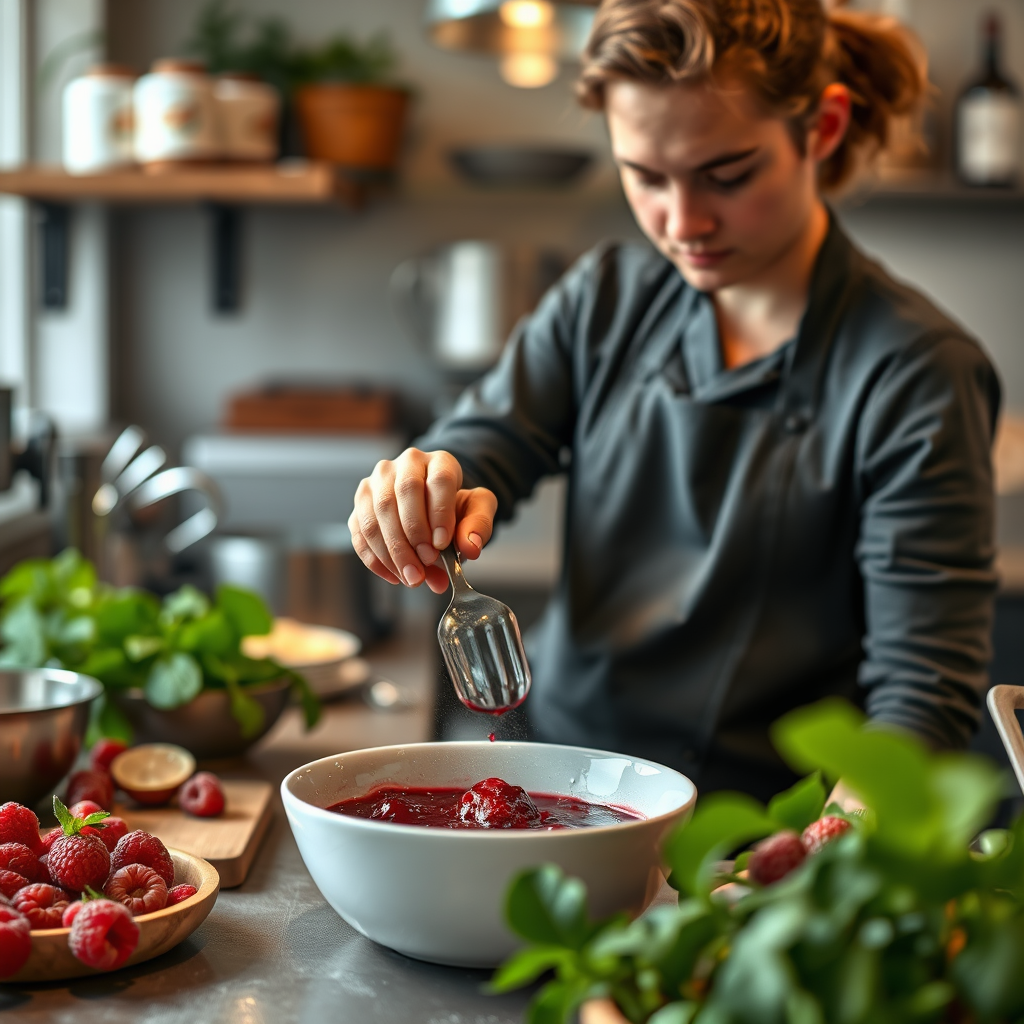
This guide provides a detailed recipe for making raspberry jam, complete with precise measurements, cooking times, and essential safety tips for home canning. It delves into the best types of raspberries for jam-making, the equipment you’ll need, and safe canning techniques to ensure a successful and long-lasting product. You’ll learn how to achieve the ideal consistency, flavor, and preservation.
However, this guide does not include variations like low-sugar or sugar-free recipes, nor does it address the use of alternative fruits or flavorings in raspberry jam. The focus here remains on traditional raspberry jam, emphasizing both the art and science behind this beloved preserve.
Who Should Read This

This guide is designed for home cooks with a basic understanding of cooking and a keen interest in fruit preservation, particularly those eager to make raspberry jam. It is especially suitable for individuals who are already familiar with kitchen hygiene and food safety practices, including the critical importance of sterilization in canning.
If you are entirely new to canning or jam-making, you might find this guide too advanced. It’s advisable first to familiarize yourself with the fundamental principles of home canning to ensure a safe and enjoyable experience.
The Step-by-Step Protocol
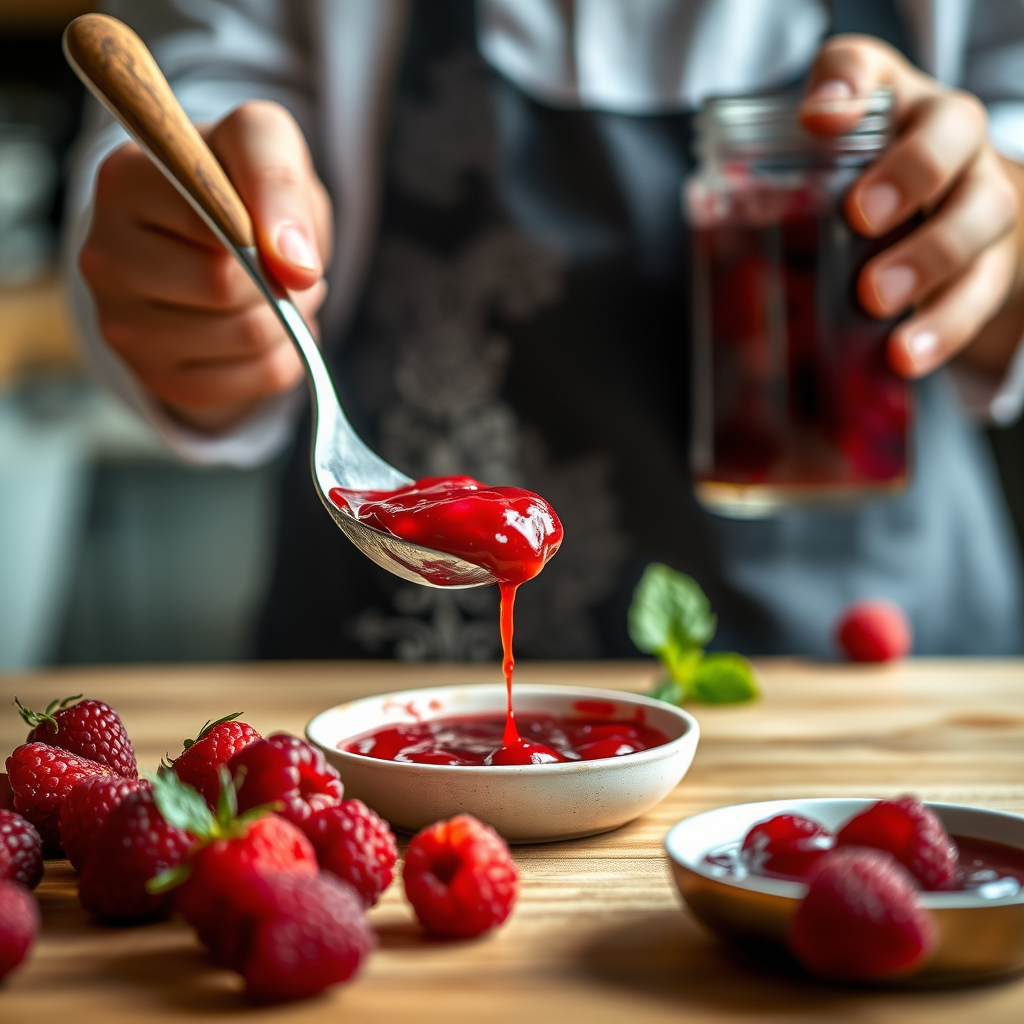
1. Gather Ingredients: Collect 4 cups of fresh raspberries, 5 cups of granulated sugar, and 1/4 cup of lemon juice. Accurate measurements are crucial for achieving the desired flavor and consistency in your jam.
2. Prepare Equipment: Sanitize 8-ounce canning jars and lids by boiling them for 10 minutes. Set up a water bath canner, ensuring it contains at least 3 inches of water for processing. Use a jar lifter and a canning funnel to facilitate a smoother and safer process.
3. Cook the Jam: In a large, heavy-bottomed pot, combine the raspberries, sugar, and lemon juice. Heat over medium-high heat until the mixture reaches a full boil, stirring frequently. Continue boiling for approximately 10-15 minutes until the mixture hits 220°F, the gel point. A candy thermometer will help ensure accuracy, as this temperature is vital for proper setting.
4. Fill and Seal Jars: Once the jam has reached the correct temperature, pour it into the sterilized jars, leaving about 1/4-inch headspace. Wipe the rims of the jars with a clean cloth to eliminate any residue. Secure the lids on the jars and tighten the rings to fingertip tightness; avoid overtightening.
5. Process the Jars: Submerge the filled jars in the boiling water bath for 10 minutes. If you are at high altitude (over 1,000 feet above sea level), add 1 additional minute for every 1,000 feet of elevation. This step is essential for ensuring the safety and longevity of your jam.
6. Cool and Store: After processing, carefully remove the jars from the water bath using a jar lifter. Place them on a clean towel or cooling rack and allow them to cool for 24 hours. Once cooled, check the seals by pressing the center of each lid; it should remain firm. Store the sealed jars in a cool, dark place for up to one year.
Warning Signs: When Not to Follow This
– If the raspberries are moldy, overripe, or emit a fermented smell, do not use them. Compromised fruit can spoil the jam and pose safety risks.
– Avoid making this recipe if you lack proper canning equipment, as inadequate sealing can lead to spoilage and significant food safety concerns.
– Refrain from using this recipe if you have health conditions that require limiting sugar intake. The high sugar content is vital for preservation, and substituting it may compromise the jam’s safety and texture.
The Most Common Mistakes (And Their Consequences)
– Skipping the sterilization process can result in contaminated jars, leading to spoilage or foodborne illnesses due to harmful bacteria. Always ensure that jars and lids are properly sanitized before use.
– Inaccurate sugar measurement can adversely affect the jam’s gelling ability. Too little sugar may create a runny consistency, while too much can result in a jam that fails to set properly.
– Neglecting to reach the correct temperature (220°F) can lead to jam that is either too thick or too thin. Failing to achieve the gel point will prevent proper setting, resulting in a syrup-like consistency.
Special Cases That Need a Different Approach
– If you are using frozen raspberries, reduce the lemon juice to 2 tablespoons, as frozen fruit has a higher water content that can impact the jam’s consistency. Thaw the raspberries and drain any excess liquid before proceeding with the recipe.
– For those sensitive to sugar, consider pectin products designed for low-sugar recipes, which will require adjustments in cooking time and additional ingredients. Follow the specific instructions for the pectin product to achieve the desired results.
– When making raspberry jam at high altitudes (over 3,000 feet), increase the processing time to 15 minutes and monitor the temperature closely for proper gelling. The atmospheric pressure at higher altitudes can affect cooking times and temperatures.
When You Need a Professional
– If you observe any signs of spoilage, such as bulging lids, discoloration, or off smells post-processing, discard the jam immediately. Consult a food safety expert for guidance on safe disposal and preventive measures for future batches.
– If you’re uncertain about the canning process or how to achieve a proper seal, reach out to your local extension office or a food preservation specialist for assistance before attempting to can jam.
– When preserving large quantities of raspberry jam or planning to sell it commercially, seek advice from a licensed food safety expert to ensure compliance with local regulations and safe food handling practices.
Sources and Further Reading
– National Center for Home Food Preservation: Comprehensive guidelines on home canning and preserving fruits, including jam-making techniques (www.nchfp.uga.edu).
– “The Ball Book of Canning and Preserving”: A trusted resource for canning recipes and safety information, detailing the science behind food preservation.
– USDA Complete Guide to Home Canning: An official publication providing detailed methods and standards for safe home canning practices.
By following this expert guide, you can confidently create delicious raspberry jam that captures the essence of fresh fruit while ensuring safety and quality. Happy canning!
Frequently Asked Questions
What ingredients do I need for a basic raspberry jam recipe?
To make a basic raspberry jam, you will need fresh raspberries, granulated sugar, and lemon juice. Typically, the ratio is about 4 cups of raspberries to 5 cups of sugar and 1/4 cup of lemon juice, which helps balance the sweetness and adds acidity for preservation.
How long does it take to make raspberry jam from start to finish?
The process of making raspberry jam usually takes about 30 minutes to an hour, depending on the cooking method. After preparing the ingredients, cooking the mixture until it reaches the desired consistency can take around 15-20 minutes, followed by cooling and canning.
Why is my raspberry jam not setting properly?
If your raspberry jam is not setting, it could be due to insufficient pectin, undercooking the mixture, or using overly ripe fruit. To remedy this, you can add commercial pectin or cook the jam longer while testing the consistency until it reaches the desired thickness.
What is the best way to store homemade raspberry jam?
The best way to store homemade raspberry jam is to keep it in sterilized jars and seal them tightly. Store the jars in a cool, dark place like a pantry for up to a year; once opened, keep it refrigerated and consume within a few weeks for optimal freshness.
Which types of raspberries are best for making jam?
The best types of raspberries for making jam are red raspberries, particularly varieties like ‘Heritage’ or ‘Tulameen’, as they have a balanced sweetness and rich flavor. Black raspberries can also be used for a unique taste, but red raspberries are typically preferred for their higher pectin content, making them ideal for jam.
References
- Fruit preserves
https://en.wikipedia.org/wiki/Raspberry_jam - https://www.uga.edu/extension/food_safety/recipes/raspberry-jam.html
https://www.uga.edu/extension/food_safety/recipes/raspberry-jam.html - https://pubmed.ncbi.nlm.nih.gov/20357927/
https://pubmed.ncbi.nlm.nih.gov/20357927/ - https://www.britannica.com/topic/jam
https://www.britannica.com/topic/jam - Google Scholar Google Scholar
https://scholar.google.com/scholar?q=raspberry+jam+recipe - Google Scholar Google Scholar
https://scholar.google.com/scholar?q=making+jam+from+fruit - Google Scholar Google Scholar
https://scholar.google.com/scholar?q=raspberry+preservation+techniques - https://www.cdc.gov/foodsafety/food-safety-education-month/recipes.html
https://www.cdc.gov/foodsafety/food-safety-education-month/recipes.html - https://www.nutrition.gov/recipes/raspberry-jam
https://www.nutrition.gov/recipes/raspberry-jam - Google Scholar Google Scholar
https://scholar.google.com/scholar?q=recipe+for+raspberry+jam