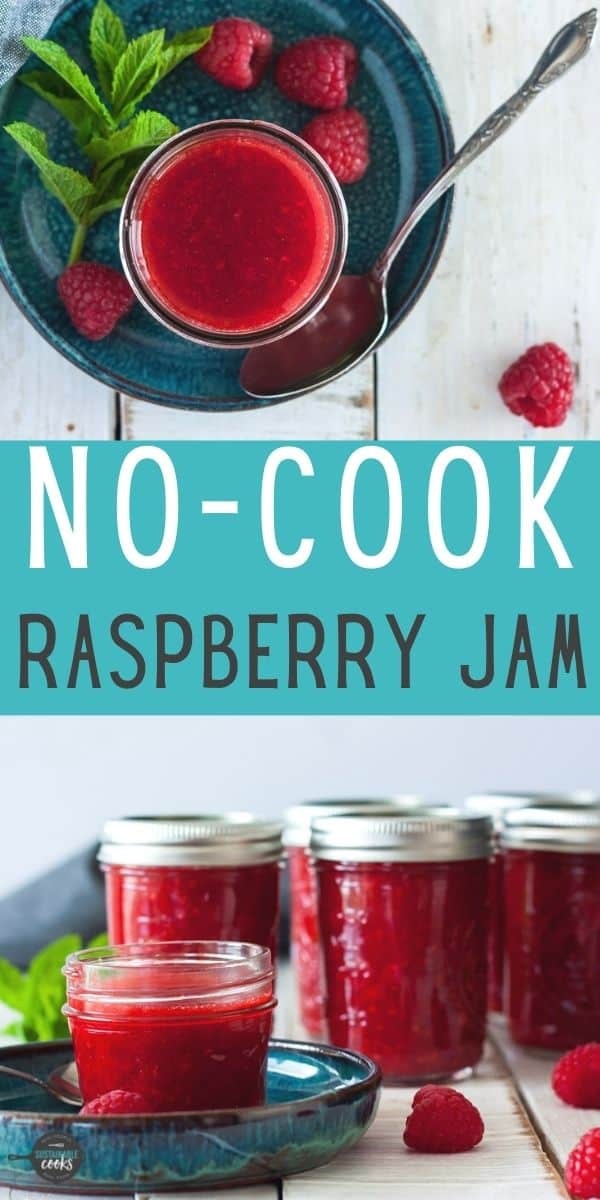
Master the art of making raspberry freezer jam with this complete expert guide, designed for home canners and food preservation enthusiasts. This comprehensive resource details the step-by-step process, essential ingredients, and safety protocols necessary for achieving delicious, shelf-stable results. Following these guidelines ensures not only the best flavor and texture but also the safety of your preserved goods. Elevate your jam-making skills and preserve the taste of summer with confidence.
What This Guide Covers (And What It Doesn’t)

This guide offers a thorough, step-by-step recipe for crafting raspberry freezer jam, complete with ingredient lists, preparation techniques, and storage recommendations. It emphasizes the cold pack method of jam-making, which preserves the fresh taste and nutrients of raspberries without the need for canning or cooking. Aimed at home cooks eager to create delicious, easy-to-make raspberry freezer jam, this guide does not delve into alternative fruit jams, canning techniques, or long-term preservation methods.
Who Should Read This
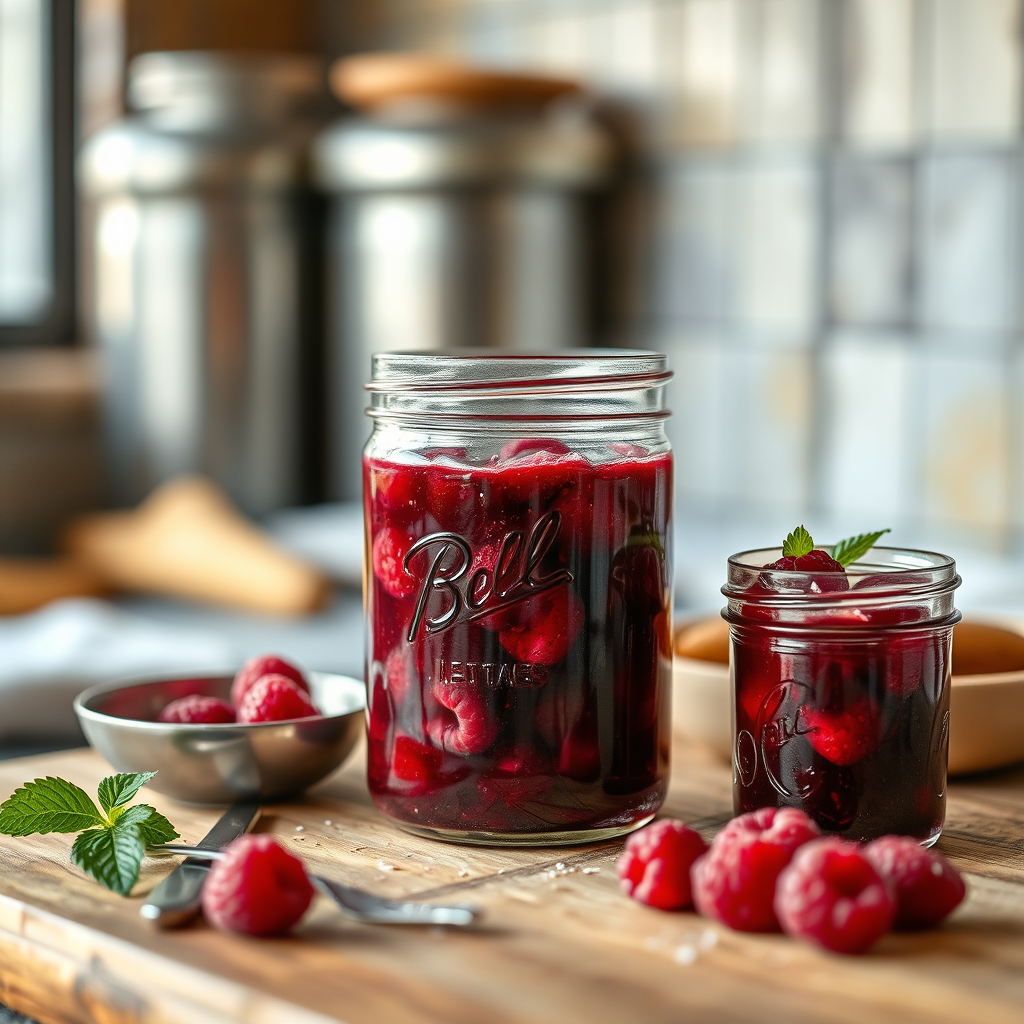
This guide is perfect for novice home cooks eager to learn the basics of making raspberry freezer jam without prior experience. It also caters to experienced fruit preservers seeking a quick and fresh recipe that yields high-quality jam using raspberries. Those interested in preserving seasonal fruits in a simple and efficient manner will find this guide particularly useful, while individuals looking for intricate canning techniques may need to seek other resources.
The Step-by-Step Protocol
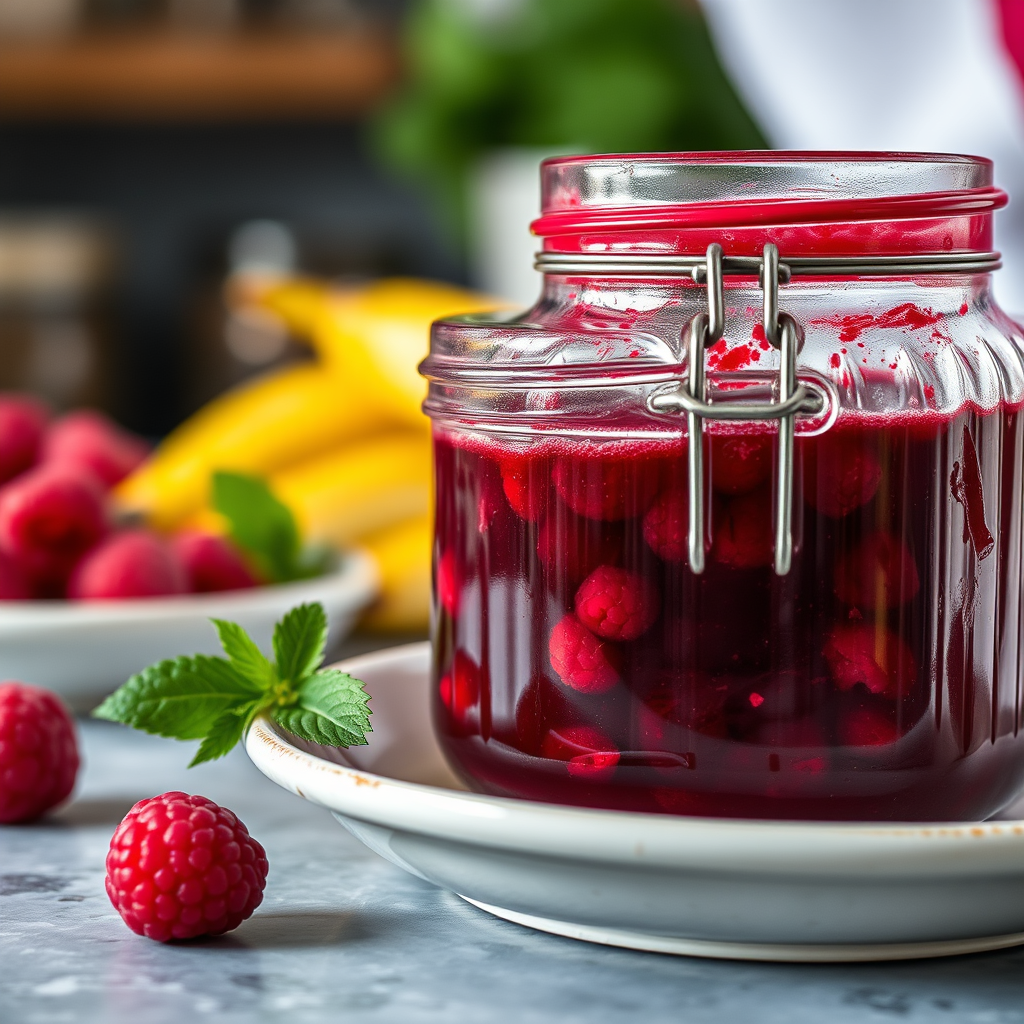
1. Gather Ingredients: You will need 4 cups of fresh raspberries, 1 ½ cups of granulated sugar, 1 tablespoon of lemon juice, and ¼ cup of fruit pectin. Ensure all ingredients are fresh and of high quality to achieve the best flavor and texture.
2. Prepare the Berries: Wash the raspberries thoroughly in cold water to remove any dirt or pesticides. Remove any stems or leaves, then gently pat them dry with a clean towel to prevent excess moisture from affecting the jam’s consistency.
3. Mash the Raspberries: In a large bowl, use a potato masher or fork to crush the raspberries until you have approximately 2 cups of mashed fruit. Be careful not to over-mash; leaving some chunks will add texture and enhance the overall experience.
4. Combine Ingredients: In a separate bowl, mix the granulated sugar and pectin together thoroughly. Add this mixture to the mashed raspberries along with 1 tablespoon of lemon juice. Stir the mixture vigorously for about 3 minutes until the sugar is completely dissolved. This step is crucial for ensuring that the jam sets properly.
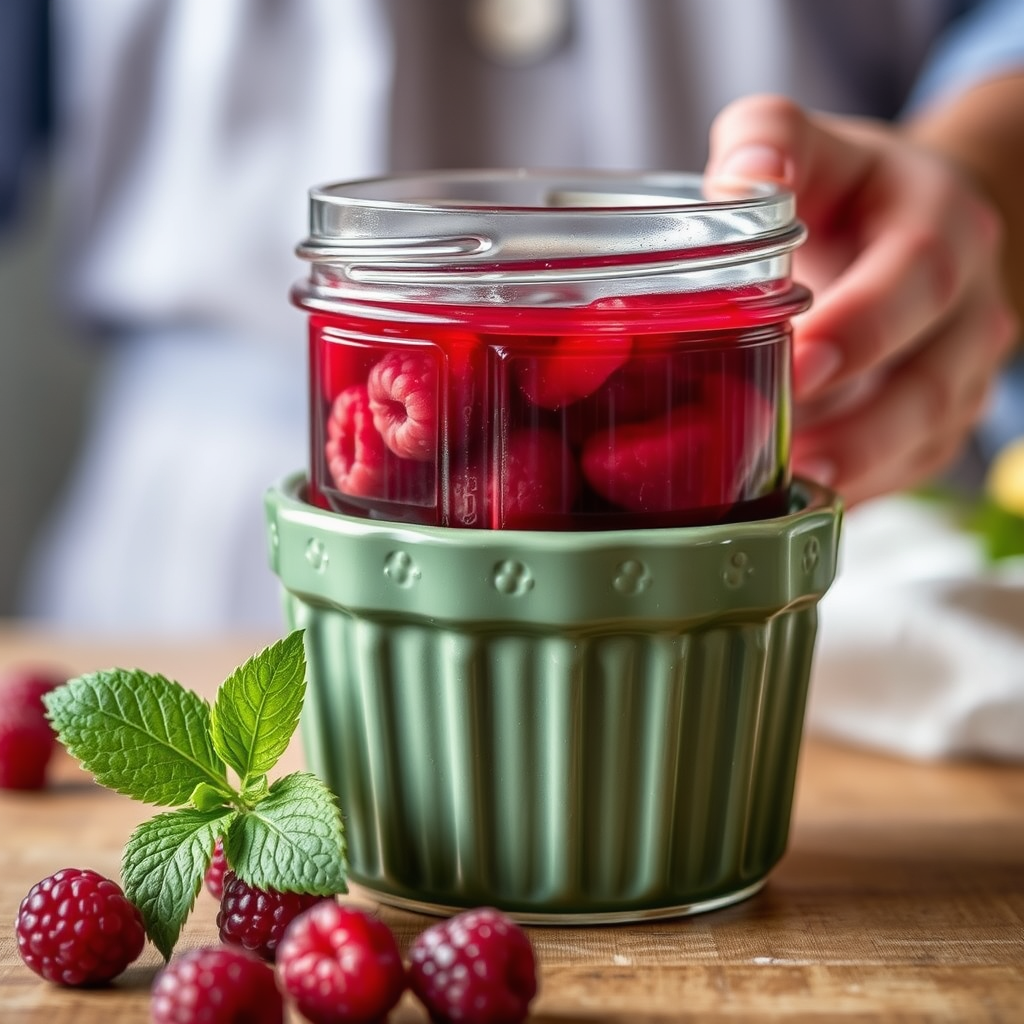
5. Fill Containers: Transfer the jam into clean, freezer-safe jars or containers. Leave about ½ inch of space at the top of each container to allow for expansion during freezing. Seal the containers tightly to prevent air from entering, which can lead to freezer burn.
6. Freeze: Place the filled containers in the freezer. The jam can be stored for up to one year, but for optimal flavor and quality, it is best consumed within six months. Label the containers with the date and type of jam for easy identification later.
Warning Signs: When Not to Follow This
– Do not attempt this raspberry freezer jam recipe if you have an allergy to fruits or any of the ingredients listed, as it could lead to adverse health reactions.
– Avoid making the jam if the raspberries show signs of spoilage, such as mold or an off smell, as this could compromise the safety and quality of the jam.
– If your kitchen environment does not meet safe food handling practices (i.e., cleanliness, proper storage temperatures), it is advisable to wait until conditions improve before making this jam.
The Most Common Mistakes (And Their Consequences)
– Many beginners underestimate the importance of measuring ingredients accurately, which can lead to a jam that may not set properly. Using too much or too little sugar or pectin can result in a runny or overly sweet product that fails to achieve the desired consistency.
– Failing to crush the raspberries adequately can lead to an uneven texture in the jam. Insufficient mashing may leave larger pieces of fruit, resulting in a less enjoyable eating experience.
– Not allowing adequate time for the sugar to dissolve before freezing can create a grainy texture, detracting from the quality of the final product and leaving a less appealing mouthfeel.
Special Cases That Need a Different Approach
– If you have diabetic dietary restrictions, consider using a sugar substitute specifically designed for canning, ensuring it is suitable for freezer jam recipes, as some may not perform correctly. Always check product guidelines for compatibility.
– If you wish to incorporate additional flavors or ingredients, such as herbs or spices, do so in moderation and test in small batches. Overpowering the raspberry flavor can lead to an unbalanced jam that may not appeal to everyone.
– For those living in high-altitude areas, adjustments in pectin and sugar amounts may be necessary due to differing boiling points and atmospheric pressures. Consult resources specific to high-altitude cooking for tailored advice.
When You Need a Professional
– If you experience any allergic reactions or food safety issues after consuming the jam, consult a healthcare professional immediately.
– In cases where you’re uncertain about the quality or safety of your ingredients (e.g., if you sourced raspberries from an unknown origin), seek advice from a food safety expert or local extension service to ensure your jam is safe for consumption.
– If you plan to scale up production for commercial purposes, involving a food preservation expert or a licensed food safety consultant is essential. Compliance with local and federal food safety regulations is critical in such scenarios.
Sources and Further Reading
– For more information on fruit preservation, refer to the USDA’s guidelines on freezing fruits and making jams, which provide essential insights into safe practices (USDA Food Safety and Inspection Service).
– The National Center for Home Food Preservation offers detailed resources on safe food preservation practices and the science behind making jams and jellies, which can enhance your understanding.
– For additional recipes and variations on raspberry jam, consider reviewing publications from the Ball Complete Book of Home Preserving, which provides reliable information on fruit preservation techniques.
By following this expert guide, you can confidently create delicious raspberry freezer jam that captures the vibrant flavor of fresh raspberries while ensuring safety and quality. Enjoy your jam as a delightful spread on toast, a topping for desserts, or a flavorful ingredient in various recipes.
Frequently Asked Questions
What ingredients do I need for a raspberry freezer jam recipe?
To make a delicious raspberry freezer jam, you will need fresh or frozen raspberries, granulated sugar, lemon juice, and pectin. Using a quality fruit pectin, such as Sure-Jell or Ball, is crucial for achieving the right consistency. This simple combination allows the natural flavor of the raspberries to shine through while providing the perfect sweetness.
How do I properly prepare raspberries for freezer jam?
To prepare raspberries for freezer jam, start by washing them gently under cool water to remove any dirt or debris. If using fresh raspberries, remove any stems and mash them lightly with a potato masher or fork, leaving some chunks for texture. If using frozen raspberries, allow them to thaw completely before mashing, and drain any excess liquid to ensure the jam sets properly.
Why is pectin important in a raspberry freezer jam recipe?
Pectin is essential in a raspberry freezer jam recipe because it acts as a thickening agent, helping the jam to achieve the desired consistency and preventing it from being too runny. Without pectin, the natural sugars and acids in the raspberries would not gel effectively, resulting in a less appealing texture. Using the right amount of pectin ensures a perfect balance of sweetness and spreadability.
What is the best way to store raspberry freezer jam for long-lasting freshness?
The best way to store raspberry freezer jam is in clean, airtight containers or freezer-safe jars, leaving some space at the top for expansion as it freezes. Make sure to label each container with the date for easy tracking. Properly stored, your raspberry freezer jam can last up to one year in the freezer, retaining its flavor and texture.
Which common mistakes should I avoid when making raspberry freezer jam?
Common mistakes to avoid when making raspberry freezer jam include not measuring the ingredients accurately, which can affect the jam’s consistency, and skipping the pectin activation step. Additionally, overcooking the mixture or not allowing it to cool properly before freezing can lead to undesirable textures. Follow the recipe closely and ensure you use fresh, high-quality ingredients for the best results.
References
- Fruit preserves
https://en.wikipedia.org/wiki/Jam - https://www.extension.purdue.edu/extmedia/FNR/FNR-410-W.pdf
https://www.extension.purdue.edu/extmedia/FNR/FNR-410-W.pdf - https://www.extension.umn.edu/preserving/fermenting-jams/
https://www.extension.umn.edu/preserving/fermenting-jams/ - https://www.fs.fed.us/t-d/pubs/html/pub2015/
https://www.fs.fed.us/t-d/pubs/html/pub2015/ - https://www.nal.usda.gov/legacy/legacy/preservation-technology-raspberry-jam-guide
https://www.nal.usda.gov/legacy/legacy/preservation-technology-raspberry-jam-guide - Google Scholar Google Scholar
https://scholar.google.com/scholar?q=raspberry+freezer+jam+recipe - Google Scholar Google Scholar
https://scholar.google.com/scholar?q=raspberry+jam+preservation - Google Scholar Google Scholar
https://scholar.google.com/scholar?q=freezer+jam+recipe+raspberry - https://www.uga.edu/extension/food-safety/preserving-fruits-and-vegetables.html
https://www.uga.edu/extension/food-safety/preserving-fruits-and-vegetables.html - https://www.ncbi.nlm.nih.gov/pmc/articles/PMC6266465/
https://www.ncbi.nlm.nih.gov/pmc/articles/PMC6266465/