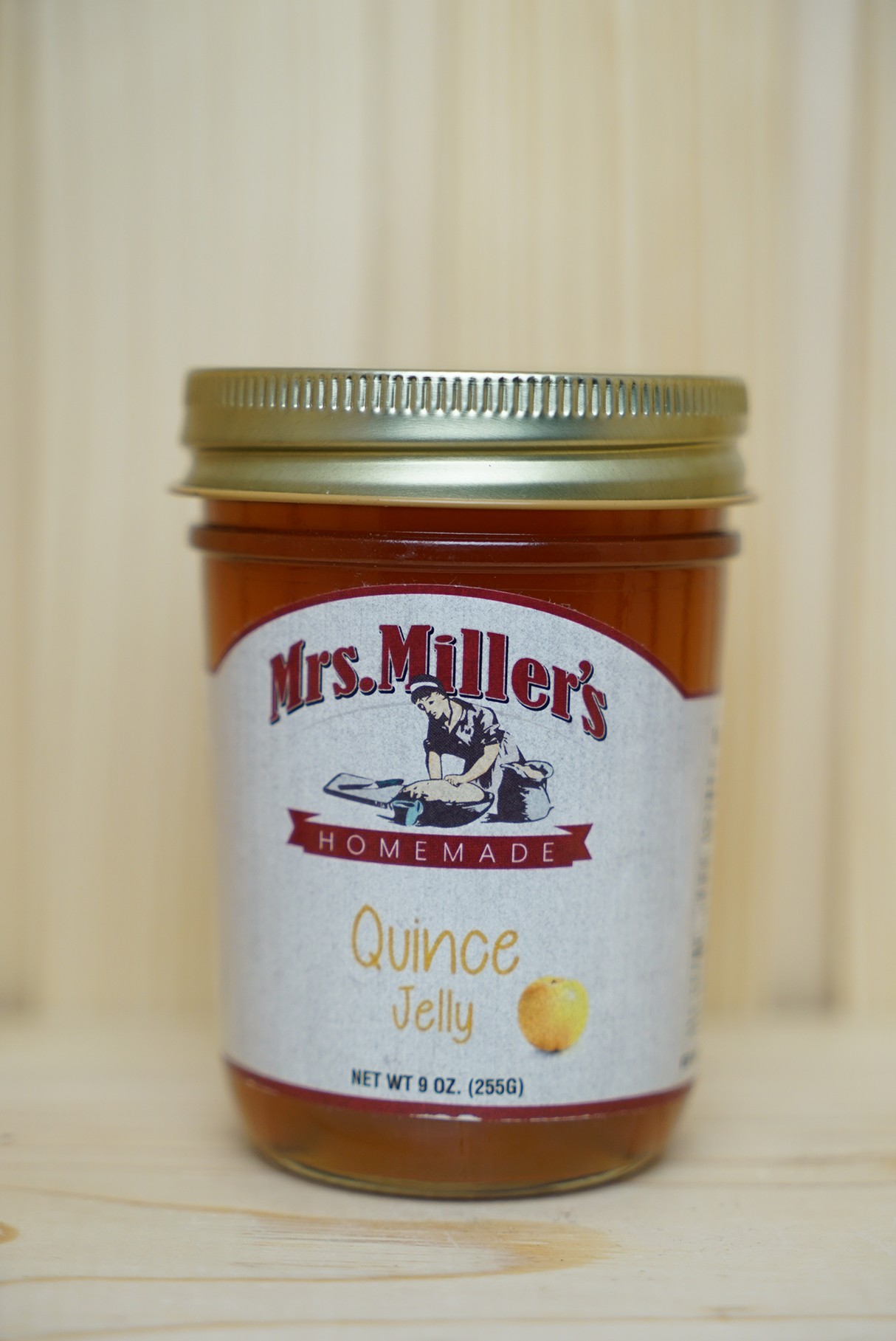
Master the art of safely making quince jelly jam with this expert guide, designed for both novice and experienced cooks. This comprehensive resource covers precise recipes, essential techniques, and critical safety protocols to ensure a delicious and safe preserve. Following these guidelines not only enhances flavor but also protects against common pitfalls in home canning. Dive into the world of quince jelly and elevate your culinary skills with confidence.
What This Guide Covers (And What It Doesn’t)

This comprehensive guide offers a detailed, step-by-step recipe for making quince jelly jam, complete with ingredient specifics, necessary equipment, and best practices for safe canning. You will discover how to harness the unique flavor of quinces while ensuring that your product is safe for consumption. Emphasizing safety protocols and preservation methods tailored for home canners, this guide empowers you to create a high-quality product.
However, it does not address alternative fruit preserves or advanced canning techniques beyond quince jelly. Designed for home canners eager to craft a safe and delicious product using fresh quinces, it focuses on safety and preservation methods. While it assumes a basic understanding of kitchen hygiene and general canning principles, detailed instructions are provided for those new to the process.
Who Should Read This
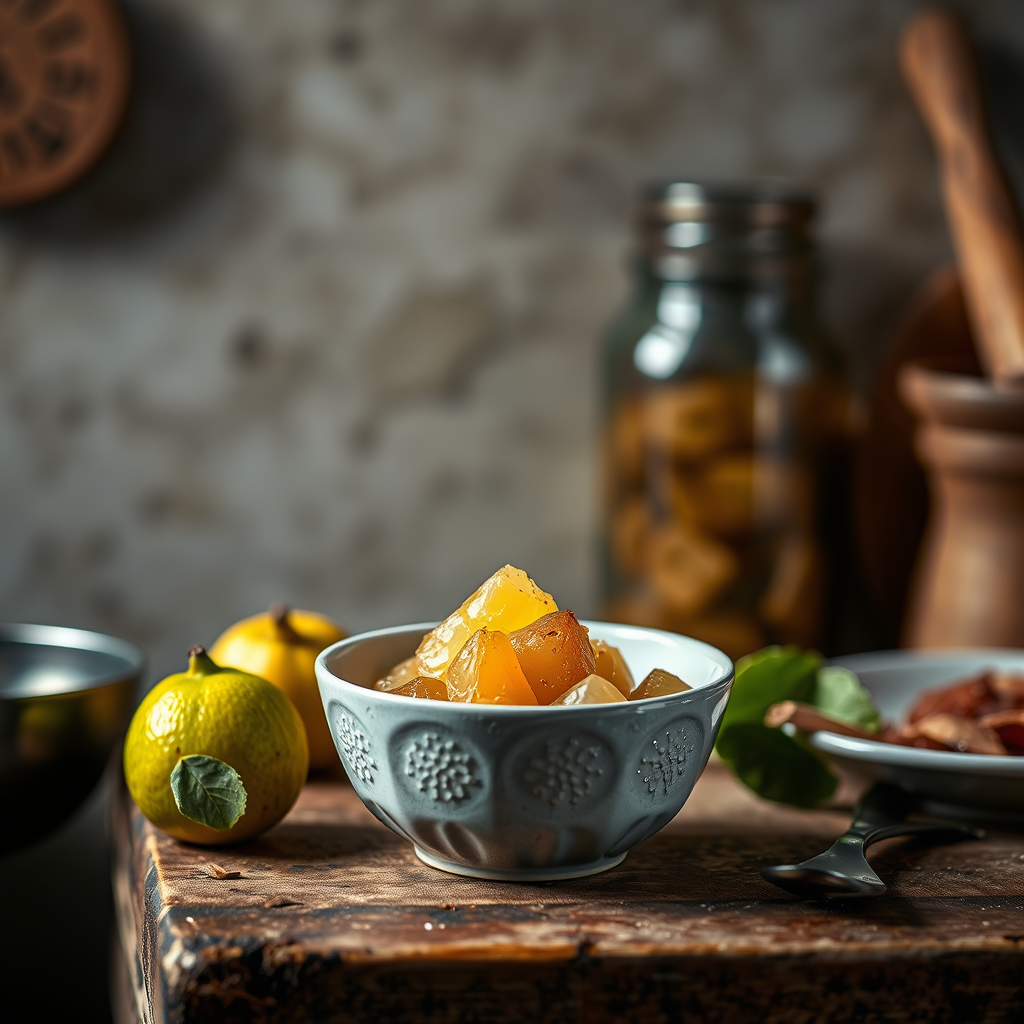
This guide is perfect for home cooks interested in fruit preservation, particularly those eager to explore unique flavors like quince. It caters to individuals with a moderate level of kitchen confidence, especially those who have previous experience with basic canning or jam-making. Readers seeking a reliable and safe recipe for quince jelly jam, particularly those with access to fresh quinces, will find this guide highly beneficial. However, it may not suit those with no prior cooking experience or a lack of interest in food preservation techniques.
The Step-by-Step Protocol
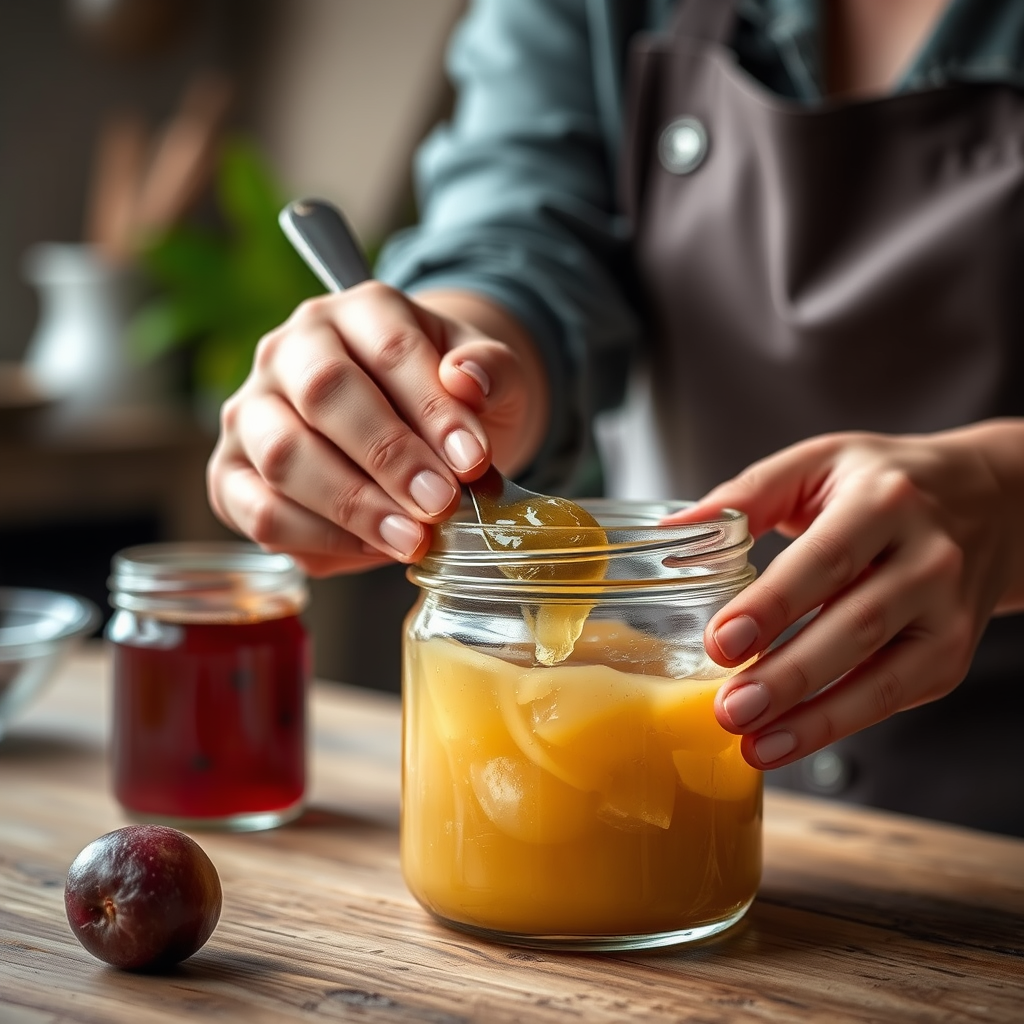
1. Gather Ingredients and Equipment: Collect the following items:
– 4 cups of finely chopped quinces (approximately 4-5 medium quinces)
– 4 cups of granulated sugar
– 1/4 cup of freshly squeezed lemon juice (about 1-2 lemons)
– 1 package (1.75 oz) of fruit pectin (such as Sure-Jell)
Additionally, ensure you have the following equipment:
– 5-6 sterilized half-pint jars and lids
– A large pot for cooking
– A fine sieve or cheesecloth for straining
– A ladle and jar lifter for filling and handling hot jars
2. Prepare the Quinces: Begin by washing the quinces thoroughly under running water to eliminate any surface debris. Cut them into quarters without peeling, and remove any visible seeds. Place the prepared quinces into a large pot, adding 6 cups of water. Bring the pot to a simmer over medium heat and let it cook for approximately 30-40 minutes, or until the quinces are soft to the touch.
3. Strain and Measure Juice: After the quinces have softened, remove the pot from heat. Using a fine sieve or cheesecloth, strain the mixture into a large bowl or pot to extract the juice. Aim for 4 cups of juice; if necessary, add a little water to reach this measurement, but do so sparingly to maintain the jelly’s flavor concentration.
4. Cook the Jelly: In a large saucepan, combine the quince juice, lemon juice, and fruit pectin. Stir the mixture well and bring it to a rapid boil over medium-high heat, stirring constantly for about 1-2 minutes. Once a rolling boil is achieved, quickly add the granulated sugar all at once. Return the mixture to a rolling boil and cook for an additional minute while continuing to stir. This step is crucial for activating the pectin, ensuring the jelly sets properly.
5. Fill the Jars: After cooking, remove the jelly from heat. Carefully fill each sterilized jar with the hot quince jelly using a ladle, leaving about 1/4 inch of headspace at the top. Wipe the rims of the jars with a clean, damp cloth to eliminate any residue that could prevent sealing.
6. Seal and Process: Place the sterilized lids on each jar and screw on the bands until they are fingertip-tight. Process the jars in a boiling water bath for 5-10 minutes, ensuring the water covers the jars by at least 1 inch. Adjust processing time based on altitude; increase by 1 minute for every 1,000 feet above sea level.
7. Cool and Store: After processing, carefully remove the jars using a jar lifter and place them on a clean kitchen towel or cooling rack. Allow the jars to cool completely at room temperature, which may take 12-24 hours. Check the seals by pressing down in the center of each lid; if it doesn’t pop back, it has sealed properly. Store the sealed jars in a cool, dark place. Unsealed jars can be refrigerated and used within a few weeks.
Warning Signs: When Not to Follow This

– If you notice any signs of spoilage in the quinces, such as an off smell, discoloration, or mold, do not proceed with the recipe. Spoiled fruit can lead to foodborne illnesses.
– Avoid making this recipe if your kitchen environment does not allow for proper sanitation, which is critical for safe canning. Ensure that you work in a clean space and that all equipment is sterilized.
– If you have experienced difficulties with canning in the past, such as jars not sealing properly, seeking additional guidance before proceeding is advisable. A lack of proper sealing can lead to spoilage.
– If you have any allergies or sensitivities to quinces or any of the listed ingredients, do not attempt this recipe.
The Most Common Mistakes (And Their Consequences)
– A frequent mistake is not measuring the quince juice accurately, which can lead to improper gelling and result in a runny jelly that fails to set.
– Using fruit that is overripe or underripe can alter the flavor and texture of the jelly, resulting in an undesirable product that may lack the characteristic taste of quince.
– Not following sterilization procedures for jars and lids can lead to spoilage or contamination, which may cause foodborne illness. Always ensure your jars are properly sterilized before use.
– Skipping the water bath canning process after filling jars can result in spoilage due to improper sealing and preservation, making the jelly unsafe for long-term storage.
Special Cases That Need a Different Approach
– For those who prefer a lower sugar option, consider using a sugar substitute designed for canning, while adjusting pectin amounts accordingly. Ensure the substitute you choose is compatible with canning processes.
– If you are using frozen quinces, ensure they are completely thawed and measure the juice after thawing for accurate results, as the moisture content can differ significantly from fresh quinces.
– In high-altitude areas, additional adjustments to processing times may be necessary to ensure proper sealing and preservation. Consult local guidelines for canning adjustments based on your elevation.
– For those with dietary restrictions, explore recipes that substitute traditional pectin with natural alternatives such as apple peels or citrus peels, which can also provide gelling properties.
When You Need a Professional
– If you encounter persistent issues with jar sealing even after following proper canning procedures, consult a certified food preservation expert to troubleshoot the process.
– Seek professional advice if you are unsure about the safety of your ingredients, particularly if you suspect spoilage or contamination. Food safety is paramount in preserving.
– Individuals with serious allergies to quinces or other preservatives should contact a healthcare professional for personalized advice before attempting this recipe, ensuring that their health is not compromised.
– If you are considering scaling the recipe significantly (more than double), engage a food safety expert to ensure that safety standards are maintained and that the recipe remains effective.
Sources and Further Reading
– “The Complete Book of Home Preserving” by Ball and the Home Canning Association provides foundational knowledge on safe canning techniques, including recipes and preservation methods.
– University Extension Services offer valuable resources on local canning regulations and best practices for making fruit preserves, including quince jelly.
– The National Center for Home Food Preservation is a credible source for guidelines on safe canning methods and recipes, ensuring that home canners adhere to safety standards.
– Research articles on the nutritional benefits of quinces and proper canning methods can be found in reputable food science journals, providing further insights into the benefits of quince jelly.
This guide serves as a comprehensive resource for anyone looking to make quince jelly jam safely and effectively, ensuring a delightful addition to your pantry. As you embark on this flavorful journey, embrace the process and enjoy the fruits of your labor in every delicious bite.
Frequently Asked Questions
What ingredients do I need for a quince jelly jam recipe?
To make quince jelly jam, you will need fresh quinces, sugar, lemon juice, and water. The quinces are the star ingredient, providing the unique flavor and natural pectin needed for the jelly to set properly. Using freshly squeezed lemon juice helps balance the sweetness and enhances the flavor profile.
How do I properly prepare quinces for jelly making?
To prepare quinces for jelly, start by washing them thoroughly to remove any dirt. Cut the quinces into quarters without peeling or coring them, as the peels and seeds contribute natural pectin, which is essential for achieving the right jelly consistency. Simmer the quarters in water until they are soft, then strain to extract the juice.
Why is my quince jelly not setting properly?
If your quince jelly is not setting, it may be due to insufficient pectin or not boiling the mixture long enough. Ensure you are using ripe quinces, as they contain more natural pectin. Additionally, consider adding commercial pectin to your recipe if needed, and make sure to follow the boiling time to achieve the desired gel consistency.
What is the best way to store homemade quince jelly?
The best way to store homemade quince jelly is in sterilized glass jars with tight-fitting lids. After filling the jars, process them in a boiling water bath for about 5-10 minutes to ensure they are sealed properly, which prevents spoilage. Store the jars in a cool, dark place, and refrigerate after opening.
Which recipes can I use quince jelly in?
Quince jelly can be used in various recipes, such as glazes for meats, spread on toast, or incorporated into desserts like cakes and tarts. It also pairs well with cheeses and can be used to enhance sauces and marinades. The versatility of quince jelly makes it a delightful addition to both savory and sweet dishes.
References
- Quince
https://en.wikipedia.org/wiki/Quince - ODA : Welcome Page : State of Oregon
https://www.oregon.gov/oda/shared/Documents/Publications/IPPM/Quince.pdf - https://www.extension.iastate.edu/foodsource/recipes/quince-jelly
https://www.extension.iastate.edu/foodsource/recipes/quince-jelly - https://www.sciencedirect.com/topics/agricultural-and-biological-sciences/quince
https://www.sciencedirect.com/topics/agricultural-and-biological-sciences/quince - https://pubmed.ncbi.nlm.nih.gov/?term=quince+jelly
https://pubmed.ncbi.nlm.nih.gov/?term=quince+jelly - https://www.ncbi.nlm.nih.gov/pmc/articles/PMC6416468/
https://www.ncbi.nlm.nih.gov/pmc/articles/PMC6416468/ - Google Scholar Google Scholar
https://scholar.google.com/scholar?q=quince+jelly+recipe - Google Scholar Google Scholar
https://scholar.google.com/scholar?q=quince+recipes - Quince | Description, Fruit, & Uses | Britannica
https://www.britannica.com/plant/quince - Google Scholar Google Scholar
https://scholar.google.com/scholar?q=quince+jelly+jam+recipe