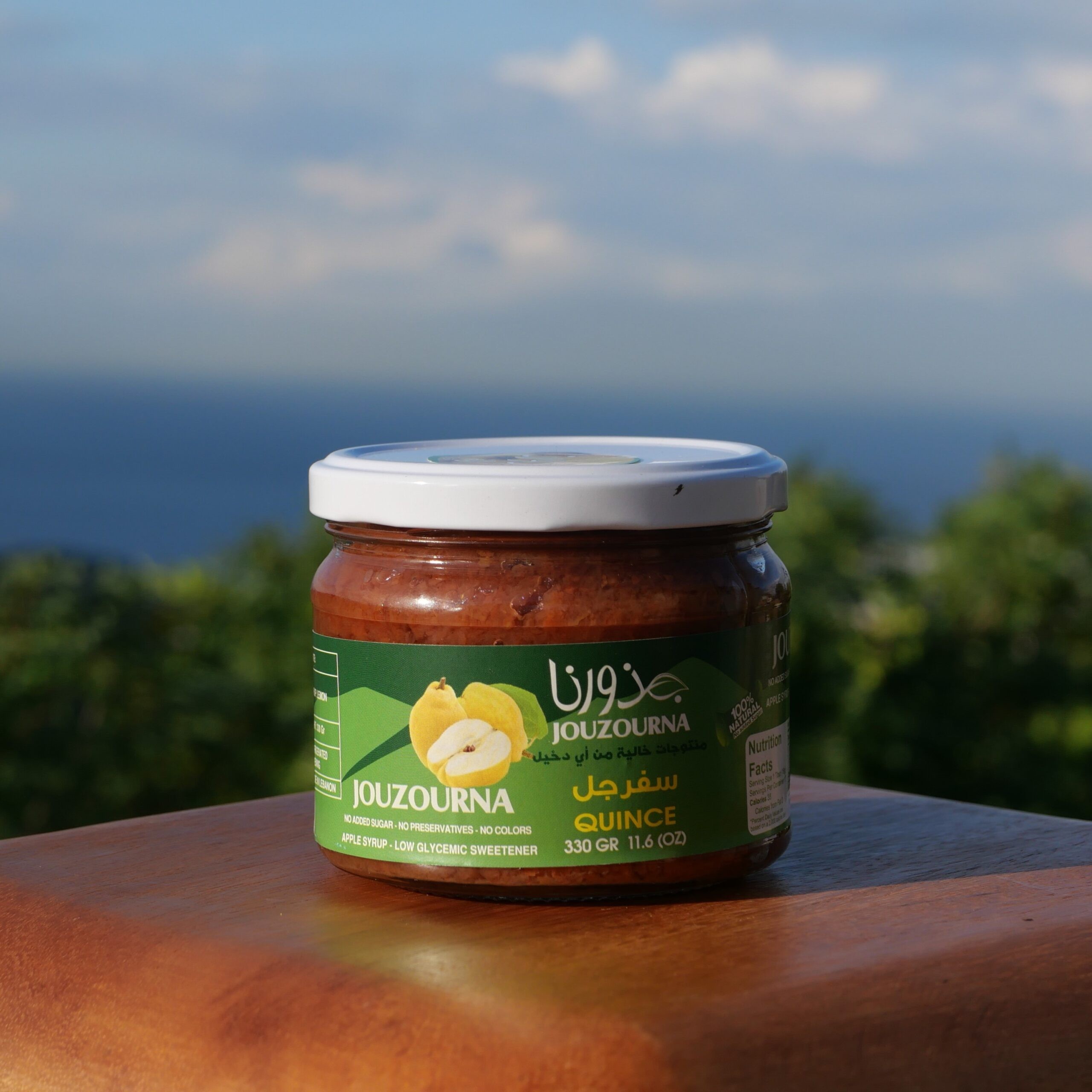
Master the art of making quince jam at home with this expert guide, tailored for both novice and seasoned cooks. This comprehensive resource provides precise recipes and essential safety protocols, ensuring your homemade jam is not only delicious but also safe to consume. Following these expert techniques is crucial for achieving the perfect texture and flavor while preserving the integrity of this unique fruit. Dive in to transform quince into a delightful spread that elevates any meal.
What This Guide Covers (And What It Doesn’t)

This guide offers a comprehensive, step-by-step recipe for creating quince jam, detailing the essential ingredients, equipment, and techniques needed for successful preparation and preservation. It highlights critical food safety protocols specific to jam-making, including proper sterilization methods and pH level checks to ensure the jam is safe for consumption. However, this guide does not address alternative fruit jams or preserves, nor does it explore the history or origins of quince; it focuses exclusively on the process of making quince jam at home.
Who Should Read This
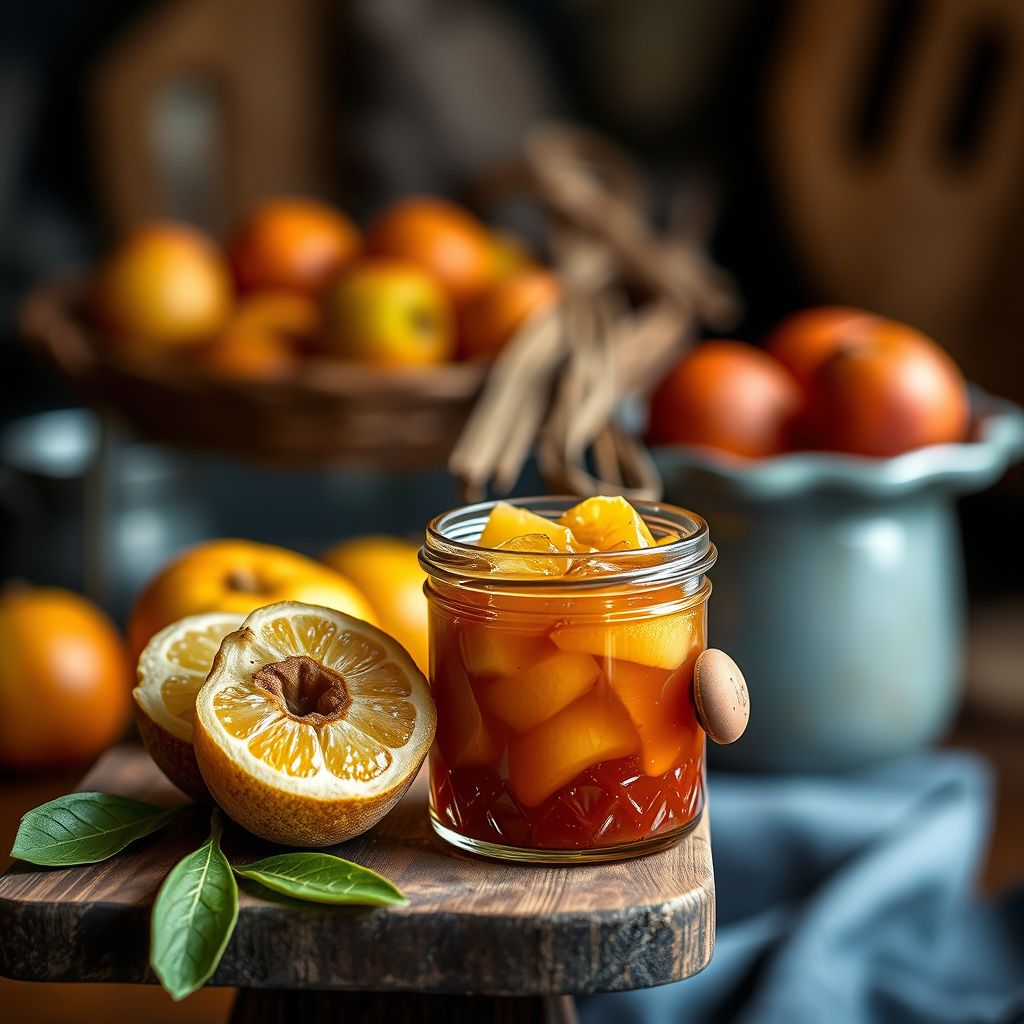
This guide is designed for home cooks with basic kitchen skills eager to expand their fruit preserving repertoire, especially those who have access to fresh quinces. Readers should possess a fundamental understanding of kitchen safety and sanitation, along with familiarity in using common kitchen equipment such as canning jars and boiling water baths. Those without prior cooking experience or lacking access to the necessary equipment and ingredients for making jam may find this guide unsuitable.
The Step-by-Step Protocol
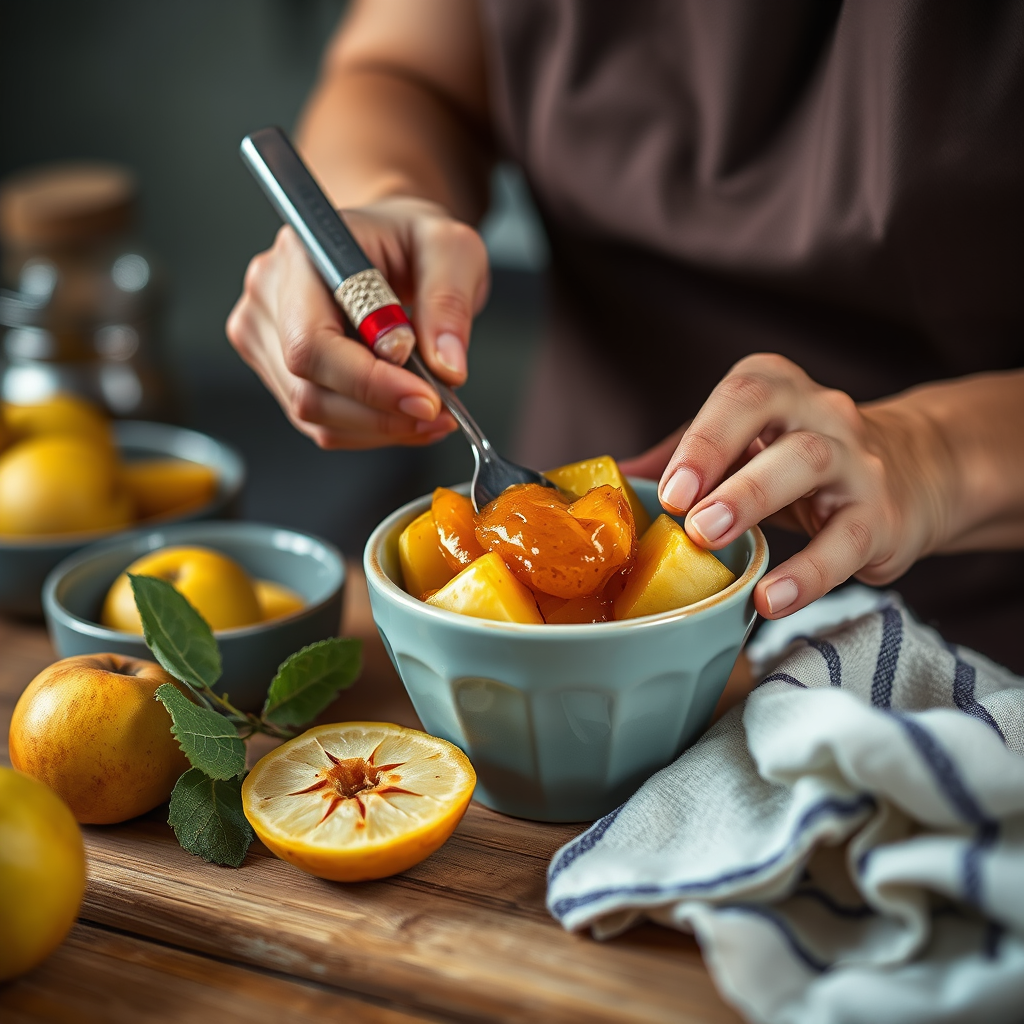
1. Gather Ingredients: Collect 4 pounds of ripe quinces, 3 cups of granulated sugar, 1 lemon (juiced), and 1 cup of water. Ensure that all ingredients are fresh and of high quality to achieve the best flavor and consistency in your jam.
2. Prepare the Quinces: Wash the quinces thoroughly under running water to remove any dirt or residues. Peel the quinces using a vegetable peeler, then core and chop them into quarters. Reserve the peels and cores in a separate bowl; these will be used later to boost the pectin content for better gelling.
3. Cook the Quinces: In a large, heavy-bottomed pot, combine the chopped quinces, reserved peels and cores, lemon juice, and water. Bring the mixture to a boil over medium-high heat, then reduce the heat to low and let it simmer for 30-40 minutes. Stir occasionally until the quinces are soft and break down easily.
4. Strain and Measure: After cooking, strain the mixture through a fine mesh sieve or cheesecloth to extract as much juice as possible. Discard the solids, including the peels and cores. Measure the juice and return it to the pot. For every cup of juice, add an equal amount of sugar. For example, if you have 3 cups of juice, add 3 cups of granulated sugar.
5. Boil the Mixture: Bring the juice and sugar mixture back to a rolling boil over medium-high heat, stirring frequently to prevent sticking. Cook the mixture until it reaches the gel point, which can be tested by placing a spoonful on a cold plate. After a minute, run your finger through the jam; if it holds its shape and wrinkles slightly, it has reached the desired consistency.
6. Jar and Process: Pour the hot jam into sterilized jars, leaving about 1/4 inch of headspace at the top. Wipe the rims of the jars with a clean, damp cloth to ensure a proper seal. Seal the jars with lids and process them in a boiling water bath for 10-15 minutes to preserve the jam safely. Ensure the water covers the jars by at least an inch during processing.
Warning Signs: When Not to Follow This

– If you notice any signs of spoilage in your quinces, such as mold, unusual odors, or discoloration, do not proceed with the recipe.
– Avoid making quince jam if you lack proper sterilization equipment, as this can lead to bacterial contamination and spoilage.
– Do not attempt the recipe if you do not have a reliable method to check the jam’s pH level; unsafe acidity levels can lead to foodborne illness. The ideal pH for jam should be around 3.0 to 3.4 for safe preservation.
The Most Common Mistakes (And Their Consequences)
– Many home cooks overlook the importance of measuring ingredients accurately, particularly the sugar-to-juice ratio. This oversight can result in a jam that does not set properly. A jam that is too runny can be unappealing and may not preserve well.
– Failing to sterilize jars correctly can lead to spoilage or the development of harmful bacteria, compromising food safety. Always ensure jars are boiled for at least 10 minutes if using a water bath to prevent contamination.
– Not checking for the gel point can lead to either runny jam or overcooked, caramelized quince jam. The latter not only alters the flavor but can also make the jam overly thick and difficult to spread.
Special Cases That Need a Different Approach
– If using under-ripe quinces, you may find that they contain less natural pectin. In this case, consider adding commercial pectin according to package instructions to achieve the desired gel consistency. Follow the directions on the pectin package for amounts and cooking times.
– For individuals with dietary restrictions, alternatives such as low-sugar or sugar substitutes can be employed. However, note that adjustments to cooking times and methods may be necessary; follow the specific instructions for the substitute used.
– If you have a larger batch of quinces (over 5 pounds), it’s advisable to process the jam in smaller batches to ensure proper cooking and consistency. This will allow for better temperature control and prevent overcooking.
When You Need a Professional
– If you are unsure about the safety of your quince or other ingredients, particularly concerning allergies or chemical residue, consult a food safety expert or your local agricultural extension office. They can provide guidance specific to your region and produce.
– In cases where you experience unexpected reactions during the jam-making process, such as the jam not setting or developing an off odor, seek advice from a certified food preservation specialist. This may indicate an underlying issue with your ingredients or method.
– If you plan to sell your quince jam commercially, it is essential to consult with a licensed food safety professional. Ensure compliance with local health regulations and proper labeling to avoid any legal issues with your product.
Sources and Further Reading
– “The Complete Book of Home Preserving” by Janet B. McGowan – A comprehensive guide on canning and preserving techniques.
– National Center for Home Food Preservation (nchfp.uga.edu) – Official guidelines on safe canning and food preservation practices.
– “Ball Canning Back to Basics” – A valuable resource for understanding the fundamentals of canning and preserving fruits like quince.
With this guide in hand, you can confidently create quince jam that is both delicious and safe for you and your loved ones. Happy jam-making!
Frequently Asked Questions
What ingredients do I need to make quince jam?
To make quince jam, you’ll need ripe quinces, sugar, lemon juice, and water. The quinces should be peeled, cored, and chopped, while the sugar helps to preserve the jam and enhance its sweetness. Lemon juice adds acidity, which balances the flavor and aids in the gelling process.
How long does it take to cook quince jam?
Cooking quince jam typically takes about 1 to 1.5 hours. You’ll want to simmer the mixture until the quinces are soft and the jam thickens to your desired consistency. It’s essential to stir occasionally to prevent sticking and ensure even cooking.
Why is my quince jam not setting properly?
If your quince jam is not setting, it may be due to insufficient pectin or cooking time. Quinces are naturally high in pectin, but if the fruit is underripe, it may not gel well. To fix this, you can cook the jam longer or add a commercial pectin to help achieve the right consistency.
What is the best way to store homemade quince jam?
The best way to store homemade quince jam is in sterilized glass jars with airtight lids. Keep the jars in a cool, dark place like a pantry for up to a year. Once opened, store the jam in the refrigerator, where it can last for several weeks.
Which recipes can I use quince jam in?
Quince jam is versatile and can be used in various recipes, such as spreading on toast, filling pastries, or pairing with cheese for a delightful appetizer. You can also incorporate quince jam into baked goods like cakes or muffins for added flavor and moisture.
References
- Quince
https://en.wikipedia.org/wiki/Quince - https://pubmed.ncbi.nlm.nih.gov/23632146/
https://pubmed.ncbi.nlm.nih.gov/23632146/ - https://www.ncbi.nlm.nih.gov/pmc/articles/PMC5652077/
https://www.ncbi.nlm.nih.gov/pmc/articles/PMC5652077/ - https://www.sciencedirect.com/topics/agricultural-and-biological-sciences/quince
https://www.sciencedirect.com/topics/agricultural-and-biological-sciences/quince - https://www.ncbi.nlm.nih.gov/pmc/articles/PMC4639569/
https://www.ncbi.nlm.nih.gov/pmc/articles/PMC4639569/ - Google Scholar Google Scholar
https://scholar.google.com/scholar?q=quince+jam - Google Scholar Google Scholar
https://scholar.google.com/scholar?q=quince+preserves - https://www.bbc.co.uk/food/recipes/quince_jam_83561
https://www.bbc.co.uk/food/recipes/quince_jam_83561 - Origin and physiological roles of inflammation | Nature
https://www.nature.com/articles/nature07201 - Quince | Description, Fruit, & Uses | Britannica
https://www.britannica.com/plant/quince