Making quince jam at home requires precision and knowledge to ensure both flavor and safety. This expert guide provides a detailed recipe, essential techniques, and critical safety protocols to navigate the unique challenges of canning quince. Follow these steps to create a delicious and safe quince jam that elevates your culinary repertoire.
What This Guide Covers (And What It Doesn’t)
This guide offers a comprehensive walkthrough for making quince jam at home, covering everything from ingredient selection to preparation methods and proper canning techniques essential for food safety. It highlights the unique characteristics and specific requirements of quince throughout the jam-making process. However, it does not delve into other quince-based recipes or general canning methods unrelated to quince jam. Focused and precise, this guide is designed to empower home cooks who are already familiar with the basics of canning.
Who Should Read This

Targeted at home cooks with some experience in making jams and jellies, this guide assumes a foundational understanding of cooking techniques and kitchen safety principles. It will particularly benefit those interested in preserving seasonal fruits and exploring unique flavor profiles. If you enjoy experimenting with ingredients like quince, this guide will enhance your culinary repertoire. However, it is not meant for complete beginners; individuals lacking basic cooking skills or food safety knowledge should first seek introductory resources before attempting to make quince jam.
The Step-by-Step Protocol
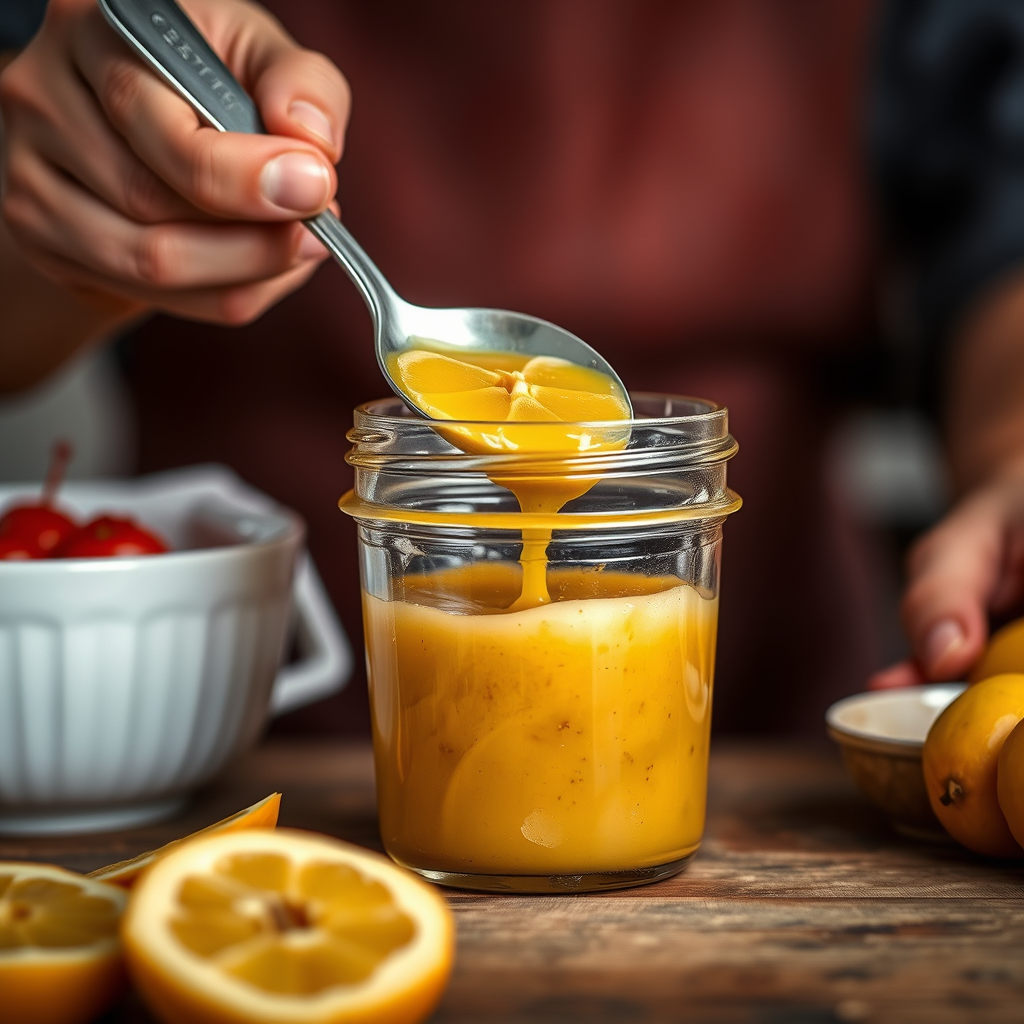
1. Gather Ingredients: Begin by collecting 4-5 ripe quinces, which should weigh approximately 2 pounds. You will also need 3 cups of granulated sugar, the juice of 1 lemon, and 1 cup of water. Ensure all ingredients are fresh and of high quality to achieve the best flavor.
2. Prepare Quinces: Thoroughly wash the quinces under running water to remove any dirt or impurities. Using a vegetable peeler, remove the skin. Cut the quinces in half to remove the cores and seeds, then quarter the fruit to facilitate cooking. Place the prepared quinces into a large, heavy-bottomed pot.
3. Cook the Quinces: In the pot with the quinces, add the 1 cup of water and the juice of 1 lemon. Cover the pot and simmer over medium heat for approximately 45 minutes. Stir occasionally until the quinces are tender and beginning to break down. This step is crucial, as it helps release the natural pectin necessary for the jam to set.
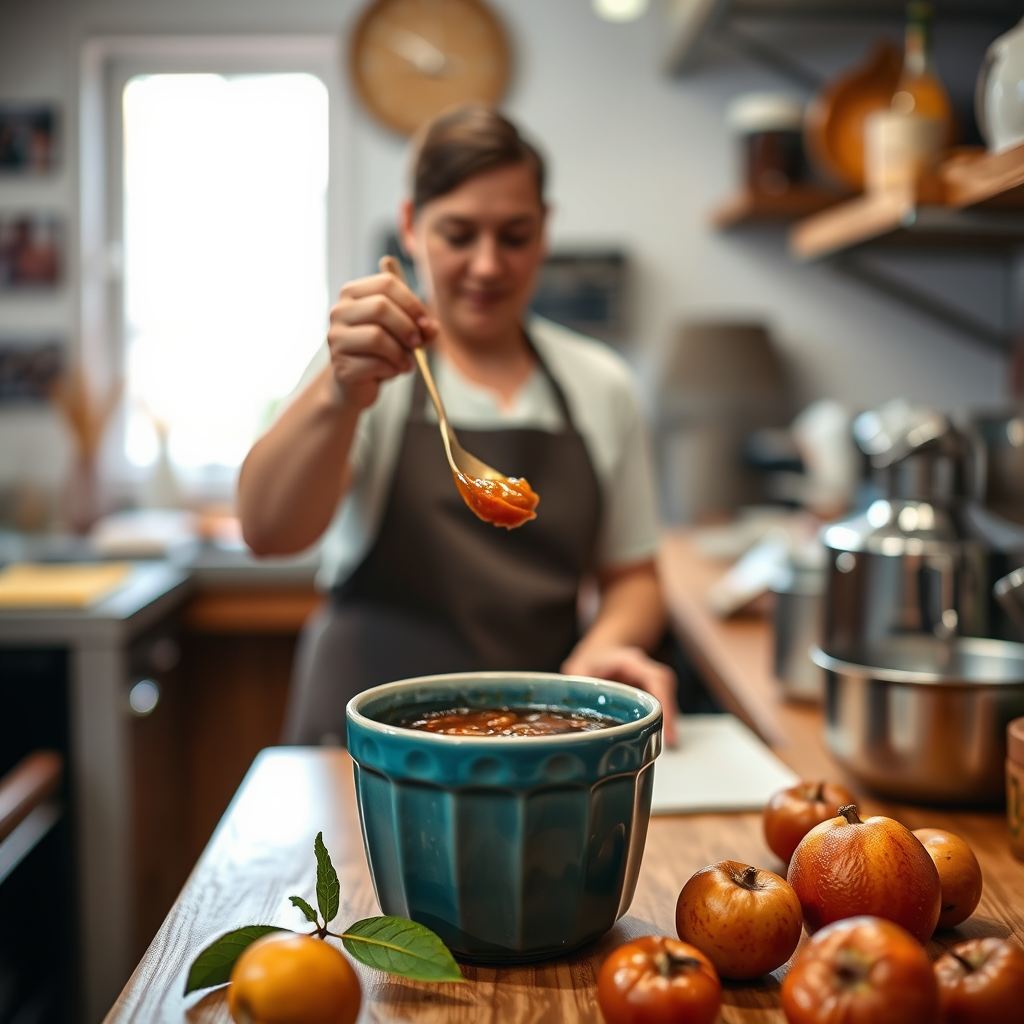
4. Make the Jam: Once the quinces are tender, use a potato masher to mash them into a pulp. Gradually stir in the 3 cups of sugar, mixing thoroughly. Bring the mixture to a boil over high heat, then reduce to a steady boil. Cook for an additional 30-40 minutes while stirring frequently to prevent sticking. Monitor the temperature with a candy thermometer; the jam is ready when it reaches 220°F (104°C) and achieves a gel-like consistency.
5. Jar and Seal: Prior to jarring the jam, sterilize your canning jars by boiling them in water for 10 minutes. Fill the hot jars with the quince jam, leaving a 1/4-inch headspace at the top. Wipe the rims of the jars with a clean cloth to remove any residue, then place sterile lids on top and screw on the bands until they are fingertip-tight. Process the jars in a boiling water bath for 10 minutes to ensure proper sealing and preservation.
Warning Signs: When Not to Follow This
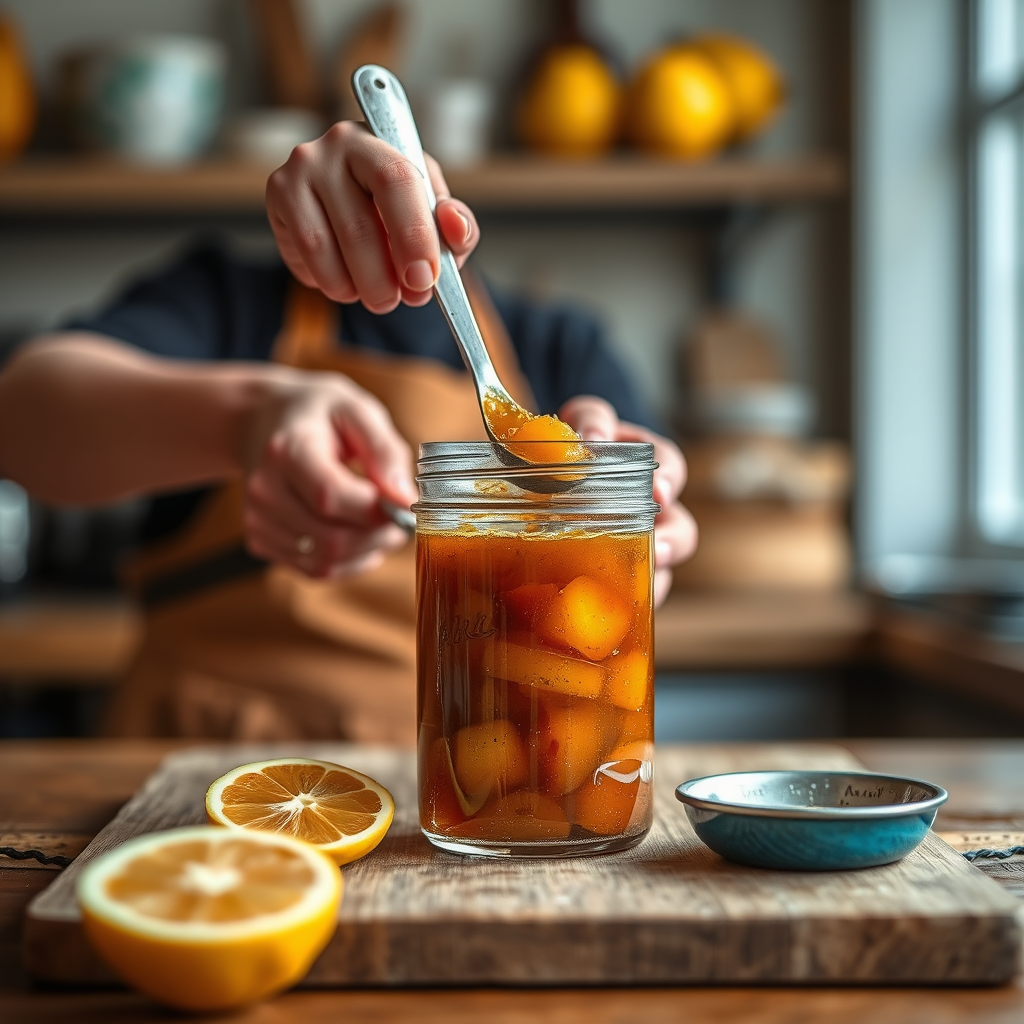
– Do not attempt to make quince jam if the quinces are overly soft, exhibit any signs of mold, or show other indications of spoilage. Using compromised fruit can significantly alter the flavor and safety of the final product.
– Avoid making quince jam if you do not possess essential canning equipment, particularly a water bath canner, as this is vital for ensuring safe sealing and long-term preservation.
– Individuals with known allergies to quinces or any of the other ingredients (such as sugar or lemon) should refrain from attempting this recipe, as it poses potential health risks.
The Most Common Mistakes (And Their Consequences)
– Failing to properly sterilize jars can lead to contamination, resulting in spoilage or foodborne illness. This makes the jam unsafe to consume and can have serious health repercussions.
– Overcooking the jam can result in a product that is excessively thick, while undercooking may yield a runny jam that fails to set. Both outcomes compromise the final product and may leave you disappointed.
– Not measuring ingredients accurately can disrupt the balance of sweetness and acidity in the jam. This imbalance can negatively affect both flavor and preservation efficacy, potentially leading to spoilage.
Special Cases That Need a Different Approach
– If you opt to use under-ripe quinces, consider adding commercial pectin to the mixture. Under-ripe fruit may lack sufficient natural pectin, which is necessary for achieving the desired gel consistency in the jam.
– For those seeking to reduce sugar content, explore sugar substitutes specifically formulated for canning. However, be sure to test these substitutes for compatibility with quince to ensure the jam sets properly.
– If you reside in a high-altitude region, adjust the processing time according to local altitude guidelines. Higher elevations can affect boiling temperatures and, consequently, the jam’s setting quality.
When You Need a Professional
– Consult a licensed food safety expert or local extension agent if you are uncertain about the safety of your canning process or if you notice any signs of spoilage in your ingredients.
– If you struggle to achieve the appropriate consistency in your quince jam, or if it does not set after the recommended cooking time, seek guidance from a culinary professional experienced in jam-making.
– For individuals with underlying health conditions or dietary restrictions, such as diabetes or allergies, it is prudent to speak with a healthcare provider prior to consuming homemade jams.
Sources and Further Reading
– National Center for Home Food Preservation: This resource outlines safe canning and preserving techniques, specifically for fruit jams and jellies.
– USDA Complete Guide to Home Canning: A comprehensive guide detailing safe canning practices, including acidity levels and processing times for various fruits.
– “The Joy of Cooking” (2019 edition): An authoritative resource offering detailed recipes and techniques for making jams and preserves, including quince jam, with an emphasis on safety and flavor.
By following this expert guide, you can confidently embark on the rewarding journey of making quince jam at home, ensuring both the safety and deliciousness of your culinary creation. Enjoy the process, and savor the delightful results!
Frequently Asked Questions
What ingredients do I need for a basic quince jam recipe?
To make a basic quince jam, you will need ripe quinces, sugar, lemon juice, and water. Typically, the ratio is about 1 part quinces to 1 part sugar, with enough water to cover the fruit during cooking. Adding lemon juice not only enhances the flavor but also helps with the preservation of the jam.
How do I prepare quinces for making jam?
To prepare quinces for jam, start by washing them thoroughly to remove any dirt. Next, peel the quinces, core them, and cut them into small chunks to ensure even cooking. It’s essential to handle quinces carefully, as they can be quite hard and require a sharp knife.
Why is my quince jam not setting properly?
If your quince jam is not setting, it could be due to insufficient pectin in the fruit or not cooking it long enough. Quince naturally has high pectin levels, but if your jam is too watery, consider cooking it longer or adding commercial pectin to achieve the desired consistency. Also, ensure you’re using the correct sugar-to-fruit ratio.
What is the best way to store homemade quince jam?
The best way to store homemade quince jam is to keep it in sterilized glass jars with airtight lids. Make sure to refrigerate the jam after opening, and it can be kept in the pantry if sealed properly. For longer shelf life, consider canning the jam using a water bath method.
Which recipes pair well with quince jam for serving?
Quince jam pairs wonderfully with a variety of dishes, including cheese platters featuring soft cheeses like brie or goat cheese. It’s also delicious spread on fresh bread, scones, or used as a filling in pastries. Additionally, consider using quince jam as a topping for yogurt or as an accompaniment to roasted meats for a unique flavor contrast.
References
- Quince
https://en.wikipedia.org/wiki/Quince - Quince | Description, Fruit, & Uses | Britannica
https://www.britannica.com/plant/quince - Google Scholar Google Scholar
https://scholar.google.com/scholar?q=quince+jam+recipe - https://www.sciencedirect.com/topics/agricultural-and-biological-sciences/quince
https://www.sciencedirect.com/topics/agricultural-and-biological-sciences/quince - https://pubmed.ncbi.nlm.nih.gov/?term=quince+jam
https://pubmed.ncbi.nlm.nih.gov/?term=quince+jam - https://www.ncbi.nlm.nih.gov/pmc/articles/PMC4108967/
https://www.ncbi.nlm.nih.gov/pmc/articles/PMC4108967/ - https://www.ncbi.nlm.nih.gov/pmc/articles/PMC5793299/
https://www.ncbi.nlm.nih.gov/pmc/articles/PMC5793299/ - Google Scholar Google Scholar
https://scholar.google.com/scholar?q=quince+recipes - https://www.ars.usda.gov/ARSUserFiles/oc/np/Quince.pdf
https://www.ars.usda.gov/ARSUserFiles/oc/np/Quince.pdf - https://www.ncbi.nlm.nih.gov/pmc/articles/PMC7073521/
https://www.ncbi.nlm.nih.gov/pmc/articles/PMC7073521/