Making quick strawberry jam requires precision and the right techniques to ensure safety and flavor. This expert guide provides a step-by-step recipe that not only preserves the freshness of strawberries but also adheres to food safety protocols. Understanding the process is crucial for achieving that perfect balance of taste and texture while preventing spoilage. Dive in to master the art of creating delicious, homemade strawberry jam in no time.
What This Guide Covers (And What It Doesn’t)

This guide presents a clear and safe method for crafting quick strawberry jam using simple ingredients while emphasizing the importance of food preservation and flavor. You’ll discover essential techniques, required equipment, and specific ingredient ratios tailored for quick strawberry jam, ensuring clarity and precision throughout the process.
However, this guide does not delve into complex canning methods or gourmet variations that necessitate specialized equipment or advanced skills. Instead, it focuses on a straightforward approach ideal for home cooks.
Who Should Read This
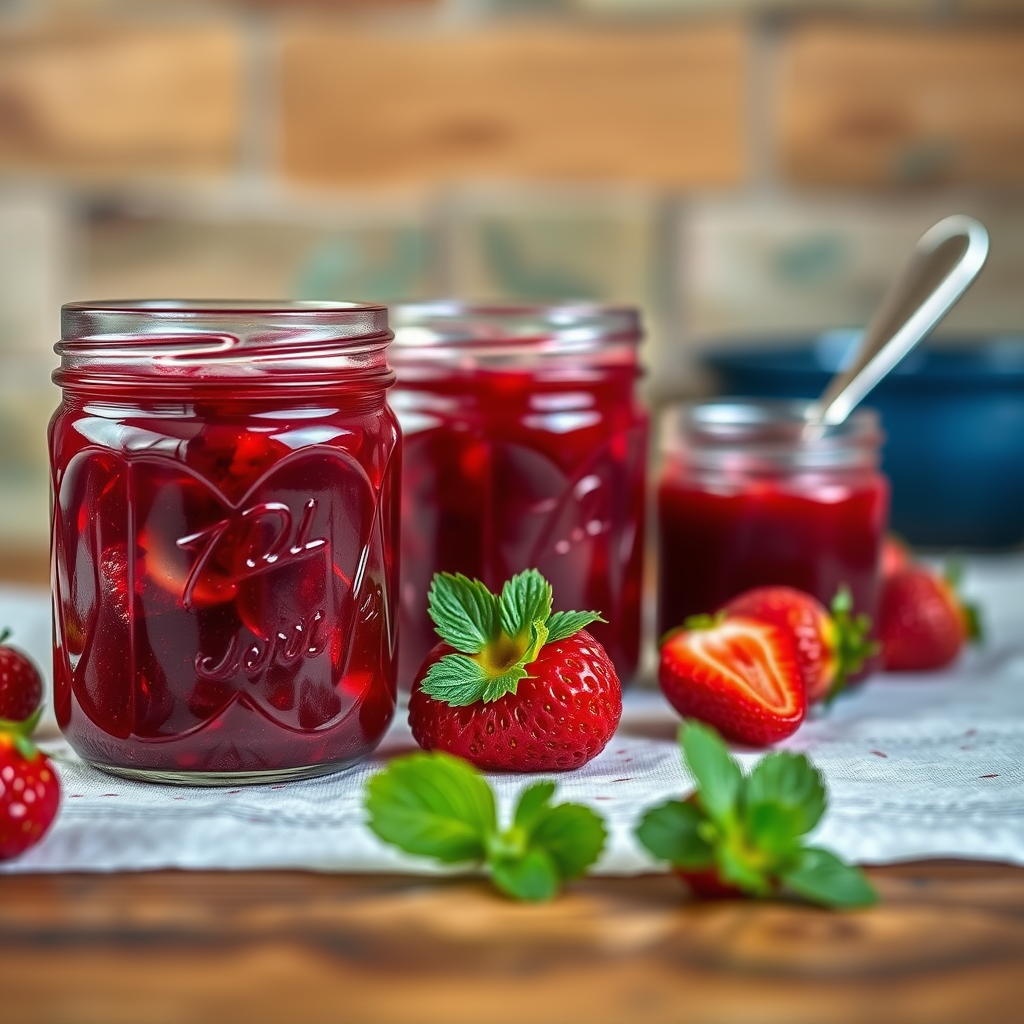
This guide is crafted for home cooks eager to whip up strawberry jam quickly and with minimal hassle, catering to everyone from beginners to those with moderate experience in fruit preservation. Readers should possess basic kitchen equipment, including a stovetop, saucepan, and jars, along with a foundational understanding of cooking principles such as measuring and boiling. If you seek advanced canning techniques or methods for preserving other fruits and flavors, this guide may not fulfill your specific requirements.
The Step-by-Step Protocol
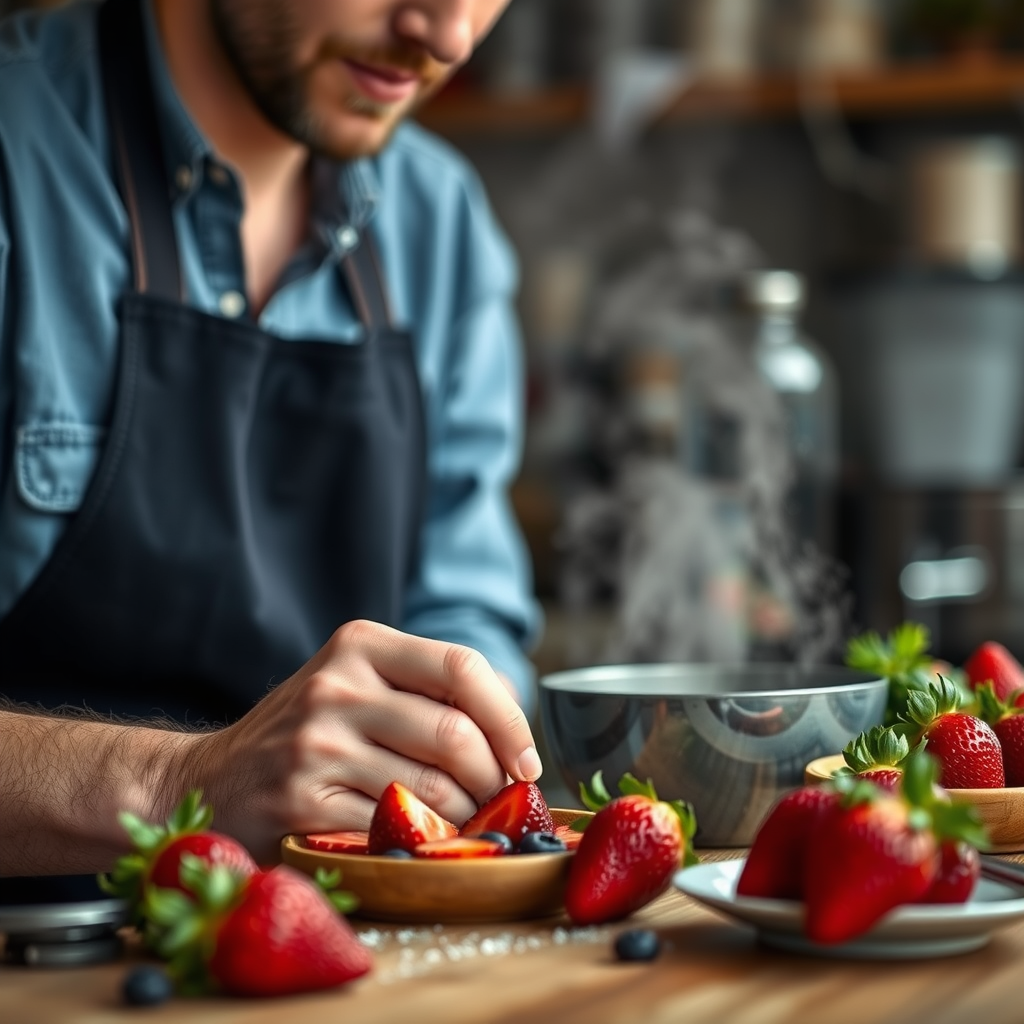
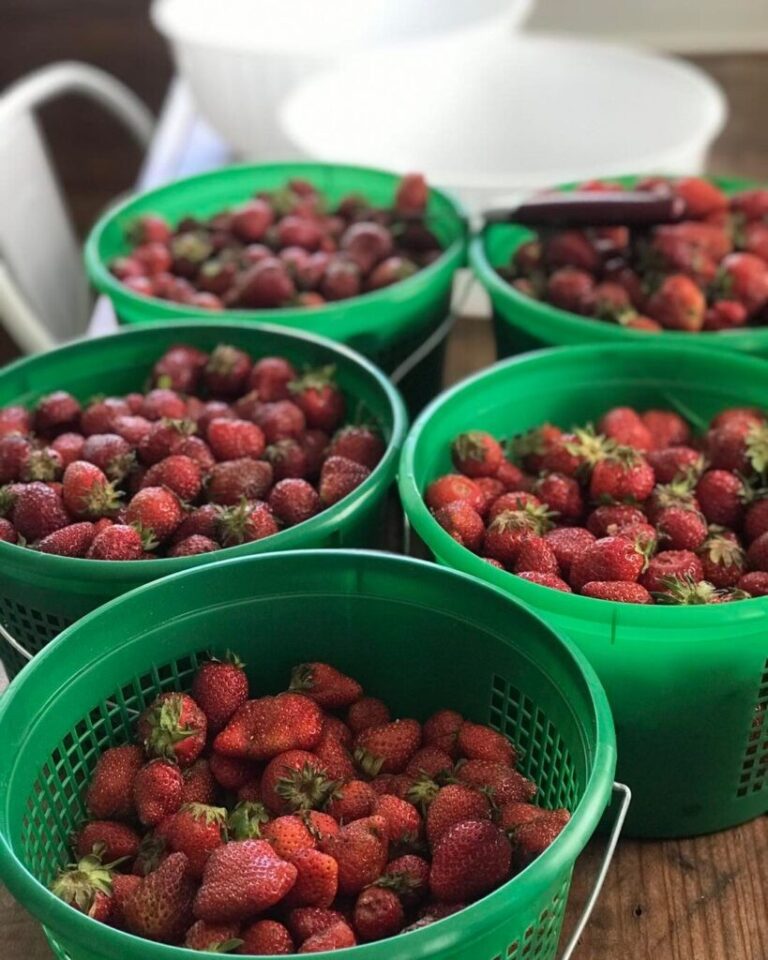
1. Prepare the Strawberries: Begin with 2 cups of fresh strawberries. Rinse them thoroughly under running water to eliminate any dirt or pesticides. Hull the strawberries by removing the green tops and any white parts. Chop them into small pieces, roughly ¼ inch, to ensure even cooking and better distribution in the jam.
2. Combine Ingredients: In a medium saucepan, mix the chopped strawberries with 1 cup of granulated sugar and the juice of half a lemon. The lemon juice not only enhances flavor but also aids in the gelling process due to its acidity. Allow this mixture to sit for 10 minutes so the sugar can draw out the juices from the strawberries.
3. Cook the Mixture: Place the saucepan over medium heat. Stir the strawberry mixture frequently to prevent it from sticking to the bottom of the pan. Continue cooking until it reaches a rolling boil, which typically takes about 10-15 minutes. A rolling boil is characterized by large bubbles that do not subside when stirred.
4. Test for Gel Point: To check for doneness, place a spoonful of the jam on a cold plate (you can chill the plate in the freezer beforehand). Allow it to cool for 1 minute. If the jam thickens and holds its shape, it’s ready for jarring. If it remains runny, continue boiling for another 2-3 minutes and test again. Repeat this process until you achieve the desired consistency.
5. Jar the Jam: Once the jam has reached the gel point, pour it into sterilized jars while still hot, leaving about ¼ inch of headspace at the top. This headspace is crucial for expansion during cooling. Wipe the rims of the jars with a clean cloth to remove any residue. Seal the jars with lids while still hot to create a vacuum seal as they cool.
Quick Strawberry Jam Ingredients Comparison
| # | Ingredient | Quantity | Role in Jam | Notes |
|---|---|---|---|---|
| 1 | Fresh Strawberries | 2 cups | Base flavor | Use ripe for best flavor |
| 2 | Granulated Sugar | 1 cup | Sweetness & preservation | Essential for gelling |
| 3 | Lemon Juice | Juice of ½ lemon | Acidity & flavor | Enhances pectin action |
| 4 | Pectin (optional) | Varies | Thickening agent | Enhances gel consistency |
| 5 | Salt (optional) | Pinch | Flavor enhancement | Balances sweetness |
Warning Signs: When Not to Follow This
Steer clear of making this quick strawberry jam if the strawberries exhibit signs of mold, emit an off smell, or are excessively soft and mushy. These conditions can compromise both the quality and safety of the final product. If you struggle to achieve the gel point after multiple attempts, it may suggest issues with the fruit’s pectin content or incorrect sugar ratios, rendering it unsafe to consume. Additionally, avoid attempting the recipe in environments with fluctuating temperatures, such as poorly ventilated kitchens, as this may jeopardize the cooking process and the safety of the jam.
The Most Common Mistakes (And Their Consequences)
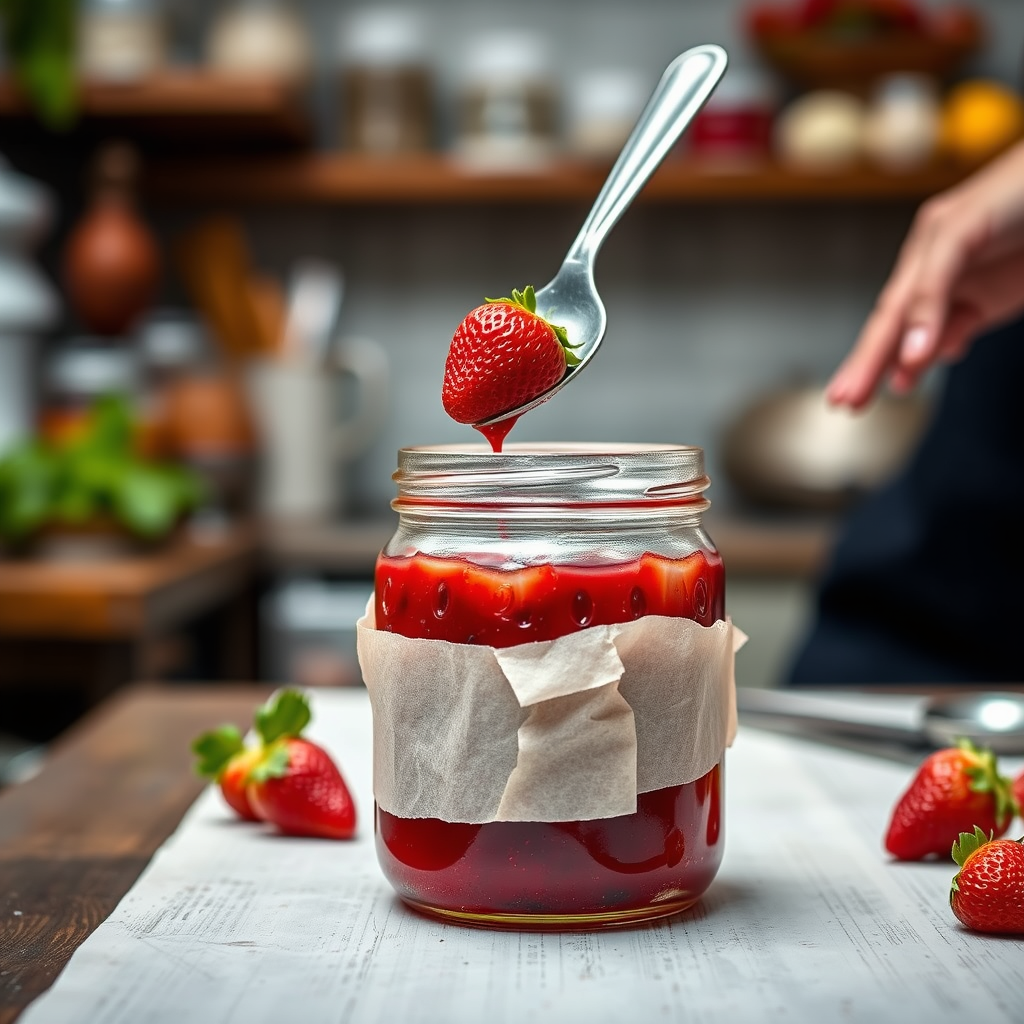
One prevalent mistake is using frozen strawberries instead of fresh ones. While this substitution is possible, it often results in a jam that lacks the vibrant flavor and texture of fresh fruit. Inaccurate sugar measurements can lead to either overly sweet or runny jam, as sugar plays a crucial role in both flavor and preservation. Moreover, failing to properly sterilize jars can introduce bacteria into the jam, risking spoilage and potential foodborne illnesses.
Special Cases That Need a Different Approach
When using organic strawberries, consider reducing the sugar slightly, as organic fruit can often be sweeter, which may affect the final consistency. For those with dietary restrictions, such as diabetes, using a sugar substitute designed for cooking can be a viable option, though adjustments to cooking time may be necessary to achieve the desired thickness. If you reside in a high-altitude area, you may need to modify the cooking time and sugar content due to lower boiling points, which can influence the jam-making process.
When You Need a Professional
In cases of food allergies, especially if you are unsure about potential cross-contamination with other fruits, consulting a nutritionist or allergist is advisable. If you experience any adverse reactions after consuming homemade jam, such as severe gastrointestinal issues, seek immediate medical attention. When in doubt about the safety of your ingredients or the preservation methods, particularly when using alternative sweeteners or techniques, it’s wise to consult a food safety expert or a certified canning authority.
Sources and Further Reading
For authoritative guidelines on safe food preservation practices, refer to the USDA Complete Guide to Home Canning. Additionally, the National Center for Home Food Preservation offers valuable resources and updates on new canning methods and best practices. For further insights on fruit preservation, “The Ball Complete Book of Home Preserving” serves as a comprehensive reference for both beginners and experienced canners.
Frequently Asked Questions
What ingredients do I need for a quick strawberry jam recipe?
To make a quick strawberry jam, you’ll need fresh strawberries, granulated sugar, and lemon juice. Typically, the ratio is about 2 cups of strawberries to 1 cup of sugar and 1 tablespoon of lemon juice, which helps enhance the flavor and preserve the jam.
How do I make quick strawberry jam without pectin?
Making quick strawberry jam without pectin is simple; just mash the strawberries in a pot, mix in the sugar and lemon juice, and heat it over medium heat. Stir the mixture until the sugar dissolves and let it simmer for about 10-15 minutes until it thickens, then pour it into sterilized jars.
Why is my quick strawberry jam not thickening?
If your quick strawberry jam isn’t thickening, it may be due to insufficient cooking time or the strawberries being too watery. Ensure you cook the mixture long enough to evaporate excess moisture, and consider adding a bit more sugar or simmering it longer to achieve the desired consistency.
What is the best way to store homemade quick strawberry jam?
The best way to store homemade quick strawberry jam is in sterilized glass jars with airtight lids. Once cooled, keep the jam in the refrigerator where it can last for up to three weeks, or you can freeze it for longer storage, typically up to six months.
Which type of strawberries are best for making quick strawberry jam?
For making quick strawberry jam, it’s best to use ripe, sweet varieties like June-bearing strawberries or everbearing strawberries. Look for berries that are deep red, firm, and fragrant, as these will yield the best flavor and natural sweetness for your jam.
References
- Fruit preserves
https://en.wikipedia.org/wiki/Jam - https://www.ncbi.nlm.nih.gov/pmc/articles/PMC4946790/
https://www.ncbi.nlm.nih.gov/pmc/articles/PMC4946790/ - https://www.ncbi.nlm.nih.gov/pmc/articles/PMC6162269/
https://www.ncbi.nlm.nih.gov/pmc/articles/PMC6162269/ - https://www.sciencedirect.com/topics/agricultural-and-biological-sciences/strawberry-jam
https://www.sciencedirect.com/topics/agricultural-and-biological-sciences/strawberry-jam - https://www.bbc.co.uk/food/recipes/strawberry_jam_00475
https://www.bbc.co.uk/food/recipes/strawberry_jam_00475 - https://www.cdc.gov/nutrition/resources-publications/index.html
https://www.cdc.gov/nutrition/resources-publications/index.html - Hypertrophic Cardiomyopathy and Treatment Options – Mayo Clinic
https://www.mayoclinic.org/healthy-lifestyle/recipes/strawberry-jam/rcp-20367992 - https://www.verywellfit.com/how-to-make-strawberry-jam-4116399
https://www.verywellfit.com/how-to-make-strawberry-jam-4116399 - Google Scholar Google Scholar
https://scholar.google.com/scholar?q=quick+strawberry+jam+recipe - Google Scholar Google Scholar
https://scholar.google.com/scholar?q=strawberry+preservation+methods