Master the art of making prickly pear jam with this complete expert guide, designed for both novices and seasoned canners. This guide covers essential techniques, safety protocols, and step-by-step instructions to ensure your jam is both delicious and safe to consume. Following the right procedures is crucial to avoid pitfalls and preserve the vibrant flavor of this unique fruit.
What This Guide Covers (And What It Doesn’t)

This guide offers a thorough, step-by-step recipe for crafting prickly pear jam, detailing everything from selecting the right ingredients to mastering canning techniques. It emphasizes safe food preservation methods, ensuring that you can create jam that is both delicious and safe to consume. However, this guide does not explore unrelated recipes or methods for using prickly pears beyond the scope of jam-making and canning. If you seek general information about growing prickly pears or other culinary uses for this fruit, you won’t find that content here.
Who Should Read This

This guide is designed for home cooks who possess a basic understanding of canning and preserving, particularly those interested in fruit preserves. If you have experience with jam-making but are new to working with prickly pears, you will discover tailored insights and tips specific to this unique fruit. Conversely, complete beginners in the kitchen, lacking prior cooking or food preservation experience, may find this guide less suitable. Those focused on food safety and eager to learn the intricacies of handling prickly pears will benefit the most.
The Step-by-Step Protocol
1. Gather Ingredients and Equipment:
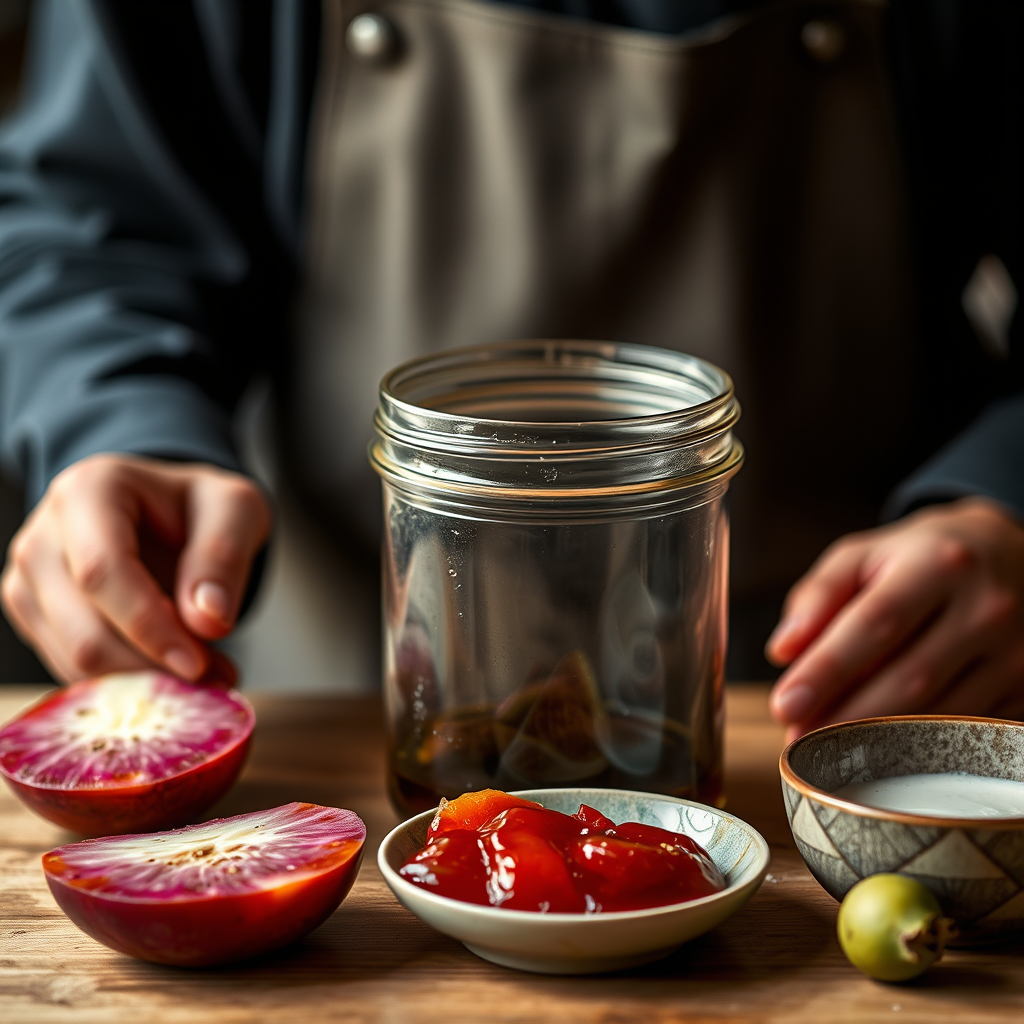
– Collect 2 pounds of ripe prickly pears, 1 cup of granulated sugar, 1 tablespoon of lemon juice, and 1/4 cup of water.
– Ensure all equipment is sterilized, including jars, lids, and canning tools. To sterilize, wash jars in hot soapy water, then place them in a boiling water bath for 10 minutes.
2. Prepare the Prickly Pears:
– Wear gloves and use tongs to carefully remove the spines from the prickly pears. This step is crucial for safety and to prevent painful injuries.
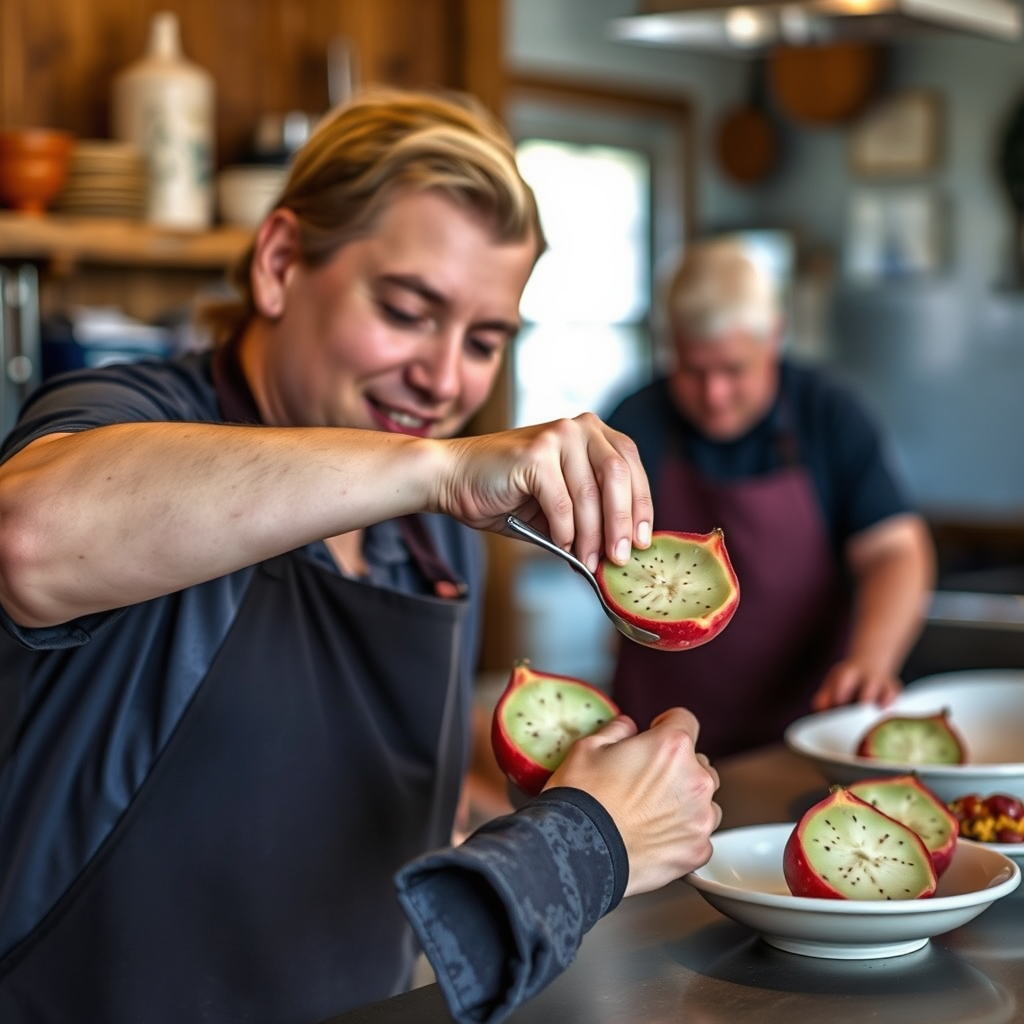
– Cut the fruit in half and scoop out the pulp, discarding the skin and seeds; you should have about 3 cups of pulp. Use a fork or spoon for this task, ensuring you capture all the juicy flesh.
3. Cook the Jam:
– In a large pot, combine the prickly pear pulp, sugar, lemon juice, and water.
– Bring the mixture to a boil over medium heat, stirring frequently until the sugar dissolves and the mixture thickens, which should take about 20-25 minutes. Use a candy thermometer to check for a temperature of about 220°F, indicating the proper viscosity for jam.
4. Canning Process:
– Pour the hot jam into sterilized jars, leaving a 1/4 inch headspace at the top. This space is necessary to allow for expansion during processing.
– Wipe the rims clean with a damp cloth to ensure a proper seal, then place the lids on and screw on the metal bands until they are fingertip-tight.
– Process the jars in a boiling water bath for 10 minutes. Ensure the water covers the jars by at least an inch; if not, add more boiling water.
Warning Signs: When Not to Follow This
– Avoid making prickly pear jam if you have allergies to prickly pear or similar fruits, as this can lead to severe allergic reactions.
– Do not attempt this recipe if your prickly pears show signs of spoilage, such as mold or an off smell, as this can cause foodborne illness.
– If you lack proper canning equipment or do not understand the principles of water bath canning, refrain from proceeding to avoid unsafe food preservation practices.
– Skip this recipe if you do not have access to necessary ingredients or if you are unable to maintain the required cooking temperatures.
The Most Common Mistakes (And Their Consequences)
– Failing to remove all spines and skin from the prickly pears can lead to a painful experience and an unpleasant texture in the jam. Ensure all spines are thoroughly removed to enjoy the jam safely.
– Not measuring ingredients accurately, especially sugar and lemon juice, can result in a jam that does not set properly or has an off flavor. Always use precise measurements for the best results.
– Skipping the sterilization of jars can introduce bacteria, leading to spoilage or foodborne illness. Proper sterilization is a critical step in the canning process.
– Overcooking or undercooking the jam can result in either a runny consistency or burnt flavors. Monitor the cooking time closely and use a thermometer to achieve the right consistency.
Special Cases That Need a Different Approach
– If using young or immature prickly pears, increase the cooking time by an additional 5-10 minutes to ensure proper breakdown of the fruit. This adjustment will help achieve the desired texture and flavor in the jam.
– For those who prefer less sweetness, adjust the sugar content, but be aware this may affect the jam’s ability to set. Consider using pectin to stabilize it; low-sugar pectins are available and can assist in achieving the right consistency.
– If you are canning at high altitudes (above 1,000 feet), increase the boiling water bath processing time by 5 minutes for safety. The reduced atmospheric pressure affects boiling point and preservation.
– If you have dietary restrictions, consider substituting sugar with a low-sugar pectin product, which may require specific ratios and adjustments in the cooking process.
When You Need a Professional
– If you experience any adverse reactions after consuming homemade prickly pear jam, seek medical attention to address potential foodborne illness.
– Consult a food safety expert if you are unsure about the canning process or have concerns about the preservation methods you are using.
– If you are planning to sell your jam, check local regulations and consider consulting with a food safety authority to ensure compliance with health standards. Each state may have different regulations regarding food sales.
– If your jam consistently fails to set, consider reaching out to a food scientist or home canning specialist for troubleshooting advice. They can help identify issues with your technique or ingredients.
Sources and Further Reading
– USDA Complete Guide to Home Canning: A comprehensive resource for safe canning practices and techniques.
– National Center for Home Food Preservation: Offers research-based information on food preservation, including prickly pear jam recipes.
– “The Joy of Canning” by the National Center for Home Food Preservation: Provides in-depth information on various canning methods and fruit preservation.
– Local agricultural extension office resources that specialize in fruit preservation and safe canning methods.
By following this expert guide, you will be well-equipped to make prickly pear jam that is not only delicious but also safe for your family and friends to enjoy. Happy canning!
Frequently Asked Questions
What ingredients do I need for a basic prickly pear jam recipe?
To make a basic prickly pear jam, you will need prickly pears (also known as cactus fruit), sugar, lemon juice, and pectin. The prickly pears should be peeled and pureed, then combined with sugar and lemon juice to enhance the flavor before adding pectin for proper gelling.
How do I properly prepare prickly pears for making jam?
To prepare prickly pears, first wear gloves to avoid the small spines. Rinse the fruit thoroughly, then cut off the ends and make a vertical slit in the skin to peel them. Once peeled, scoop out the flesh and blend it until smooth, ready for your jam recipe.
Why is pectin important in prickly pear jam, and what are the alternatives?
Pectin is crucial for helping the jam to gel, providing the desired consistency. If you prefer a natural alternative, you can use apple juice or citrus peels, which also contain pectin, but be prepared for potentially longer cooking times and a different texture in your jam.
What is the best way to store homemade prickly pear jam?
The best way to store homemade prickly pear jam is to keep it in sterilized glass jars in a cool, dark place. If properly sealed, the jam can last up to a year. Once opened, refrigerate and consume within a few weeks for optimal freshness.
Which recipes pair well with prickly pear jam?
Prickly pear jam pairs beautifully with toasted bread, pancakes, or as a topping for yogurt and desserts. It can also be used as a glaze for meats or as an ingredient in salad dressings, adding a unique sweet and tangy flavor to various dishes.
References
- Prickly pear
https://en.wikipedia.org/wiki/Prickly_pear - https://www.ncbi.nlm.nih.gov/pmc/articles/PMC6744411/
https://www.ncbi.nlm.nih.gov/pmc/articles/PMC6744411/ - https://www.ncbi.nlm.nih.gov/pmc/articles/PMC6460689/
https://www.ncbi.nlm.nih.gov/pmc/articles/PMC6460689/ - https://www.fs.usda.gov/treesearch/pubs/26487
https://www.fs.usda.gov/treesearch/pubs/26487 - Publication : USDA ARS
https://www.ars.usda.gov/research/publications/publication/?seqNo115=287949 - Prickly pear | Description, Uses, & Species | Britannica
https://www.britannica.com/plant/prickly-pear - Google Scholar Google Scholar
https://scholar.google.com/scholar?q=prickly+pear+jam - Google Scholar Google Scholar
https://scholar.google.com/scholar?q=prickly+pear+recipes - Google Scholar Google Scholar
https://scholar.google.com/scholar?q=Opuntia+jam+recipe - https://www.sciencedirect.com/science/article/pii/S096399691930211X
https://www.sciencedirect.com/science/article/pii/S096399691930211X