Mastering plum jam recipes requires precision and attention to safety, making this complete expert guide essential for both novice and experienced cooks. With step-by-step instructions and expert tips, you’ll learn how to transform fresh plums into delicious preserves while ensuring quality and safety throughout the process. Following the right protocols not only enhances flavor but also prevents foodborne illnesses, making this guide a must-have for anyone serious about home canning.
What This Guide Covers (And What It Doesn’t)
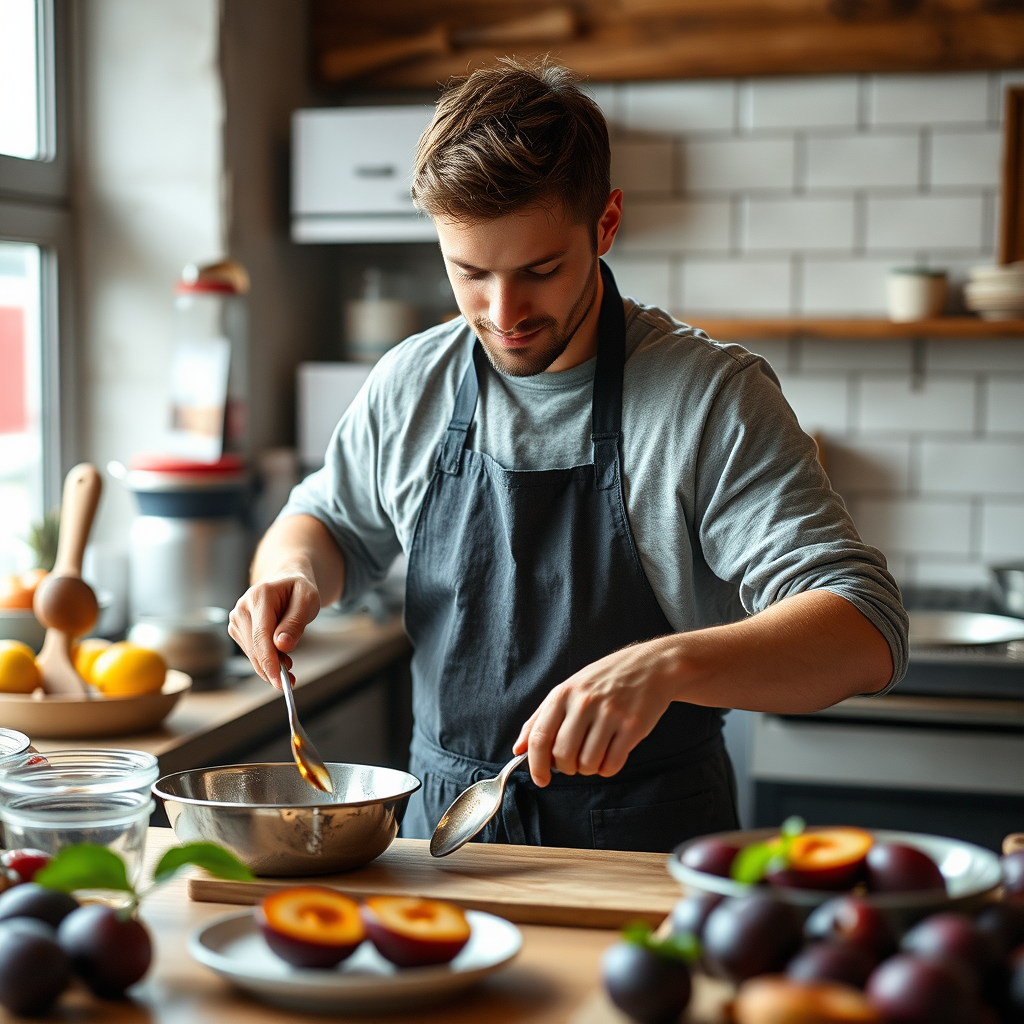
This guide offers a comprehensive look at making plum jam from scratch, detailing every aspect from selecting the right ingredients to preparation, cooking techniques, and safe canning practices. You’ll gain a rich understanding of how to create a flavorful plum jam that not only tastes great but also preserves well over time. However, this guide does not address other types of jams or fruit preserves, nor does it explore alternative preservation methods like freezing or dehydrating. The information is specifically designed for home cooks eager to craft delicious plum jam using reliable recipes that ensure both quality and longevity. If you seek commercial production techniques or industrial-scale recipes, you should consult specialized food processing resources.
Who Should Read This
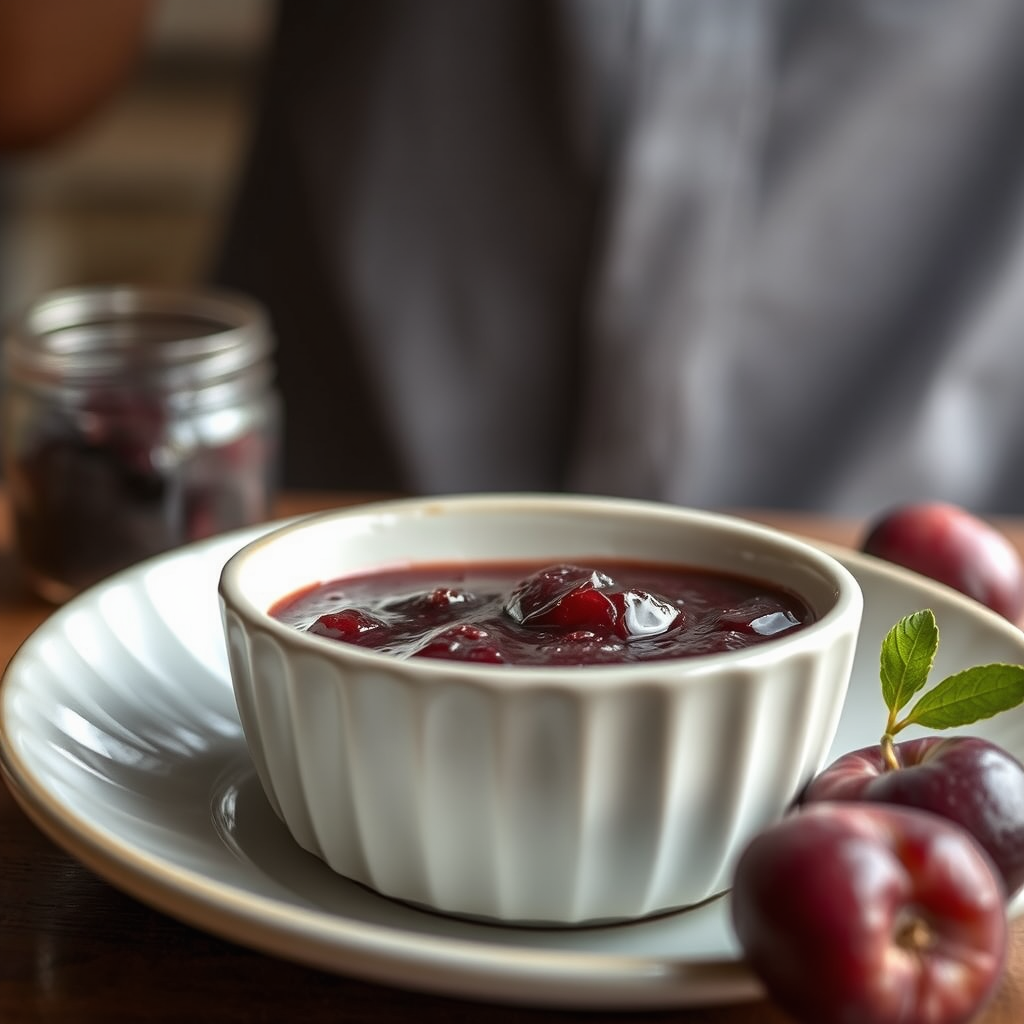
This guide is tailored for home cooks with basic kitchen skills who are passionate about preserving seasonal fruit through plum jam. While a general understanding of cooking techniques such as boiling, canning, and sterilization is beneficial, prior experience with jam-making is not necessary. Anyone who enjoys creating homemade preserves, whether for personal enjoyment or as thoughtful gifts, will find valuable insights and expert advice here. However, those without access to fresh plums or proper canning equipment may find this guide less applicable, as these elements are crucial for successful jam-making.
The Step-by-Step Protocol
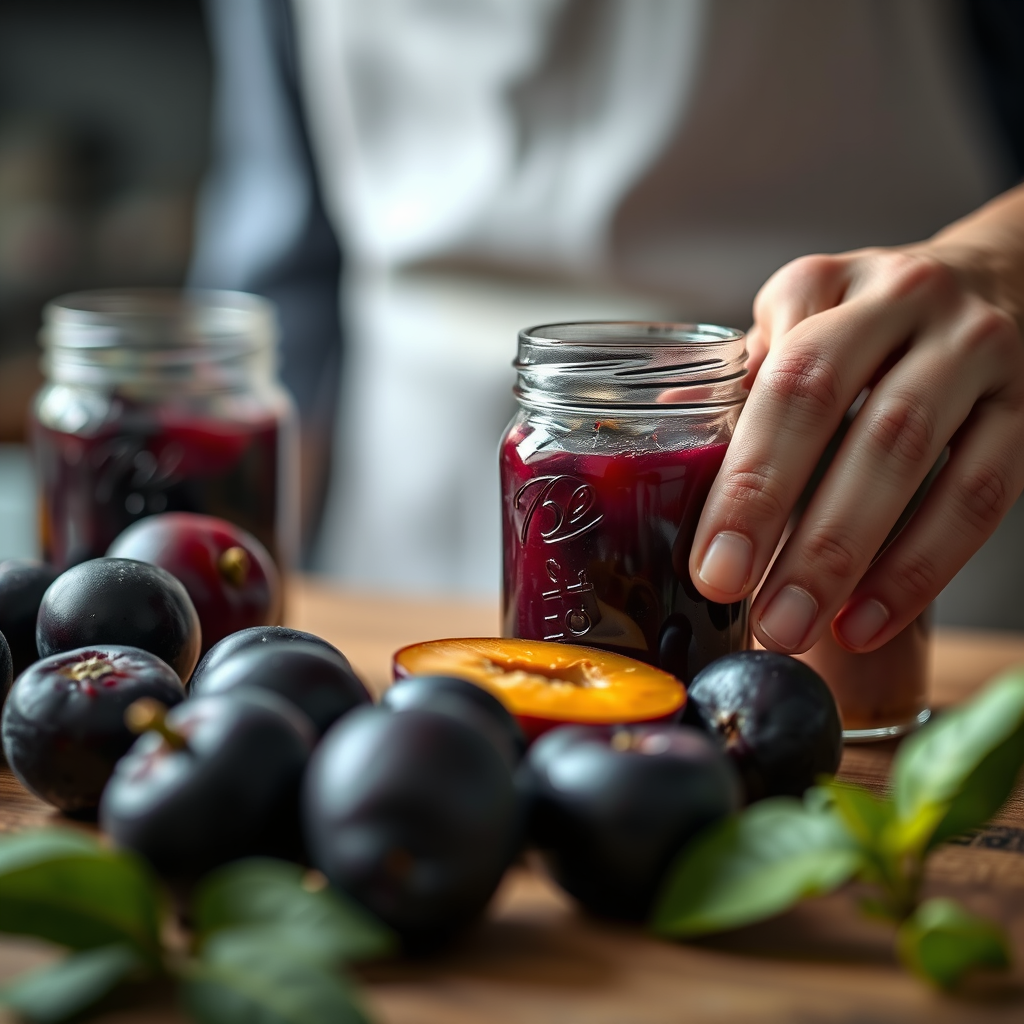
1. Gather Ingredients: Start with 2 pounds of ripe plums, 1 pound of granulated sugar, and the juice of 1 lemon for acidity. Ensure the plums are ripe; they should yield slightly to pressure but remain firm and free of bruises.
2. Prepare the Plums: Wash the plums thoroughly to eliminate dirt and pesticides. Halve the plums and remove the pits. Chop the flesh into small pieces, roughly 1-inch chunks, to enhance flavor extraction and promote even cooking.
3. Cook the Mixture: In a large, heavy-bottomed pot, combine the chopped plums, sugar, and lemon juice. Cook over medium heat, stirring frequently, until the sugar dissolves and the mixture begins to bubble. This typically takes about 5-10 minutes.
4. Boil and Reduce: Increase the heat to medium-high and bring the mixture to a rolling boil. Continue cooking, stirring often to prevent sticking, for approximately 20-30 minutes. Watch for the mixture to thicken and darken.
5. Test for Doneness: After about 20-30 minutes, conduct a gel test by placing a spoonful of the jam on a cold plate. Allow it to cool for about 1 minute. Run your finger through the jam; if it holds its shape and does not run back together, it is ready for canning. If it doesn’t pass the test, continue boiling for an additional 5-10 minutes before testing again.
6. Prepare Canning Jars: While the jam is cooking, sterilize your canning jars by boiling them in water for at least 10 minutes. This step is essential to prevent bacteria from spoiling your jam.
7. Fill Jars: Once the jam has reached the desired consistency, carefully ladle it into the hot, sterilized jars, leaving about ¼-inch headspace at the top. Wipe the rims of the jars with a clean cloth to eliminate any residue.
8. Seal and Process: Place the sterilized lids on the jars and screw on the metal bands until they are fingertip-tight. Process the jars in a boiling water bath for 10 minutes to ensure a proper seal, making sure the water covers the jars by at least 1 inch.
9. Cool and Store: Remove the jars from the water bath and allow them to cool completely on a clean towel or cooling rack. After 24 hours, check the seals by pressing down in the center of each lid; if it does not pop back, the jar is sealed properly. Store sealed jars in a cool, dark place. Any unsealed jars can be refrigerated and used within a few weeks.
Warning Signs: When Not to Follow This
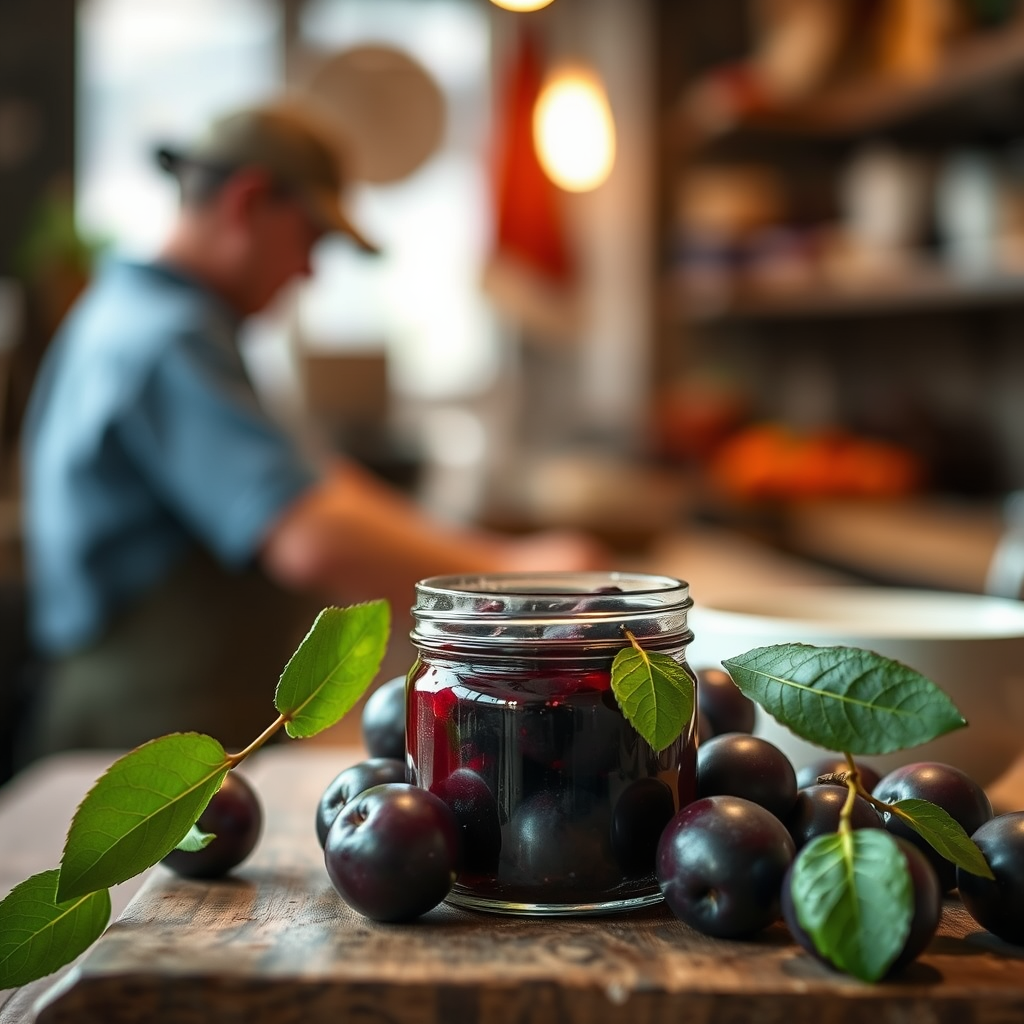
– Avoid using plums that are overly bruised or moldy, as this can lead to spoilage in your jam.
– Do not attempt to make jam if you cannot maintain a consistent boiling temperature of at least 220°F (104°C), as this is crucial for achieving the correct gel consistency.
– If you have concerns about the cleanliness of your canning equipment or jars, do not proceed until you can ensure proper sanitation.
– Refrain from making this jam recipe if you are allergic to any of the ingredients, particularly pectin or citric acid, which are commonly used in jam-making.
The Most Common Mistakes (And Their Consequences)
– Many home cooks skip the gel test, resulting in overly runny jam that won’t set properly, leading to a syrupy texture instead of a spreadable consistency.
– Failing to sterilize jars and lids can introduce bacteria, risking spoilage and foodborne illness; always boil jars for 10 minutes before use.
– Using unripe plums can yield a jam that is excessively tart and lacks depth of flavor; make sure your plums are fully ripe for the best results.
– Not measuring ingredients accurately can lead to an imbalance in flavor and texture; always use a kitchen scale for precise quantities.
Special Cases That Need a Different Approach
– If using alternative sweeteners like honey or agave syrup, adjust the sugar content accordingly, as these sweeteners can alter the gelling process. For example, honey may require additional cooking time to achieve the desired thickness.
– For individuals with dietary restrictions, consider low-sugar or pectin-free recipes, but note that these may necessitate longer cooking times to achieve the right thickness. Monitor the mixture closely to avoid burning.
– If making jam at high altitudes (over 1,000 feet), adjust cooking times and sugar levels to compensate for the lower boiling point of water; you may need to extend the boiling time by 5-10 minutes.
– If you wish to infuse flavors such as vanilla or spices, add them during the cooking process, but be careful not to overpower the plum flavor. Start with small amounts and adjust to taste.
When You Need a Professional
– If you are uncertain about the safety of your canning process or have questions regarding pressure canning versus water bath canning, consult a food preservation expert.
– For large-scale production or if you intend to sell your plum jam, seek guidance from a licensed food safety consultant to ensure compliance with local regulations.
– If you notice any signs of spoilage in your jam, such as off-smells or mold growth, discard the batch immediately and contact a food safety authority for advice on safe disposal.
– For individuals with severe allergies or dietary restrictions, consulting a nutritionist before attempting any jam recipe is advisable.
Sources and Further Reading
– “So Easy to Preserve” by the University of Georgia Cooperative Extension provides comprehensive guidelines on safe canning practices.
– The National Center for Home Food Preservation offers research-based methods for safely making jam and other preserves.
– The USDA Complete Guide to Home Canning outlines standard procedures and safety measures for home canning, including specific instructions for jam-making.
– For recipes and tips, visit the website of the National Center for Home Food Preservation, which features a variety of tested recipes for fruit jams and jellies.
With this guide in hand, you are now fully equipped to embark on your plum jam-making journey with confidence and expertise. Happy canning!
Frequently Asked Questions
What are the essential ingredients for a basic plum jam recipe?
A basic plum jam recipe typically requires ripe plums, granulated sugar, and lemon juice. The sugar helps to preserve the jam and enhance the natural sweetness of the plums, while the lemon juice adds acidity, which balances the flavors and aids in the gelling process. For best results, choose sweet, ripe plums for maximum flavor.
How do I make plum jam without pectin?
To make plum jam without pectin, start by washing and pitting your plums, then chop them into small pieces. Combine the plums with sugar and lemon juice in a pot, and cook over medium heat, stirring frequently until the mixture reaches a rolling boil. Continue to simmer until it thickens, which usually takes around 30-40 minutes, then test for doneness by placing a spoonful on a cold plate to see if it holds its shape.
Why is my plum jam not thickening properly?
If your plum jam is not thickening, it could be due to insufficient cooking time or not enough natural pectin in the fruit. Plums vary in pectin content, so using slightly underripe plums can help. Additionally, make sure to cook the jam at a high enough temperature to reach the gel stage, or you may need to add a commercial pectin product to achieve the desired consistency.
What are some creative flavor variations for plum jam?
There are many creative flavor variations for plum jam that can enhance your recipe. Consider adding spices like cinnamon or ginger for warmth, or mix in other fruits like peaches or apricots for a unique twist. You can also experiment with herbs like rosemary or thyme to create a savory-sweet jam that pairs well with meats and cheeses.
Which types of plums are best for making jam?
The best types of plums for making jam are those that are sweet and have a high sugar content, such as Stanley, Damson, or Italian plums. These varieties not only provide a rich flavor but also contain enough natural pectin to help with the gelling process. When selecting plums, look for ones that are ripe and slightly soft to ensure a delicious jam.
References
- Fruit preserves
https://en.wikipedia.org/wiki/Jam - https://www.bbc.co.uk/food/recipes/plum_jam_25852
https://www.bbc.co.uk/food/recipes/plum_jam_25852 - https://www.nyu.edu/content/dam/nyu/food-lab/pdfs/Plum_Jam_Recipe.pdf
https://www.nyu.edu/content/dam/nyu/food-lab/pdfs/Plum_Jam_Recipe.pdf - https://www.extension.purdue.edu/extmedia/FS/FS-51-W.pdf
https://www.extension.purdue.edu/extmedia/FS/FS-51-W.pdf - https://www.extension.umn.edu/food/food-safety/food-preservation/jams-and-jellies/
https://www.extension.umn.edu/food/food-safety/food-preservation/jams-and-jellies/ - Google Scholar Google Scholar
https://scholar.google.com/scholar?q=plum+jam+recipes - Google Scholar Google Scholar
https://scholar.google.com/scholar?q=plum+preservation+techniques - https://pubmed.ncbi.nlm.nih.gov/?term=plum+jam+recipes
https://pubmed.ncbi.nlm.nih.gov/?term=plum+jam+recipes - https://www.sciencedirect.com/topics/agricultural-and-biological-sciences/jam
https://www.sciencedirect.com/topics/agricultural-and-biological-sciences/jam - https://www.cdc.gov/nutrition/resources-publications/safe-preservation.html
https://www.cdc.gov/nutrition/resources-publications/safe-preservation.html