This expert guide to safely making plum jam provides essential techniques and best practices for both novice and experienced canners. You’ll learn precise methods to ensure your jam is not only delicious but also safe for preservation. Following these protocols is crucial to avoid spoilage and ensure food safety, making your homemade plum jam a delightful addition to your pantry.
What This Guide Covers (And What It Doesn’t)
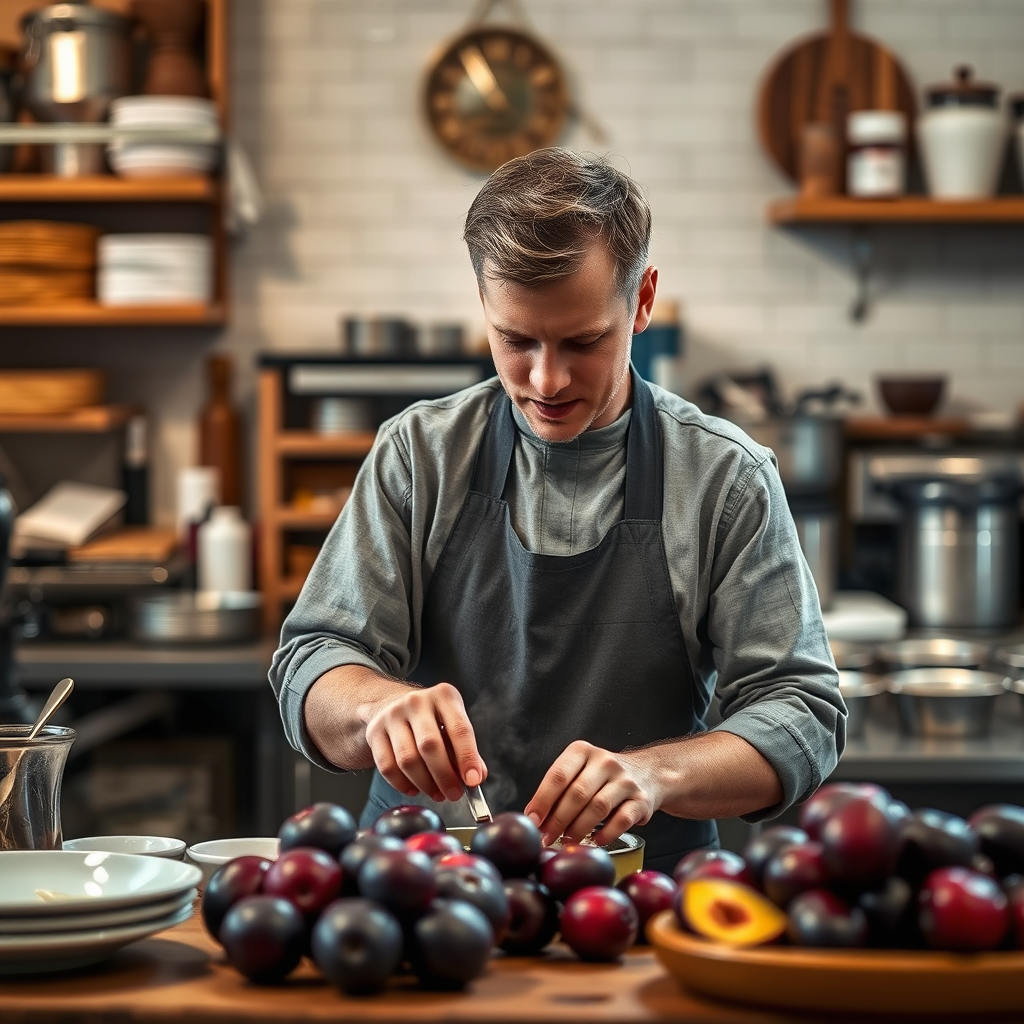
This guide offers a comprehensive, step-by-step approach to safely making plum jam, emphasizing food safety standards and effective preserving techniques. It includes precise measurements for ingredients, cooking times, and canning processes vital for successful plum jam preparation. Aimed at home cooks with a basic understanding of cooking and canning, this guide seeks to enhance skills in fruit preservation. However, it does not delve into recipes for other types of fruit jams or advanced canning techniques that require specialized equipment or expertise beyond standard kitchen tools.
Who Should Read This
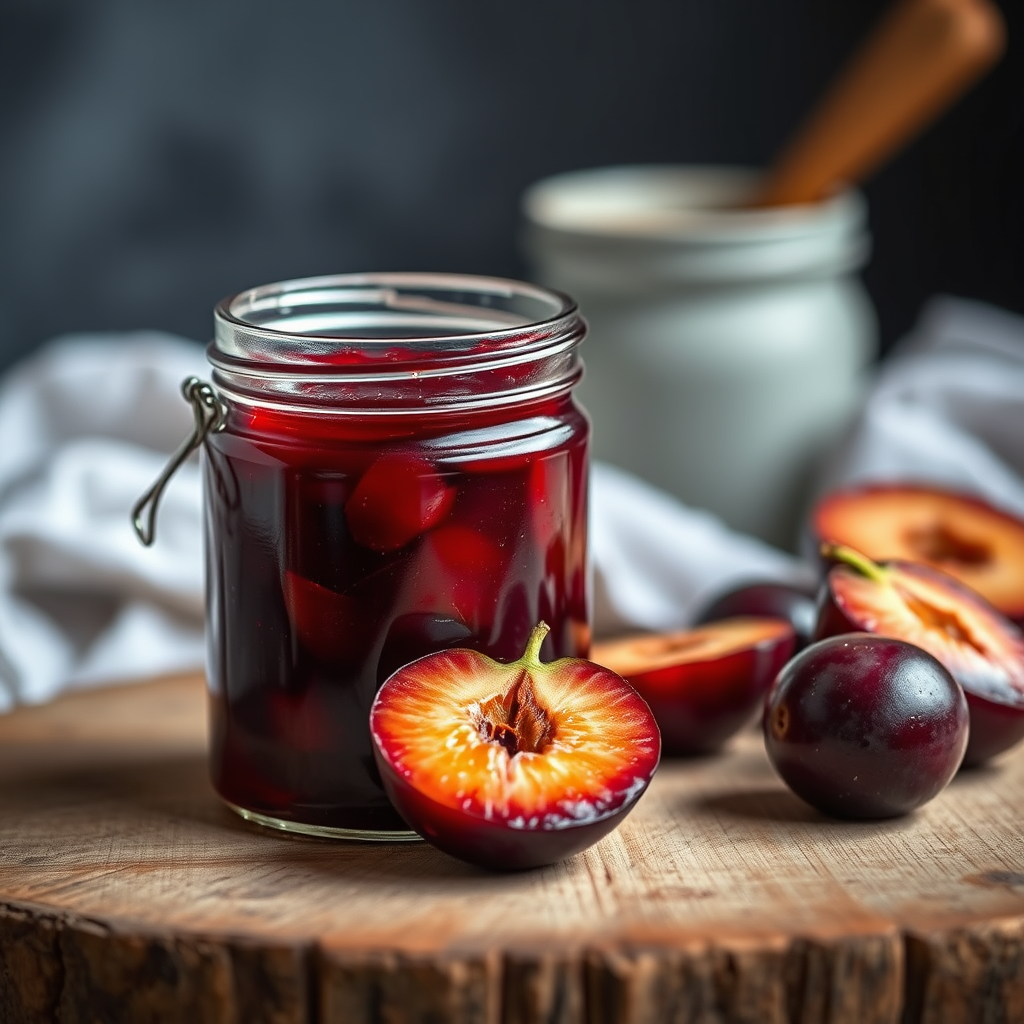
This guide is perfect for beginners eager to grasp the essentials of jam-making while prioritizing food safety, as well as intermediate canners looking to perfect their plum jam technique. Readers should have basic kitchen equipment, including pots, jars, and utensils, in addition to fresh plums, sugar, and pectin. This content is not intended for individuals with advanced culinary training or those seeking professional-level canning methods that necessitate commercial-grade equipment. Anyone interested in preserving seasonal fruits for personal use or gifts will find valuable insights and practical tips within these pages.
The Step-by-Step Protocol
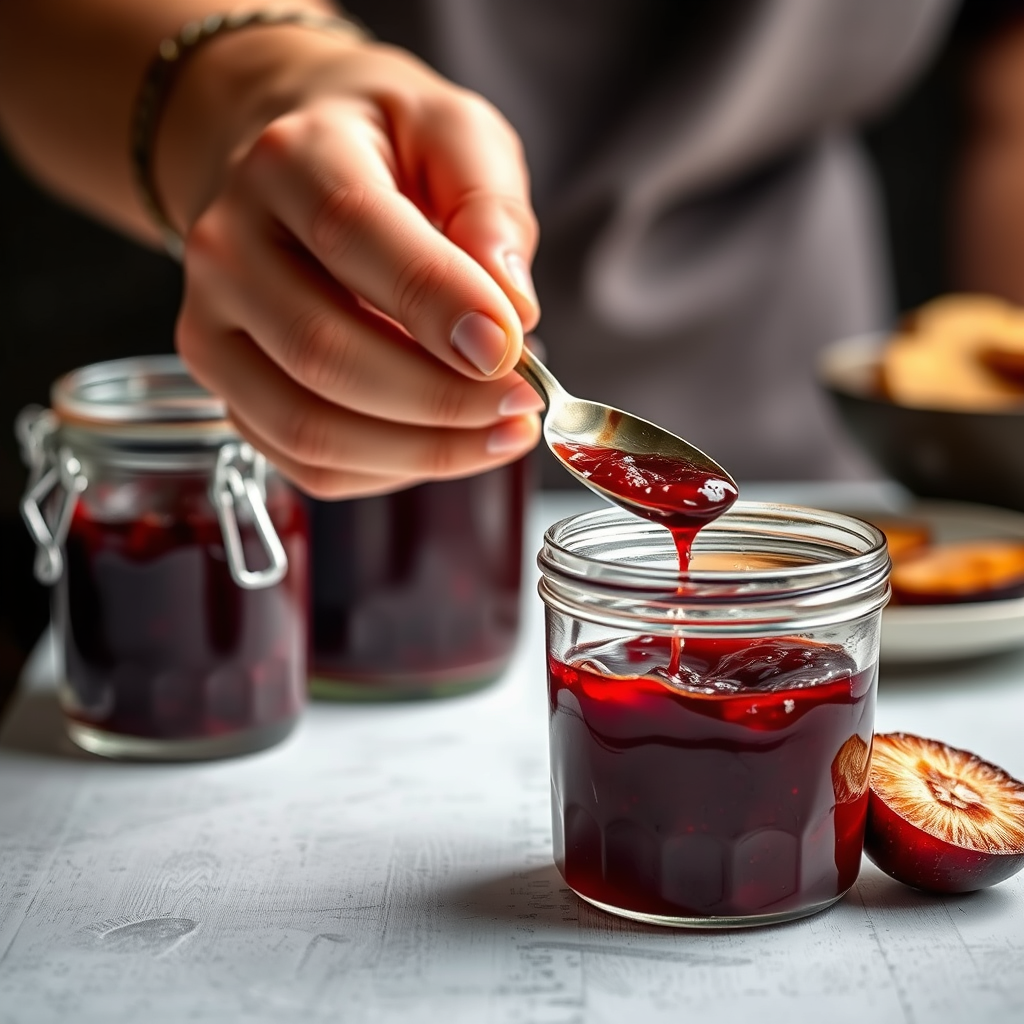
1. Select and Prepare Plums: Choose 4 cups of ripe, fresh plums, typically weighing about 2 pounds. Wash the plums thoroughly under running water to eliminate any dirt or pesticides. Halve the plums, remove the pits, and chop them into small pieces, ensuring uniformity in size for even cooking.
2. Measure Ingredients: In a large mixing bowl, combine the chopped plums with 1/4 cup of freshly squeezed lemon juice, 5 cups of granulated sugar, and 1 package (1.75 oz) of fruit pectin. Stir gently to ensure even distribution of the pectin throughout the fruit.
3. Cook the Mixture: Transfer the mixture to a large saucepan and bring it to a rapid boil over medium-high heat. Stir constantly to prevent the fruit from sticking to the bottom of the pan. Once boiling, continue to cook for exactly 1 minute, ensuring that the sugar is fully dissolved. This crucial step activates the pectin, allowing the jam to set properly.
4. Canning Process: Prepare your canning jars by sterilizing them in boiling water for at least 10 minutes. Pour the hot plum jam into the sterilized jars, leaving about 1/4 inch of headspace at the top. Wipe the rims of the jars with a clean, damp cloth to eliminate any residue. Place sterilized lids on top and secure them with metal bands. Process the filled jars in a boiling water bath for 10 minutes to ensure a proper seal.
Warning Signs: When Not to Follow This
– Avoid making plum jam if the fruit shows signs of spoilage, such as mold, soft spots, or an off smell; using compromised fruit can lead to unsafe products.
– Do not attempt to can the jam without the proper equipment, such as a boiling water canner or pressure canner, essential for safe preservation.
– If you have not adhered to recommended safety guidelines for sterilizing jars and lids, do not proceed, as this increases the risk of contamination and spoilage.
– Refrain from using alternative sweeteners or low-sugar pectin unless you are knowledgeable about how these changes impact the preservation process, as they can result in unsafe or improperly set jam.
The Most Common Mistakes (And Their Consequences)
– Many novice jam makers overlook the pectin or sugar measurements, resulting in runny jam that fails to set properly. This leads to wasted ingredients and time, as the jam may not be salvageable.
– Failing to process jars in a boiling water bath for the correct duration can lead to spoilage, making the jam unsafe for consumption due to improper sealing.
– Some cooks may disregard the importance of headspace in jars. Insufficient headspace can cause the jam to overflow during processing, leading to unsealed jars and contamination from the water bath.
– Not sterilizing jars and lids correctly can introduce bacteria, heightening the risk of foodborne illnesses and spoilage of the jam. Always prioritize cleanliness and adhere to sterilization guidelines.
Special Cases That Need a Different Approach
– If using overripe plums, consider cooking them down longer to concentrate the flavors and achieve the desired consistency. Overripe fruit can alter texture, leading to jam that may not set properly.
– For those living at high altitudes (over 1,000 feet), adjustments in processing time may be necessary. Typically, increase the boiling time by an additional 5 minutes for every 1,000 feet above sea level.
– If you’re making a small batch (less than 4 cups), consider using a microwave method for quick jam-making, but ensure you follow the same sugar and pectin ratios to achieve the proper set and safety.
– Adjusting the acidity, such as reducing lemon juice, may require additional testing for safety. Use a pH meter to ensure the acidity remains at a safe level (below 4.6) for preservation.
When You Need a Professional
– If you notice unusual fermentation or unexpected spoilage in your canned plum jam, consult a food preservation expert or your local extension service for guidance.
– If you have questions about safely canning low-acid foods or are uncertain about the pH balance of your jam, seek advice from a certified food safety professional.
– When considering large-scale production of plum jam for sale, collaborating with a commercial food processor or food safety consultant is essential to comply with local health regulations, which may include labeling, storage, and processing standards.
– If you are unsure about your canning techniques or have encountered previous issues with food safety, attending a workshop or consulting with a local canning expert is advisable before proceeding.
Sources and Further Reading
– National Center for Home Food Preservation: Guidelines for safely preserving fruits and jams.
– USDA Complete Guide to Home Canning: A comprehensive resource for safe canning practices and recipes.
– Ball Book of Canning and Preserving: A trusted reference for home canning techniques and recipes.
– University Extension Programs: Various state extensions offer resources tailored to regional fruit preservation methods and safety updates.
By following this expert guide, you can successfully make plum jam that is not only delicious but also safe for you and your family to enjoy. Remember, food preservation is both an art and a science; adhering to these protocols ensures quality and safety in every jar.
Frequently Asked Questions
What ingredients do I need for a simple plum jam recipe?
To make a simple plum jam, you will need ripe plums, granulated sugar, and lemon juice. Typically, the ratio is about 2 pounds of plums to 1 to 1.5 pounds of sugar, and the juice of one lemon helps balance the sweetness and enhance flavor.
How do I properly prepare plums for making jam?
To prepare plums for jam, start by washing them thoroughly to remove any dirt or pesticides. Next, pit the plums and chop them into small pieces. This will help them cook down more quickly and evenly, ensuring a smooth texture in your final jam.
Why is it important to use ripe plums for jam?
Using ripe plums is crucial because they contain higher levels of natural sugars and pectin, which are essential for achieving the right consistency and flavor in your jam. Overripe or underripe plums can result in a jam that’s either too sweet or lacking in the desired texture.
What is the best method for canning plum jam?
The best method for canning plum jam involves sterilizing your jars and lids in boiling water, then filling them with hot jam, leaving about a quarter-inch headspace. Seal the jars tightly and process them in a water bath for about 10-15 minutes to ensure they are shelf-stable.
Which type of plums is best for making jam?
The best types of plums for making jam are usually freestone varieties like Santa Rosa or Italian plums, as they are easier to pit and have a great balance of sweetness and tartness. These plums also contain enough pectin to help the jam set properly without needing additional thickening agents.
References
- Fruit preserves
https://en.wikipedia.org/wiki/Jam - https://www.uga.edu/extension/publications/food-preservation/
https://www.uga.edu/extension/publications/food-preservation/ - Google Scholar Google Scholar
https://scholar.google.com/scholar?q=plum+jam+recipe - https://www.extension.purdue.edu/extmedia/HE/HE-2-W.pdf
https://www.extension.purdue.edu/extmedia/HE/HE-2-W.pdf - Page not found
https://www.clemson.edu/extension/food_safety/preservation/jams_jellies.html - https://www.jstor.org/stable/10.5325/jcoup.3.2.0277
https://www.jstor.org/stable/10.5325/jcoup.3.2.0277 - Google Scholar Google Scholar
https://scholar.google.com/scholar?q=plum+preservation - https://www.ncbi.nlm.nih.gov/pmc/articles/PMC4977380/
https://www.ncbi.nlm.nih.gov/pmc/articles/PMC4977380/ - https://www.sciencedirect.com/science/article/pii/S2212615114000183
https://www.sciencedirect.com/science/article/pii/S2212615114000183 - https://www.foodpreservation.org/recipes/jams/plum-jam/
https://www.foodpreservation.org/recipes/jams/plum-jam/