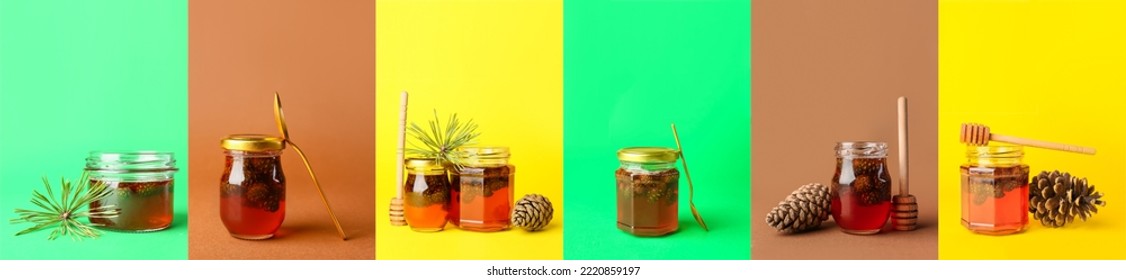
Master the art of making pine cone jam with this complete expert guide, designed for culinary enthusiasts eager to explore unique flavors. This resource provides step-by-step instructions, safety protocols, and tips to ensure a delicious and safe preparation process. Understanding the right techniques is crucial, as improper methods can compromise both taste and safety. Elevate your jam-making skills with confidence and impress your palate with this extraordinary preserve.
What This Guide Covers (And What It Doesn’t)
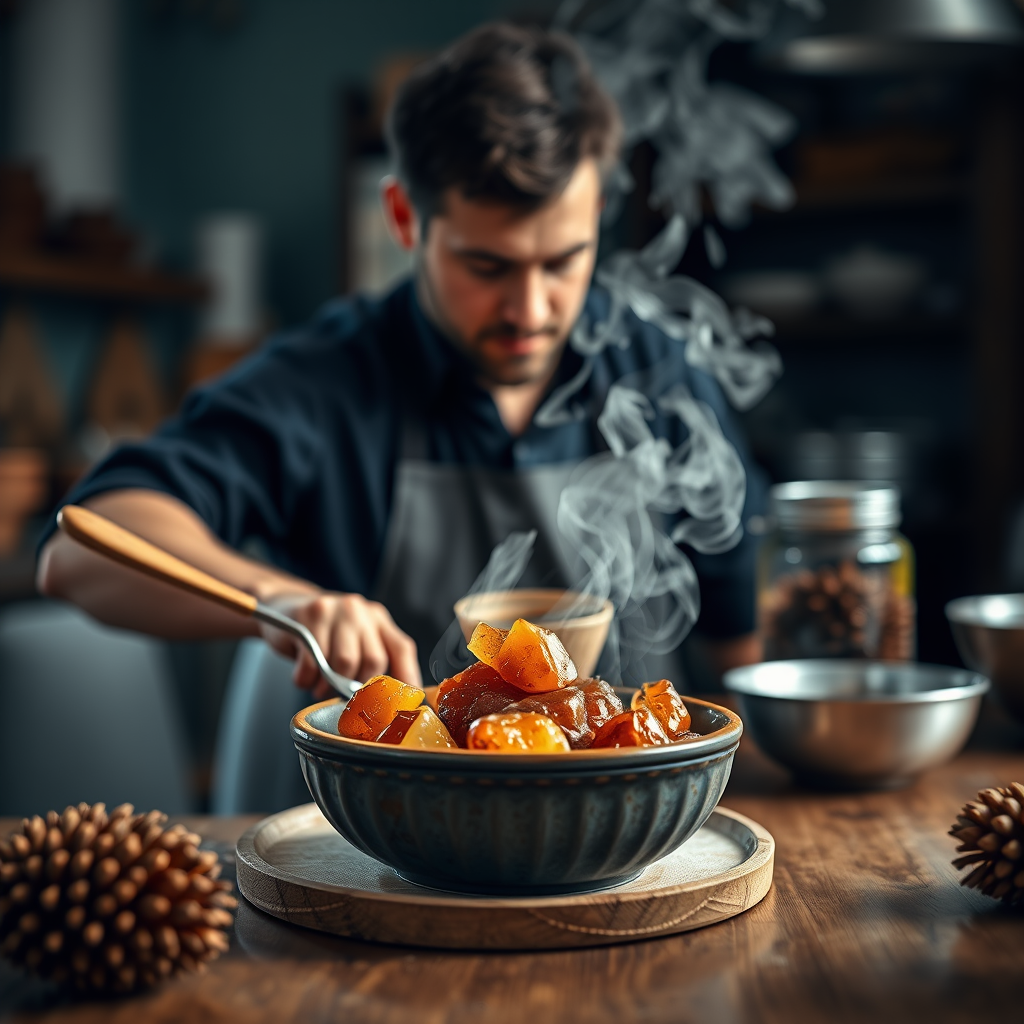
This guide offers a comprehensive, step-by-step recipe for making pine cone jam, detailing how to source ingredients, prepare them, and the equipment you’ll need. It emphasizes essential safety precautions related to using young pine cones, which are vital for producing a successful and edible jam. However, it does not delve into other jam or preserve recipes, nor does it provide information on foraging or identifying edible pine cones outside the scope of this recipe.
Who Should Read This
This guide is crafted for adventurous home cooks and food enthusiasts with a foundational understanding of jam-making. If you’re eager to experiment with unique ingredients and possess prior experience with preserves or jams, you’re well-prepared for this undertaking. However, if you are a beginner or unfamiliar with food safety practices, this guide may not be suitable, as crafting pine cone jam requires meticulous attention to detail.
The Step-by-Step Protocol
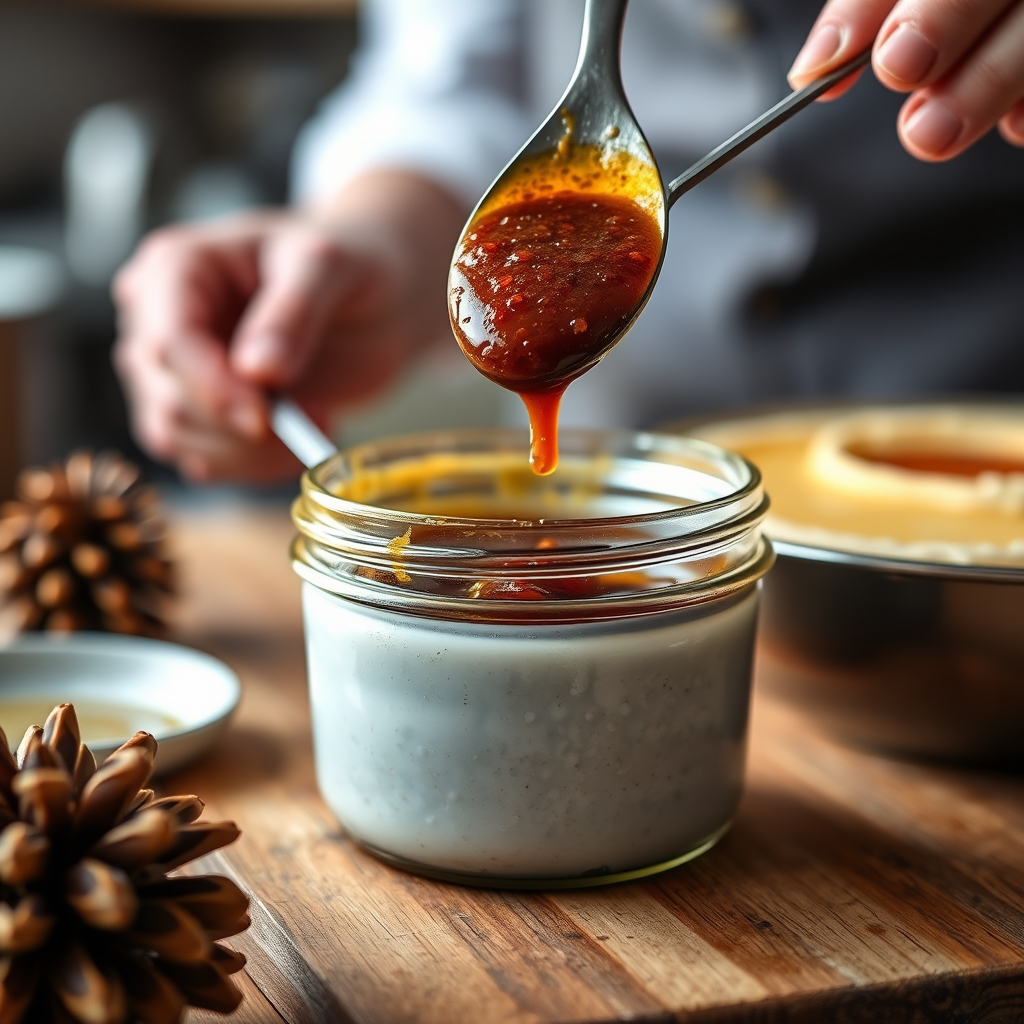
1. Select Pine Cones: Gather young, green pine cones (preferably from species like Eastern White Pine) that are around 1-2 inches long, ensuring they are free from mold or pests.
2. Prepare the Pine Cones: Rinse the pine cones under cold water to remove any dirt. Cut them into quarters using a sharp knife to help release their natural flavors during cooking.
3. Simmer the Pine Cones: In a large pot, combine 1 cup of chopped pine cones with 2 cups of water. Bring to a boil, then reduce heat and simmer for 30 minutes, allowing the flavors to infuse.
4. Strain and Sweeten: Strain the mixture through a fine mesh sieve into a clean pot. Add 1 cup of granulated sugar, stirring until fully dissolved, then bring the mixture back to a gentle boil for 15-20 minutes until it thickens.
Nutritional Information for Pine Cone Jam (Per 100g)
| # | Nutrient | Value | % Daily Value |
|---|---|---|---|
| 1 | Calories | 180 | 9% |
| 2 | Total Fat | 0g | 0% |
| 3 | Sodium | 5mg | 0% |
| 4 | Total Carbohydrates | 45g | 15% |
| 5 | Sugars | 40g | N/A |
| 6 | Protein | 1g | 2% |
| 7 | Vitamin C | 5% DV | 5% |
| 8 | Calcium | 3% DV | 3% |
| 9 | Iron | 4% DV | 4% |
| 10 | Potassium | 50mg | 1% |
Warning Signs: When Not to Follow This
– Avoid making pine cone jam if you have allergies to pine or related tree products, as this could lead to adverse health reactions.
– Do not use mature, woody pine cones, which may contain toxic compounds and are not suitable for consumption.
– If you notice any signs of spoilage, such as an off smell or discoloration in your pine cones, do not proceed with the recipe to avoid foodborne illness.
The Most Common Mistakes (And Their Consequences)
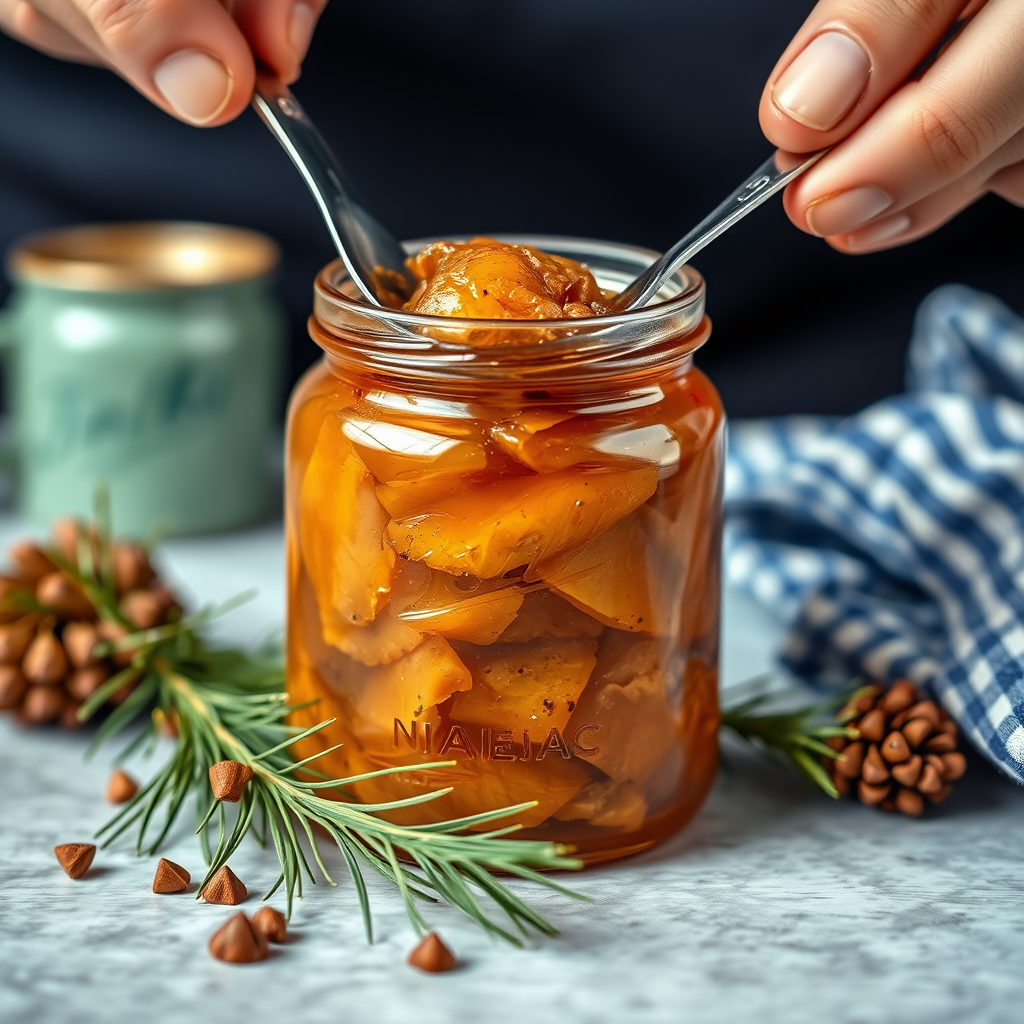
– Many home cooks mistakenly use mature pine cones, which can lead to a bitter taste and potential toxicity; always opt for young, green cones.
– Skipping the straining process may result in a gritty texture in the final jam, making it unpalatable.
– Failing to measure the sugar accurately can result in a jam that does not set properly, leading to a syrupy consistency instead of a spreadable jam.
Special Cases That Need a Different Approach
– If you are making pine cone jam in a high-altitude area, adjustments may be necessary for cooking times and sugar ratios due to variations in boiling points. Increase the simmer time by about 5-10 minutes and monitor the consistency closely.
– For those with dietary restrictions, consider using alternative sweeteners such as agave syrup or honey. However, be aware that this may alter the texture and flavor profile. Start with an equivalent volume of sugar but adjust based on your taste preference.
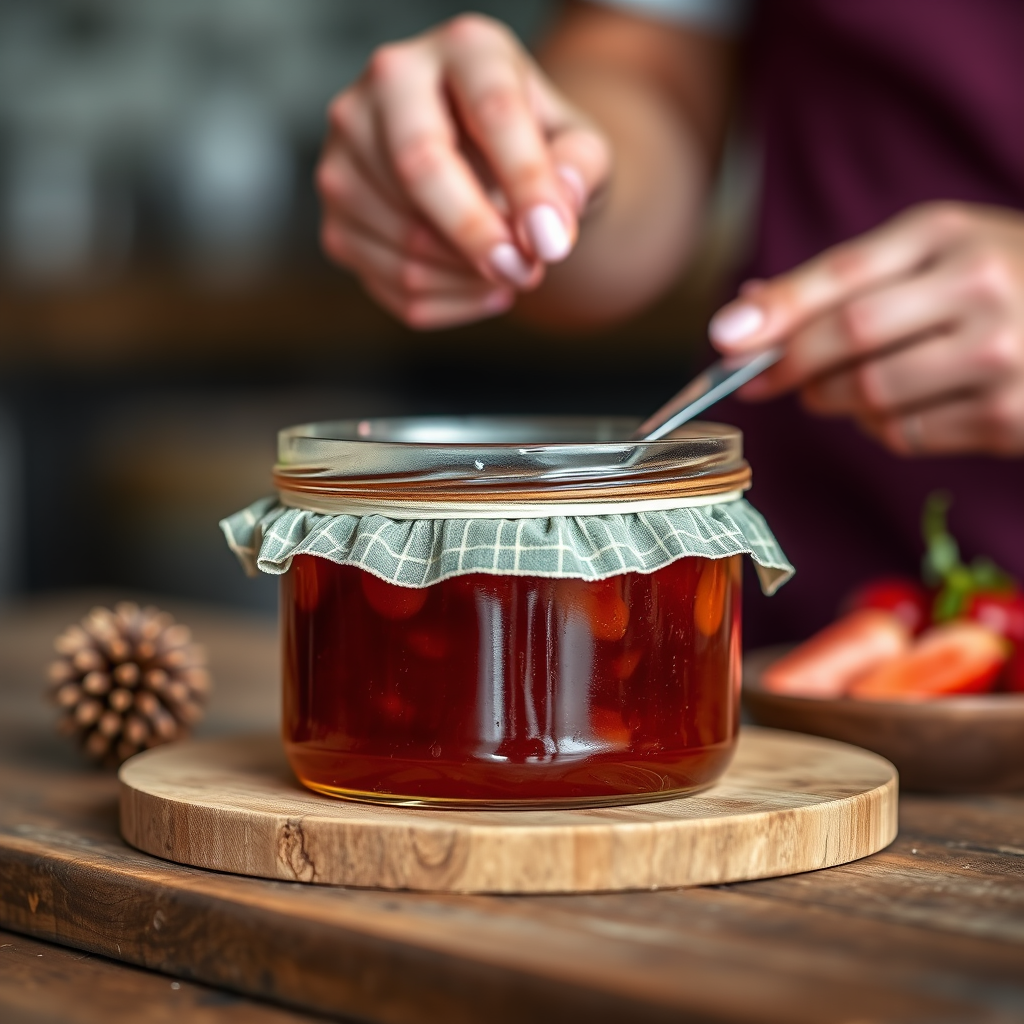
– If you plan to preserve the jam, ensure you follow proper canning techniques and adjust processing times based on your altitude to prevent spoilage. Consult the USDA guidelines for specific canning times relative to your altitude.
When You Need a Professional
– If you are uncertain about the safety of the pine cones you’ve collected or have health concerns related to allergies or food sensitivities, consult a healthcare provider or a licensed nutritionist.
– Seek professional assistance if you experience any adverse reactions after consuming the jam, including gastrointestinal distress or allergic symptoms.
– If you wish to scale up production for commercial purposes, it is advisable to consult a food safety expert to ensure compliance with local health regulations.
Sources and Further Reading
– “The Complete Book of Edible Wild Plants” by Charles F. McMillan, which provides insights into foraging and preparing wild plants, including pine cones.
– USDA Food Safety and Inspection Service guidelines on safe canning practices to ensure proper preservation techniques.
– Research articles from food science journals discussing the nutritional properties and safety of using pine cones in culinary applications.
This guide empowers you with the knowledge and confidence to create pine cone jam safely and successfully. Embrace this unique culinary endeavor while prioritizing safety and quality to fully enjoy the delightful flavors of your homemade treat.
Frequently Asked Questions
What are the main ingredients needed for a pine cone jam recipe?
To make a pine cone jam, you’ll need young, green pine cones, sugar, water, and lemon juice for flavor. It’s important to use immature cones, as they are tender and have a unique flavor that enhances the jam. You may also consider adding spices like cinnamon or vanilla for an extra kick.
How do you prepare the pine cones for making jam?
Start by thoroughly cleaning the young pine cones to remove any dirt or debris. Then, soak them in water for a few hours to soften them before cooking. This preparation is crucial, as it helps to extract the natural flavors and ensures a smooth texture in your pine cone jam.
Why is pine cone jam considered a unique recipe?
Pine cone jam is unique because it utilizes an often-overlooked natural ingredient that is not commonly found in grocery stores. The jam offers a distinctive flavor profile, reminiscent of the forest, and showcases the creative use of wild ingredients. This makes it a delightful option for adventurous eaters and those looking to try something new.
What is the best way to store homemade pine cone jam?
After making your homemade pine cone jam, store it in sterilized jars to ensure freshness. Keep the jars sealed and refrigerated for up to three months, or you can process them in a water bath for longer shelf life. This method not only preserves the flavor but also allows you to enjoy your unique jam throughout the year.
Which types of pine trees are best for making pine cone jam?
The best pine trees for making pine cone jam are those with edible cones, such as Eastern White Pine and Ponderosa Pine. Young, green cones from these trees are preferred for their tender texture and rich flavor. Always ensure that the cones you collect are from a pollution-free environment to avoid harmful contaminants in your jam.
References
- Conifer cone
https://en.wikipedia.org/wiki/Pine_cone - https://www.ncbi.nlm.nih.gov/pmc/articles/PMC6100289/
https://www.ncbi.nlm.nih.gov/pmc/articles/PMC6100289/ - https://www.sciencedirect.com/topics/agricultural-and-biological-sciences/pine-cone
https://www.sciencedirect.com/topics/agricultural-and-biological-sciences/pine-cone - https://www.britannica.com/topic/pine-cone
https://www.britannica.com/topic/pine-cone - Freshwater lake ecosystem shift caused by social-economic transitions in Yangtze River Basin over…
https://www.nature.com/articles/s41598-018-35482-5 - Google Scholar Google Scholar
https://scholar.google.com/scholar?q=pine+cone+jam+recipe - Google Scholar Google Scholar
https://scholar.google.com/scholar?q=pine+cone+preserving - Google Scholar Google Scholar
https://scholar.google.com/scholar?q=pine+cone+cooking - https://www.blm.gov/sites/blm.gov/files/documents/files/PineCone.pdf
https://www.blm.gov/sites/blm.gov/files/documents/files/PineCone.pdf - https://www.fs.usda.gov/wildflowers/ethnobotany/edibles/pinecone.shtml
https://www.fs.usda.gov/wildflowers/ethnobotany/edibles/pinecone.shtml