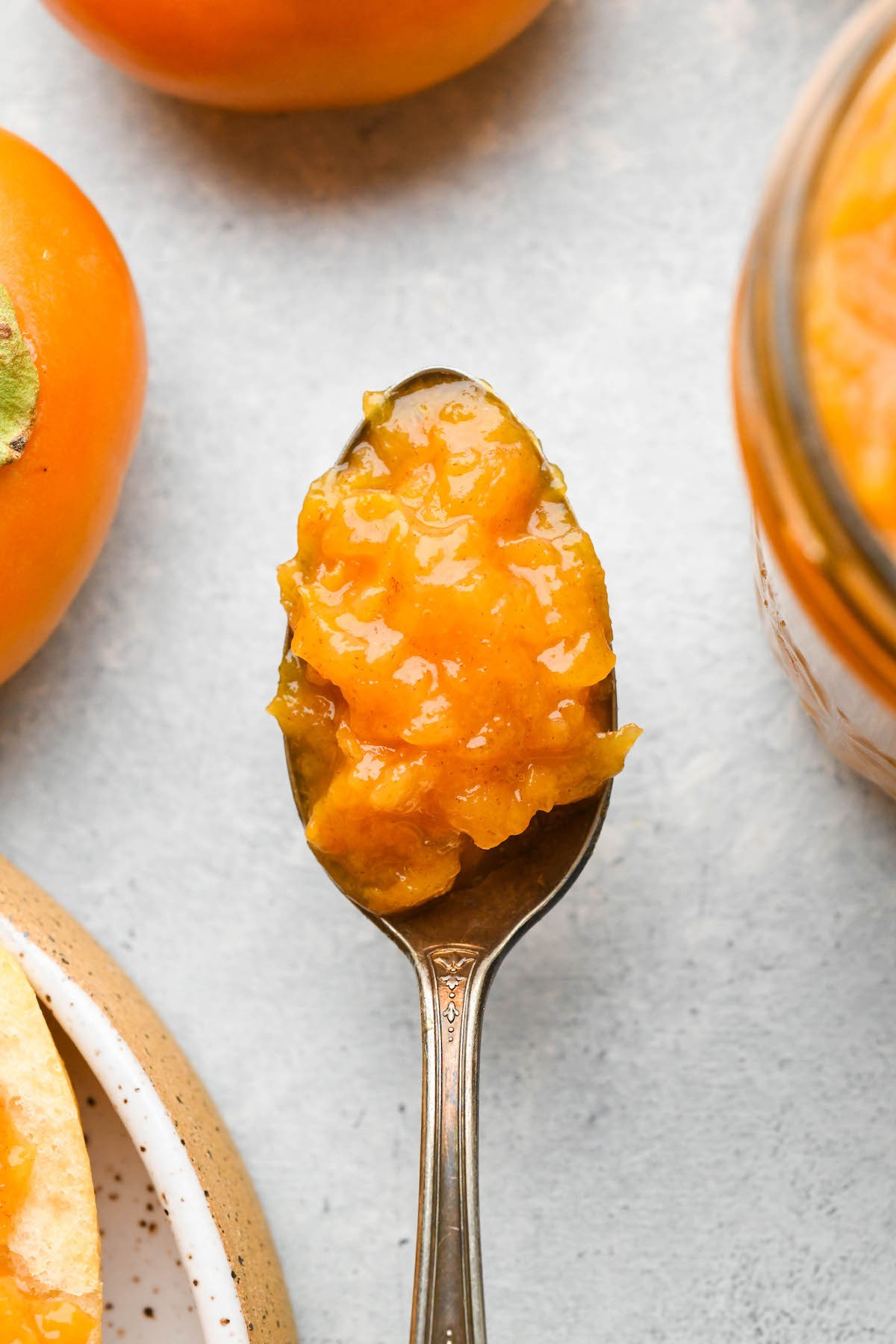
Master the art of creating persimmon jam at home with this comprehensive expert guide, designed for both novice and seasoned cooks. This guide covers essential techniques, safety protocols, and precise recipes to ensure your jam is not only delicious but also safe for consumption. Following these expert protocols is crucial to preserve flavor and prevent spoilage, transforming your ripe persimmons into a delightful spread.
What This Guide Covers (And What It Doesn’t)
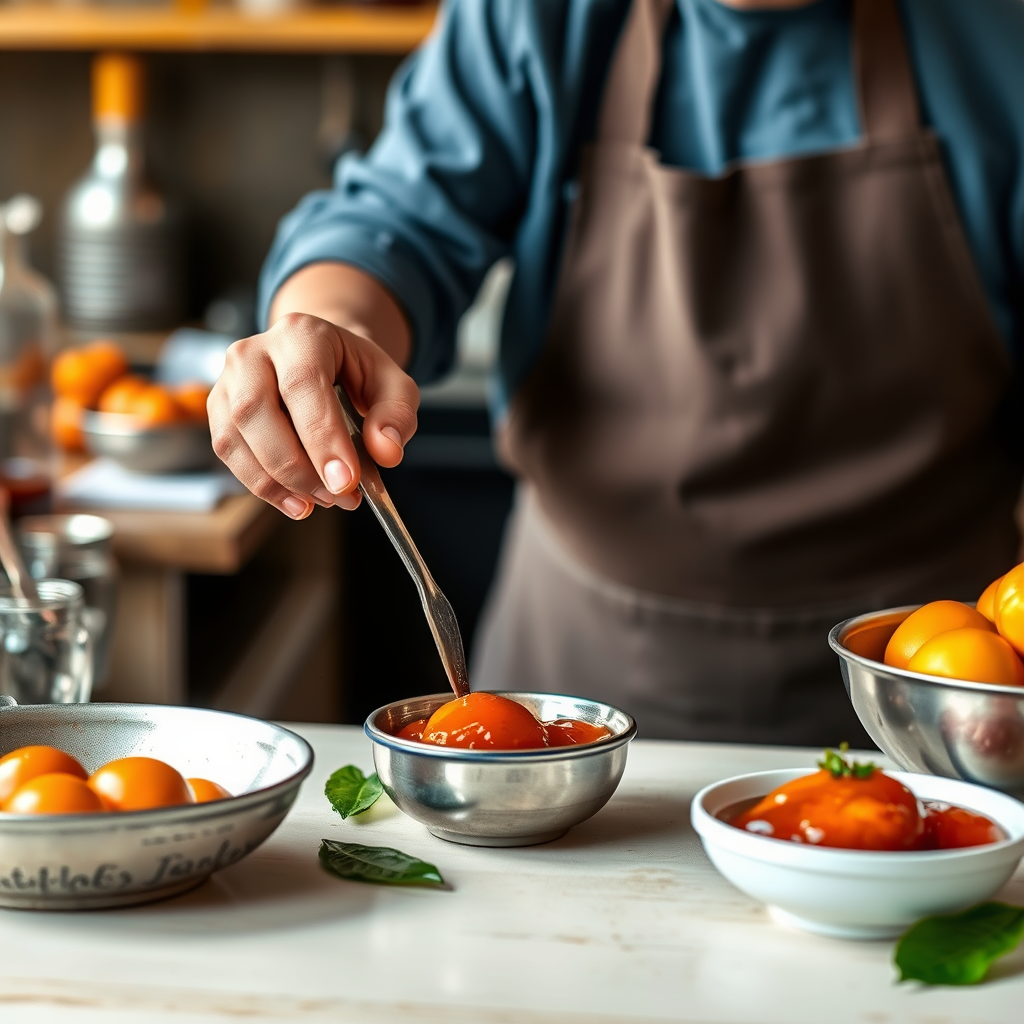
This guide delivers a thorough, step-by-step approach to making persimmon jam, highlighting the unique characteristics of these fruits and their role in jam production. It details how to select the best persimmons, prepare them, cook the mixture, and can the jam safely for a delicious final product.
You’ll find precise ingredient lists, cooking times, and safety tips designed to enhance flavor while maintaining the integrity of the preserve. However, this guide does not cover other fruit jam recipes or general jam-making techniques. Instead, it focuses exclusively on the nuances associated with persimmons.
Who Should Read This
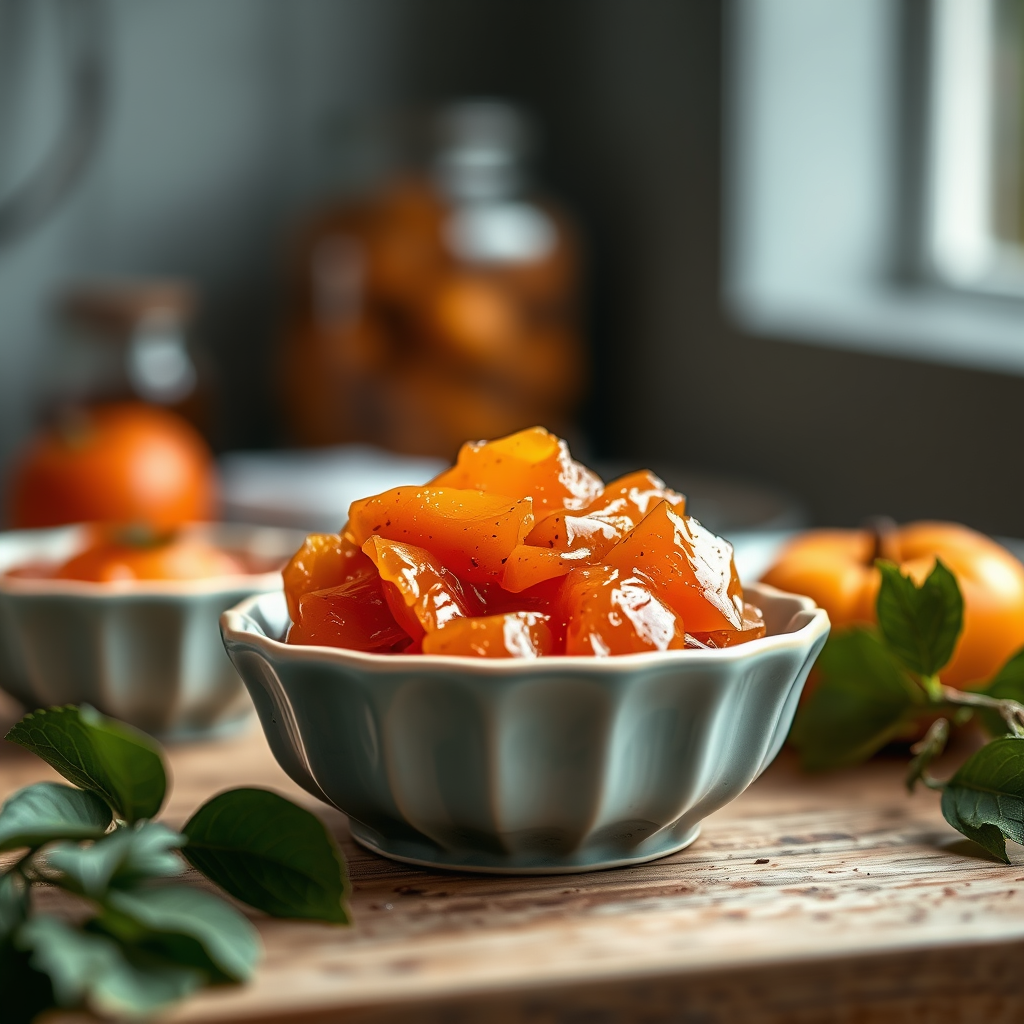
This guide is tailored for home cooks who possess a basic understanding of canning and preserving, and who wish to refine their skills specifically in the realm of persimmon jam. If you have experience making jam with other fruits, transitioning to persimmons will be straightforward, thanks to the specific adjustments outlined here.
However, this guide is not intended for beginners in canning. Familiarity with essential kitchen equipment and safety measures for food preservation is assumed, as these elements are crucial for successful and safe jam-making.
The Step-by-Step Protocol
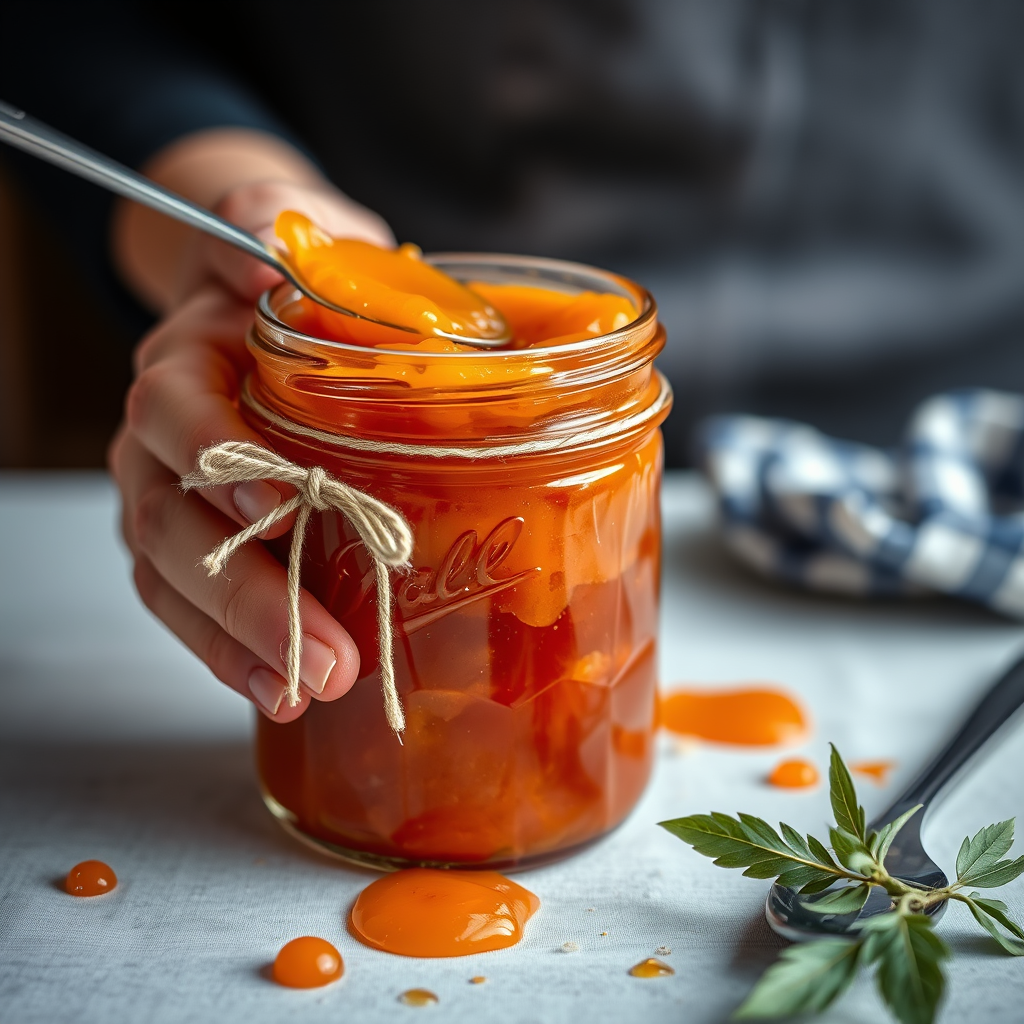
1. Select the Right Persimmons: Start by choosing 4 cups of ripe, soft Fuyu or Hachiya persimmons. Ensure they are free from bruises and blemishes, as damaged fruit can compromise both flavor and safety.
2. Prepare the Fruit: Thoroughly wash the persimmons under cool running water. Peel the skin and chop the flesh into small pieces. Measure exactly 4 cups of the chopped persimmons to ensure the proper consistency in the final product.
3. Cook the Mixture: In a large, heavy-bottomed pot, combine the 4 cups of chopped persimmons with 2 cups of granulated sugar and the juice of 1 lemon, which provides necessary acidity. Heat the mixture over medium heat, stirring until the sugar completely dissolves. Once dissolved, increase the heat to bring the mixture to a low boil.
4. Check for Doneness: Cook the persimmon mixture for 20-30 minutes, stirring frequently to prevent sticking. Use a candy thermometer to monitor the temperature, ensuring that the mixture reaches 220°F (104°C). This temperature is critical for proper gel formation. You can also perform a plate test by placing a spoonful of jam on a chilled plate; if it holds its shape after cooling, it is ready for canning.
5. Canning the Jam: While the jam is cooking, prepare your canning jars by sterilizing them in boiling water for at least 10 minutes. Pour the hot jam into the sterilized jars, leaving about ¼ inch of headspace. Wipe the rims of the jars with a clean cloth to remove any residue that could affect sealing. Place sterilized lids on the jars and screw on the metal bands until they are fingertip-tight.
6. Process the Jars: Process the jars in a boiling water bath for 10-15 minutes to ensure a proper seal. Adjust the time based on your altitude; higher altitudes may require longer processing times. After processing, allow the jars to cool on a clean towel or rack for 24 hours.
7. Check the Seals: After 24 hours, check the seals by pressing down in the center of each lid. If it pops back, the jar has not sealed properly and should be refrigerated and consumed within a few weeks. Properly sealed jars can be stored in a cool, dark place for up to one year.
Warning Signs: When Not to Follow This

Avoid making persimmon jam if your persimmons are overripe or beginning to ferment, as these conditions can compromise both safety and flavor. Signs of spoilage include any visible mold, off-smells, or a watery consistency after cooking; do not proceed with canning in these scenarios.
Additionally, do not attempt this recipe if you lack the necessary canning equipment, such as a water bath canner and sterilized jars. Improper canning can lead to foodborne illnesses, particularly botulism, which poses a serious health risk.
The Most Common Mistakes (And Their Consequences)
– Using Unripe Persimmons: This can lead to a jam that is overly tart and lacks the smooth texture typical of persimmon jam. Always ensure your persimmons are fully ripe.
– Incorrect Sugar Ratios: Failing to measure the sugar accurately can result in a jam that does not gel properly. This will lead to a syrupy consistency instead of a spreadable jam, rendering the batch unsuitable for long-term storage.
– Not Reaching the Right Temperature: If the mixture does not reach the critical temperature of 220°F (104°C), the jam may spoil quickly and will not possess the desired shelf life when canned. Always use a reliable candy thermometer to avoid this issue.
Special Cases That Need a Different Approach
– Low-Sugar or No-Sugar Variants: For those looking to reduce sugar intake, consider using a pectin designed for lower sugar recipes. Adjust the ratios according to the instructions provided on the pectin package to ensure proper gel formation.
– Allergies and Dietary Restrictions: If you have allergies to certain ingredients, such as citrus, alternatives exist. For acidity, you can substitute lemon juice with apple juice, which serves a similar function without triggering allergies.
– Using Different Persimmon Varieties: Hachiya persimmons have higher moisture content and require a longer cooking time, as well as potentially more sugar, compared to Fuyu persimmons. Adjust timing and sugar based on the variety used to achieve the desired consistency.
When You Need a Professional
If you notice any signs of spoilage or fermentation in your jam, consult a food safety expert or your local extension service for guidance on whether your batch is safe to consume.
If you are uncertain about the canning process, particularly regarding pressure canning or preserving for extended storage, seek advice from a certified canning instructor to ensure safety and compliance with best practices.
For large-scale production or commercial purposes, it is essential to contact a food scientist or preservation specialist to ensure compliance with safety regulations and to optimize the preservation process.
Sources and Further Reading
– Ball Complete Book of Home Preserving – This book provides a thorough overview of home canning techniques and safety standards for various fruits, including persimmons.
– USDA Complete Guide to Home Canning – The official USDA guidelines offer safe food preservation methods, including detailed information specific to jams and jellies.
– National Center for Home Food Preservation – This resource offers up-to-date canning techniques, recipes, and food safety information tailored for home cooks, ensuring you are equipped with the latest practices in food preservation.
By following this expert guide, you can confidently prepare and enjoy persimmon jam at home, elevating your canning skills while ensuring safety and flavor integrity in your final product.
Frequently Asked Questions
What ingredients do I need for a basic persimmon jam recipe?
To make a basic persimmon jam, you will need ripe persimmons, sugar, lemon juice, and pectin. Choose sweet and soft persimmons, such as Fuyu or Hachiya, as they will yield the best flavor. The sugar helps with preservation and sweetness, while lemon juice adds acidity, balancing the flavors.
How do I properly prepare persimmons for making jam?
Start by washing the persimmons thoroughly and then removing the skins if desired, as they can be tough. Cut the fruit into quarters, removing any seeds, and mash or chop them to your preferred consistency. This preparation ensures that the fruit blends well into the jam and enhances the overall texture.
Why is my persimmon jam not setting properly?
If your persimmon jam isn’t setting, it could be due to insufficient pectin or not cooking it long enough. Ensure you are using ripe persimmons, which naturally contain pectin, and consider adding commercial pectin if needed. Additionally, cooking the mixture to a rolling boil for the right amount of time is crucial for achieving the desired consistency.
What is the best method for canning persimmon jam at home?
The best method for canning persimmon jam is to use the water bath canning technique. Start by sterilizing your jars and lids, then fill them with the hot jam, leaving about a quarter-inch headspace. Process the jars in a boiling water bath for 5 to 10 minutes to ensure they seal properly and maintain freshness.
Which types of persimmons are best for making jam?
The best types of persimmons for making jam are Fuyu and Hachiya. Fuyu persimmons are sweet and firm, making them ideal for chunkier jams, while Hachiya persimmons are softer and sweeter, perfect for smoother spreads. Choose ripe fruit for optimal flavor and sweetness in your jam.
References
- Persimmon
https://en.wikipedia.org/wiki/Persimmon - https://www.uga.edu/
https://www.uga.edu/ - U.S. Food and Drug Administration
https://www.fda.gov/ - https://www.ncbi.nlm.nih.gov/pmc/articles/PMC6269494/
https://www.ncbi.nlm.nih.gov/pmc/articles/PMC6269494/ - Google Scholar Google Scholar
https://scholar.google.com/scholar?q=persimmon+jam+recipe - Google Scholar Google Scholar
https://scholar.google.com/scholar?q=persimmon+preservation - Google Scholar Google Scholar
https://scholar.google.com/scholar?q=persimmon+cooking+methods - Persimmon | Description & Species | Britannica
https://www.britannica.com/plant/persimmon - https://www.sciencedirect.com/topics/agricultural-and-biological-sciences/persimmon
https://www.sciencedirect.com/topics/agricultural-and-biological-sciences/persimmon - https://www.nal.usda.gov/food-compass/persimmons
https://www.nal.usda.gov/food-compass/persimmons