Master the art of crafting pepper jelly with this comprehensive expert guide, designed for both novice and experienced cooks. This guide covers essential techniques, ingredient selections, and safety protocols to ensure your pepper jelly not only delights the palate but also meets food safety standards. Proper methods in making pepper jelly are crucial for achieving the perfect balance of flavor and texture while preventing spoilage. Follow these expert insights to elevate your culinary skills and impress your guests.
What This Guide Covers (And What It Doesn’t)
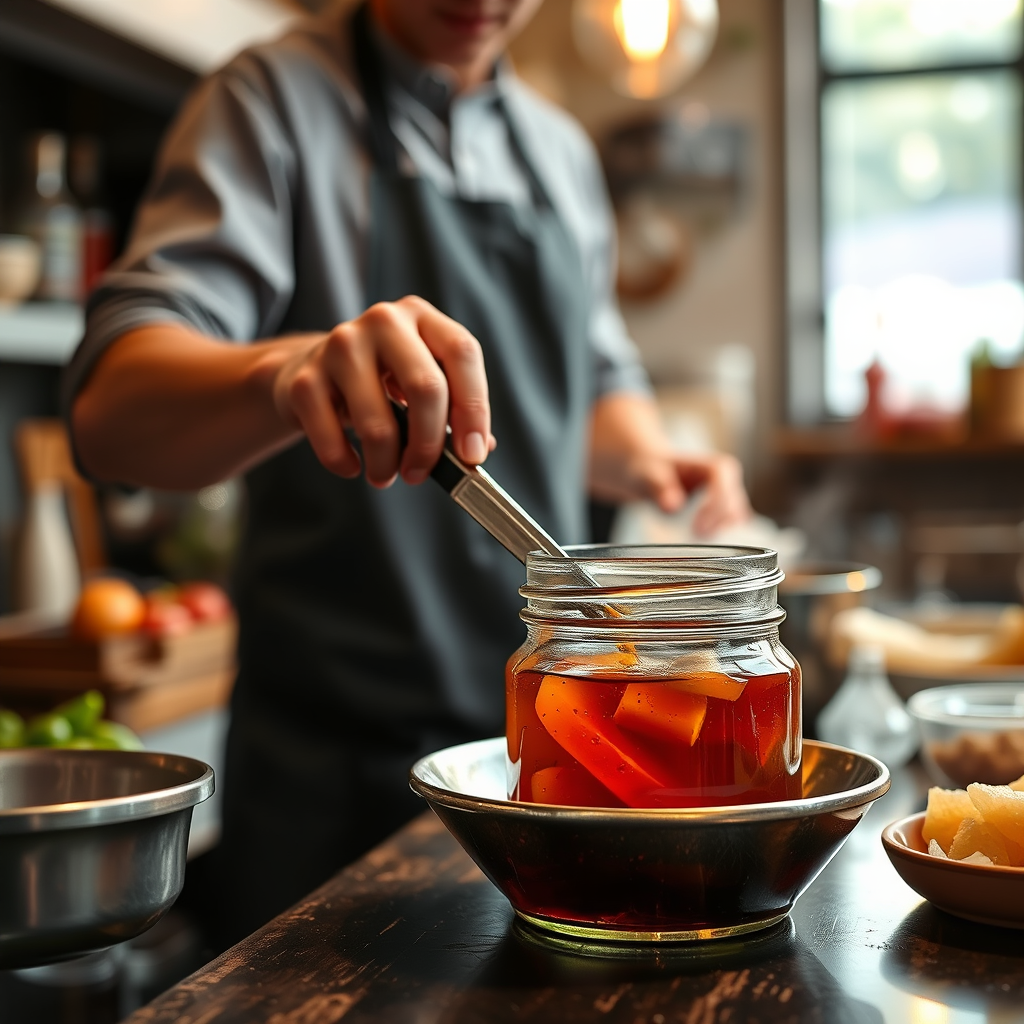
This guide offers a thorough exploration of making pepper jelly, focusing on ingredient selection, preparation techniques, and essential safe canning practices. It is crafted for those eager to create a traditional pepper jelly from scratch, emphasizing both safety and precision. However, it does not address alternative jelly recipes or variations beyond traditional pepper jelly, nor does it cover unrelated preserving methods.
Who Should Read This
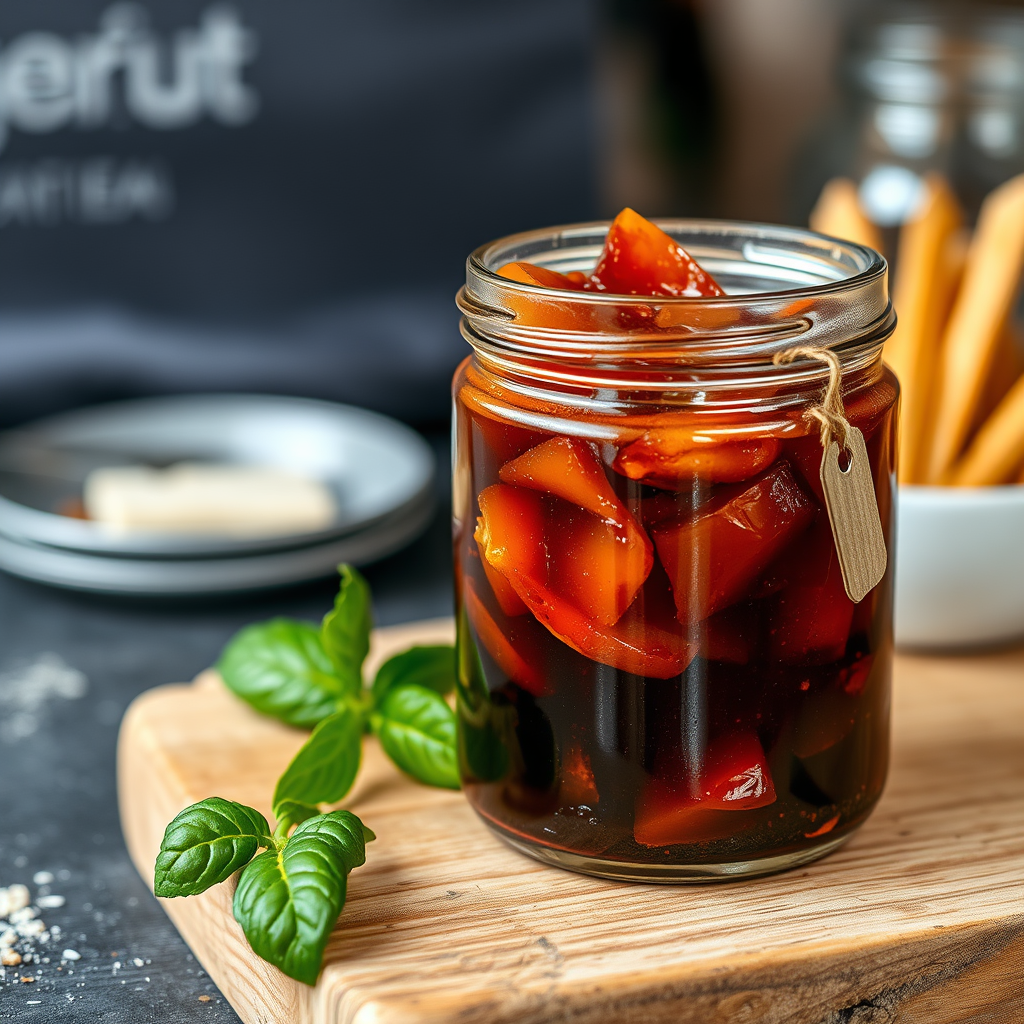
This guide is designed for home cooks who possess a basic understanding of food preservation and canning techniques but may be new to jelly-making. If you have experience with other jams or jellies but are venturing into pepper jelly for the first time, you will find detailed, tailored steps specific to this recipe. Conversely, it is not suitable for individuals lacking foundational knowledge of kitchen safety or food preservation principles, as a grasp of these concepts is crucial for safe jelly-making.
The Step-by-Step Protocol

1. Gather Ingredients: Combine 1 cup of finely chopped peppers (a mix of sweet red bell peppers and hot jalapeños for a balanced flavor), 1 cup of apple cider vinegar, and 1 package (1.75 oz) of fruit pectin.
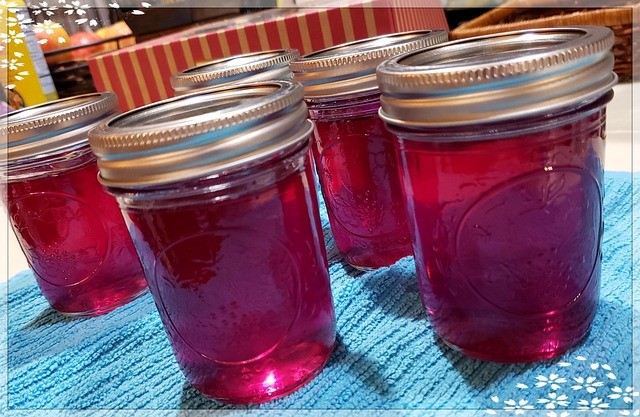
2. Prepare Jars: Sterilize 6 half-pint jars in boiling water for at least 10 minutes, keeping them hot until ready to fill. This step is vital to prevent contamination.
3. Cook the Mixture: In a large saucepan, bring the pepper and vinegar mixture to a vigorous boil, stirring constantly to ensure even cooking. Add the pectin and continue boiling for exactly 1 minute to allow it to dissolve fully.
4. Add Sugar: Gradually mix in 5 cups of granulated sugar, stirring continually. Return the mixture to a rolling boil and maintain for another minute. Use a candy thermometer to confirm that the mixture reaches 220°F (105°C), which is essential for proper gelling.
5. Jar the Jelly: Ladle the hot jelly into the prepared jars, leaving about 1/4 inch of headspace. Wipe the rims of the jars with a clean damp cloth to ensure a good seal.
6. Seal and Process: Place the sterilized lids on the jars and screw on the metal bands until they are fingertip-tight. Process the jars in a boiling water bath for 10 minutes to ensure they seal properly.
7. Cool and Store: Remove the jars from the water bath and let them cool completely on a clean towel or cooling rack. Ensure that the lids are sealed by pressing the center of each lid; it should not flex up or down. Store the sealed jars in a cool, dark place.
Key Ingredients for Pepper Jelly
| # | Ingredient | Quantity | Purpose |
|---|---|---|---|
| 1 | Sweet Peppers | 1 cup | Flavor base |
| 2 | Hot Peppers | 1 cup | Heat |
| 3 | Apple Cider Vinegar | 1 cup | Preservation |
| 4 | Fruit Pectin | 1.75 oz | Gelling agent |
| 5 | Granulated Sugar | 5 cups | Sweetness & preservation |
| 6 | Water (for sterilization) | N/A | Sterilization |
| 7 | Lids & Bands | 6 | Sealing |
Warning Signs: When Not to Follow This

Be cautious and do not proceed with this recipe if you notice any signs of spoilage or mold on the peppers, as this can compromise the safety of your jelly. Additionally, if you lack the necessary equipment—such as a water bath canner or jar lifter—refrain from attempting the canning process, as improper sealing could lead to spoilage. Also, avoid this recipe if you have any allergies to the listed ingredients, particularly peppers or vinegar, as this may trigger severe allergic reactions.
The Most Common Mistakes (And Their Consequences)
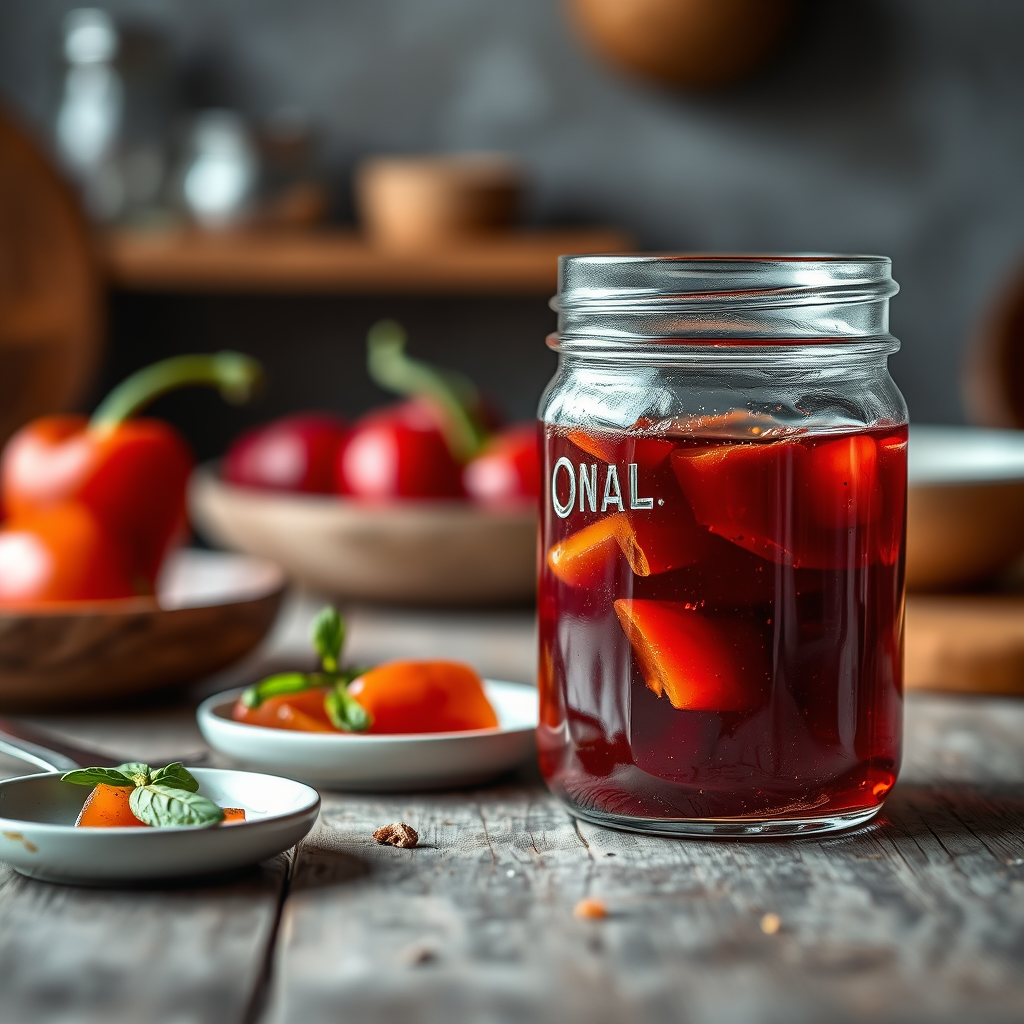
One frequent mistake involves incorrect sugar measurement; using less than the specified 5 cups can result in a jelly that fails to set, yielding a syrup instead of a firm spread. Another common error is neglecting to bring the mixture to the required temperature of 220°F (105°C), which may lead to a jelly that is too runny and disappoints after all your hard work. Skipping the sterilization of jars or not keeping them hot can introduce bacteria, jeopardizing the shelf-life and safety of your jelly.
Special Cases That Need a Different Approach
For those using alternative sweeteners like honey or agave syrup, it’s important to adjust the sugar quantity, as these substitutes do not provide the same gelling properties. Consult specific guidelines for these sweeteners, as their effects can vary significantly. If you have dietary restrictions, consider using low-sugar pectin and adjusting the sugar content to maintain the desired consistency without compromising safety. Always refer to the pectin package for instructions regarding sugar adjustments. If you are allergic to vinegar, lemon juice can be a substitute, but be aware that it may alter the flavor profile and acidity levels necessary for safe canning; maintaining the correct pH is crucial for preservation.
When You Need a Professional
If your batch fails due to improper gelling or spoilage, it’s wise to consult a food safety expert or your local extension service for guidance on safe consumption and disposal. Should you have any doubts about your canning process or the shelf-life of your jelly, seeking advice from a certified food preservation professional is critical. Furthermore, if you plan to scale up production significantly (beyond 10 jars at a time), it’s advisable to consult a food scientist to ensure your methods remain safe and effective.
Sources and Further Reading
– The USDA Complete Guide to Home Canning, which outlines safe canning practices and recipes, including pepper jelly.
– The National Center for Home Food Preservation, which provides guidelines on food safety and proper canning procedures.
– “The Ball Blue Book of Preserving,” a widely respected resource for home canning, includes various jelly recipes and safety tips specific to pepper jelly.
By following this guide, you can delight in the vibrant flavors of homemade pepper jelly while ensuring that your preserving practices are sound. Happy canning!
Frequently Asked Questions
What ingredients do I need for a basic pepper jelly recipe?
To make a basic pepper jelly, you will need fresh or roasted peppers (such as jalapeños or bell peppers), sugar, apple cider vinegar, pectin, and water. This combination creates a sweet and spicy flavor profile that is perfect for spreading on crackers or as a glaze for meats.
How do I make pepper jelly from scratch?
To make pepper jelly from scratch, start by chopping your chosen peppers and combining them with vinegar and water in a saucepan. Bring the mixture to a boil, then add sugar and pectin, stirring until dissolved. Pour the mixture into sterilized jars and process in a water bath for preservation, ensuring a delicious homemade treat.
Why is my pepper jelly not setting properly?
If your pepper jelly isn’t setting, it could be due to insufficient pectin or not boiling the mixture long enough. Ensure you follow the recipe’s measurements accurately and allow the jelly to reach a rolling boil for the required time. Additionally, using ripe fruit and the right type of pectin can significantly affect the setting process.
What is the best way to use pepper jelly in recipes?
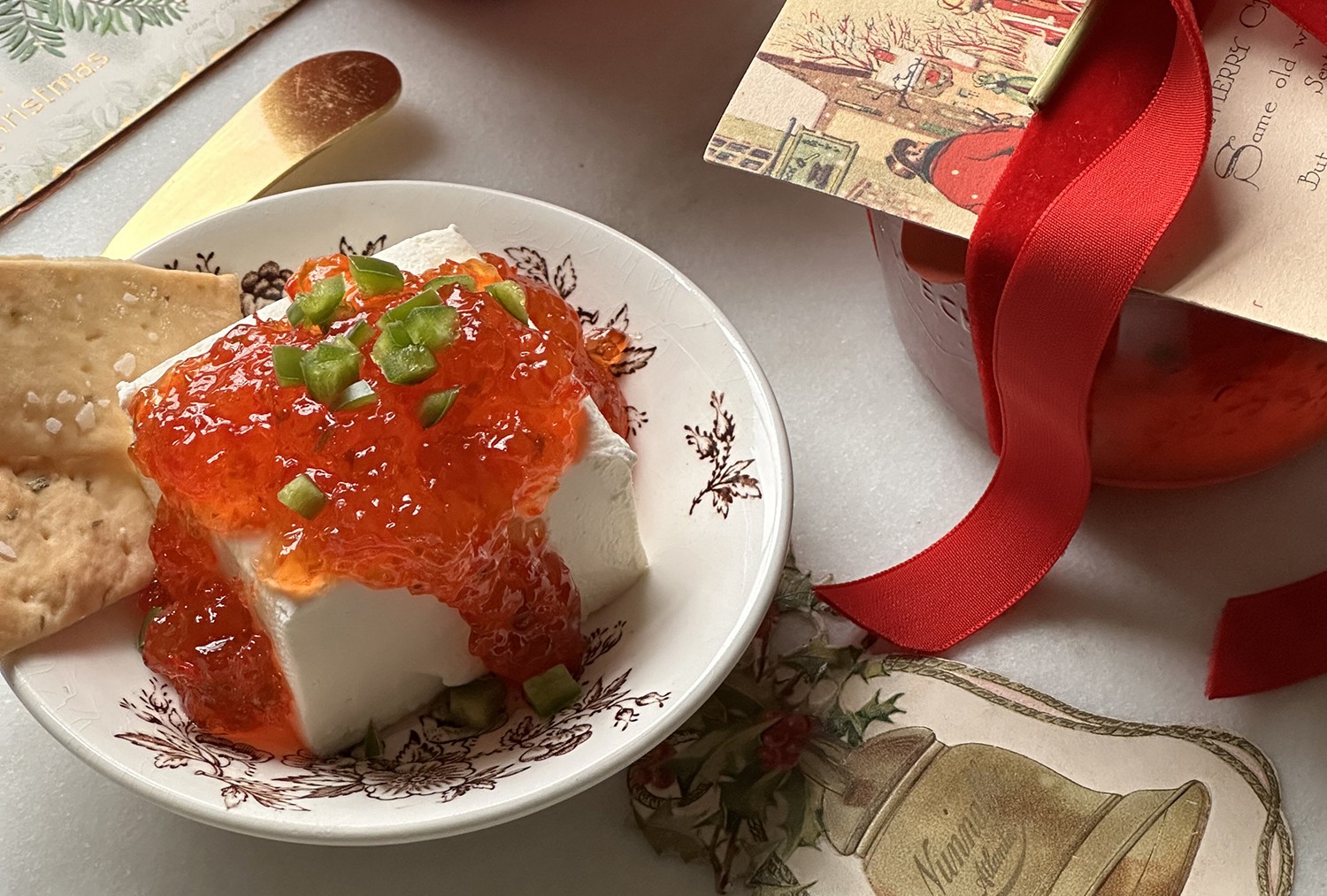
Pepper jelly can be used in a variety of ways, including as a flavorful glaze for grilled meats, a topping for cream cheese on crackers, or an ingredient in salad dressings. Its versatility makes it an excellent addition to charcuterie boards or as a sweet and spicy condiment in sandwiches and wraps.
Which peppers are best for making pepper jelly?
The best peppers for making pepper jelly depend on your desired heat level and flavor. Jalapeños provide a moderate heat, while bell peppers offer a milder taste. For a more intense flavor, consider using habaneros or serranos. Mixing different types of peppers can also create a unique and balanced jelly that suits your palate.
References
- Jelly
https://en.wikipedia.org/wiki/Jelly - https://www.extension.purdue.edu/extmedia/FS/FS-48-W.pdf
https://www.extension.purdue.edu/extmedia/FS/FS-48-W.pdf - https://extension.unh.edu/resource/pepper-jelly-recipe
https://extension.unh.edu/resource/pepper-jelly-recipe - https://www.foodsafety.gov/food-safety-charts/food-safety-recommendations
https://www.foodsafety.gov/food-safety-charts/food-safety-recommendations - Google Scholar Google Scholar
https://scholar.google.com/scholar?q=pepper+jelly+recipe - Google Scholar Google Scholar
https://scholar.google.com/scholar?q=pepper+jelly+preserving - Google Scholar Google Scholar
https://scholar.google.com/scholar?q=making+pepper+jelly - Page not found
https://www.clemson.edu/extension/food/food_safety/preservation/jelly.html - pepper jelly recipe – Search results
https://en.wikipedia.org/wiki/Special:Search?search=pepper+jelly+recipe - https://www.ncbi.nlm.nih.gov/search/research-articles/?term=pepper+jelly+recipe
https://www.ncbi.nlm.nih.gov/search/research-articles/?term=pepper+jelly+recipe