Master the art of making pepper jam with this expert guide that offers a precise, step-by-step recipe. Designed for home cooks seeking to elevate their preserves, this comprehensive resource ensures you follow the correct protocols for safety and flavor. Discover essential techniques, ingredient insights, and troubleshooting tips that will transform your kitchen into a haven for gourmet jam-making. Safe, delicious, and rewarding, your journey into pepper jam starts here.
What This Guide Covers (And What It Doesn’t)
This guide offers a thorough, step-by-step approach to safely making pepper jam, complete with ingredient lists, preparation methods, and essential storage tips. It highlights the importance of food safety practices specific to jam-making, such as the proper sterilization of jars and safe canning techniques to prevent spoilage. Additionally, it emphasizes the critical role of understanding acidity levels, which are vital for preserving fruit jams.
However, this guide does not delve into alternative jam recipes or non-pepper-based preserves, nor does it cover advanced canning methods that extend beyond standard home kitchen practices. Readers should be aware that variations in pepper types and sweetness can influence the final product, but these nuances will not be explored in depth here.
Who Should Read This
This guide is crafted for home cooks with basic culinary skills eager to expand their jam-making repertoire specifically with pepper-based jams. Readers should have some familiarity with kitchen measurements, cooking terminology, and basic food safety principles, as these will be referenced throughout. Ideally, prior experience with basic fruit preserves or jams will provide a solid foundation for understanding the unique aspects of making pepper jam.
This guide is not intended for advanced food preservation specialists or those seeking commercial canning techniques, as its focus is on home preparation. If you are new to canning or food preservation, consider seeking introductory resources first.
The Step-by-Step Protocol
1. Gather Ingredients: Combine the following:
– 2 cups of finely chopped peppers (consider a mix of sweet bell peppers and hot varieties like jalapeños or serranos for a balanced flavor).
– 1 cup of white granulated sugar.
– 1 cup of apple cider vinegar.
– 1 packet (1.75 oz) of regular pectin (such as Sure-Jell or Ball).
Ensure all ingredients are fresh and free from blemishes.
2. Prepare Jars: Sterilize 4-6 half-pint canning jars by boiling them in water for 10 minutes. After boiling, allow them to air dry completely in a clean space to avoid contamination.
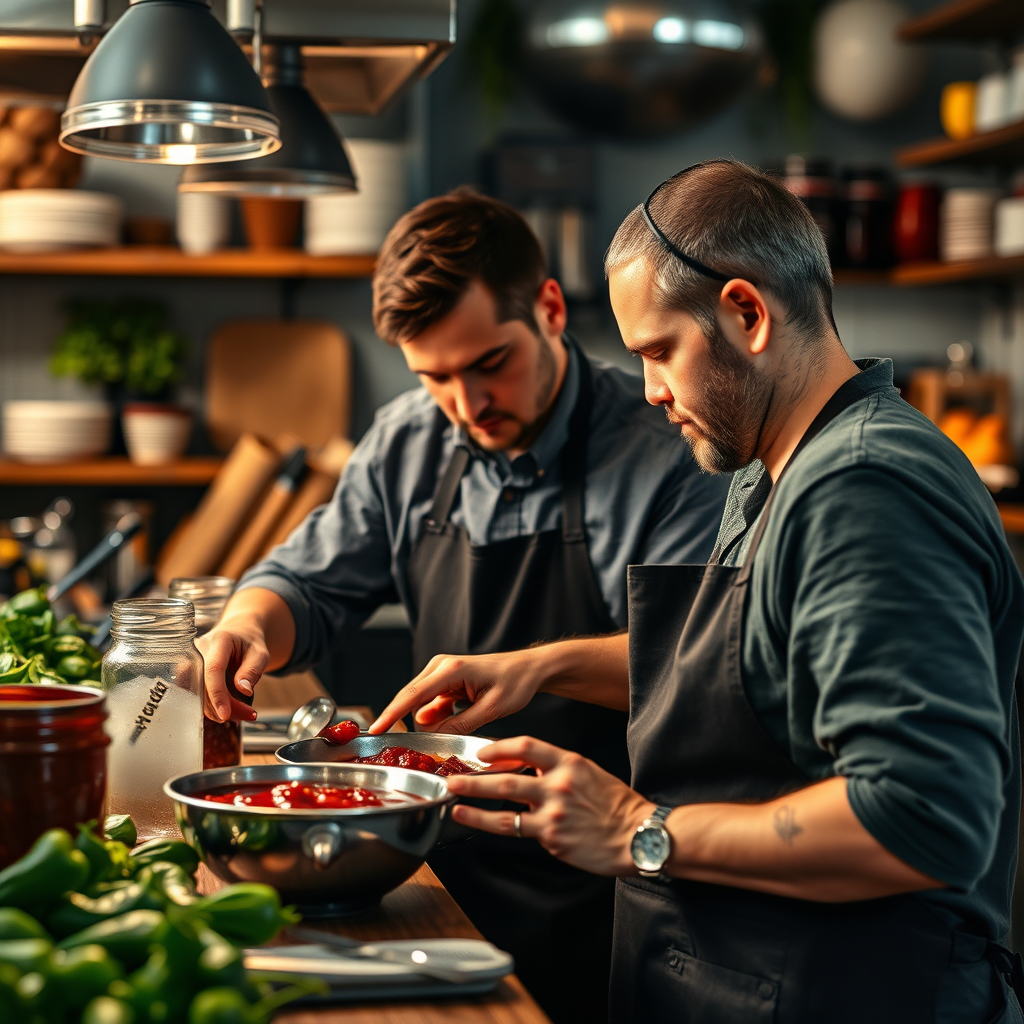
3. Cook Mixture: In a large pot, combine the finely chopped peppers, sugar, and apple cider vinegar. Stir well to ensure the sugar begins to dissolve. Bring the mixture to a rolling boil over medium-high heat, stirring frequently to prevent scorching.
4. Add Pectin: Once the mixture reaches a vigorous boil, stir in the pectin. Continue to boil for an additional 1-2 minutes, stirring constantly, until the mixture thickens. Remove the pot from heat once the desired consistency is achieved.
5. Fill Jars: Using a ladle, carefully fill the sterilized jars with the hot pepper jam. Leave a 1/4-inch headspace at the top of each jar to allow for expansion during processing. Wipe the rims of the jars with a clean cloth to ensure a proper seal.
6. Seal and Process: Place the sterilized lids on the jars and screw on the metal bands until fingertip-tight (do not overtighten). Process the jars in a boiling water bath for 10 minutes to ensure safety and proper sealing. Ensure that the water covers the jars by at least one inch during processing.
Warning Signs: When Not to Follow This
– Avoid making pepper jam if you have a known allergy to any of the ingredients, particularly the peppers or vinegar, as this poses a serious health risk.
– Do not proceed if your jars or lids show any signs of damage, rust, or improper sealing, as this can lead to spoilage or contamination.
– If you notice any unusual smells, colors, or textures in the pepper jam during preparation, do not consume it, as these can indicate spoilage or improper cooking.
– If the boiling water bath does not maintain a steady boil throughout the processing time, discard the batch and start over to ensure safety.
The Most Common Mistakes (And Their Consequences)
– A frequent mistake among home cooks is failing to measure the pectin correctly. Incorrect measurements can lead to a jam that is either too runny or too thick, severely affecting the texture and flavor balance of the final product.
– Neglecting to sterilize jars adequately can result in microbial growth, leading to spoilage and food safety issues. Always prioritize proper sterilization methods.
– Some people erroneously skip the boiling water bath, mistakenly believing that jar sealing alone is sufficient. This can result in unsealed jars, increasing the risk of botulism, a serious foodborne illness. Always adhere to the recommended processing times.
– Overcooking the jam can also be detrimental, resulting in a burnt flavor or overly thick consistency. Monitor the cooking closely, especially after adding pectin.
Special Cases That Need a Different Approach
– If using low-sugar or no-sugar pectin, follow the specific instructions provided with the pectin package, as the sugar-to-pectin ratio will differ from traditional recipes. These products may require additional adjustments in acidity or cooking time.
– For individuals with dietary restrictions, consider using alternative sweeteners like agave nectar or honey, but adjust the quantity based on their sweetness level compared to sugar. Note that this may alter the setting characteristics of your jam.
– If making a large batch, be mindful to process in smaller batches to maintain even cooking and ensure proper gelling of the jam. Large quantities may cool too rapidly and affect the setting process.
When You Need a Professional
– If you are unsure about the safety of your canning process or the ingredients used, consult a certified food preservation expert to review your methods. Adhering to safe practices is crucial in preventing foodborne illnesses.
– Seek professional guidance if you plan to sell your homemade pepper jam, as local food safety regulations and labeling requirements must be met. Local health departments often have resources to assist in compliance.
– If you experience any adverse reactions from consuming pepper jam, such as allergic symptoms or gastrointestinal distress, contact a healthcare professional immediately for assistance.
Sources and Further Reading
– “The Ball Book of Canning and Preserving” by Ball Corporation — a reliable resource on safe canning techniques and recipes.
– USDA Complete Guide to Home Canning — provides comprehensive guidelines on safe canning practices and food safety standards.
– National Center for Home Food Preservation — offers research-based information on preserving food safely at home, including jam-making techniques.
By following this expert guide, you can enjoy the rewarding experience of making your own pepper jam. With precision and attention to detail, you’ll create a vibrant condiment that enhances a variety of dishes, from cheeses to barbecued meats. Happy canning!
Frequently Asked Questions
What ingredients do I need for a basic pepper jam recipe?
To make a basic pepper jam, you’ll need fresh peppers (like bell or jalapeño), sugar, apple cider vinegar, and pectin. You can customize the flavor by adding spices or fruit, but these core ingredients are essential for a sweet and tangy pepper jam.
How do I properly prepare the peppers for my jam?
Start by washing the peppers thoroughly to remove any dirt. Then, remove the stems, seeds, and membranes if you prefer a milder flavor, or leave some seeds for added heat. Finally, finely chop the peppers to ensure they cook evenly and integrate well into the jam.
Why did my pepper jam not set properly?
If your pepper jam didn’t set, it might be due to insufficient pectin or not cooking the mixture long enough. Make sure to follow the pectin instructions closely and allow the jam to reach the proper temperature before canning. If needed, you can reprocess the jam with additional pectin.
What is the best way to store homemade pepper jam?
The best way to store homemade pepper jam is in sterilized glass jars, sealed tightly, and kept in a cool, dark place. Once opened, refrigerate the jam and consume it within a few weeks to maintain its flavor and freshness.
Which types of peppers work best for making pepper jam?
The best types of peppers for making pepper jam include sweet bell peppers for a milder taste and jalapeños or habaneros for those who enjoy heat. You can also experiment with a blend of different peppers to achieve a unique flavor profile that suits your palate.
References
- Fruit preserves
https://en.wikipedia.org/wiki/Jam - https://pubmed.ncbi.nlm.nih.gov/20208477/
https://pubmed.ncbi.nlm.nih.gov/20208477/ - https://www.ncbi.nlm.nih.gov/pmc/articles/PMC5001864/
https://www.ncbi.nlm.nih.gov/pmc/articles/PMC5001864/ - Google Scholar Google Scholar
https://scholar.google.com/scholar?q=pepper+jam+recipe - https://www.sciencedirect.com/topics/food-science/jam
https://www.sciencedirect.com/topics/food-science/jam - Google Scholar Google Scholar
https://scholar.google.com/scholar?q=making+pepper+jam - https://www.cdc.gov/nutrition/about-nutrition/food-safety.html
https://www.cdc.gov/nutrition/about-nutrition/food-safety.html - https://www.bbc.com/food/recipes/pepper_jam_71719
https://www.bbc.com/food/recipes/pepper_jam_71719 - https://www.theguardian.com/food/2020/may/27/how-to-make-jam-a-beginners-guide
https://www.theguardian.com/food/2020/may/27/how-to-make-jam-a-beginners-guide - https://www.nytimes.com/2020/07/08/dining/pepper-jam-recipe.html
https://www.nytimes.com/2020/07/08/dining/pepper-jam-recipe.html